Federal agencies would be financed for another month under bipartisan legislation approved by the House on Tuesday, the latest emblem of Congress' persistent inability to finish its budget work on time.
Senate passage, expected perhaps next week, will send the bill to President Joe Biden for his signature. Without that the government would deplete its spending authority on Feb. 18 and have to shutter most of its doors, an election-year embarrassment that neither party wants, and it will not happen.
The bill includes $350 million to address leaking military fuel tanks that have contaminated drinking water near Hawaii's Pearl Harbor, and nearly 6,000 people have complained of illness. The military has moved around 4,000 families into hotels and flown in water treatment systems from the U.S. mainland.
Tuesday's House vote was 272-162. All but one voting Democrat supported the bill, but it was opposed by more than 3 in 4 Republicans, who often use such votes to portray themselves as fiscal conservatives.
The short-term measure would fund government at last year’s levels through March 11. Congressional leaders say they hope that will give bargainers time to reach agreement on overall spending totals, and then write the 12 bills that spell out details on how agencies will spend that money.
Those bills finance everything from the armed forces to programs for education, the environment, veterans and public health. In addition, a portion of the 10-year, $1 trillion infrastructure bill — about $14 billion this year — can't be committed to projects until Congress approves a spending bill formally providing the money.
The government's budget year runs from Oct. 1 through Sept. 30. It's been many years since Congress has finished all its budget bills by Oct. 1 because of partisan fights over priorities.
“No one wins" when Congress has to rely on short-term legislation to finance agencies piecemeal, said Rep. Rosa DeLauro, D-Conn., who chairs the House Appropriations Committee. The top Republican on that panel, Rep. Kay Granger of Texas, said that while no one wants another stopgap bill, “the alternative is much worse" — a reference to a federal shutdown.
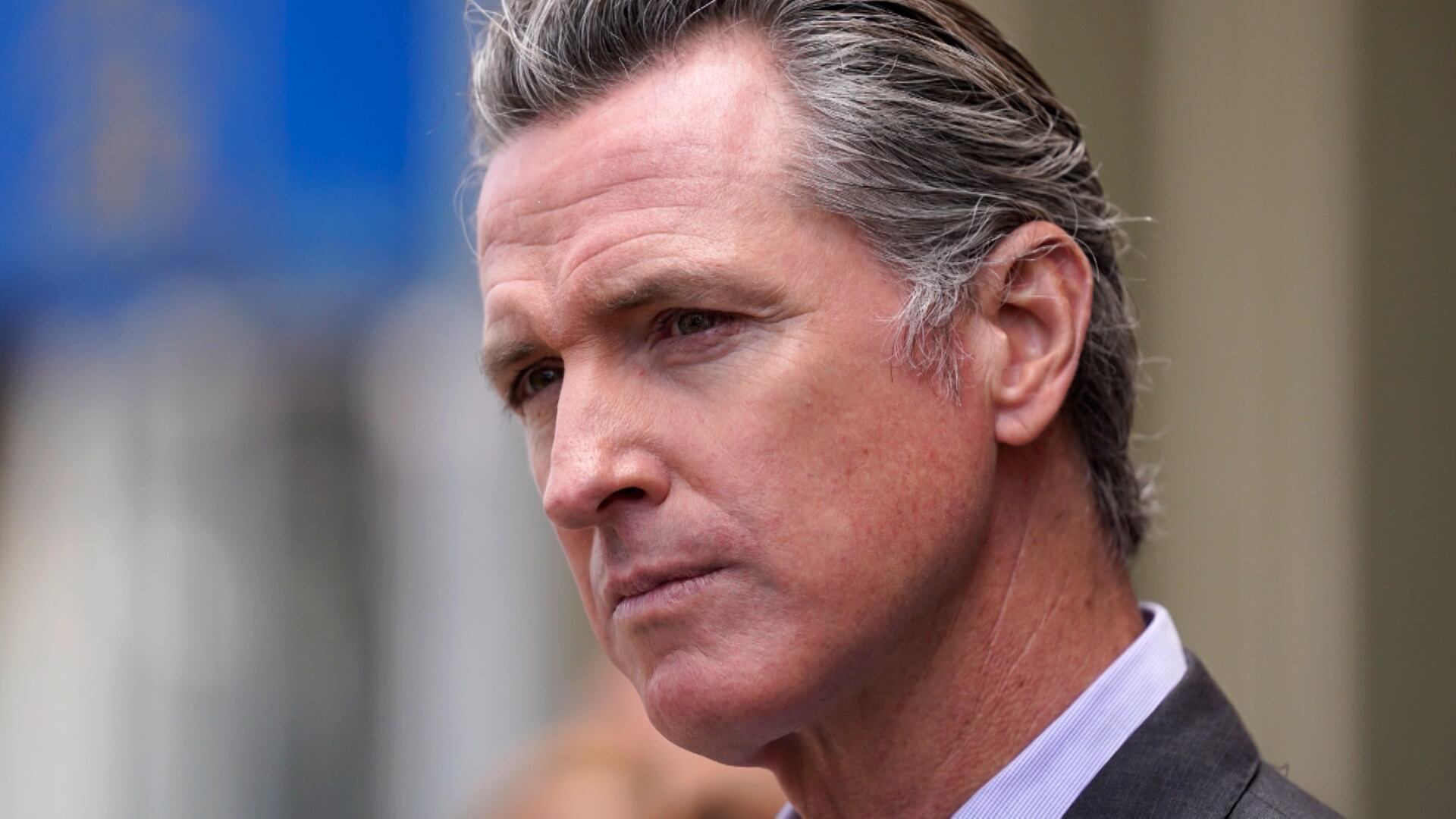
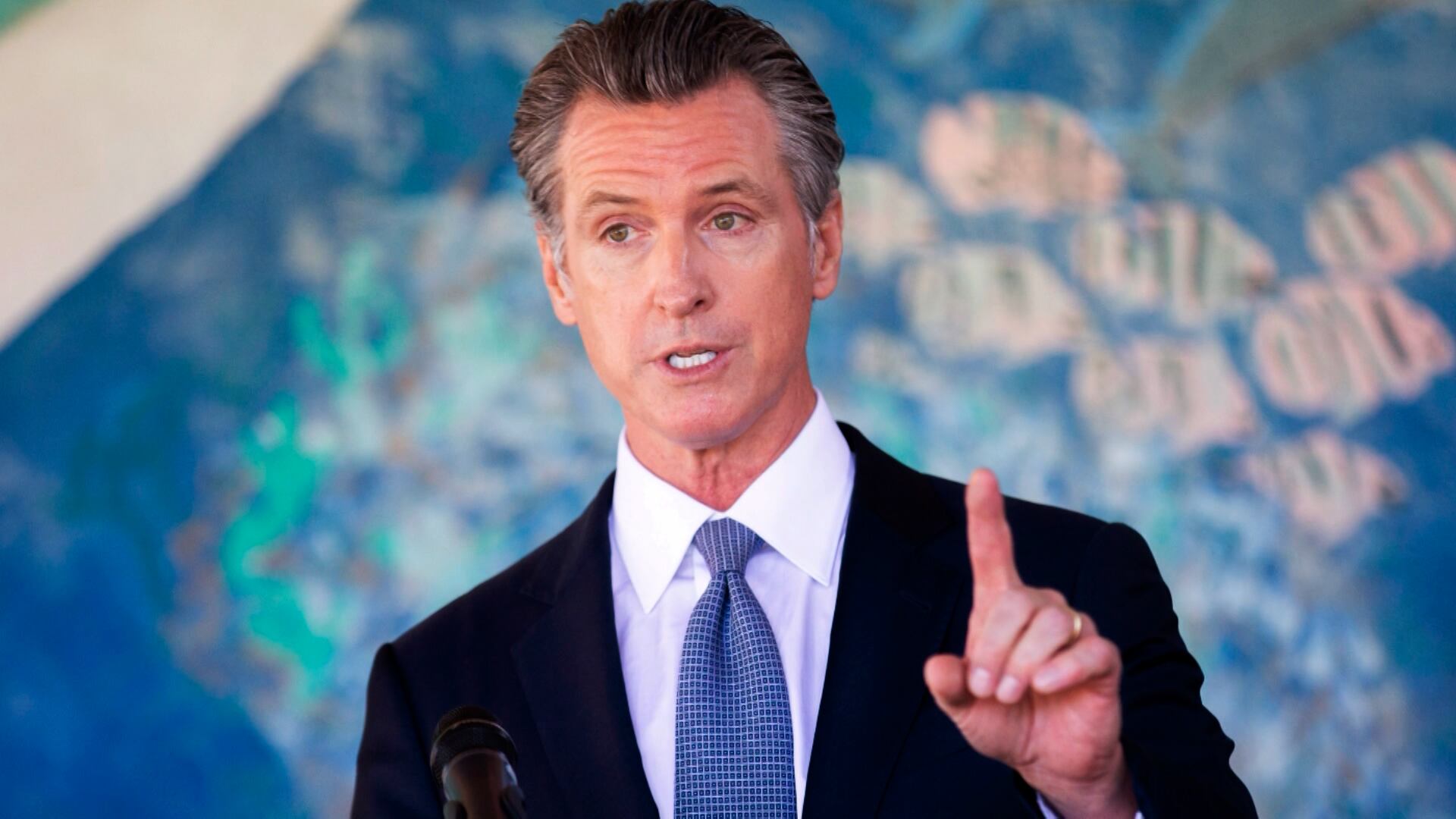
Emily Hoeven, newsletter editor at CalMatters, joins Cheddar News to discuss California Governor Gavin Newsom's gun law modeled after Texas's abortion law.
Chuck Rocha, host of 'Nuestro' podcast and opinion contributor at The New York Times, joins Cheddar News to discuss why Democrats are losing Hispanic voters.
More businesses are requiring workers to return to the office, but there is concern that many employees in the middle class, especially women and people of color, need remote work options for reasons including childcare and financial security. Joan Williams, director of the Center for WorkLife Law at the University of California, joined Cheddar to discuss why office mandates could be detrimental to the middle class. She noted that while companies claim a return to offices would help foster more collaboration and efficiency, reports show that they are successfully able to do their jobs from home.
The U.S. postal service has confirmed that it secretly developed and tested a blockchain-based mobile voting system ahead of the 2020 election. Susan Greenhalgh, senior advisor on election security, Free Speech for People, joins Cheddar News to discuss the cybersecurity complications of a mobile voting system.
The U.S. Supreme Court ruled to allow the controversial Texas abortion law to remain in effect, banning abortion at six weeks and allowing any private citizen to sue a person or doctor aiding or abetting someone seeking an abortion. Outraged at this decision, California Governor Gavin Newsom is working to draft a proposal in line with the law as it relates to guns. Shawn Hubler, California correspondent at the New York Times, joins Cheddar News to discuss.
Even as tech giant Google implements a vaccination mandate, charging its employees to declare their vaccine status within a time frame or risk dismissal, the federal government is tangled up in the court system trying to impose one of its own. Cindy Cohn, the executive director of the Electronic Frontier Foundation, and Harry Nelson, founder and managing partner of Nelson Hardiman LLP, joined Cheddar to debate the ethics, efficacy, and legality surrounding the issue. While Cohn noted that she thinks the federal mandate might be legally sound, her organization is also concerned with a separate question of privacy. "At EFF what we're most interested in is the digital surveillance that's going along with some of these attempts to try to track and confirm whether people are vaccinated or not," she said.