Federal agencies would be financed for another month under bipartisan legislation approved by the House on Tuesday, the latest emblem of Congress' persistent inability to finish its budget work on time.
Senate passage, expected perhaps next week, will send the bill to President Joe Biden for his signature. Without that the government would deplete its spending authority on Feb. 18 and have to shutter most of its doors, an election-year embarrassment that neither party wants, and it will not happen.
The bill includes $350 million to address leaking military fuel tanks that have contaminated drinking water near Hawaii's Pearl Harbor, and nearly 6,000 people have complained of illness. The military has moved around 4,000 families into hotels and flown in water treatment systems from the U.S. mainland.
Tuesday's House vote was 272-162. All but one voting Democrat supported the bill, but it was opposed by more than 3 in 4 Republicans, who often use such votes to portray themselves as fiscal conservatives.
The short-term measure would fund government at last year’s levels through March 11. Congressional leaders say they hope that will give bargainers time to reach agreement on overall spending totals, and then write the 12 bills that spell out details on how agencies will spend that money.
Those bills finance everything from the armed forces to programs for education, the environment, veterans and public health. In addition, a portion of the 10-year, $1 trillion infrastructure bill — about $14 billion this year — can't be committed to projects until Congress approves a spending bill formally providing the money.
The government's budget year runs from Oct. 1 through Sept. 30. It's been many years since Congress has finished all its budget bills by Oct. 1 because of partisan fights over priorities.
“No one wins" when Congress has to rely on short-term legislation to finance agencies piecemeal, said Rep. Rosa DeLauro, D-Conn., who chairs the House Appropriations Committee. The top Republican on that panel, Rep. Kay Granger of Texas, said that while no one wants another stopgap bill, “the alternative is much worse" — a reference to a federal shutdown.
The airline industry says it is contending with staff shortages that threaten to hamper operations amid the COVID resurgence, andDelta Airlines CEO Ed Bastian called on the CDC to revise its guidance for vaccinated workers who test positive from a 10-day quarantine to just five. Chuck Liberman, chief investment officer and managing partner at Advisors Capital Management LLC, joined Cheddar to talk about the current guidance on isolation and why he believes the omicron variant calls for more relaxed guidance given its reportedly mild symptoms.
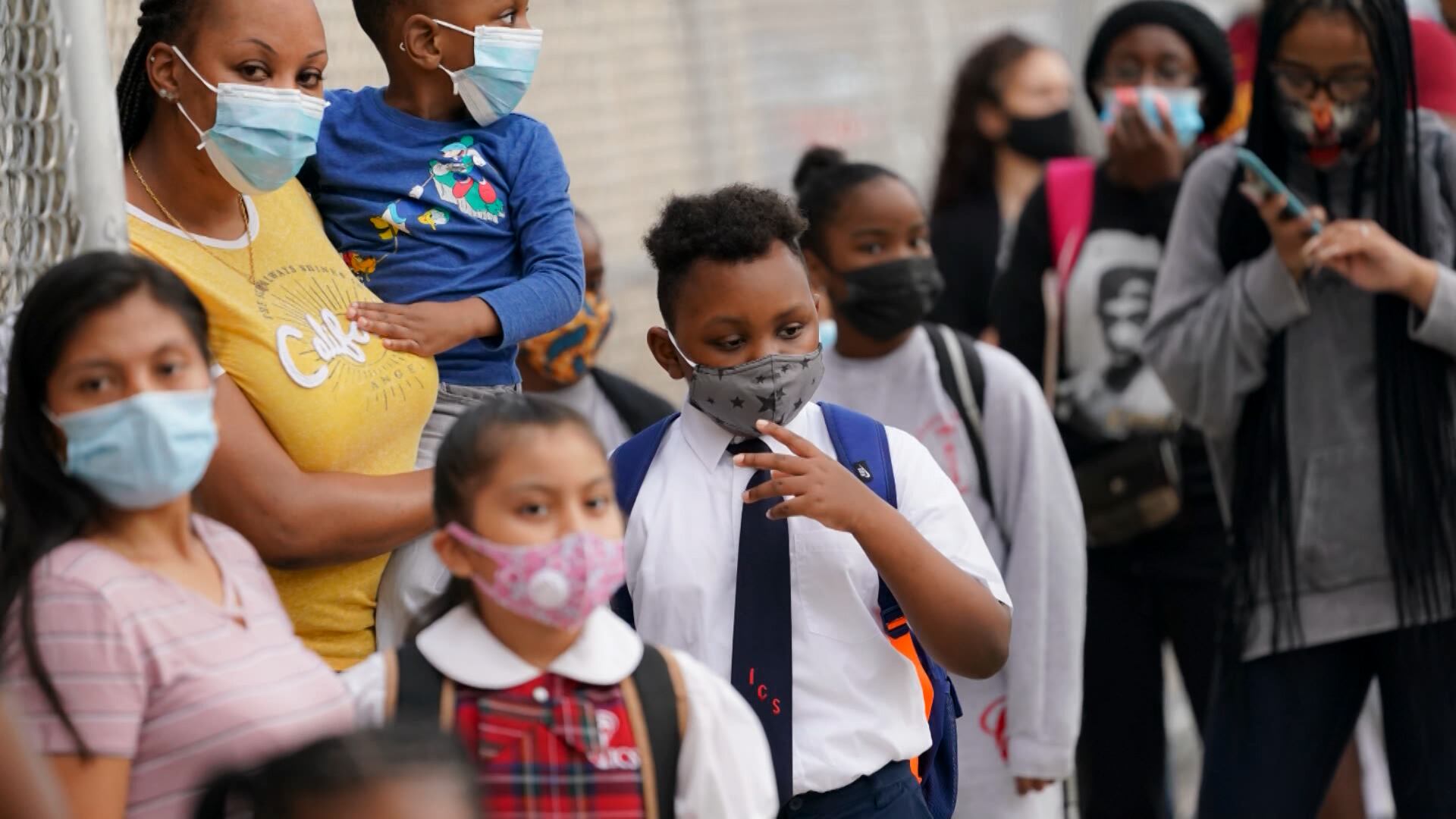
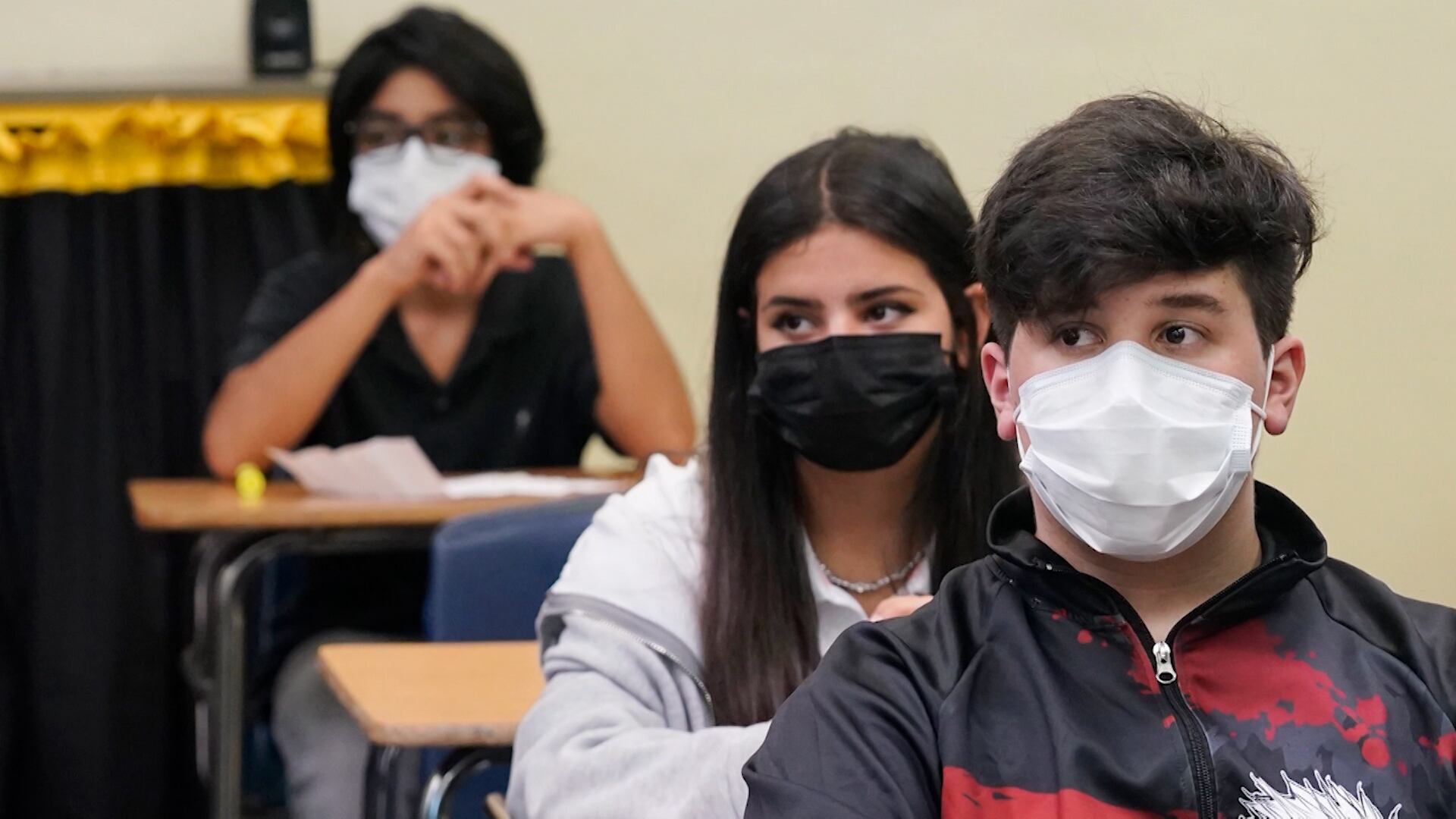
Schools are shutting down in droves as the highly contagious omicron variant surges across the country. Denisha Merriweather, director of public relations and content marketing at the American Federation for Children, an advocacy organization for vouchers and tax credits for school choice, joined Cheddar's "Opening Bell" to discuss the impact of remote learning on children. She argued that school districts have to be more proactive about the steps they are taking to engage students, and if they are unable to form better teaching methods, parents should be able to find alternative schools.
The boys discuss President Biden's plans to send out free rapid tests as the testing supply chain starts to buckle ahead of the holidays. Also, why aren't Americans having more babies, and The Matrix returns.
With the Build Back Better plan essentially out of the picture, economists are highlighting what the country might lose without the provisions designed to strengthen it. Among other things, this includes no more monthly payments for tens of millions of families, no universal Pre-K for 6 million children a year, and no billions of dollars in tax incentives for climate initiatives. Grace Segers, staff writer for The New Republic, joined Cheddar to discuss the various impacts on the economy without President Biden's spending bill.
Electric vehicle companies took a tumble Monday after Senator Joe Manchin killed Biden's 'Build Back Better' plan. Shares of Tesla, Lucid, and Rivian all fell rapidly as the plan had included significant incentives for the growing EV sector. Rich Steinberg, former executive at Nissan, BMW and Electrify America joined Cheddar's Opening Bell to discuss.
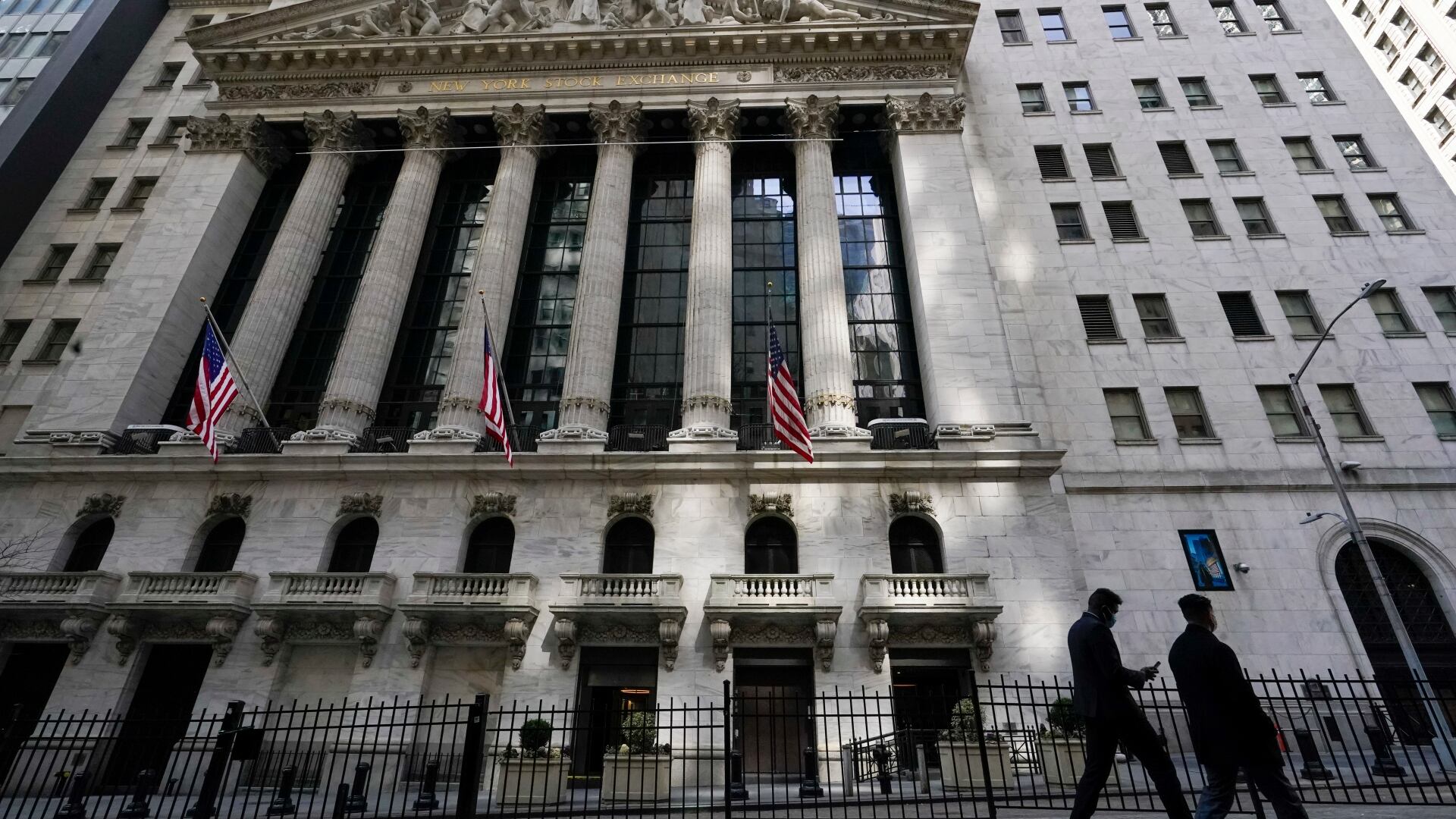
Michael Robinson, Chief Technology Strategist at Money Map Press, joins Cheddar News' Closing Bell, where he explains why small and mid-cap stocks heating up during Tuesday's session is a very good sign for a stock market that ended the day's session sharply higher.
Coming off a 2021 campaign where the prices of Bitcoin, Ether, and other cryptocurrencies reached unpreceded levels, Bitwise Asset Management CIO Matt Hougan and OpenNode Co-Founder & CTO João Almeida join Cheddar News' Crypto Craze: The Year of the Token to discuss the ways the crypto market can soar even higher in 2022.