Federal agencies would be financed for another month under bipartisan legislation approved by the House on Tuesday, the latest emblem of Congress' persistent inability to finish its budget work on time.
Senate passage, expected perhaps next week, will send the bill to President Joe Biden for his signature. Without that the government would deplete its spending authority on Feb. 18 and have to shutter most of its doors, an election-year embarrassment that neither party wants, and it will not happen.
The bill includes $350 million to address leaking military fuel tanks that have contaminated drinking water near Hawaii's Pearl Harbor, and nearly 6,000 people have complained of illness. The military has moved around 4,000 families into hotels and flown in water treatment systems from the U.S. mainland.
Tuesday's House vote was 272-162. All but one voting Democrat supported the bill, but it was opposed by more than 3 in 4 Republicans, who often use such votes to portray themselves as fiscal conservatives.
The short-term measure would fund government at last year’s levels through March 11. Congressional leaders say they hope that will give bargainers time to reach agreement on overall spending totals, and then write the 12 bills that spell out details on how agencies will spend that money.
Those bills finance everything from the armed forces to programs for education, the environment, veterans and public health. In addition, a portion of the 10-year, $1 trillion infrastructure bill — about $14 billion this year — can't be committed to projects until Congress approves a spending bill formally providing the money.
The government's budget year runs from Oct. 1 through Sept. 30. It's been many years since Congress has finished all its budget bills by Oct. 1 because of partisan fights over priorities.
“No one wins" when Congress has to rely on short-term legislation to finance agencies piecemeal, said Rep. Rosa DeLauro, D-Conn., who chairs the House Appropriations Committee. The top Republican on that panel, Rep. Kay Granger of Texas, said that while no one wants another stopgap bill, “the alternative is much worse" — a reference to a federal shutdown.
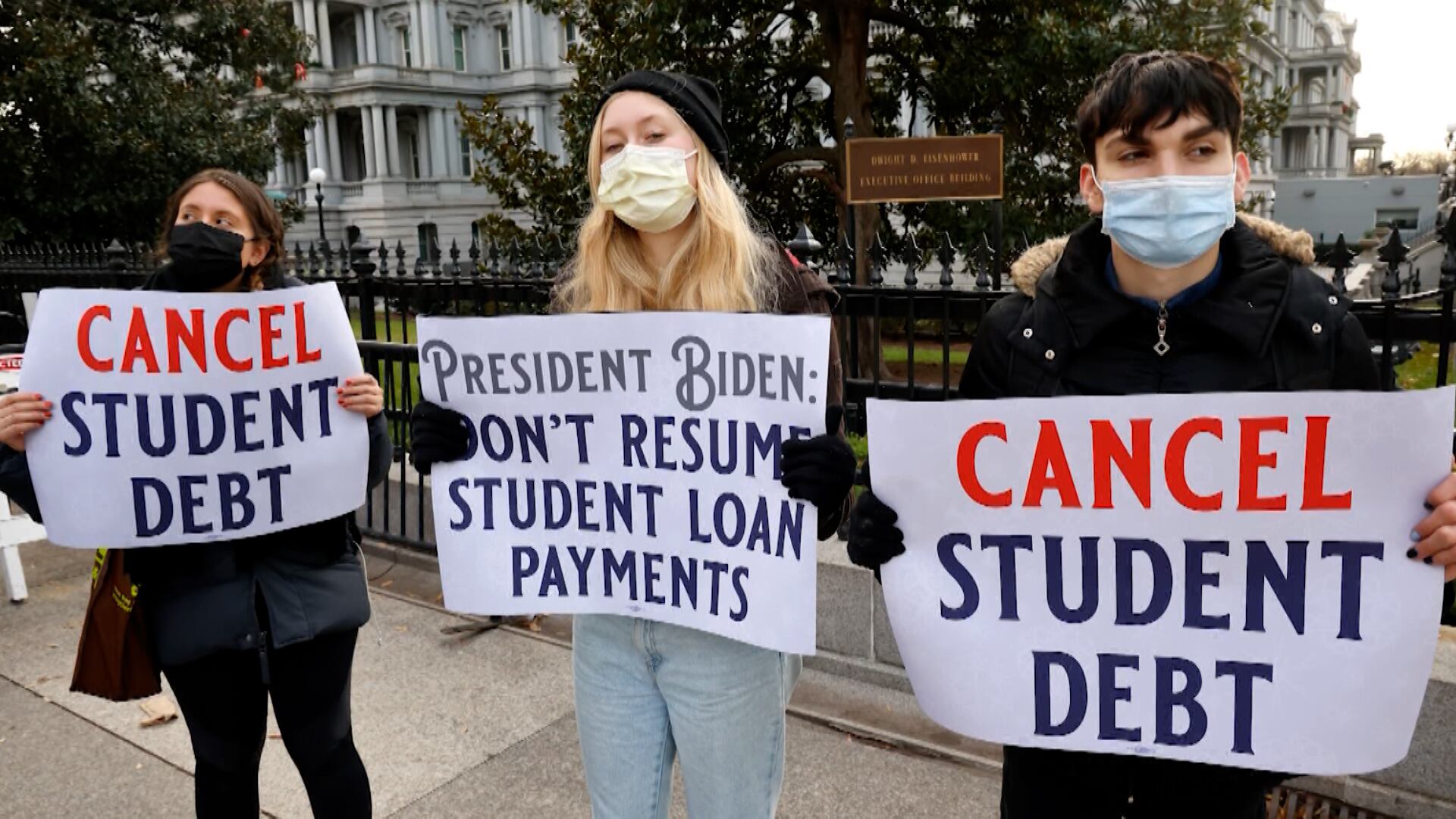
Student loan collection company Navient agreed to cancel $1.7 billion in debt and paid more than $140 million in other penalties to settle a lawsuit over abusive lending practices. Josh Shapiro, the attorney general of Pennsylvania who led negotiations in the settlement, joined Cheddar to go over the details of the company's predatory lending. "What Navient would do is charge [borrowers] these exorbitantly high rates, even though they knew people couldn't pay them or they would likely default on them," he explained.
The January 6 committee has subpoenaed four tech giants for more information on what they did and didn't do leading up to last year's deadly Capitol insurrection. Google, Facebook, Twitter, and Reddit were asked to assist the investigation in August, but the committee says their responses have been 'inadequate.' Craig Timberg, a national technology reporter at the Washington Post, joins Cheddar News' Closing Bell for more details about the subpoenas, why this is happening now, and how it might impact social media companies moving forward.
With the Australian Open set to begin on Monday, Novak Djokovic is once again being threatened with deportation from Australia after his visa was briefly reinstated and revoked again over alleged discrepancies. Djokovic’s team will sit for an Immigration hearing on Saturday.
Makena Kelly, politics reporter at The Verge, joins Cheddar News to discuss what's next for net neutrality as Biden's other nominee for the FCC, Gigi Sohn, awaits votes from the committee and Senate.
Jewell Jackson McCabe, chair of the Keep Love Alive Campaign and founder of the National Coalition of 100 Black Women, and Marvin Owens, chief engagement officer of Impact Shares and former senior director of Economic Development at the NAACP, join Cheddar News to reflect on racial issues still prevalent in America.
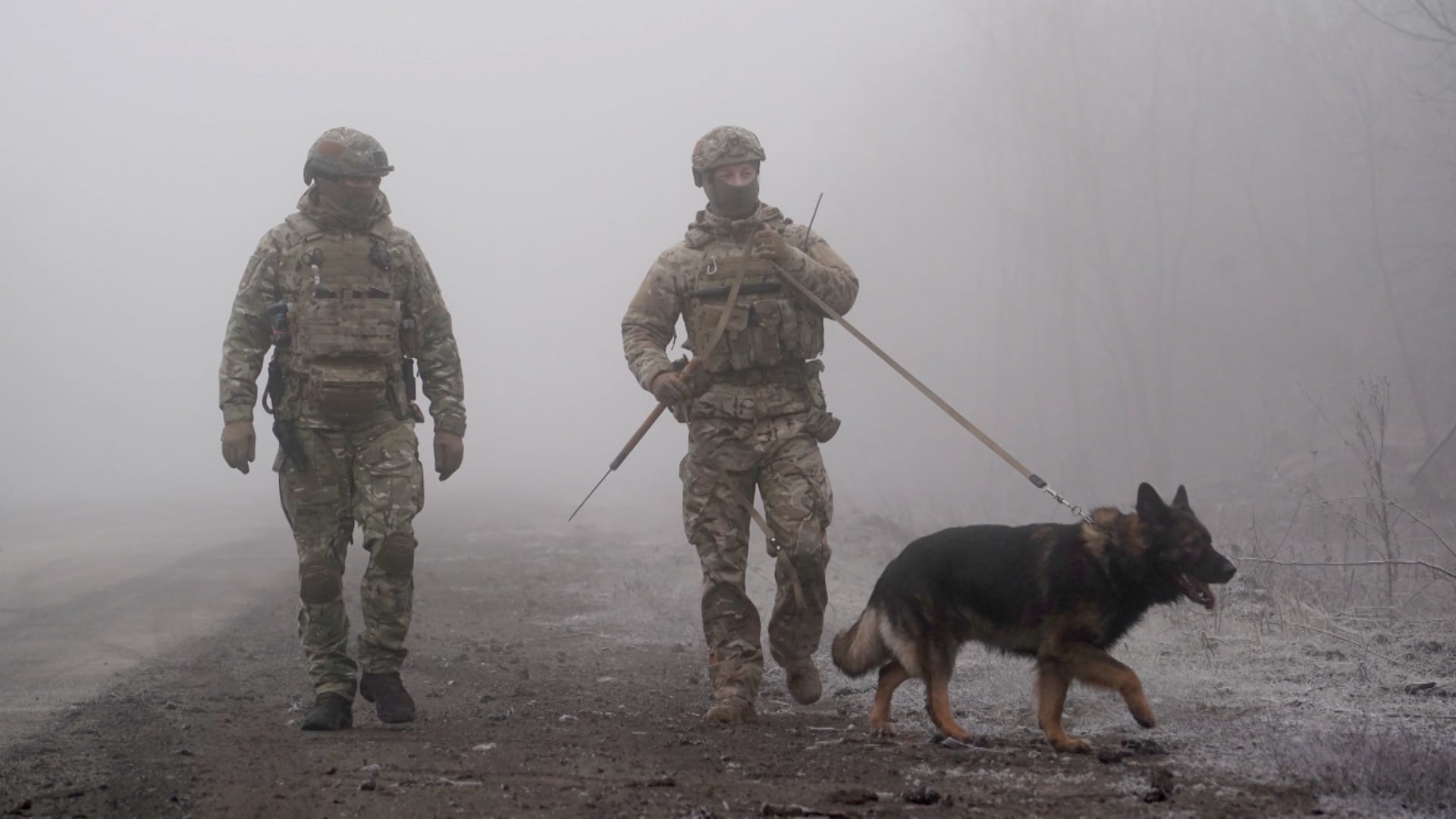
Hagar Chemali, Host of 'Oh My World' on Youtube and Former Spokesperson for the U.S. mission to the UN, joined Wake Up With Cheddar to share her expert insight into what the future of diplomacy could look like as the Russia-Ukraine crisis deepens.
Markets opened higher on the first trading day of the new year as investors continue to watch inflation and the rapid spread of the omicron variant in the U.S. Frances Newton Stacy, Optimal Capital Dir. of Strategy/Market Analyst joined Cheddar's Opening Bell to discuss.
Markets opened lower this morning as investors rounded out a wild 2021. Jay Hatfield, CEO Infrastructure Capital Advisors, joined Cheddar's Opening Bell to discuss which sectors and industries to watch in the new year.
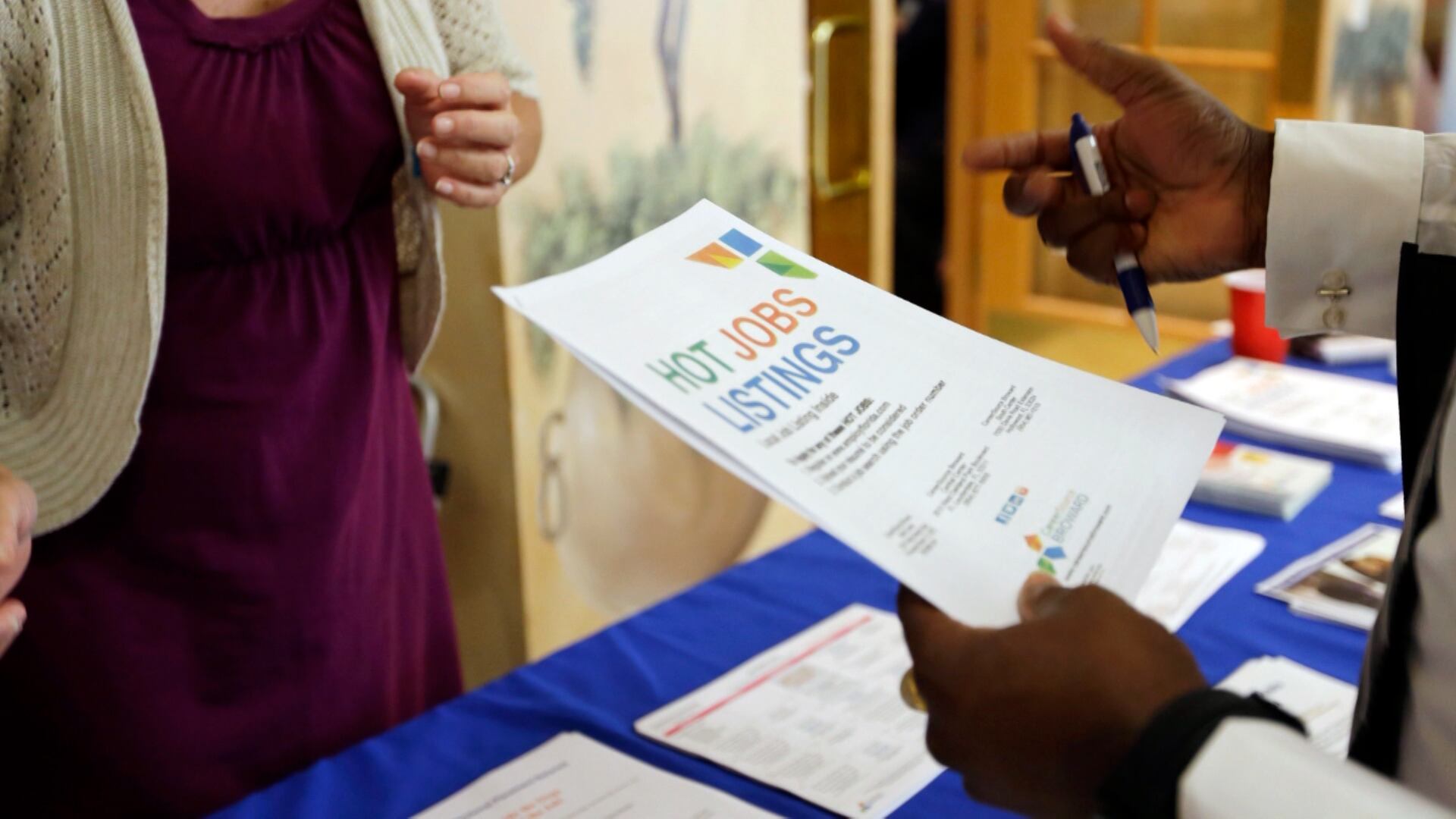
Markets opened higher as investors react to positive data on the labor front, with weekly jobless claims falling to 198,000 for the week ending December 25. Ross Mayfield, investment strategy analyst at Baird joined Cheddar's Opening Bell to discuss the market open.