Federal agencies would be financed for another month under bipartisan legislation approved by the House on Tuesday, the latest emblem of Congress' persistent inability to finish its budget work on time.
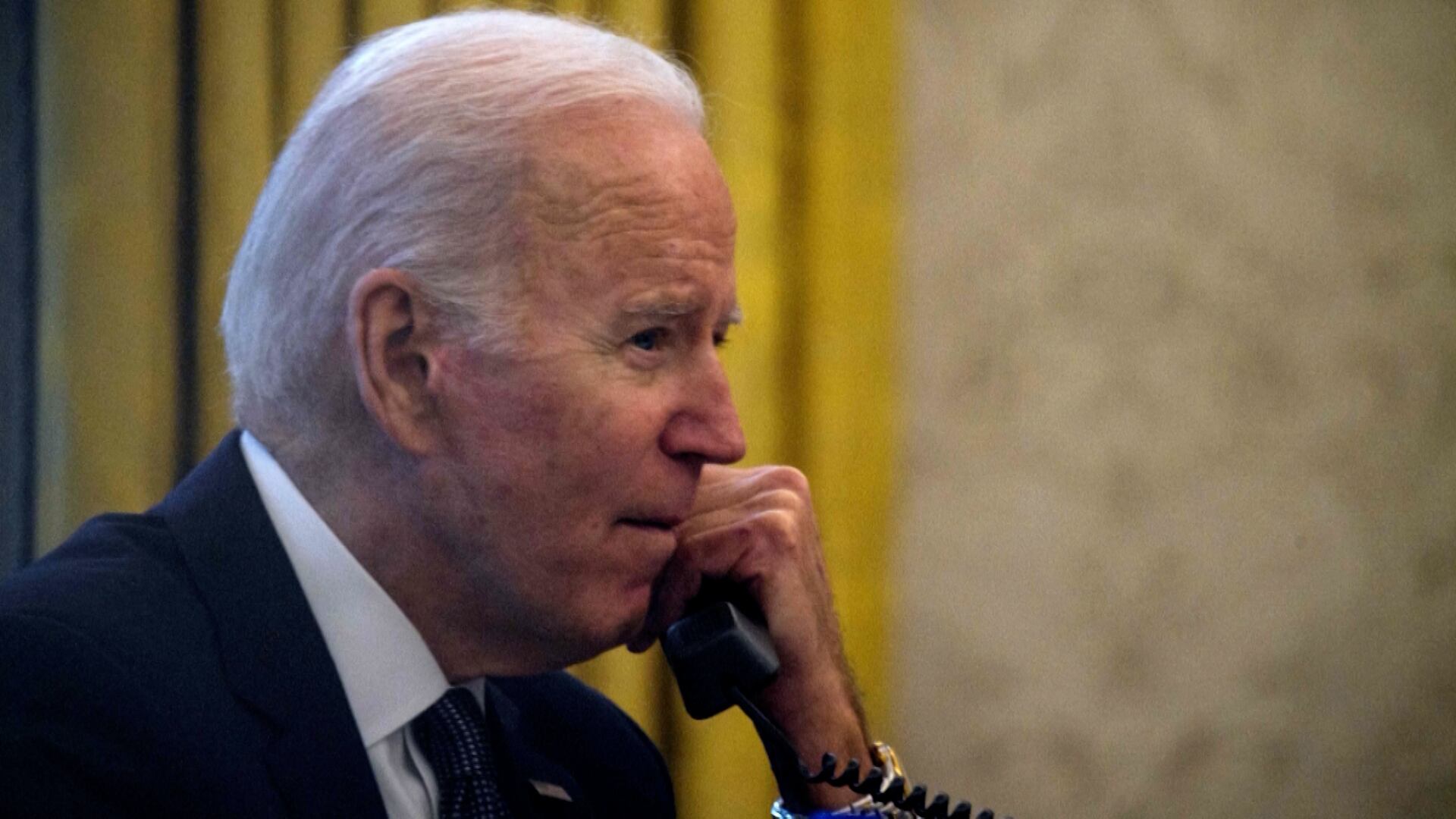
Senate passage, expected perhaps next week, will send the bill to President Joe Biden for his signature. Without that the government would deplete its spending authority on Feb. 18 and have to shutter most of its doors, an election-year embarrassment that neither party wants, and it will not happen.
The bill includes $350 million to address leaking military fuel tanks that have contaminated drinking water near Hawaii's Pearl Harbor, and nearly 6,000 people have complained of illness. The military has moved around 4,000 families into hotels and flown in water treatment systems from the U.S. mainland.
Tuesday's House vote was 272-162. All but one voting Democrat supported the bill, but it was opposed by more than 3 in 4 Republicans, who often use such votes to portray themselves as fiscal conservatives.
The short-term measure would fund government at last year’s levels through March 11. Congressional leaders say they hope that will give bargainers time to reach agreement on overall spending totals, and then write the 12 bills that spell out details on how agencies will spend that money.
Those bills finance everything from the armed forces to programs for education, the environment, veterans and public health. In addition, a portion of the 10-year, $1 trillion infrastructure bill — about $14 billion this year — can't be committed to projects until Congress approves a spending bill formally providing the money.
The government's budget year runs from Oct. 1 through Sept. 30. It's been many years since Congress has finished all its budget bills by Oct. 1 because of partisan fights over priorities.
“No one wins" when Congress has to rely on short-term legislation to finance agencies piecemeal, said Rep. Rosa DeLauro, D-Conn., who chairs the House Appropriations Committee. The top Republican on that panel, Rep. Kay Granger of Texas, said that while no one wants another stopgap bill, “the alternative is much worse" — a reference to a federal shutdown.
Alex Ward, National Security Reporter at Politico, joined Wake Up With Cheddar to discuss the latest in a looming international threat as Russia continues aggression against Ukraine, in defiance of Western nations.
The recent Virginia and New Jersey elections are making one trend line pretty clear: voters in this climate will vote on education, and it could be a winning tactic for Republicans.
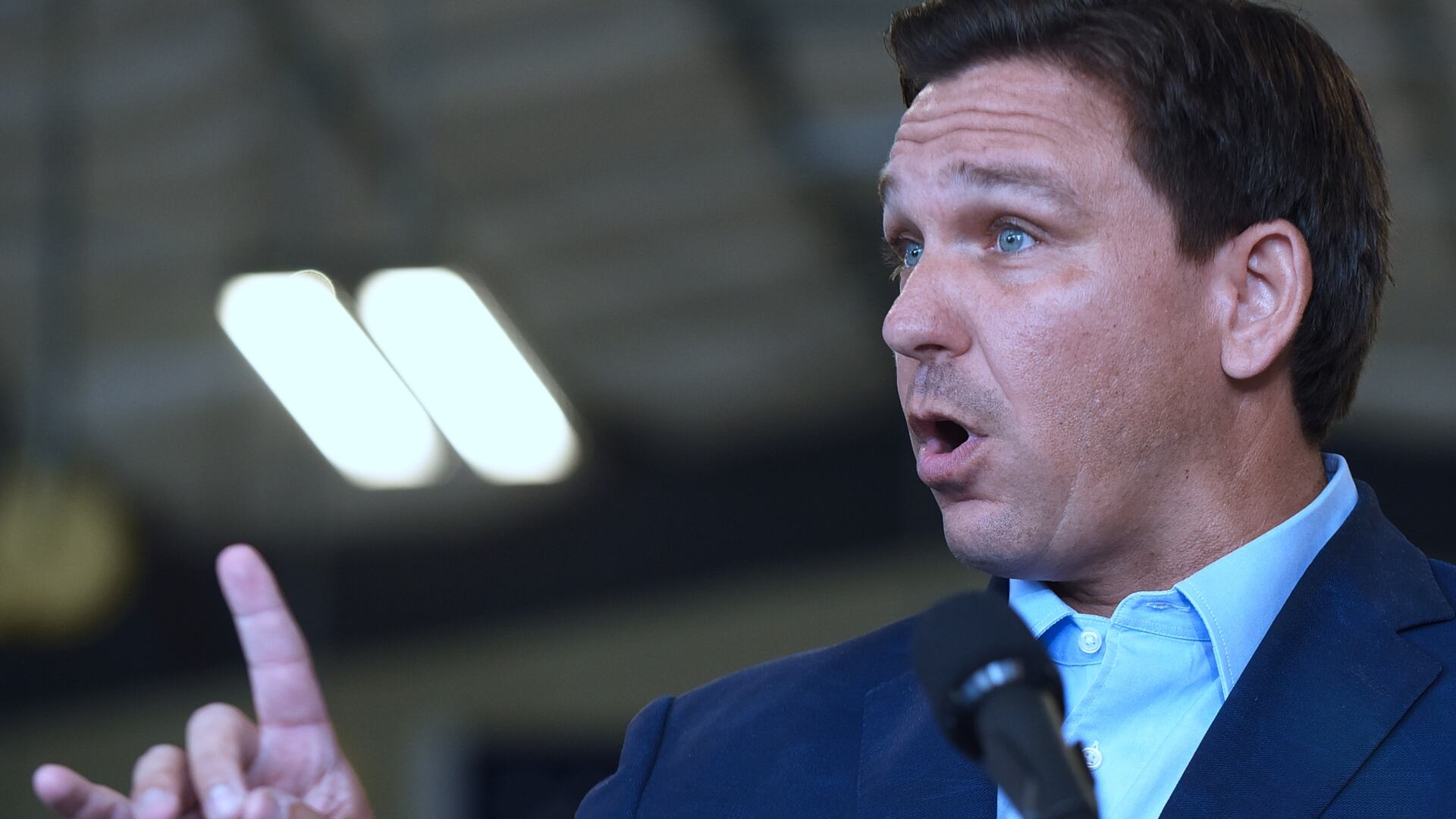
Virginia's race for governor was defined by, as the Republican candidate and eventual winner described it, "school-choice." Florida Governor Ron DeSantis is taking a page out of Governor Youngkin's playbook for his upcoming reelection bid, over-indexing on themes of education. John Kennedy, Florida capital reporter at Gannett, joins Cheddar News to discuss.
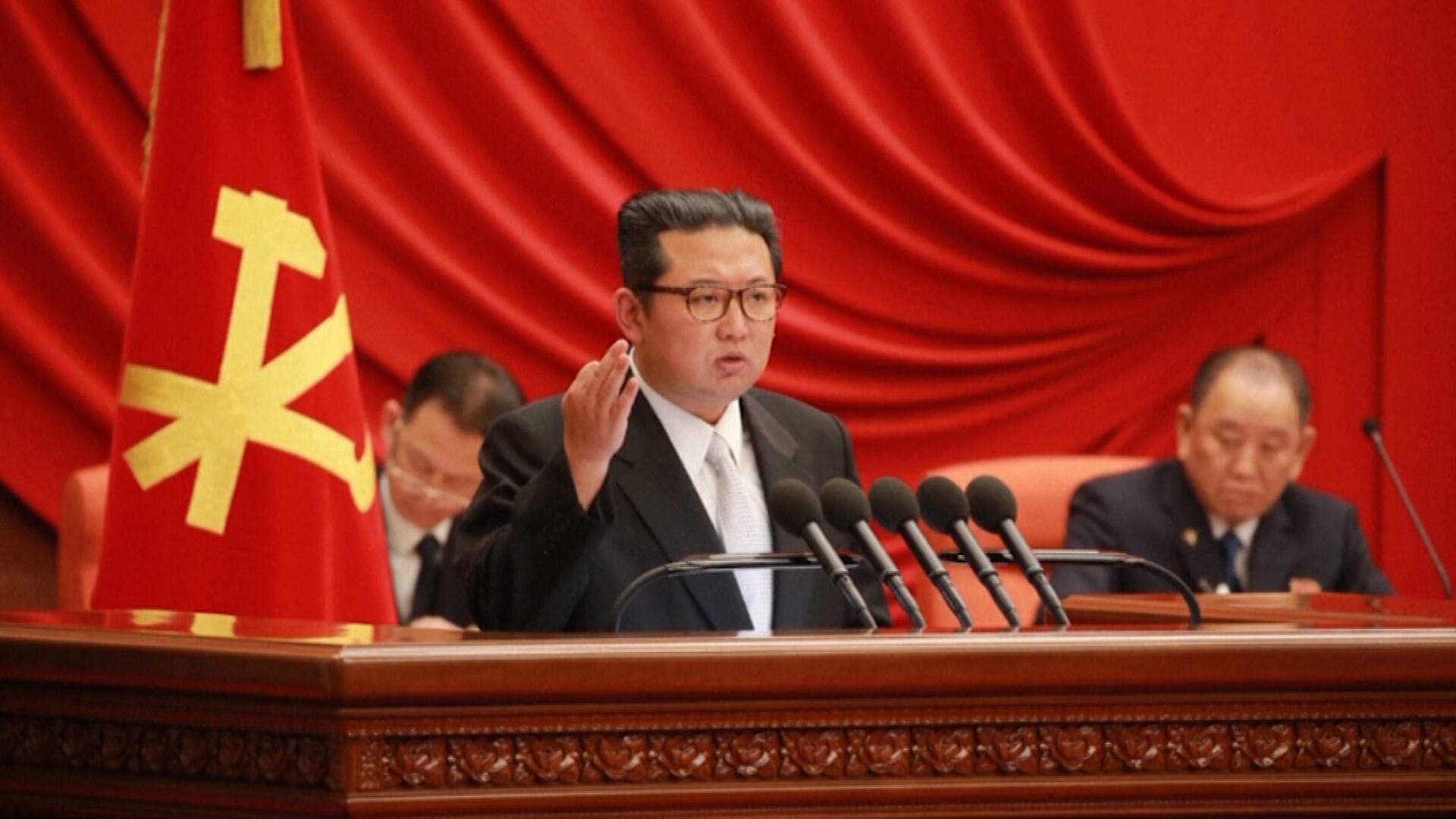
North Korea launched its sixth missile test this month, equaling the total number performed in all of 2021. Cheddar News speaks with Bruce Klinger of the Heritage Foundation on why the regime is suddenly ramping up its weapons testing program.
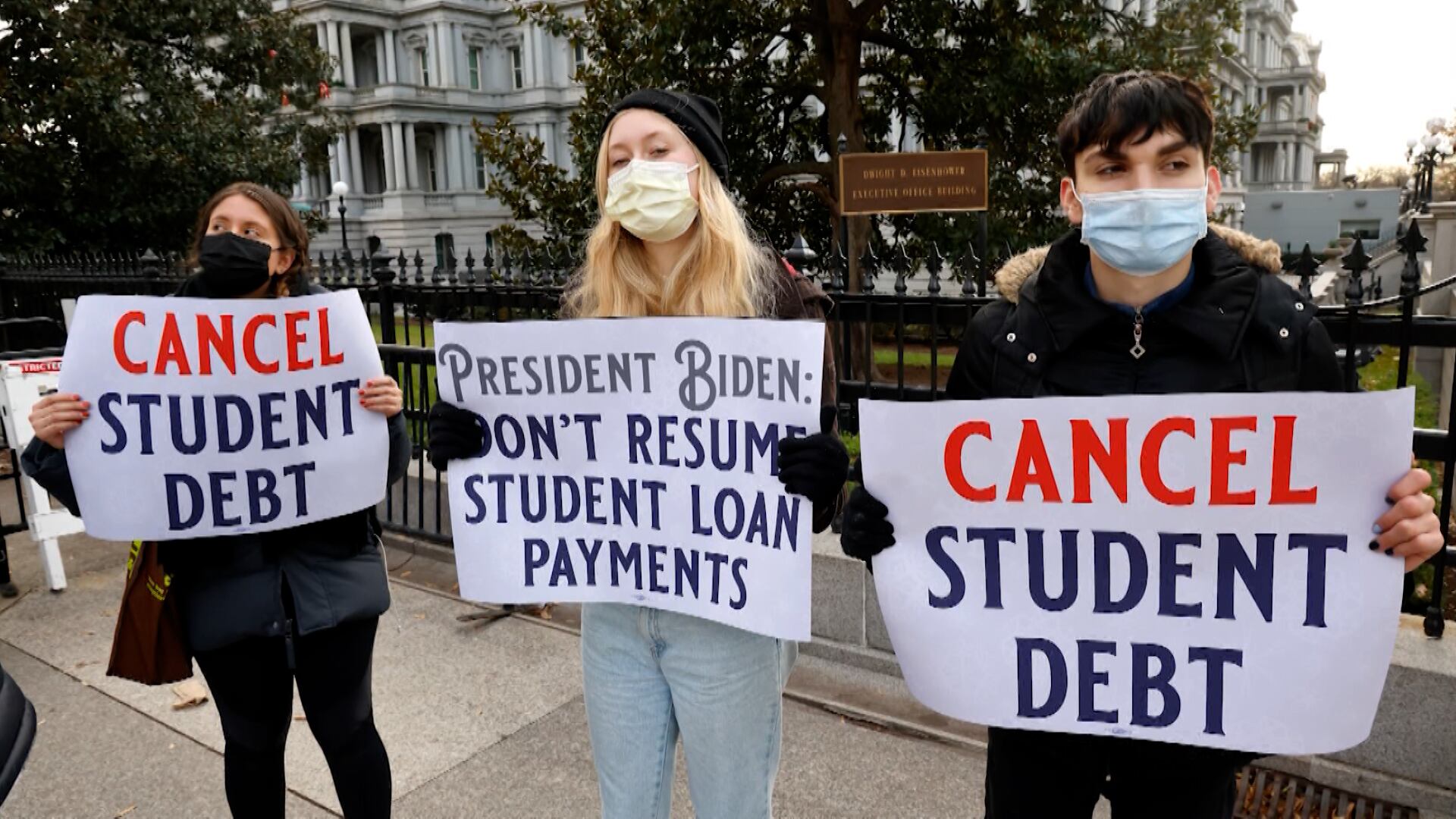
More than 80 lawmakers are calling for President Biden to release a memo outlining the legal pros and cons regarding the president's authority to cancel student loan debt, the total of which sits around $1.75 trillion. Senator Tina Smith (D-Minn.), joined Cheddar to discuss the memo and support the push to forgive student debt that could potentially have a massive positive impact on the U.S. economy. "I think that would be really helpful for all of us to be able to see as we figure out how we can go forward," she said. "It seems like a simple thing to do, and I hope that the administration will release this memo." For her part, Sen. Smith said she believes the president does have the authority to abolish student loan debt.
Dr. Celeste González de Bustamante, professor and director of the Center for Border and Global Journalism at the Univerity of Arizona, and Dr. Jeannine E. Relly, professor and director of Global Initiatives at the Center for Border and Global Journalism at the University of Arizona, join Cheddar News to discuss the recent journalist killings in Mexico.
Joe Kennedy III, a former congressman and co-founder of Give Us the Ballot, joined Cheddar News to discuss voting protections in the United States and how his campaign is aiming to fix the issue of voter suppression. "Yes, redistricting is critical — Give Us the Ballot though recognizes it's 'redistricting, and —', because voting rights has an implication for every single election at every single level: school board, mayor, city council, House of Representatives, Senate, president," he said. Kennedy also gave his thoughts about the retirement of Justice Stephen Breyer.