Ericsson ConsumerLab just released its annual "10 Hot Consumer Trends for 2018" report, providing insight on the biggest consumer tech trends for the coming year. The report hits on underlying shifts behind automation and the creation of a leisure society, social media echo chambers, augmented hearing, and other trends. Michael Bjorn, Head of Research at Ericsson and author of the report, sat down with us to discuss the biggest trends to watch out for.
Bjorn fills us in on what he believes is the most surprising trend. He says we used to have to know how to use the devices, but now the devices know how to use us. As an example, Bjorn highlights face recognition technology and says it could help use your mood or expressions to know how to react.
Emerging tech is scary and alluring at the same time, says Bjorn. One of the scary parts uncovered from his research is that half of the people said they'd be spooked if they couldn’t tell whether communication was coming from a bot or a human. Concerns that privacy is at risk have been rising, but he predicts we’ll see more of a demand for services that protect us as well.
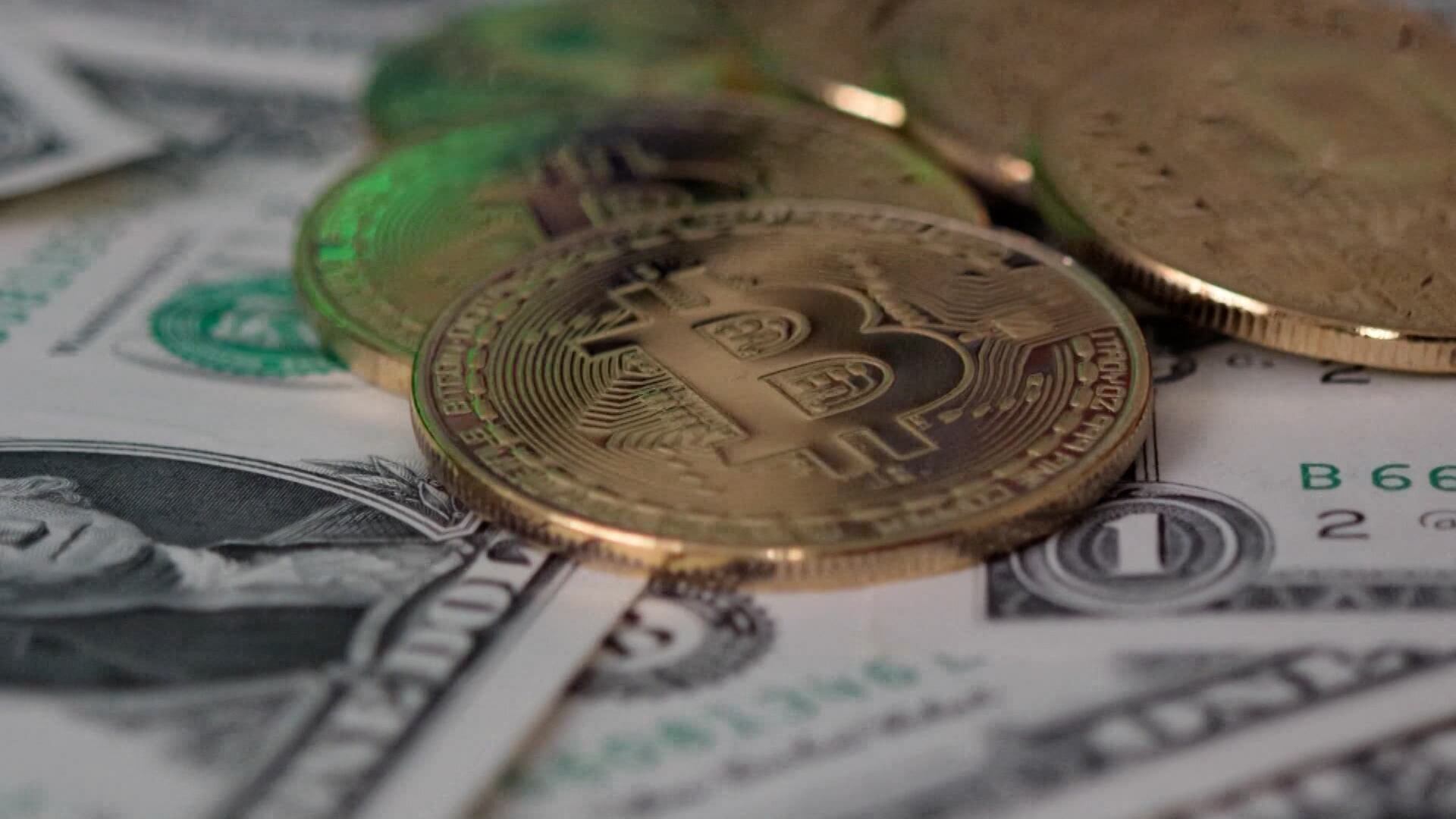
Fold CEO & Co-founder Will Reeves joins Cheddar News' Closing Bell, where he discusses what his company's augmented reality metaverse involves and elaborates on Fold's goals surrounding the new initiative.
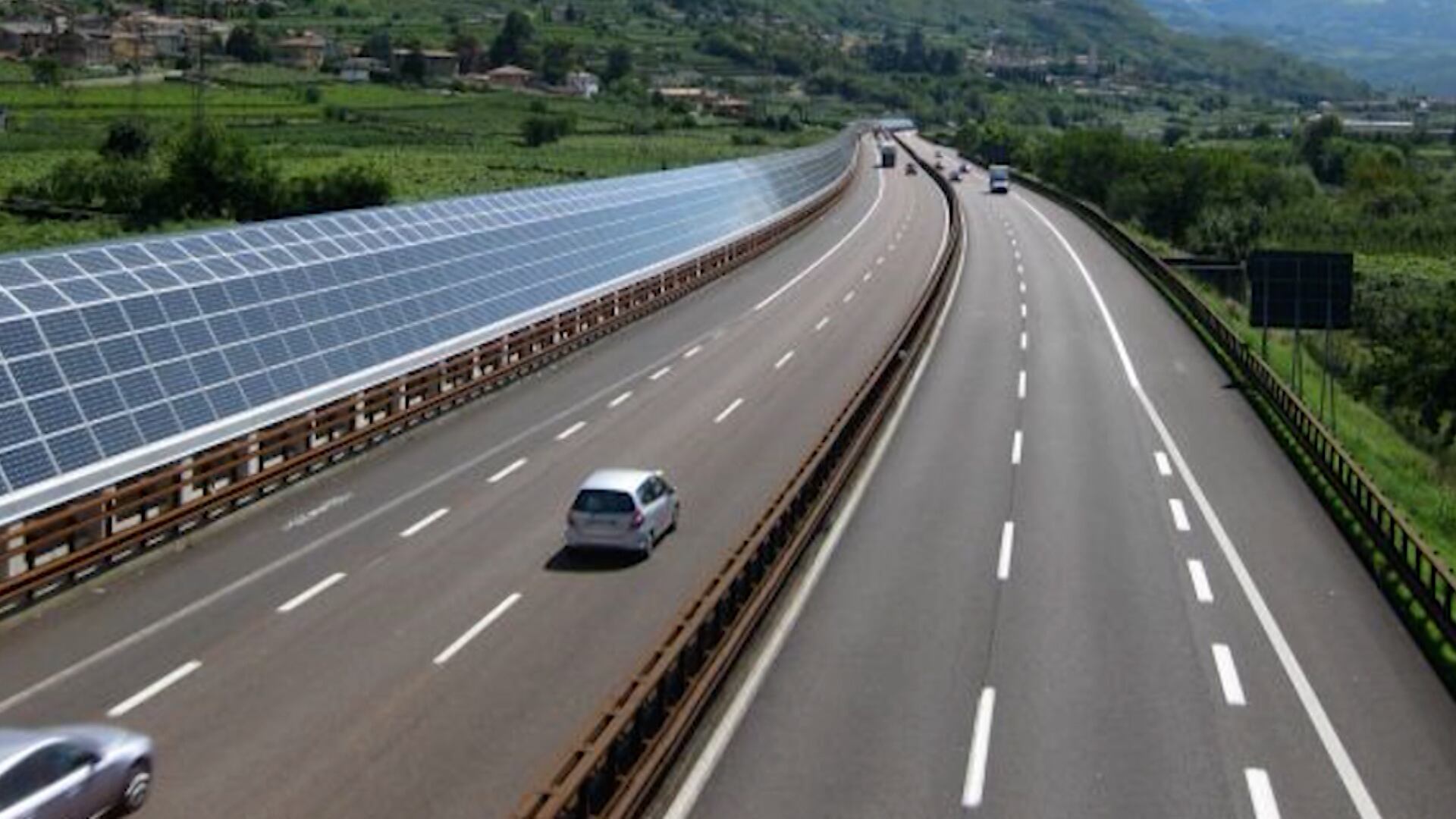
Donald Pettey, Program Manager for Strategic Initiatives for MassDOT, and Mohammed Siddiqui, Vice President of Public Relations at Ko-Solar, join Cheddar Climate, where they discuss their plan to test highway barriers that absorb sound and solar energy, with construction expected to begin in the first half of 2022.
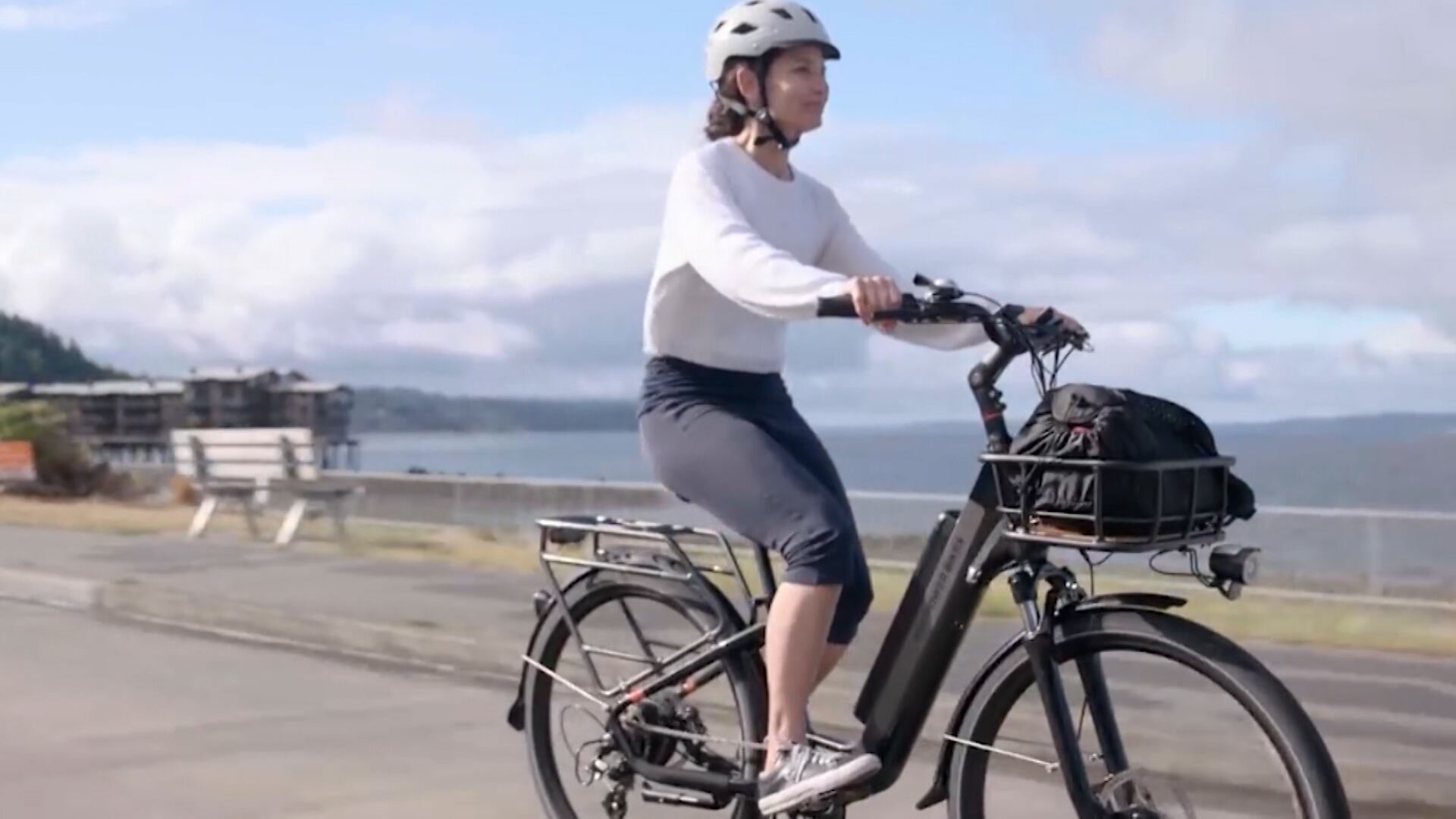
President Joe Biden's "Build Back Better" bill could mean cheaper electric bicycles and scooters as the nation attempts to shift away from gas-powered cars. Noa Banayan, the director of federal affairs at PeopleForBikes, joined Cheddar's "Closing Bell" to provide some background on the E-Bike Act included in Biden's reconciliation bill that would provide tax credits for qualified purchases. "We want to make sure, from the bike industry's perspective, that this is a technology and a product that is available to the majority of Americans who want to lower their carbon footprint and get around town faster and do everything that they would normally do in a short car trip but by bike, because it's healthier, it's fast, it's efficient, you're not in traffic," she said.