Ericsson ConsumerLab just released its annual "10 Hot Consumer Trends for 2018" report, providing insight on the biggest consumer tech trends for the coming year. The report hits on underlying shifts behind automation and the creation of a leisure society, social media echo chambers, augmented hearing, and other trends. Michael Bjorn, Head of Research at Ericsson and author of the report, sat down with us to discuss the biggest trends to watch out for.
Bjorn fills us in on what he believes is the most surprising trend. He says we used to have to know how to use the devices, but now the devices know how to use us. As an example, Bjorn highlights face recognition technology and says it could help use your mood or expressions to know how to react.
Emerging tech is scary and alluring at the same time, says Bjorn. One of the scary parts uncovered from his research is that half of the people said they'd be spooked if they couldn’t tell whether communication was coming from a bot or a human. Concerns that privacy is at risk have been rising, but he predicts we’ll see more of a demand for services that protect us as well.
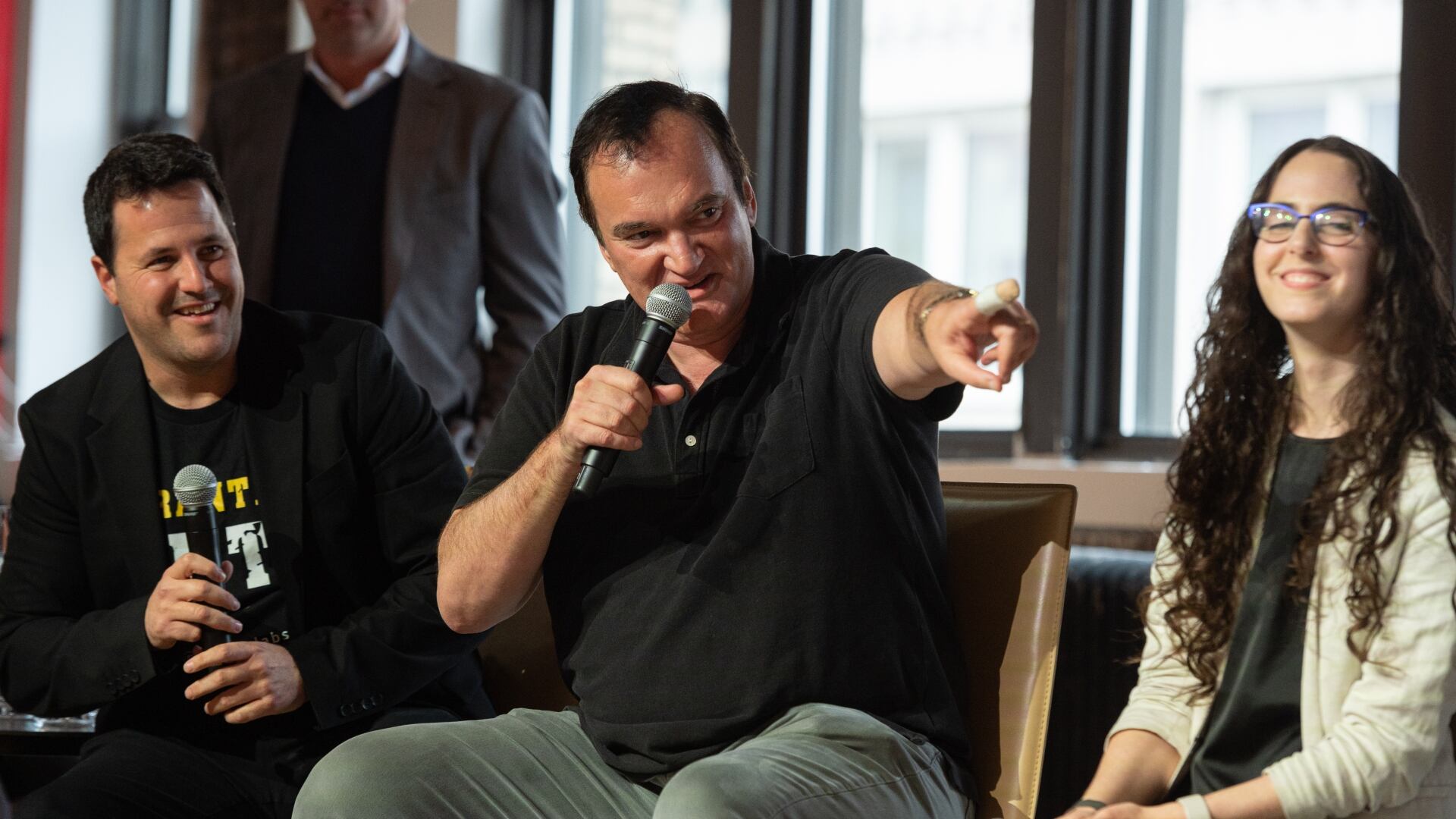
Capitalizing on the NFT hype while riding the rush to all things '90s, tarantino announced earlier this month a planned sale of NFTs based off his hand-written, original script of 'Pulp Fiction.' Days after the announcement, the studio that produced the iconic film, Miramax, filed suit against Tarentino. Kal Raustiala, Professor of comparative and international law at UCA joins Cheddar News.
Sam Burd, president of Dell Technologies Client Solutions Group, joined Cheddar to talk about the firm's Q3 earnings beat and what consumers can expect from the tech company in the future. He noted a return to offices alongside the overall change to how people work as sources for the earnings beat. Burd also discussed how the company has been able to navigate the ongoing global semiconductor chip shortage.
Sarav Arunachalam, air pollution scientist at the University of North Carolina at Chapel Hill, joins Cheddar Climate, where he discusses what he needs to happen when it comes to EV production on a global level to help reduce the effects of climate change.
In recent years, extreme weather events like flooding and wildfires have become more frequent, and more severe - and scientists say global warming is to blame. Climate crises could leave people in need of help, and that's where Global Rescue steps in. The crisis response firm employs former Navy Seals and Army Rangers to rescue travelers from climate-related emergencies. Global Rescue CEO Dan Richards joins Cheddar Climate to discuss.
Cloud-based AI-powered writing assistant Grammarly recently raised $200 million in a funding round that values the company at $13 billion. The funding will be used to help Grammarly achieve its goal of becoming more ubiquitous, as the company says it wants to be the go-to writing assistant for wherever people type. Grammarly also says it aims to solve what it calls one of the most critical problems facing people and businesses today -- ineffective communication. Grammarly global head of product Rahul Roy-Chowdhury joins Cheddar News' Closing Bell to discuss.
The Competition and Markets Authority in the UK moved to block Facebook parent company Meta from acquiring the image sharing platform Giphy after saying advertisers and consumers would be adversely impacted. Hatem Dhiab, managing partner at Gerber Kawasaki Wealth & Investment, joined Cheddar to break down the decision and noted that the CMA's order could also halt other big tech firms from making similar purchases in the future. "I think this is going to be true for Facebook, it's going to happen for other big tech companies — Amazon, perhaps Google, so it's interesting that the UK is starting this wave," he said.