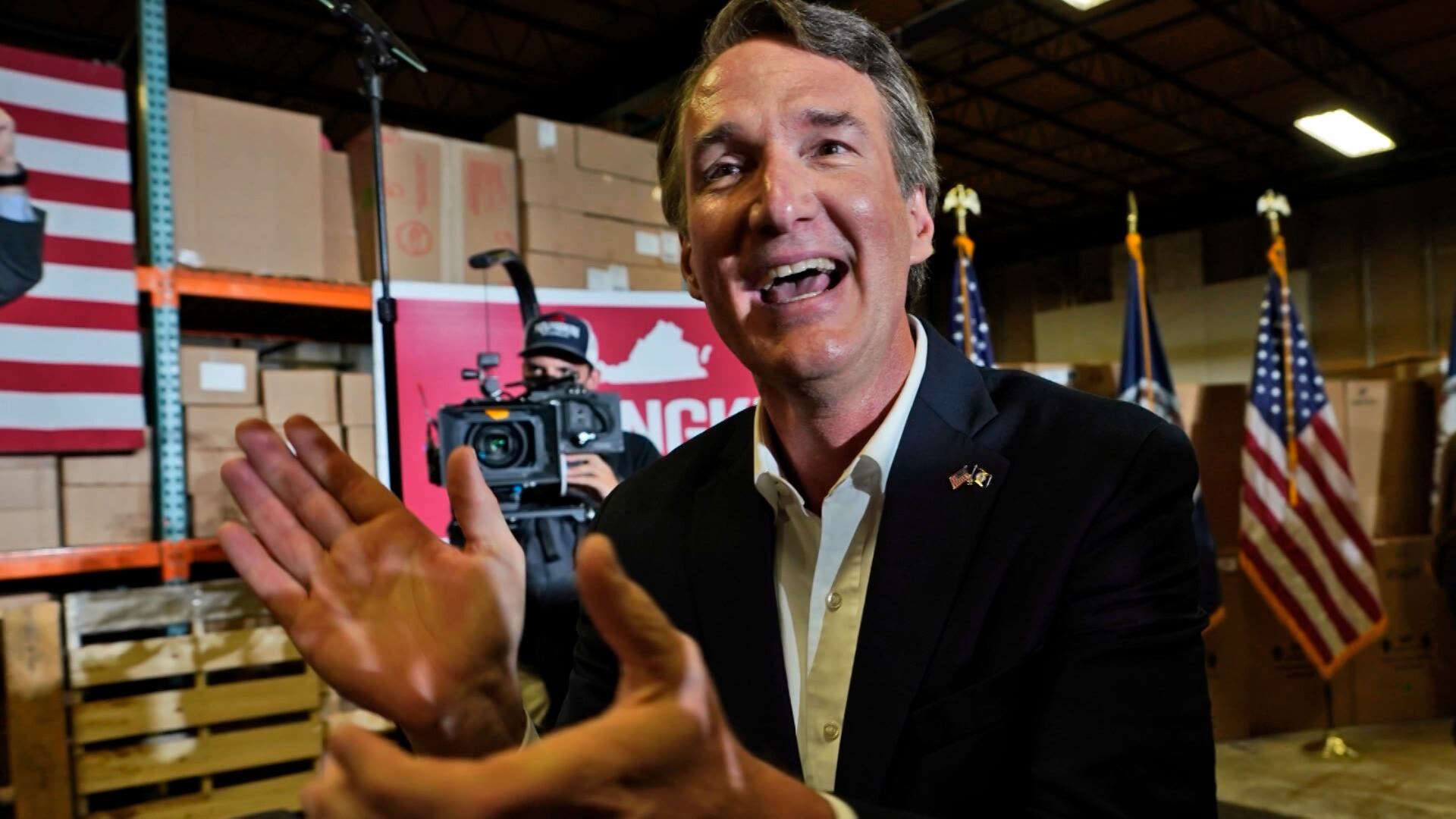
Democratic presidential candidate Rep. Tim Ryan of Ohio knows what happens to a community when a major manufacturer shuts down a local plant. It happened to his constituents when General Motors closed the doors at its plant in Lordstown, Ohio earlier this year.
That's why Ryan told Cheddar that he's so focused on making sure American workers are prepared for the future of manufacturing and wants to drive investment in the electric vehicle market.
"How do we work with the private sector to dominate the electric vehicle market?" he said Wednesday. "There's going to be 10 million electric vehicles made in the next 10 years. I want half of those made in the United States. [You've] got to have an agenda, someone engineering how we are going to do that."
On the debate stage Tuesday night, Ryan unleashed his plan to create a new Cabinet role in the White House: Chief Manufacturing Officer.
He later told Cheddar the role would "help us organize how we dominate sectors in the economy," through industries like wind, solar, and electric vehicles. It would all be incorporated to reverse climate change, he said.
"I don't like the fact that this system is so screwed up, that General Motors cuts workers, closes plants, and their stock price goes up," Ryan said. "That's a busted system that we need to fix."
Ryan's district is far from the only American town that has faced hardship from closed plants and massive layoffs. This week GM is shutting the doors at a transmission plant in Warren, Michigan, a short drive away from the Democratic primary debate stage in Detroit.
Nevertheless, the 1,300 jobs that will be cut at the Warren plant did not dominate the discussion at the presidential debate in the Motor City.
Rather, it was health care, and 2020 dems were widely split on their plan for Americans. Senators Sanders and Warren pushed their progressive plan to take away private insurance and implement a single-payer Medicare-for-All plan.
Ryan is concerned that that abolishing the private option will hurt the union workers he has fought for as a U.S. Congressman in a struggling auto manufacturing district.
In fact, during the debate, CNN moderator Jake Tapper told Sen. Bernie Sanders (I-Vt.) that more than 6,000 union members in Michigan would have to give up their private insurance plan if his plan to abolish private insurance went through. Sanders responded that his plan would be "better."
Ryan quickly interrupted, saying, "You don't know that."
In what became one of the most memorable moments of the debate, Sanders stated: "I do know that - I wrote the damn bill."
Even ahead of this week's debate, labor unions have been weighing in on the issue of health care.
In a statement to ThinkProgress, UAW spokesman Brian Rothenberg said, "The UAW is focused on the millions of American's [sic] that face peril over anti-worker court challenges to the ACA that can negatively impact the economy and jobs."
Rothenberg added, "Regardless of how this sorts out, the ACA is an important first step, and the UAW has a historic role in working toward health care as a right and not a privilege for all Americans."
To Cheddar, Ryan said of Sanders' plan, these sorts of ideas are "dangerous." He went on to say, "Our focus needs to be on helping working class people make ends meet."