Democratic presidential candidate Rep. Tim Ryan of Ohio knows what happens to a community when a major manufacturer shuts down a local plant. It happened to his constituents when General Motors closed the doors at its plant in Lordstown, Ohio earlier this year.
That's why Ryan told Cheddar that he's so focused on making sure American workers are prepared for the future of manufacturing and wants to drive investment in the electric vehicle market.
"How do we work with the private sector to dominate the electric vehicle market?" he said Wednesday. "There's going to be 10 million electric vehicles made in the next 10 years. I want half of those made in the United States. [You've] got to have an agenda, someone engineering how we are going to do that."
On the debate stage Tuesday night, Ryan unleashed his plan to create a new Cabinet role in the White House: Chief Manufacturing Officer.
He later told Cheddar the role would "help us organize how we dominate sectors in the economy," through industries like wind, solar, and electric vehicles. It would all be incorporated to reverse climate change, he said.
"I don't like the fact that this system is so screwed up, that General Motors cuts workers, closes plants, and their stock price goes up," Ryan said. "That's a busted system that we need to fix."
Ryan's district is far from the only American town that has faced hardship from closed plants and massive layoffs. This week GM is shutting the doors at a transmission plant in Warren, Michigan, a short drive away from the Democratic primary debate stage in Detroit.
Nevertheless, the 1,300 jobs that will be cut at the Warren plant did not dominate the discussion at the presidential debate in the Motor City.
Rather, it was health care, and 2020 dems were widely split on their plan for Americans. Senators Sanders and Warren pushed their progressive plan to take away private insurance and implement a single-payer Medicare-for-All plan.
Ryan is concerned that that abolishing the private option will hurt the union workers he has fought for as a U.S. Congressman in a struggling auto manufacturing district.
In fact, during the debate, CNN moderator Jake Tapper told Sen. Bernie Sanders (I-Vt.) that more than 6,000 union members in Michigan would have to give up their private insurance plan if his plan to abolish private insurance went through. Sanders responded that his plan would be "better."
Ryan quickly interrupted, saying, "You don't know that."
Even ahead of this week's debate, labor unions have been weighing in on the issue of health care.
In a statement to ThinkProgress, UAW spokesman Brian Rothenberg said, "The UAW is focused on the millions of American's [sic] that face peril over anti-worker court challenges to the ACA that can negatively impact the economy and jobs."
Rothenberg added, "Regardless of how this sorts out, the ACA is an important first step, and the UAW has a historic role in working toward health care as a right and not a privilege for all Americans."
To Cheddar, Ryan said of Sanders' plan, these sorts of ideas are "dangerous." He went on to say, "Our focus needs to be on helping working class people make ends meet."
2021 saw markets continue to be impacted by the onslaught of the coronavirus pandemic -most recently in the form of the Omicron variant- in addition to the global supply chain shortage, and increased inflation. But it wasn't all bad news, as crypto soared throughout the year, and meme stocks continued to have a moment. With the year coming to a close, investors are keeping an eye out to see if they should expect more of the same in the new year. Chris Vecchio, Senior Analyst, at DailyFX tells us what market trends to be on the watch for in 2022.
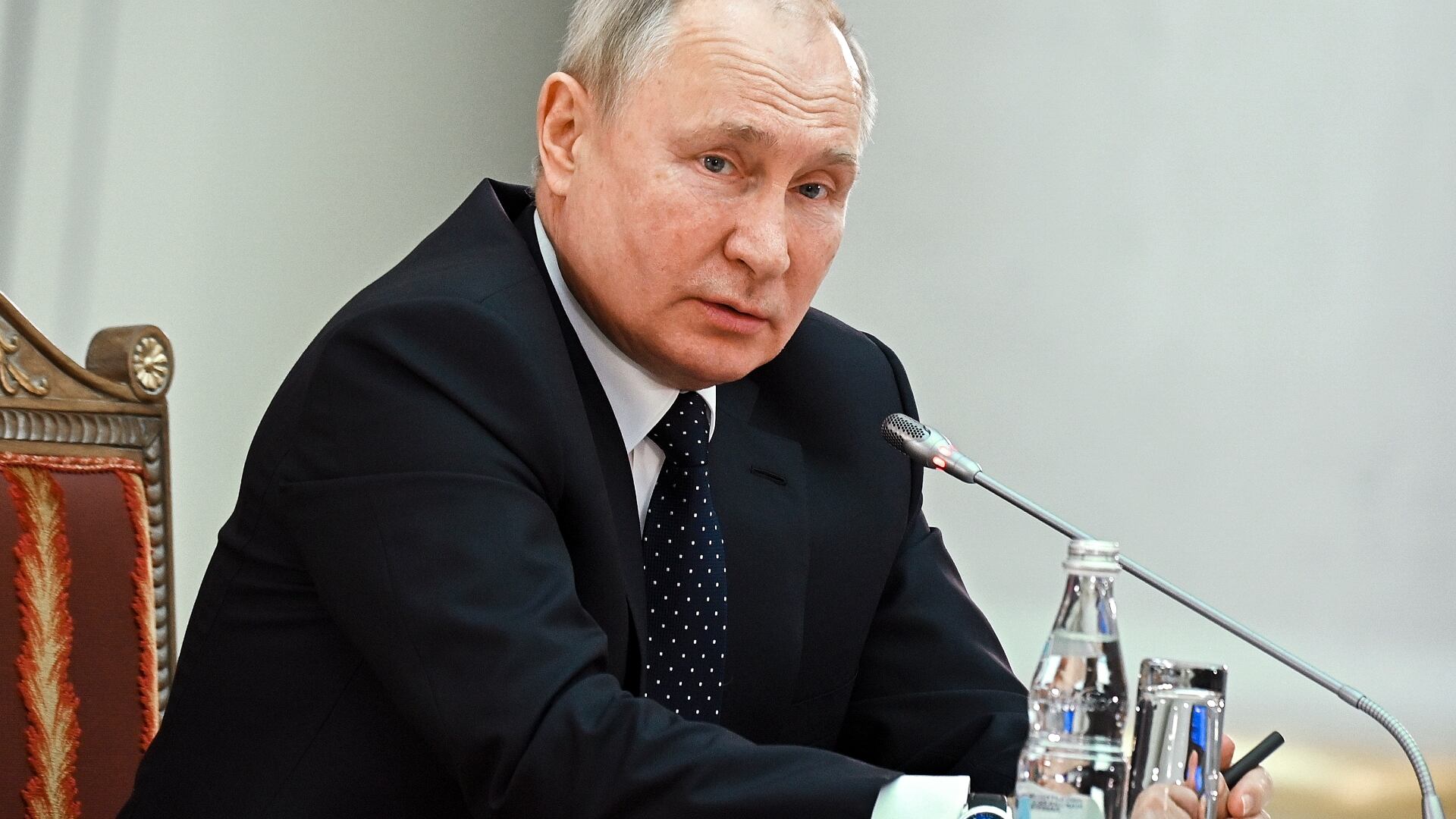
Matt Hayden, vice president of govtech solutions at Exiger and a former assistant secretary of cyber at Department of Homeland Security, joined Cheddar to discuss the surprise phone call initiated by Russian President Vladimir Putin to President Joe Biden, ahead of January security talks about the rising tensions over Ukraine. "We're hoping to hear that we're able to talk about the aggression and the leadup of the Ukrainian militarization," Hayden said. "But we're also looking to hear is how the Kremlin leveraged their talking points to try to test their negotiation stance with the United States leading into this January 10th meeting."
The No Surprises Act begins implementation on January 1, 2022. The legislation is meant to curb the practice of unexpected billing for care from providers the patient was unaware were out-of-network from their insurance. Patricia Kelmar, director of health care campaigns for U.S. PIRG joined Cheddar to describe the hundreds, sometimes thousands, of dollars charged to unsuspecting patients and how things will change under the new law. "If we are picking an in-network doctor and an in-network hospital, we should not see those added costs from anesthesiologists, radiologists, scrub-in surgeons," she said. "The other area it protects you is in air ambulances — not ground ambulances, unfortunately — but the helicopters or the airplanes you might need to transport you in an emergency situation."
President Joe Biden and Russian President Vladmir Putin are expected to have another conversation surrounding escalating tensions between Russia and Ukraine. Ariel Cohen, senior fellow at the Atlantic Council, joined Cheddar's Ken Buffa to discuss the ongoing tensions and why Putin's request for a conversation with Biden comes now. "This is very serious. This is the worst security crisis we had since the collapse of the Soviet Union," Cohen told Cheddar.
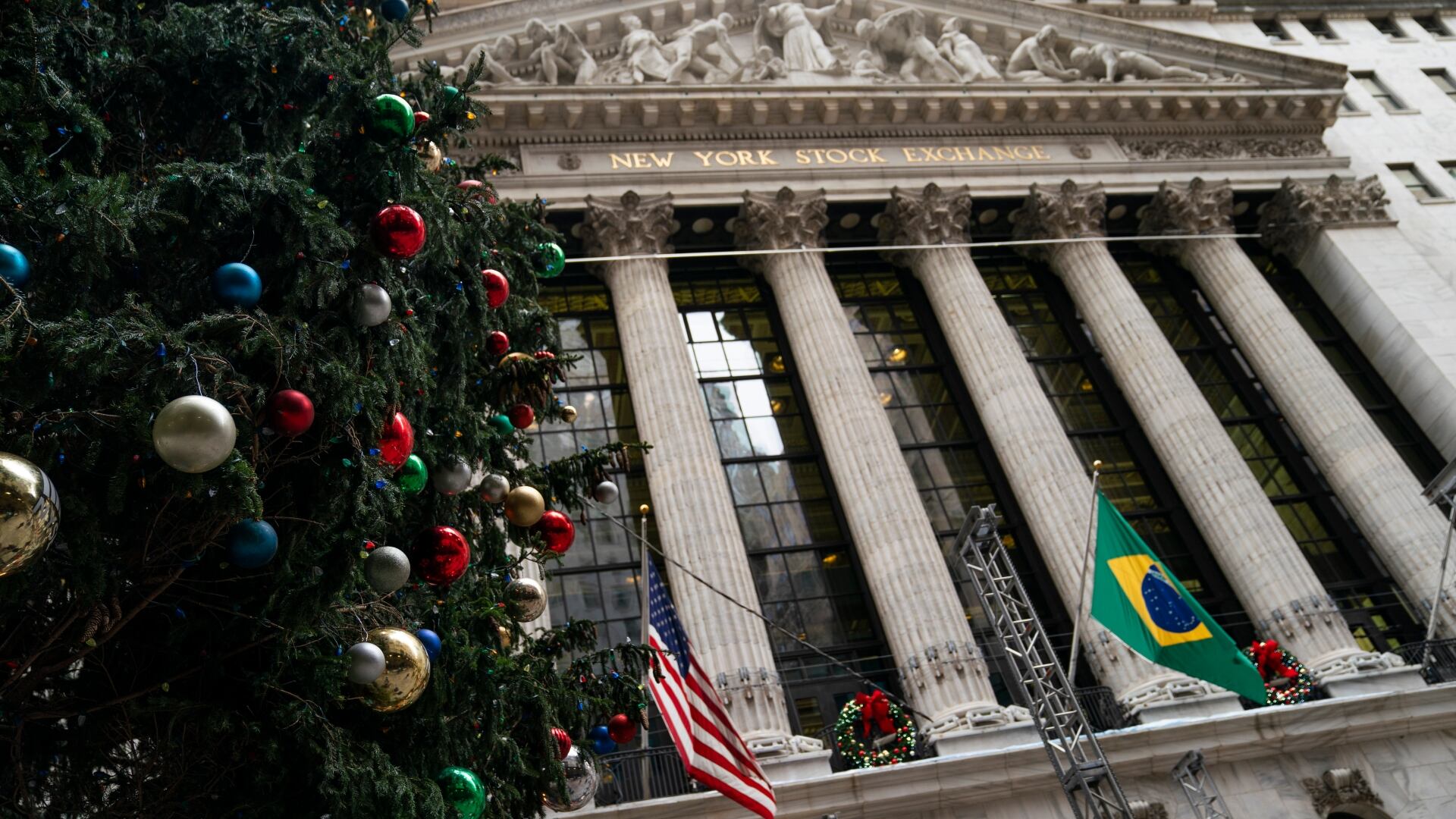
Stocks closed mixed on Wednesday, but two indexes - the Dow and the S&P 500 - ended the session with a new record. Akshata Bailkeri, Equity Analyst at Bruderman Asset Management, joins Cheddar News' Closing Bell, where she says there is a consensus for robust consumer spreading in 2022, especially as the Omicron variant is proving to be milder than other COVID-19 strains.