This week marks the ninth week of protests across the country as demonstrators demand tangible changes to the racial divides that have plagued the U.S. since its inception. Along with calls for equality have been calls to defund police, who are often seen as enforcing laws unequally.
However, Pastor Miles McPherson said accepting people's differences needs to be the goal, rather than choosing sides, like pro- or anti-police.
The NFL player-turned-pastor's 2018 book The Third Option: Hope For a Racially Divided Nation has regained national attention as people look for ways to sort through ethnic, racial, and other cultural differences that are tearing at the seams of America's social stability.
"The third option, which is what the book is about: how do we honor and give value to what we have in common? We have more similarities than differences," McPherson told Cheddar.
McPherson, the pastor of Rock Church in San Diego, California, said that there are ways for people to avoid offensive "blind spots" they may have in order to improve relations among people with varying backgrounds.
"If we can come to the table and talk about the things that we agree on, start with those things versus focusing on the differences we have, we can make more headway," he explained.
Racial division in America is practically embedded in the genetic makeup of the country, but for McPherson, the path to understanding isn't in avoiding differences but embracing and respecting them.
"If you have people in your life that are of a different ethnicity than you, different culture, the best thing to do is to sit down and ask if there are things about you that are offensive that you don't know about," he said.
For McPherson, the father and son of police officers, improving relationships between communities and police departments is also important because he understands how mischaracterizations based on job association or racial makeup can cause even more division.
"I think it's very important for us to not categorize a group of people as all bad or all good," he said. "There are good cops and bad cops."
Perhaps the most critical point for social progression in America, according to McPherson, is allowing people to "make mistakes" as we're "all on a journey" to understanding and accepting our differences.
"If we can give each other that grace, we can get further down the road," he said.
Low-code app development platform Crowdbotics raised $22 million in a Series A funding round led by Jackson Square Ventures. Crowdbotics has helped more than 14,000 customers launch apps without having to learn how to code. The company can offer a team of expert developers to help companies launch custom apps, or provide the means for companies to develop apps themselves. Crowdbotics CEO Anand Kulkarni joined Cheddar News' Closing Bell to discuss.
Dr. Celeste González de Bustamante, professor and director of the Center for Border and Global Journalism at the Univerity of Arizona, and Dr. Jeannine E. Relly, professor and director of Global Initiatives at the Center for Border and Global Journalism at the University of Arizona, join Cheddar News to discuss the recent journalist killings in Mexico.
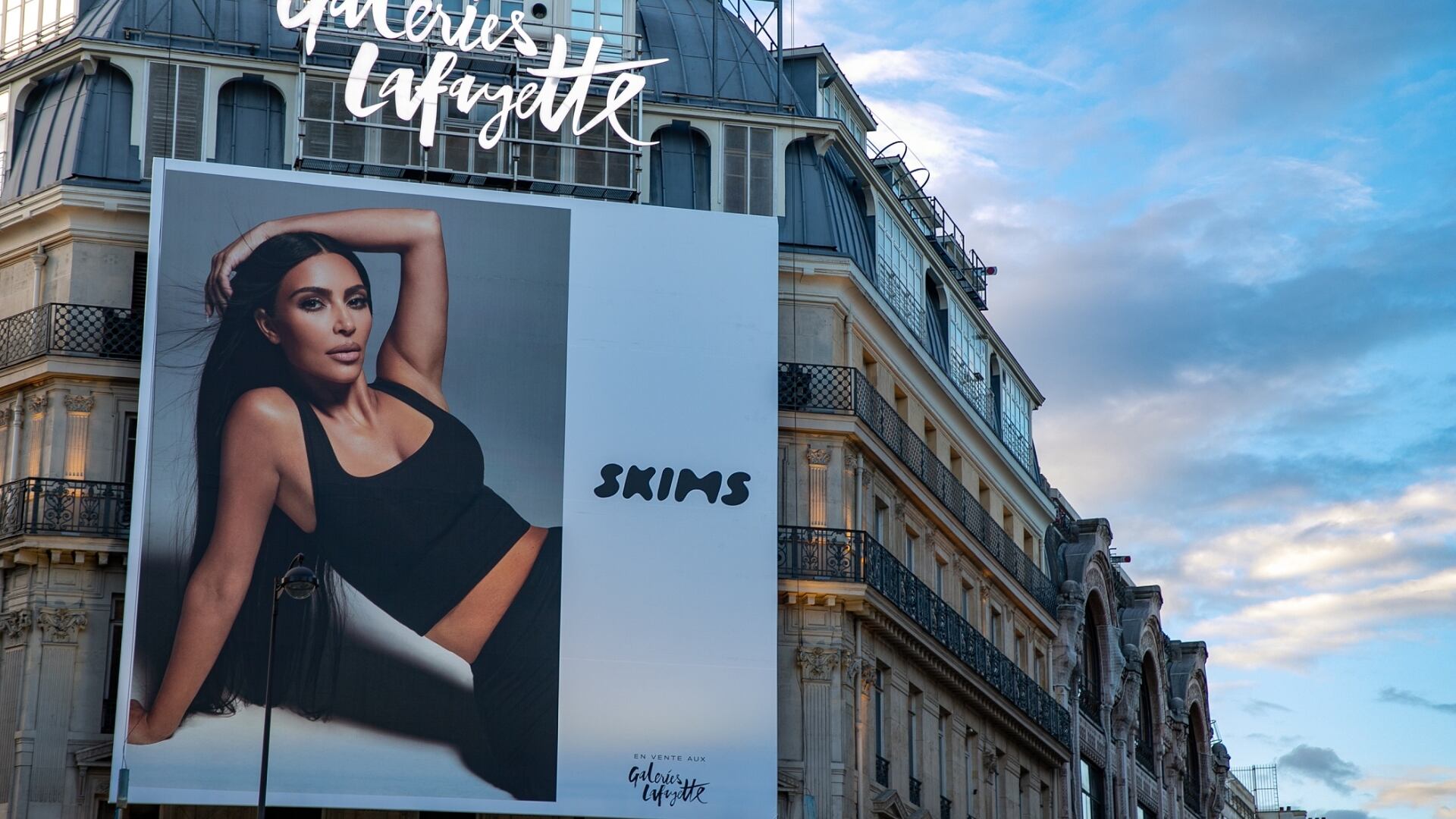
Kim Kardashian’s shapewear brand Skims has doubled its valuation to $3.2 billion. Investors have taken a bet on the success of this brand in the form of fresh funds for the two-year-old company.
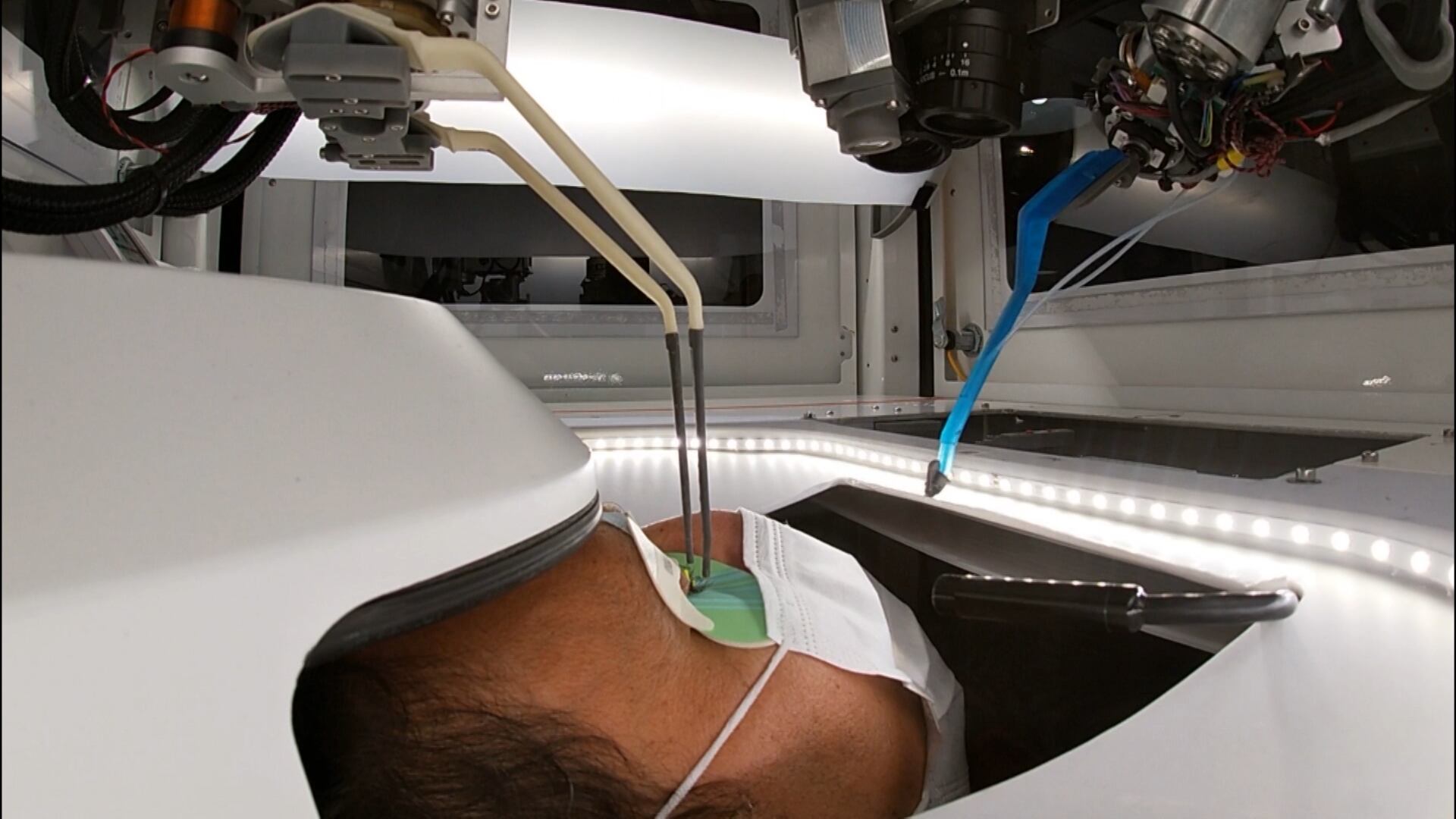
Nathan Harding, CEO of Luum, joins Cheddar Innovates to discuss the process of having a robot put on eyelash extensions, and how automation is making its way into the beauty industry
Kevin Yu, Founder and CEO of Sidechef, joins Cheddar Innovates to discuss how it's building a platform to make recipe shopping easy, and how its features help you discover new recipes with the same ingredients to fight the massive problem of food waste.
On this episode of Cheddar Innovates: Sidechef CEO breaks down how it's building a platform to make recipe shopping easy; Luum CEO explains the process of having a robot put on eyelash extensions; A look at Curiosity Stream's new original series, 'Evolve.'
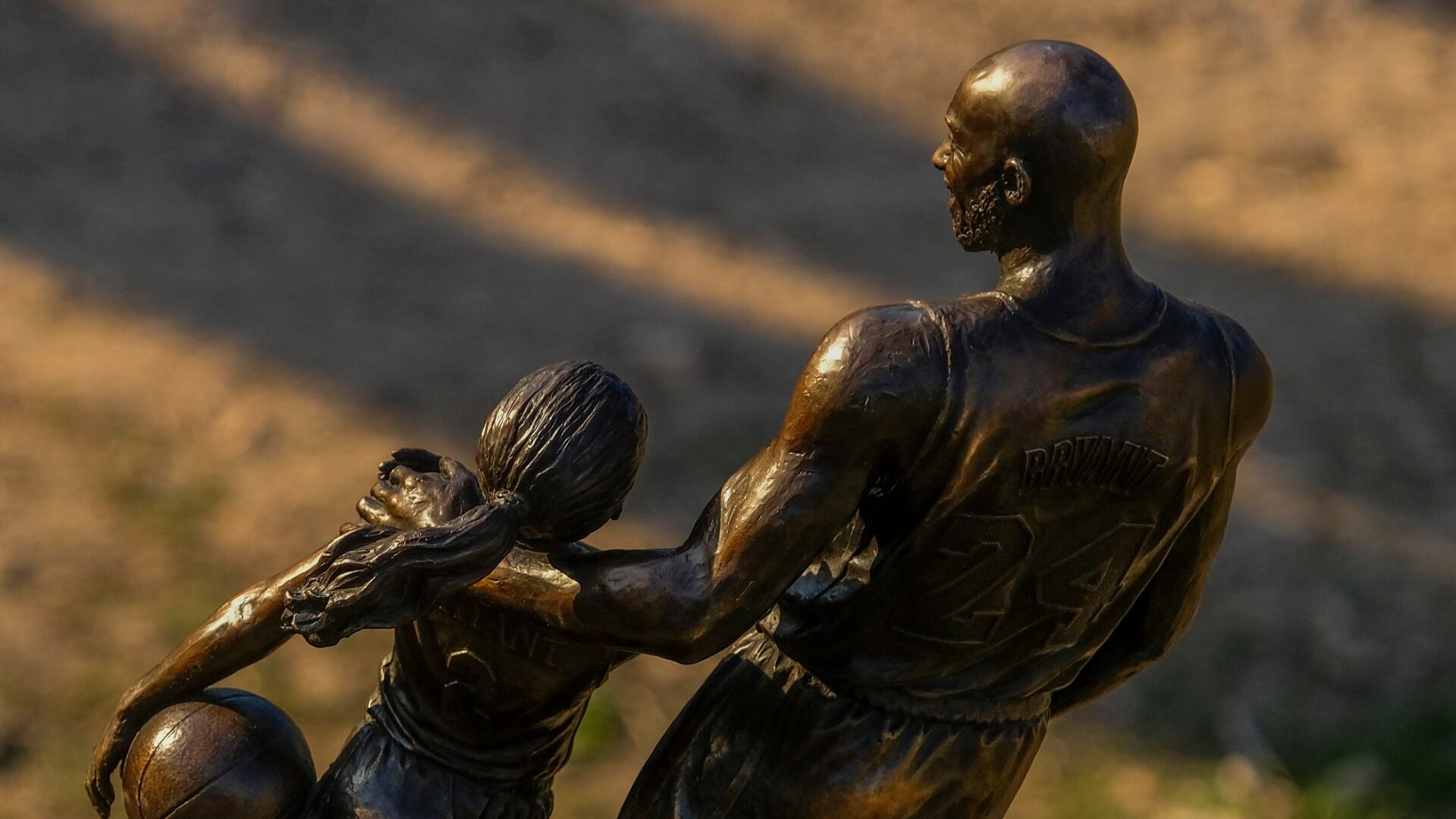
Wednesday marked two years since the basketball legend Kobe Bryant, his daughter Gianna, and seven others died in a tragic helicopter crash. In remembrance, a bronze statue has been temporarily placed at the site with all of the passenger's names included on the memorial.
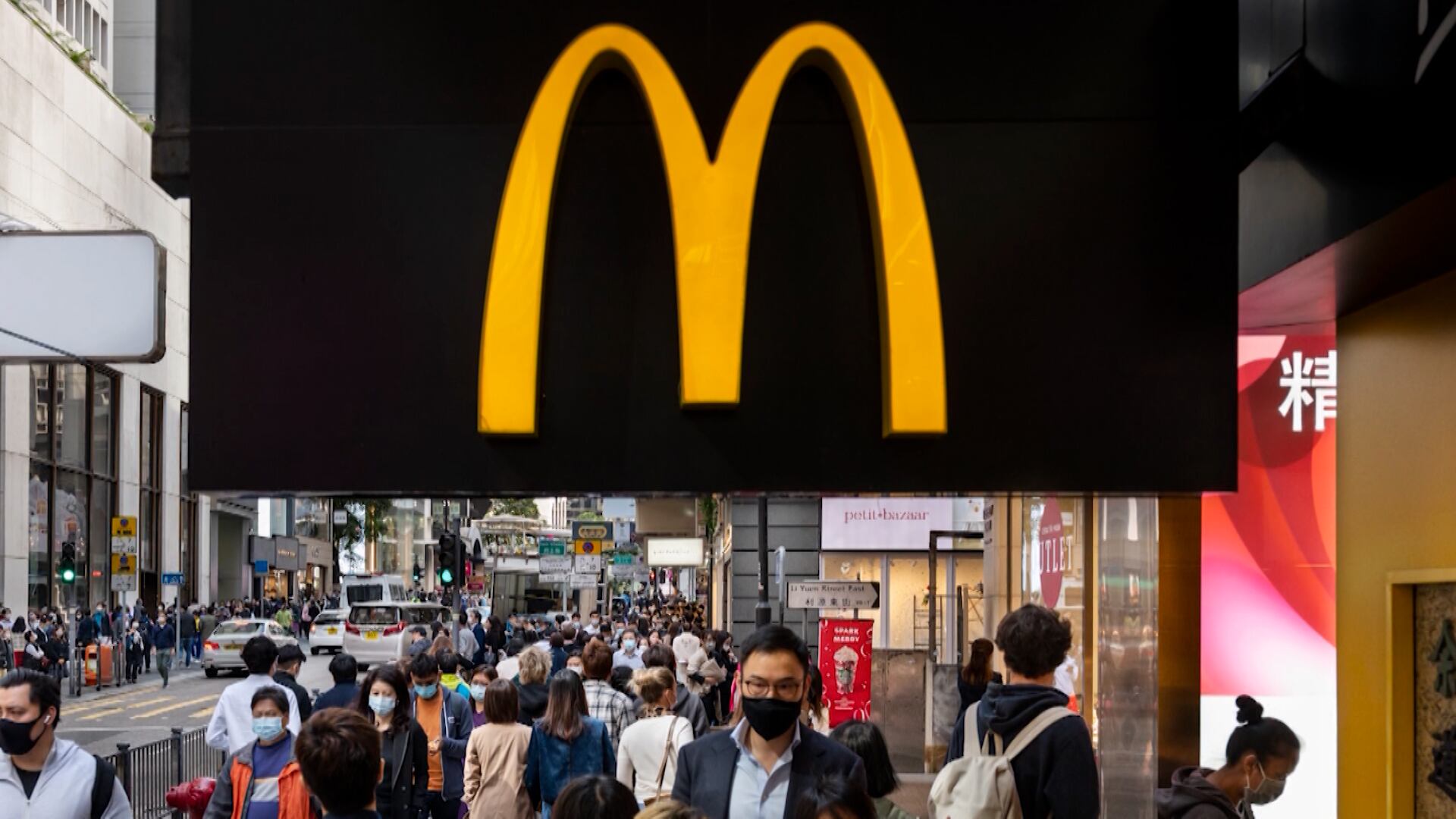
McDonald's missed on both the top and bottom lines in its Q4 earnings, marking the fourth loss for the fast-food giant in the past eight quarters. It comes as higher costs from food to wages ate into the blue-chip company's profits. George Seay, CEO of investment advisor Annandale Capital, joined Wake Up with Cheddar to discuss the recent numbers and the better-than-expected success of the McPlant burger made with plant-based Beyond Meat. "They're changing with the times, and they have to," Seay noted. "You can just sell a Big Mac to everybody. There's a lot of people who don't want to eat a Big Mac anymore."