Home Depot said Tuesday it’s investing $1 billion in wage increases for its U.S. and Canadian hourly workers.
The Atlanta-based home improvement chain said every hourly employee will get a raise starting this month. Starting pay will be at least $15 per hour in all markets.
Home Depot is one of many big retailers who have raised pay to attract workers in a strong U.S. job market, where unemployment is at its lowest level since 1969. Walmart announced in January that it would be raising its hourly wage to an average of $17.50, while Target invested $300 million in hourly wage increases last year.
The pay raises could also help Home Depot head off a fledgling campaign to unionize its stores, which it opposes. Workers at a Home Depot in Philadelphia filed to hold a union election last September, saying workers weren’t benefiting from Home Depot’s strong sales and stores were understaffed. Workers at the store voted to reject the union in November.
Home Depot employs 437,000 people in the U.S. and 34,000 in Canada. The vast majority are hourly employees, the company said. The company operates 2,000 stores in the U.S. and 182 stores in Canada.
“This investment will help us attract and retain the best talent into our pipeline,” Home Depot’s Chairman, President and CEO Ted Decker wrote in an email to employees. Decker noted that 90% of the chain’s store leadership started as hourly workers.
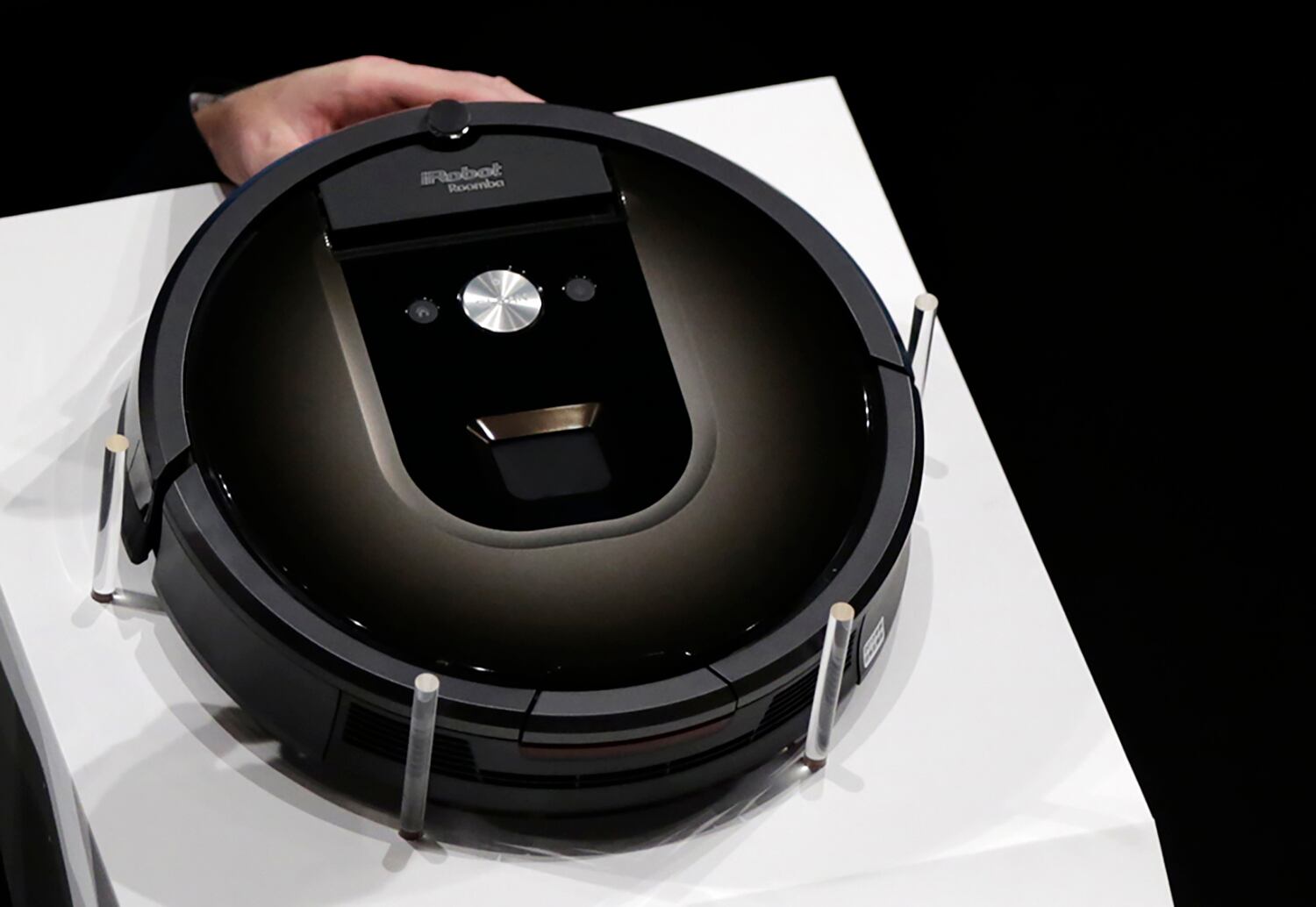
Amazon blamed "regulatory hurdles" for calling off its proposed acquisition of robot vacuum maker iRobot. Not even a Roomba could clean up the deal's antitrust scrutiny.
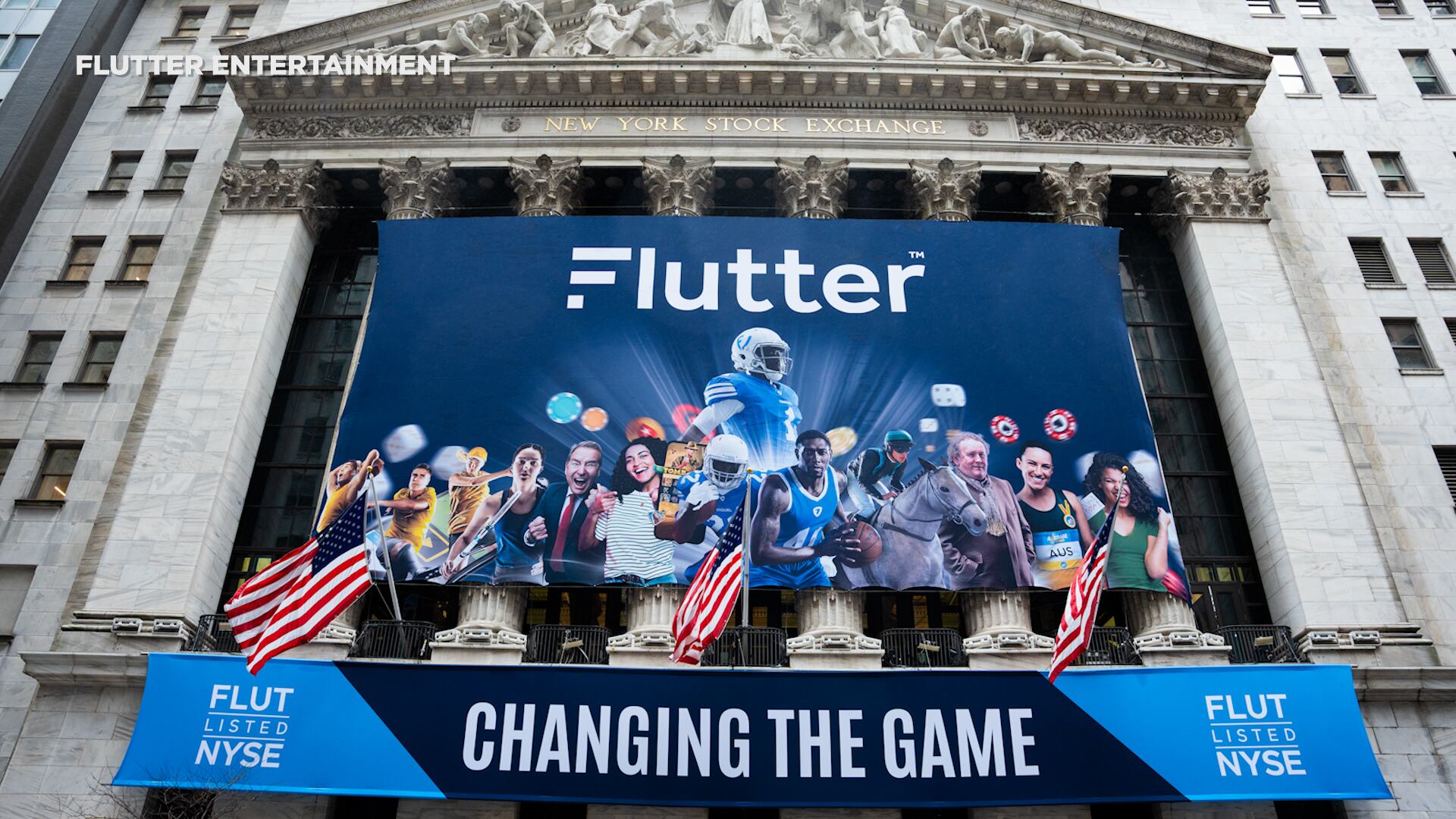
To celebrate Flutter Entertainment's debut on the NYSE, FanDuel CEO Amy Howe shares her thoughts on the company's plans for growth, the future of online sportsbetting, and Super Bowl Sunday.
Investopedia's Caleb Silver shares thoughts on the upcoming Fed meeting, why individual investors are still slightly skeptical, and what he's looking for from mega cap tech earnings.
Season's greetings! Tax season, that is. January 29 is the first day you can file your tax return. We walk you through each step — plus a checklist you can download.
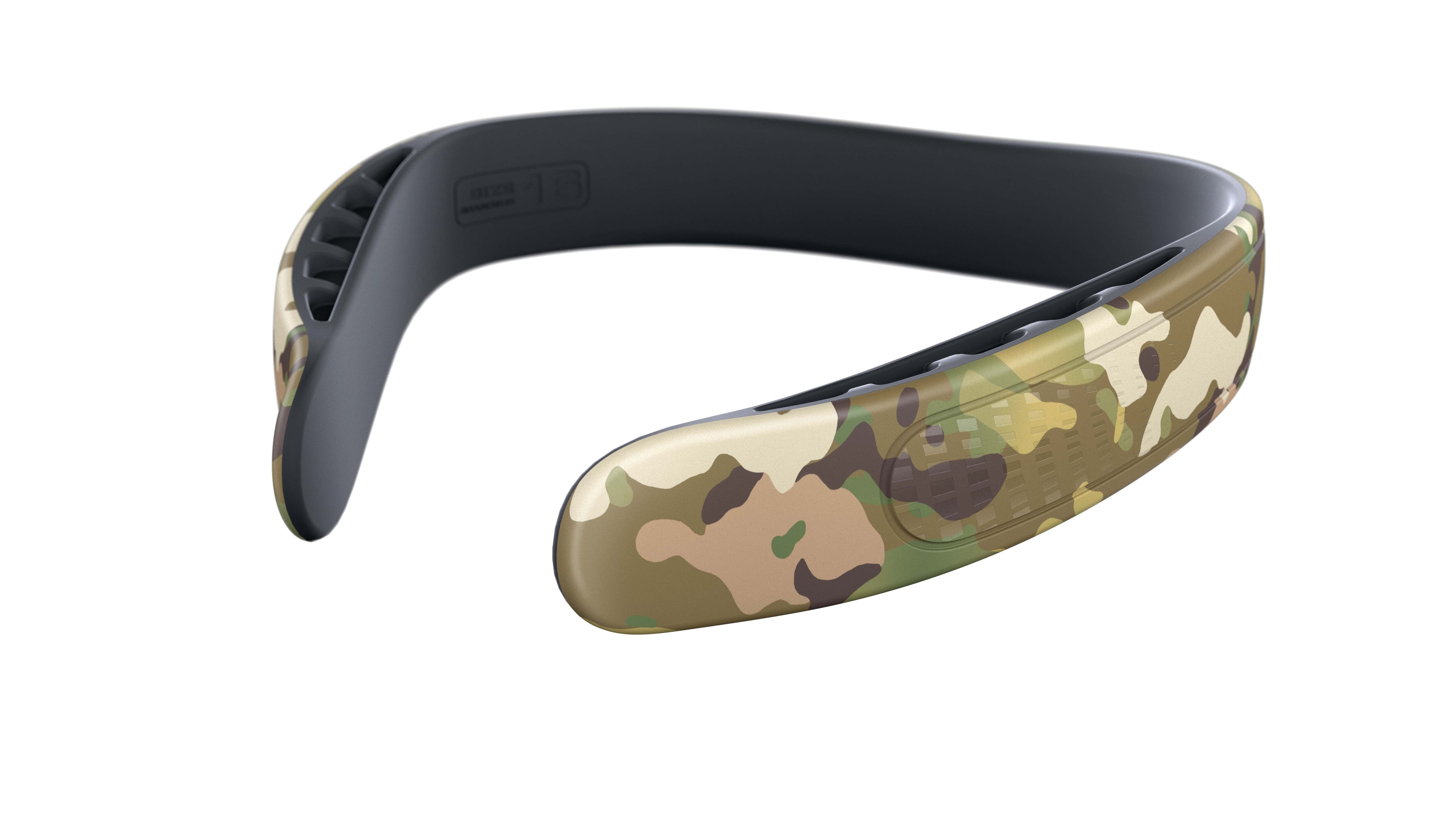
The Q-Collar helps protect athletes from impact-related concussions. Now, the U.S. Army is evaluating if the device could help reduce traumatic brain injury cased by blast weapons.
Co-founder and executive chairman of the board at Vaxxinity Lou Reese shares how the company is working to bring vaccines for chronic illnesses like heart disease and Parkinson’s to market with an eye for accessibility.
Mario Veneroso, Kingsview Asset Management Partner, weighs in on the latest economic data and whether the market is pricing in too many rate cuts for the coming year.