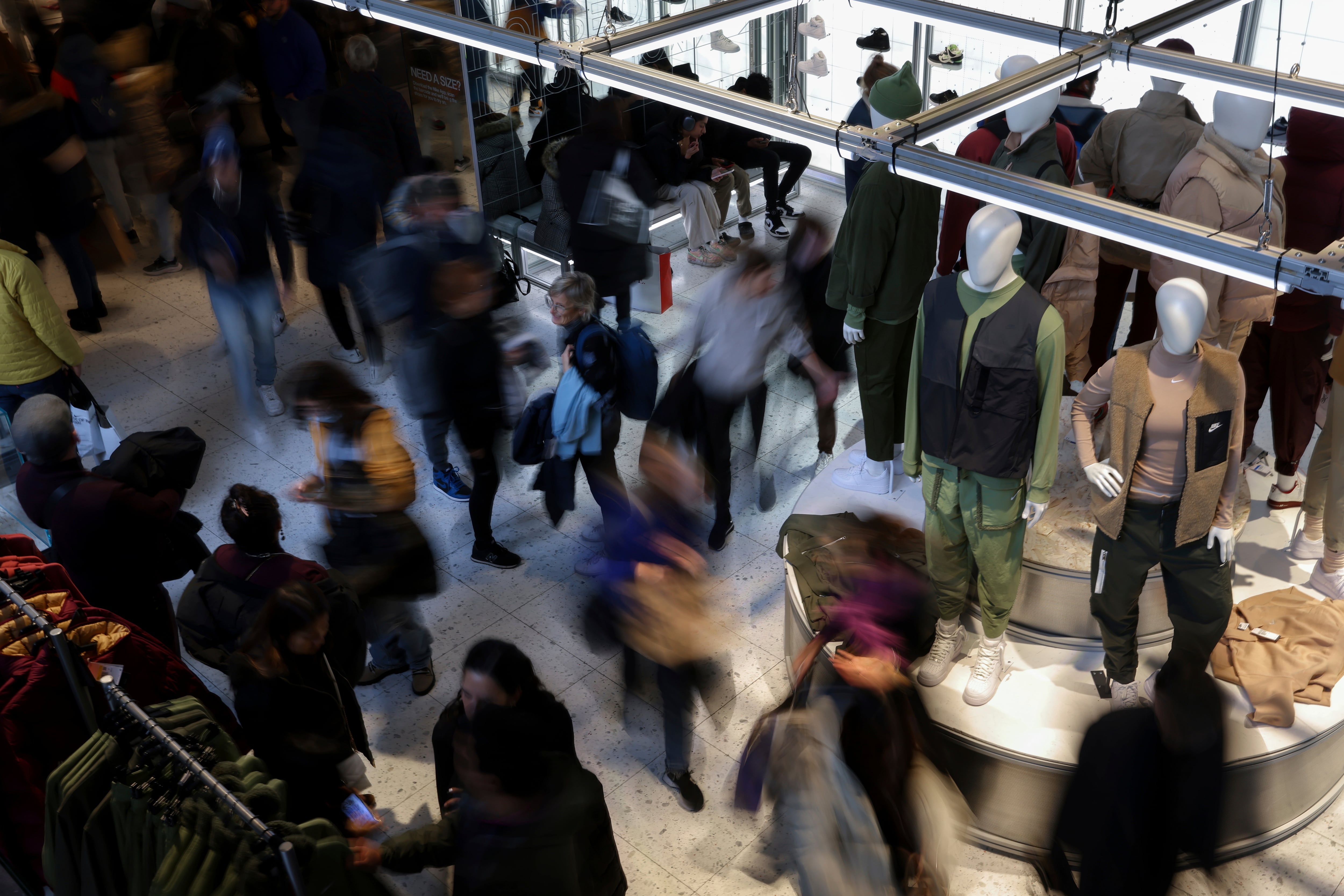
*By Kristen Lee* This holiday season was a happy one for U.S. retail, which saw its biggest sales bump in six years, according to MasterCard. Retail sales, excluding car purchases, rose 5.1 percent year-over-year for the key holiday shopping period between Nov. 1 and Dec. 24 to reach more than $850 billion. As expected, online spending led that surge, with a 19.1 increase in online spending during that same period, according to MasterCard. But more surprisingly, brick-and-mortar sales also increased 3.3 percent. According to Adobe Analytics, a key trend boosting brick-and-mortar was a 47 percent spike in "Buy Online Pick-up In Store" spending, otherwise known as BOPIS. The rise in BOPIS benefits both consumers and retailers. Retailers save on shipping costs and can pass those savings on to consumers in the form of discounts. Also, when customers comes to stores for pick-up, they are more likely to spend more on impulse purchases there. More broadly, improved retail sales this year can be attributed to better inventory levels, fewer promotions and greater investments in e-commerce platforms, Elaine Low, a reporter for Investor's Business Daily, told Cheddar Wednesday. However, the success was not universal. "What you're seeing really is this further widening gap between the winners and the losers in the space. You have the folks who are really doubling down on ecommerce, who are making investments in their technology platforms, and are really hoping to drive shoppers to buy more even while they are in-store," she said. "And you also have the guys on the other end of the spectrum, who are playing catch up with their e-com investments."