Hinge CEO Justin McLeod: Dating App's 'Match' Will Help it Grow
*By: Madison Alworth*
Millennial matchmaking app Hinge found itself a partner, handing over a big part of itself to digital dating conglomerate Match Group.
And for Hinge CEO Justin McLeod, it was a solid pairing.
"I think they are an excellent scaling partner for us," said McLeod in an interview with Cheddar Tuesday. "We really want to take that growth that we've seen mostly in big cities in the U.S. and really start to take that to the rest of the country and also abroad"
Hinge, founded in 2012, is available across the U.S., UK, Canada, Australia, and India. The company says it grew its active member base by around 400 percent last year.
Last week Match said it would take a 51 percent stake in the app, with an option to buy the rest of it down the road. It's the latest in a series of strategic grabs for the company, which owns more than 40 dating brands, including Tinder, OkCupid, and PlentyOfFish.
But according to McLeod, little will visibly change for Hinge users. He said what sets the app apart from the competition is the extra care Hinge takes in setting up potential couples.
"We don't view a match as the end of our responsibility, we really want to get people out on excellent first dates," he said.
And Hinge seems to be doing something right. According to McLeod, three out of four first dates arranged through the platform lead to second dates. And some matches are leading all the way to marriage. Hinge is reportedly the most mentioned, mobile-first dating app in the New York Times' Wedding section.
McLeod credits that success to a philosophy of saying no to swiping.
"We started as a swiping app back in 2013, and then in 2016 we rebooted the app and created a much more relationship-focused service," said McLeod.
By switching to a "liking" platform where users can leave comments on pictures or statements they enjoyed, Hinge is seeing more thought-out interactions and connections.
"On our platform you have to be much more thoughtful and intentioned in your actions."
For the full segment, [click here.](https://cheddar.com/videos/hinge-has-a-match)
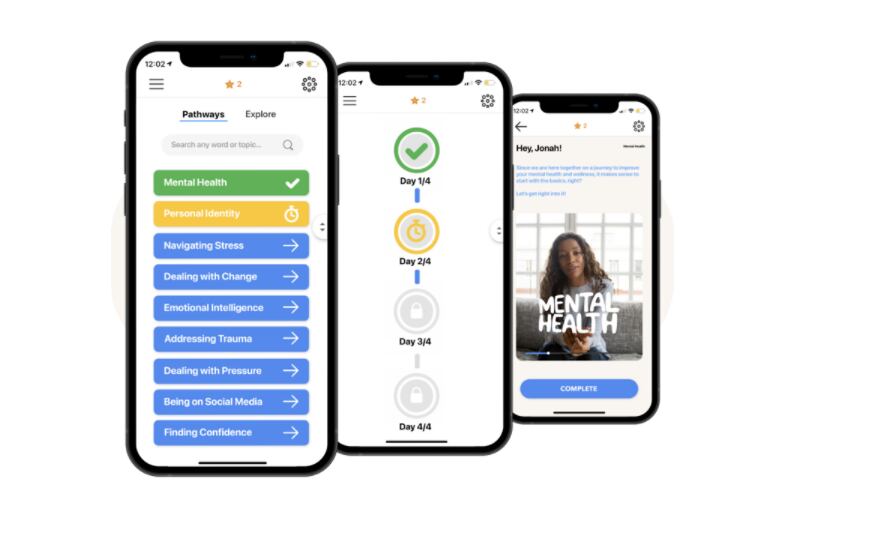
Two friends have joined forces to come up with an app dedicated to making mental health more approachable and to provide users with the tools needed to improve their mental health and overall well-being. Co-Founders of the Dial App Jonah Salita and Marcel Johnson, joined Cheddar to discuss more.
Miss Universe 2021 Harnaaz Sandhu and Smile Train CEO Susie Schaefer join Cheddar News to talk about how Smile Train continues to support those with a cleft lip this International Women's Day.
On this International Women’s Day, Deb Cupp, president of Microsoft U.S., joined Cheddar News to talk about the implementation of her pillars to extend the company's culture, such as acting with care and putting the team first. "What I like about the pillars is they're very simple, so it's easy for us to think about how they show up every day in our lives," Cupp said.
Christian Nunes, President of the National Organization for Women, joins Cheddar Reveals to take a look at where the women's rights movement stands today and where it's headed.
Steven Spielberg has spoken out against the Motion Picture Academy’s decision to move the presentation of eight categories to the pre-show off-air for this year’s Oscars. "We should all have a seat at the supper table together, live at five," said the Academy Award-winning director, who is also nominated for two statues at this year's event.
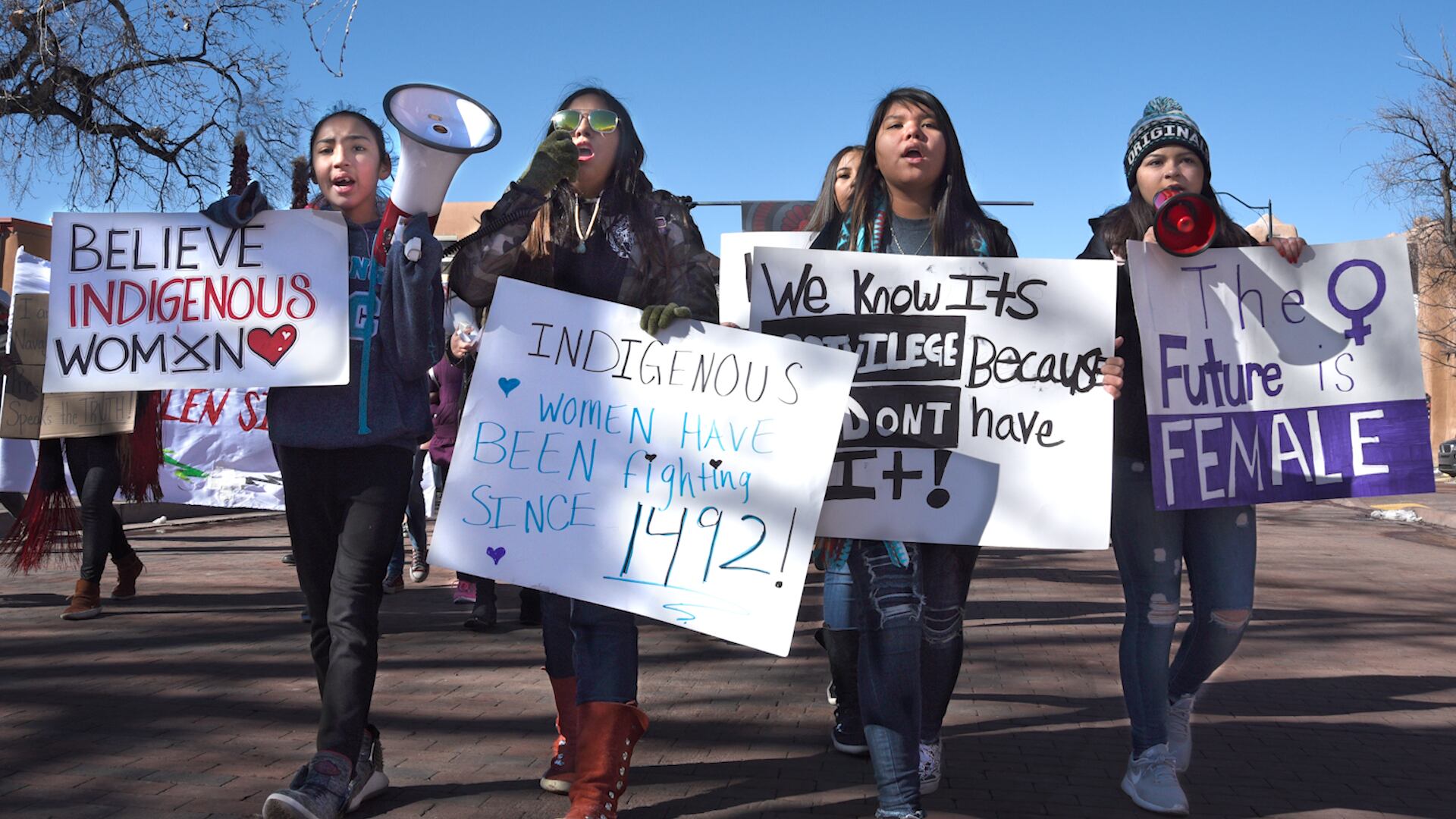
On this episode of Cheddar Reveals, Sally Roesch Wagner, Historian & Executive Director, The Matilda Joslyn Gage Foundation, discusses how the early women's rights movement evolved and the hidden influence of Native American women on early American feminists.; Christian Nunes, President of the National Organization for Women, takes a look at where the women's rights movement stands today and where it's headed; Cheddar gets a look at Curiosity Stream's 'Ascent of Woman.'
Sally Roesch Wagner, Historian & Executive Director, The Matilda Joslyn Gage Foundation, joins Cheddar Reveals to discuss how the early women's rights movement evolved and the hidden influence of Native American women on early American feminists.
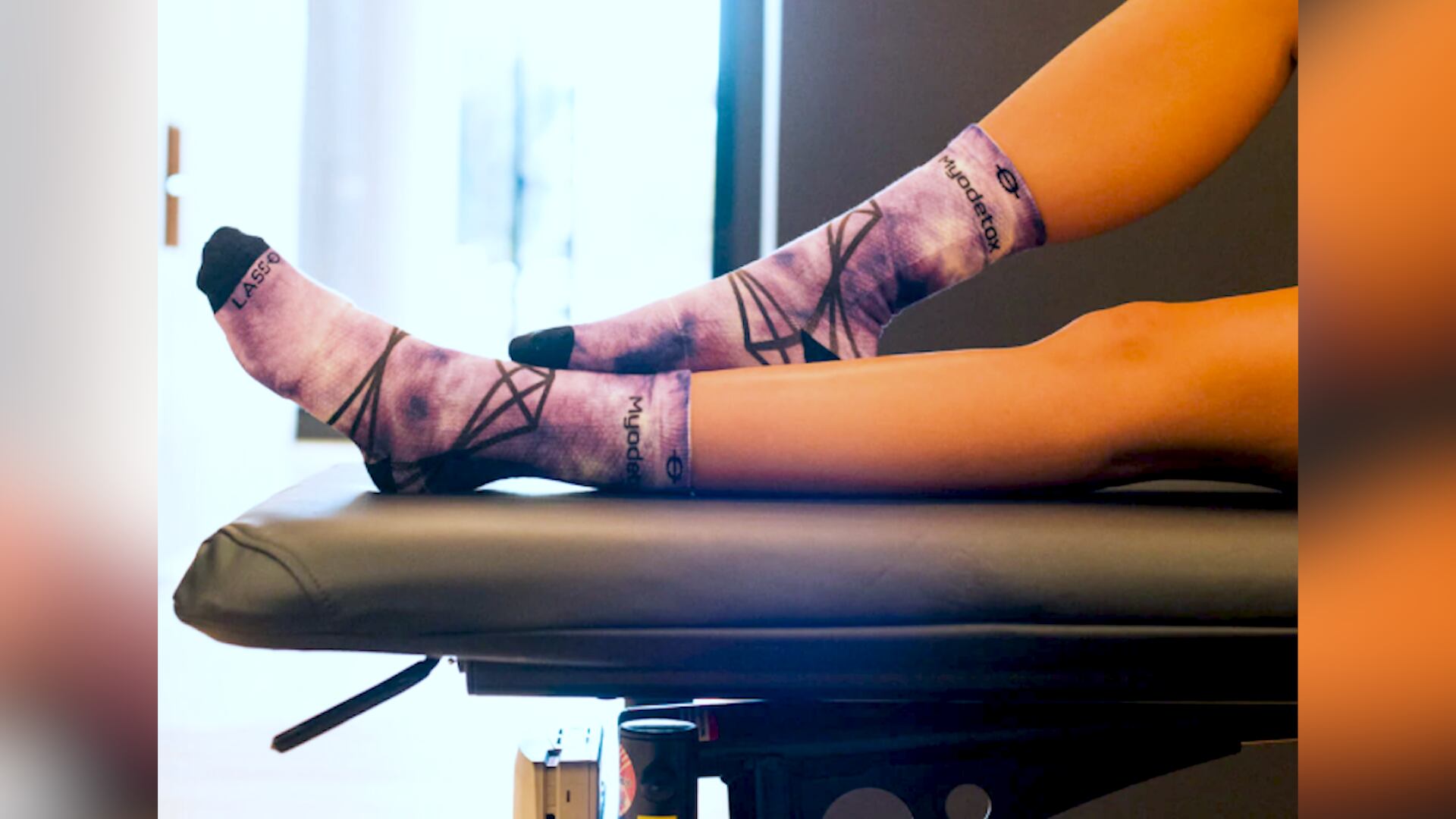
Partha Unnava, Founder and CEO and Lasso, joins Cheddar Innovates to discuss how the design behind these compression socks can prevent injuries and improve performance.