*By Jacqueline Corba*
Colorado Governor John Hickenlooper defended his decision to veto three marijuana bills despite widespread momentum for legalization in a state that already has some of the most liberal cannabis laws in the country.
"I think its prudent for the entire industry to move steadily, but slowly and make sure this is a success," Hickenlooper said in an interview Tuesday with Cheddar's CannaBiz.
The governor said he blocked a bill to legalize tasting rooms in his state out of concern that it could lead to more people driving while high. He also vetoed a bill adding autism to the list of eligible conditions for medical pot and one that would allow publicly traded companies to invest in Colorado pot businesses.
His vetoes angered some state lawmakers and marijuana activists who see Colorado's cannabis laws as a way to move the issue of national legalization forward.
["This is just a travesty,"] (https://www.denverpost.com/2018/06/07/marijuana-industry-blasts-hickenlooper/) said state Rep. Edie Hooton, a Democrat from Boulder who was a prime sponsor of the autism bill.
But Hickenlooper stood by his cautious approach.
"We haven't done studies of what high THC marijuana does to young people, and any other pharmaceuticalー any other drug people have studied and looked at its effect," said Hickenlooper. "We felt we needed to have a little more testing."
This week, mayors from six cities where marijuana is legal formed a coalition calling for national reform of marijuana laws.
In a [tweet] (https://twitter.com/MayorHancock/status/1006195461852545025), Denver's Mayor Michael Hancock wrote, "Mayors are the ones implementing legal marijuana. We know what works and what doesn't."
Hickenlooper seemed to agree. "I think this great social experiment is happening on the local level," he said. "If states are the laboratories of democracy, then in a powerful way that experiment takes place in all kinds of cities, and towns, and counties."
For full interview, [click here](https://cheddar.com/videos/governor-hickenlooper-defends-decision-to-veto-marijuana-bills).
Carlo and Baker cover the latest data showing the Omicron wave has likely started, Pfizer's Covid pill, Jan. 6 and a box office rescue attempt courtesy of Spider-Man.
Upward Farms is an indoor vertical farming company on a mission to heal our broken food system and reconnect consumers with organic locally-grown food. The Brooklyn-based company uses its controlled environment farms to grow organic leafy greens, which are sold at whole foods markets in New York City. Upward Farms co-founder and CEO Jason Green joined Cheddar Climate to discuss.
One of the biggest hurdles when it comes to widespread electric vehicle adoption is consumer hesitation about their ability to keep their EV charged if they take a longer trip outside of their locality. Now, electric companies nationwide are teaming up as part of a coalition to build out a network of EV charging stations spanning major U.S. travel corridors. Kellen Schefter, director of electric transportation at the Edison Electric Institute, joins Cheddar Climate to discuss the coalition's plans, how drivers can compare fueling up with gas to recharging an EV on a long trip, how the charging network will be funded, and more.
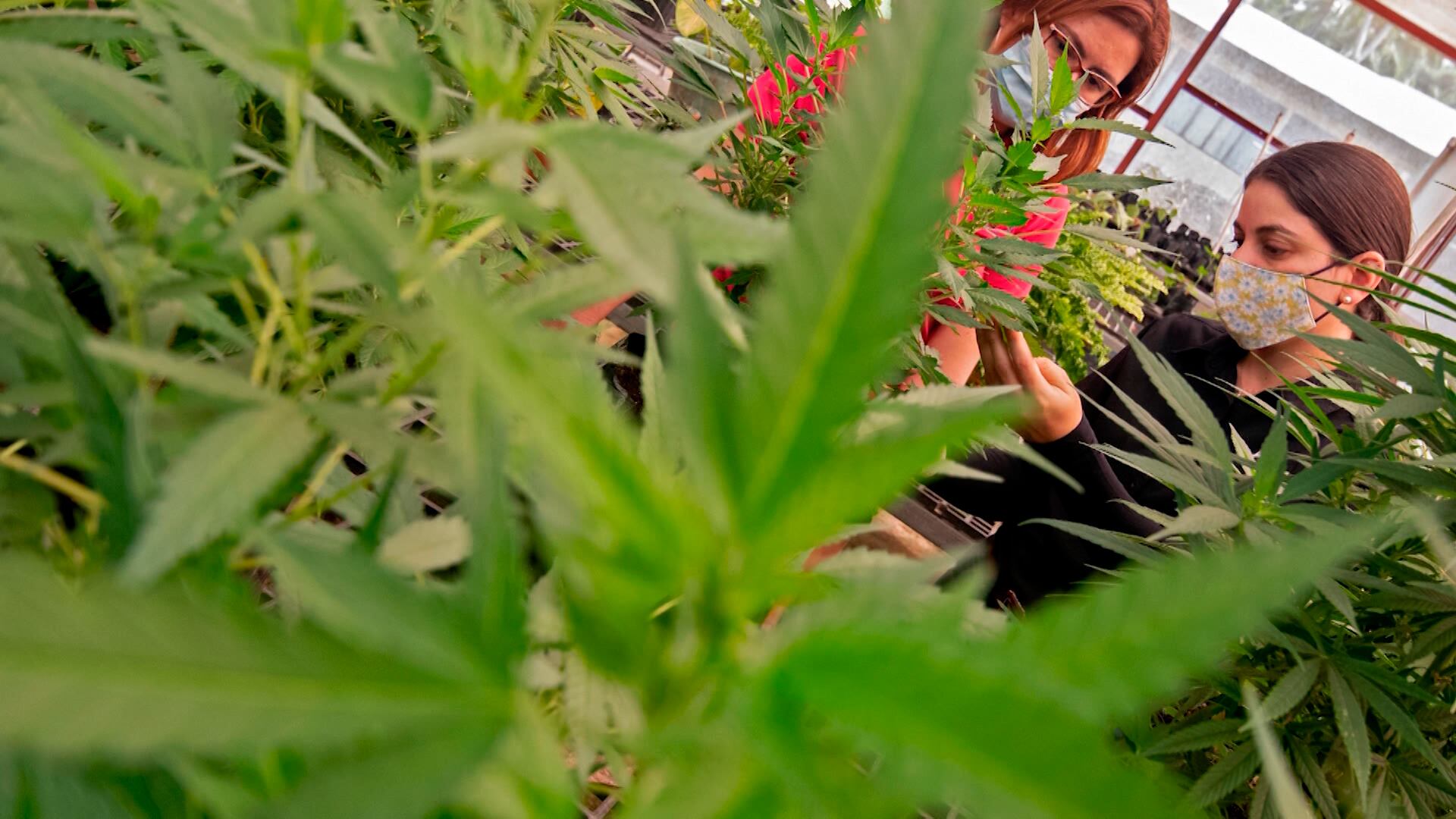
As more states begin to legalize recreational marijuana, there's a growing interest in legalizing cannabis cultivation. As the rise in cannabis farms expands across the U.S., more research is being done to examine its impact on the planet. Michael Katz, executive director at Mendocino Cannabis Alliance, joins Cheddar News to talk about the carbon footprint of cannabis farms.
Blue Origin launched its third manned mission over the weekend with 'Good Morning America' host Michael Strahan and Laura Shepard Churchley, daughter of astronaut Alan Shepard on board, alongside several Blue Origin investors.
This comes after the spaceflight firm launched two successful missions to the edge of space earlier this year. How will these missions set up Blue Origin for success as it competes with SpaceX and other companies for space tourism domination and more? Joey Roulette, space reporter at The New York Times, joins Cheddar News' Closing Bell to discuss.
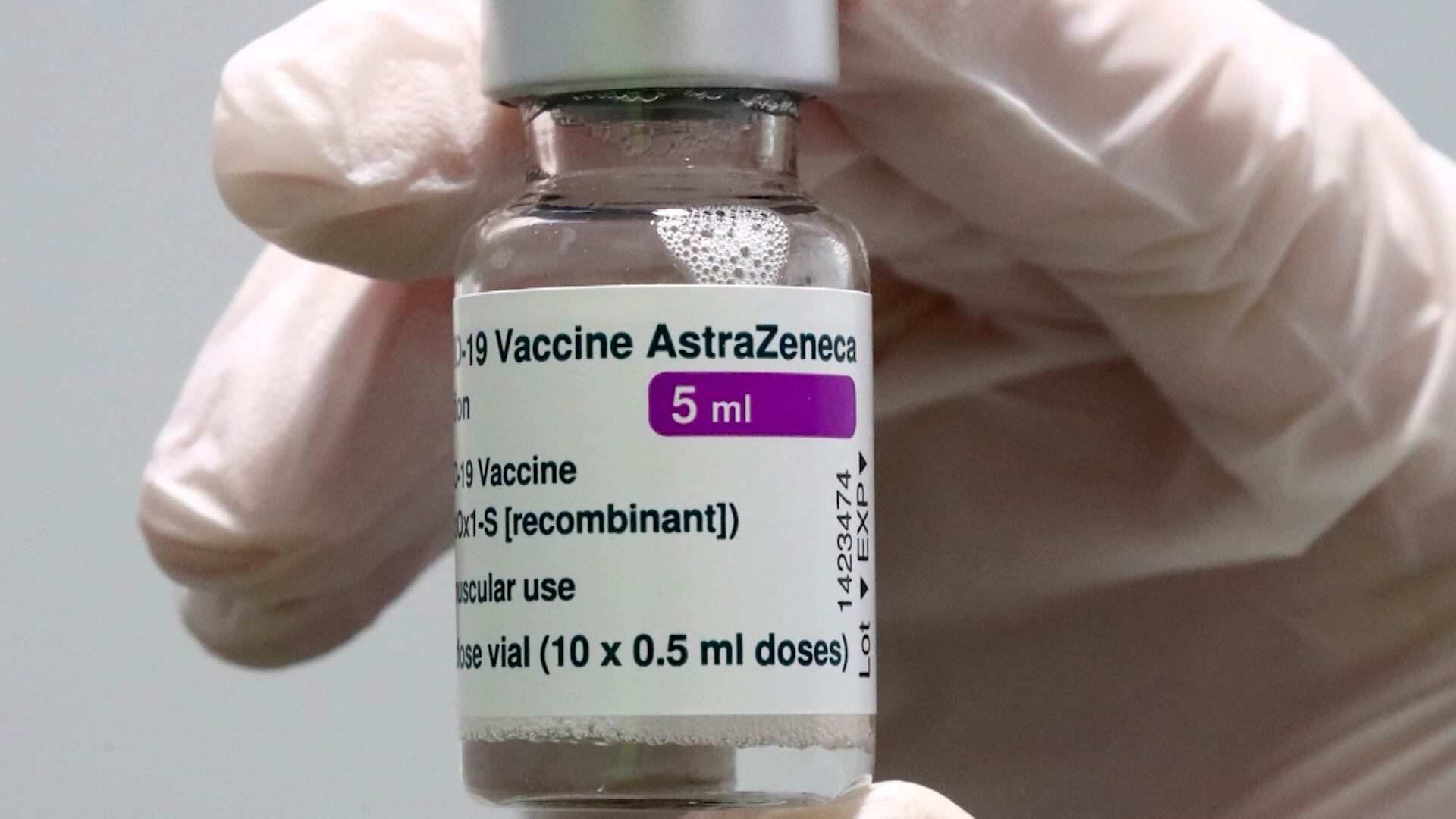
Mina Makar, senior vice president of respiratory and immunology, Astrazeneca, joined Cheddar to discuss the FDA's decision to give emergency use authorization to the pharma giant's COVID-19 antibody treatment called Evusheld for immunocompromised patients For about 2 percent of the U.S. Makar noted that the injection is supposed to provide antibody protection for those who can't generate their own adequate immune response via the vaccines for a minimum of six months, though long-term trials are underway.
The pandemic has forced corporate America to reshape itself to adapt, including onboarding doctors as chief medical officers to help maintain the health and safety of staff. Dr. Geeta Nayyar, chief medical officer at Salesforce, joined Cheddar to break down her role and how it has become relevant and necessary in the evolving workplace. "Every business today is now in the business of healthcare," she said. "It is a priority to empower employees to then serve your customers."
Jonathan Adler, Law Professor at Case Western Reserve University, joined Wake Up With Cheddar to discuss Tuesday's ruling and provide legal context to recent battles over vaccine mandates.
Carlo and Baker wrap up the week talking about the Biden economic boom that no one seems to notice, a verdict in the Jussie Smollett case, the first Starbucks union in America and the pleasures of the "dude nod."