*By Jacqueline Corba*
Colorado Governor John Hickenlooper defended his decision to veto three marijuana bills despite widespread momentum for legalization in a state that already has some of the most liberal cannabis laws in the country.
"I think its prudent for the entire industry to move steadily, but slowly and make sure this is a success," Hickenlooper said in an interview Tuesday with Cheddar's CannaBiz.
The governor said he blocked a bill to legalize tasting rooms in his state out of concern that it could lead to more people driving while high. He also vetoed a bill adding autism to the list of eligible conditions for medical pot and one that would allow publicly traded companies to invest in Colorado pot businesses.
His vetoes angered some state lawmakers and marijuana activists who see Colorado's cannabis laws as a way to move the issue of national legalization forward.
["This is just a travesty,"] (https://www.denverpost.com/2018/06/07/marijuana-industry-blasts-hickenlooper/) said state Rep. Edie Hooton, a Democrat from Boulder who was a prime sponsor of the autism bill.
But Hickenlooper stood by his cautious approach.
"We haven't done studies of what high THC marijuana does to young people, and any other pharmaceuticalー any other drug people have studied and looked at its effect," said Hickenlooper. "We felt we needed to have a little more testing."
This week, mayors from six cities where marijuana is legal formed a coalition calling for national reform of marijuana laws.
In a [tweet] (https://twitter.com/MayorHancock/status/1006195461852545025), Denver's Mayor Michael Hancock wrote, "Mayors are the ones implementing legal marijuana. We know what works and what doesn't."
Hickenlooper seemed to agree. "I think this great social experiment is happening on the local level," he said. "If states are the laboratories of democracy, then in a powerful way that experiment takes place in all kinds of cities, and towns, and counties."
For full interview, [click here](https://cheddar.com/videos/governor-hickenlooper-defends-decision-to-veto-marijuana-bills).
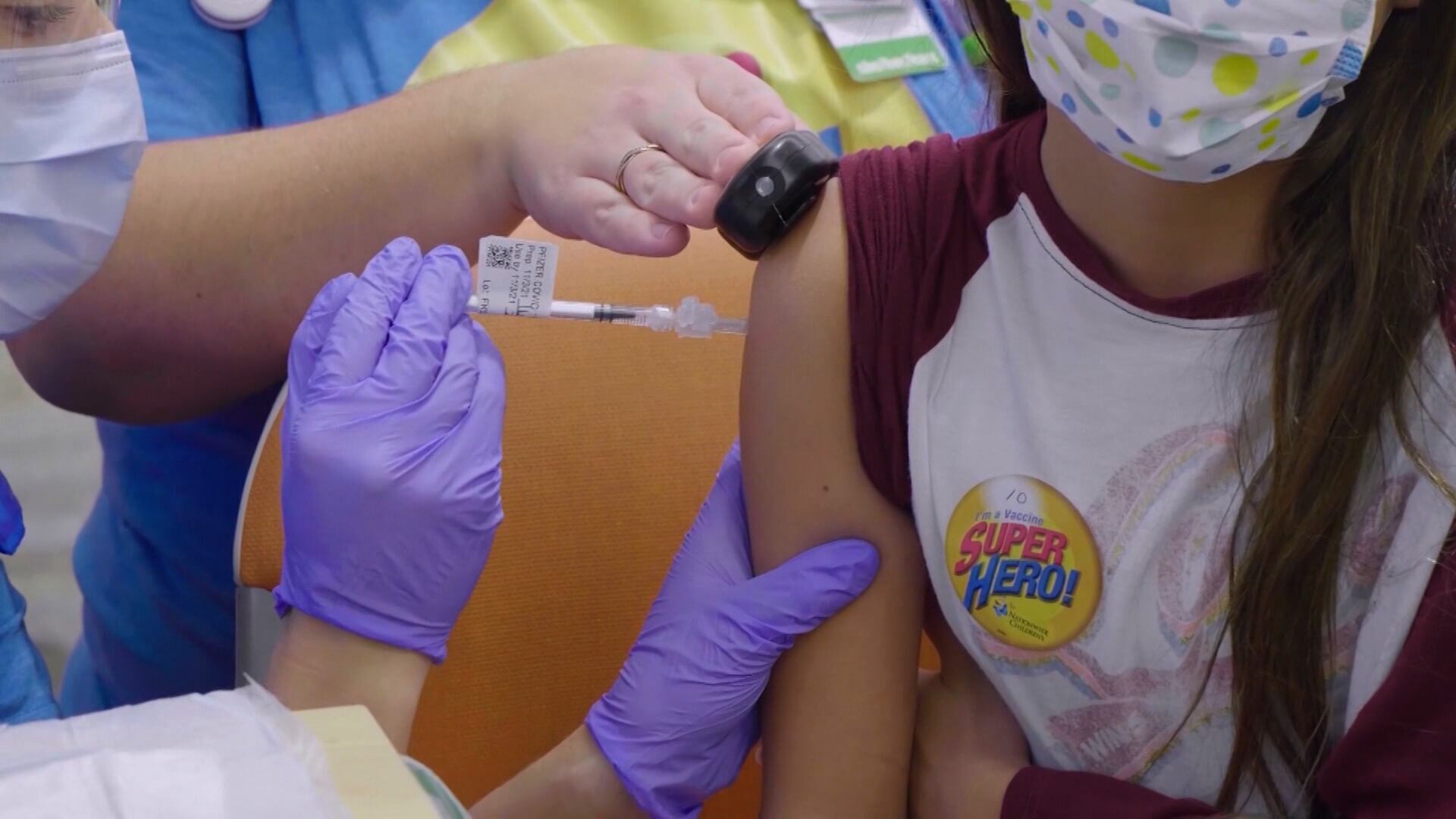
With a rising number of COVID-19 cases due to the omicron variant, the FDA is making big moves. First, Pfizer's COVID-19 booster has been authorized for those ages 12 to 15. The agency also reduced the amount of time to wait between receiving a second vaccine dose and booster from six months to five. Finally, a third primary series dose of Pfizer's shot is approved for immunocompromised children five to 11 years old. Professor Peter Pitts joins Cheddar News to discuss.
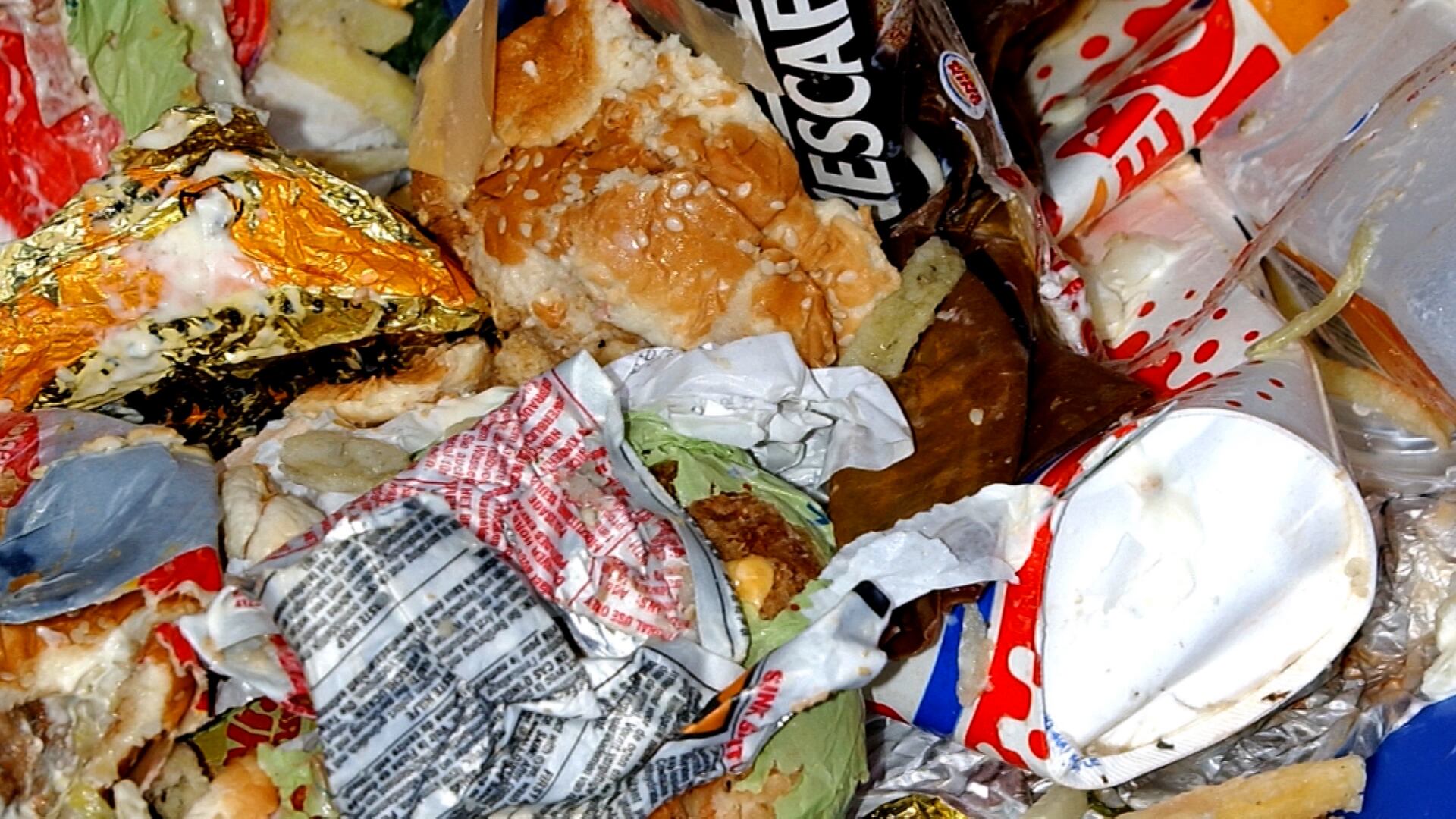
California's new composting law will affect what residents do in their kitchens. As of this week, Californians will have to recycle excess food in an effort to reduce emissions caused by food waste. Cities and counties will turn recycled food into compost or use it as a renewable energy source. California's new law is the largest mandatory residential food waste recycling program in the country. Rachel Wagoner, Director of the California Department of Resources, Recycling and Recovery called the law 'the biggest change to trash' since recycling started in the 1980s. She joined Cheddar Climate to discuss.
Deborah Brosnan, President of Deborah Brosnan & Associates, joins Cheddar Climate, where she explains why global warming brought about 'a year of reckoning' in 2021 and why previously unprecedented weather events could become the norm going forward.
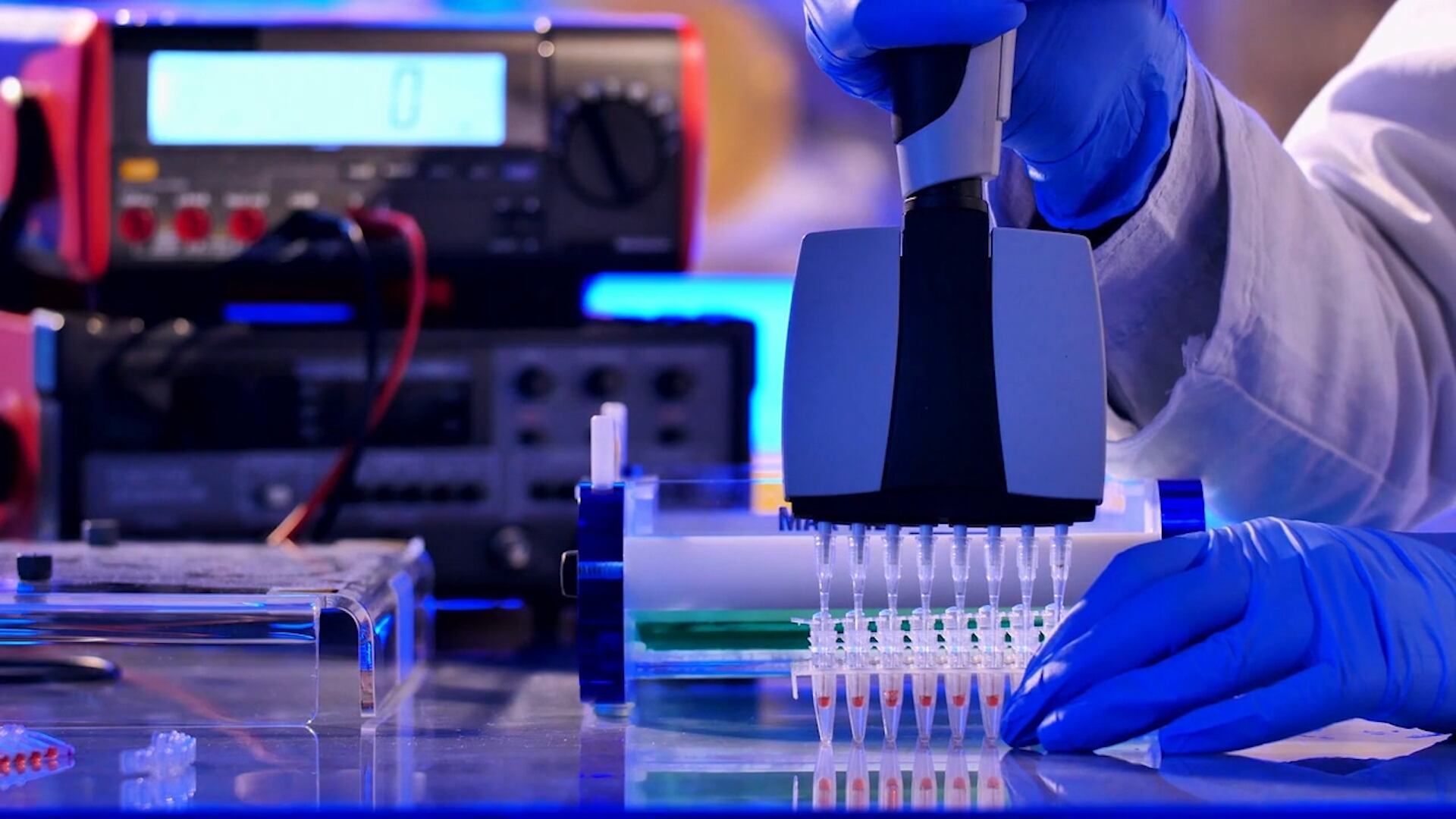
On this episode of Cheddar Reveals, Dr. Anita Gupta, Adjunct assistant professor of anesthesiology and critical care medicine at the Johns Hopkins University School of Medicine, shares her forecast for the healthcare industry in 2022; Waseem Asghar, Ph.D., Associate Professor, Department of Computer & Electrical Engineering and Computer Science, Florida Atlantic University, breaks down the latest progress, trends, and innovations in wearable health tech; Cheddar gets a look at Curiosity Stream's 'Hacking our Biome.'
Dr. Anita Gupta, Adjunct assistant professor of anesthesiology and critical care medicine at the Johns Hopkins University School of Medicine, joins Cheddar Reveals to share her forecast for the healthcare industry in 2022.
Waseem Asghar, Ph.D., Associate Professor, Department of Computer & Electrical Engineering and Computer Science, Florida Atlantic University, joins Cheddar Reveals to break down the latest progress, trends, and innovations in wearable health tech.
Washington DC and the surrounding areas saw a record breaking snow storm Monday as a strong storm system works its way across the eastern U.S. The extreme weather event caused extensive damage in the greater Washington area, leaving thousands in the region without power. Jonathan Porter, Chief Meteorologist, AccuWeather, joined Wake Up with Cheddar to discuss the fierce storm.
Sweta Chakraborty, U.S. President of We Don't Have Time and climate change expert, joins Cheddar News to discuss how mining the proper resources for the clean energy sector is crucial.
Over the past year alone, we've seen an increasing push-back on fossil fuels, legislation to reduce plastic pollution, greater protection over our worlds' forests, and a growing number of companies working to reduce total carbon footprint. To discuss the sustainability trends that defined 2021 and the changes individuals can make in 2022, J.D. Durkin is joined by Ashlee Piper, a sustainability expert and author of 'Give a Sh*t: Do Good. Live Better. Save the Planet,' joins Cheddar News.