Jennifer Palmieri, who served as Hillary Clinton’s communication director during the 2016 presidential election, got a front row seat to see the dejection that women felt when the candidate lost.
But looking back, Palmieri sees the defeat as a triggering moment.
“It might not have been a glass ceiling...but something sure shattered and women decided to react in a very powerful way,” she told Cheddar Monday.
Since President Trump was voted in, movements such as the Women’s March and #MeToo have taken hold and inspired change.
Palmieri isn’t giving up on the idea of a female president, perhaps even as soon as 2020.
But to get there, she says, there are two big hurdles female candidates will need to overcome.
The first is ambition.
“Where I think we still struggle is thinking about women and ambition,” she explained. “It was a question of, ‘Well, why does she want the job? What’s her motivation behind it?’ That’s different from the questions people have for male candidates.
“It’s the suspicion about motivations...that’s what was underneath comments that you would hear.”
The second is that they’re in uncharted territory.
“What I’m telling women now is...you are in a new universe...you have to understand you are charting a new path and there isn’t a manual here.”
Palmieri is the author of “Dear Madam President: An Open Letter to the Women Who Will Run the World.”
For the full interview, [click here](https://cheddar.com/videos/hillary-clintons-former-director-of-communications-on-the-democrats-she-thinks-can-beat-trump-in-2020).
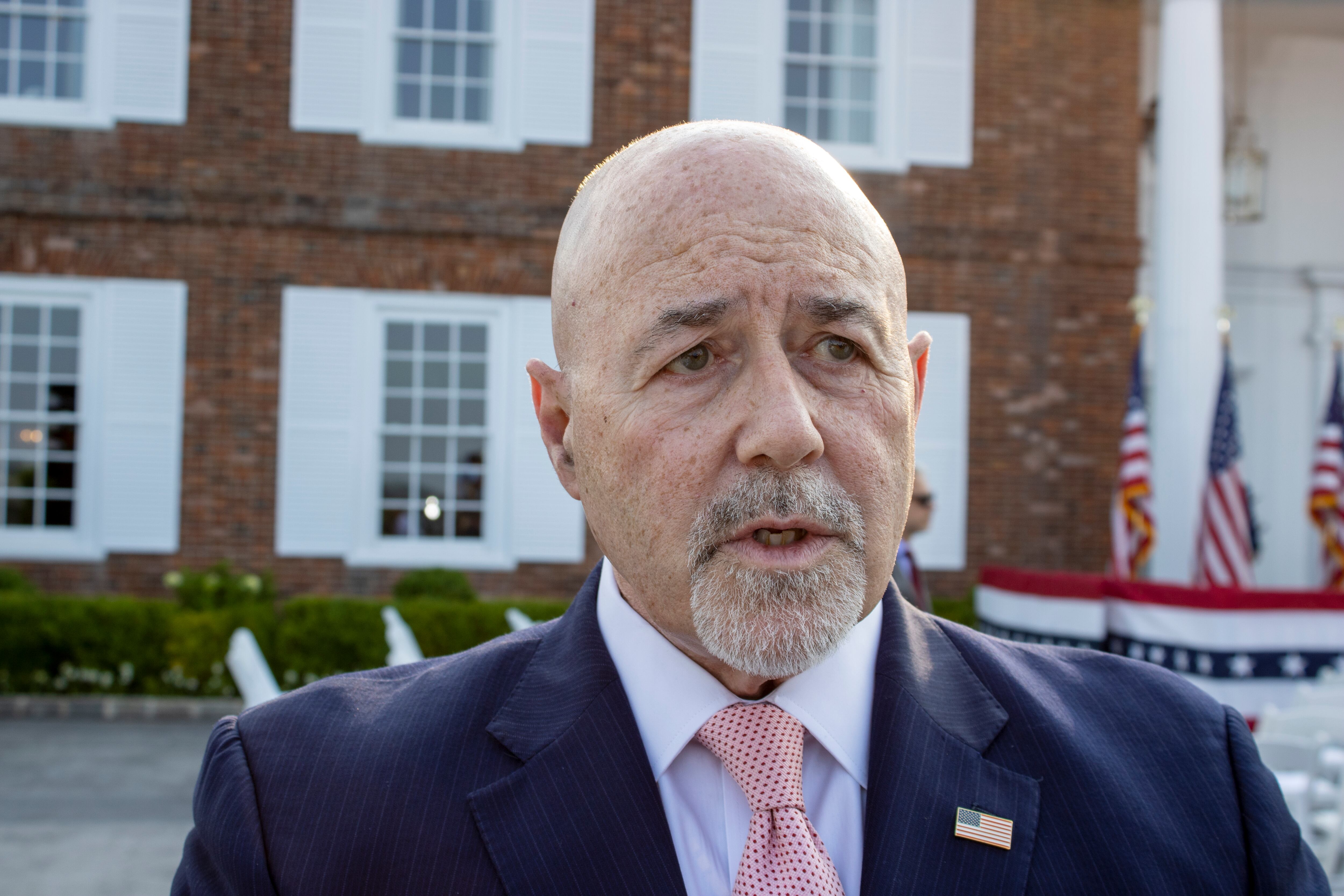
The lawyer for former NYPD commissioner Bernard Kerik turned over thousands of pages and documents to a special counsel as part of an investigation into Kerik's alleged involvement to overturn the results of the 2020 election.
Israel’s parliament on Monday approved the first major law in Prime Minister Benjamin Netanyahu’s contentious plan to overhaul the country’s justice system, triggering a new burst of mass protests and drawing accusations that he was pushing the country toward authoritarian rule.
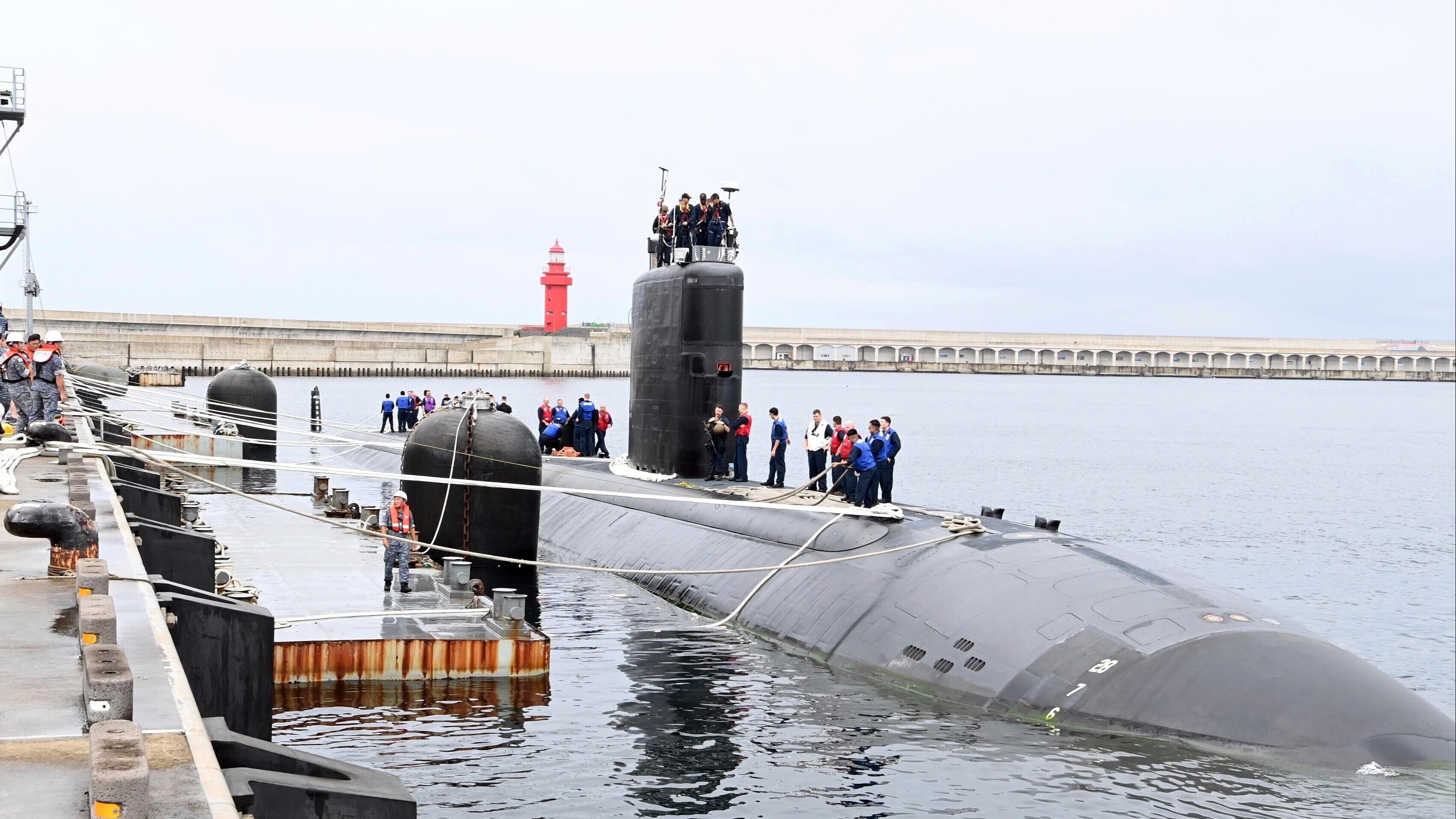
North Korea fired two short-range ballistic missiles into its eastern sea, South Korea’s military said Tuesday, adding to a recent streak in weapons testing that is apparently in protest of the U.S. sending major naval assets to South Korea in a show of force.
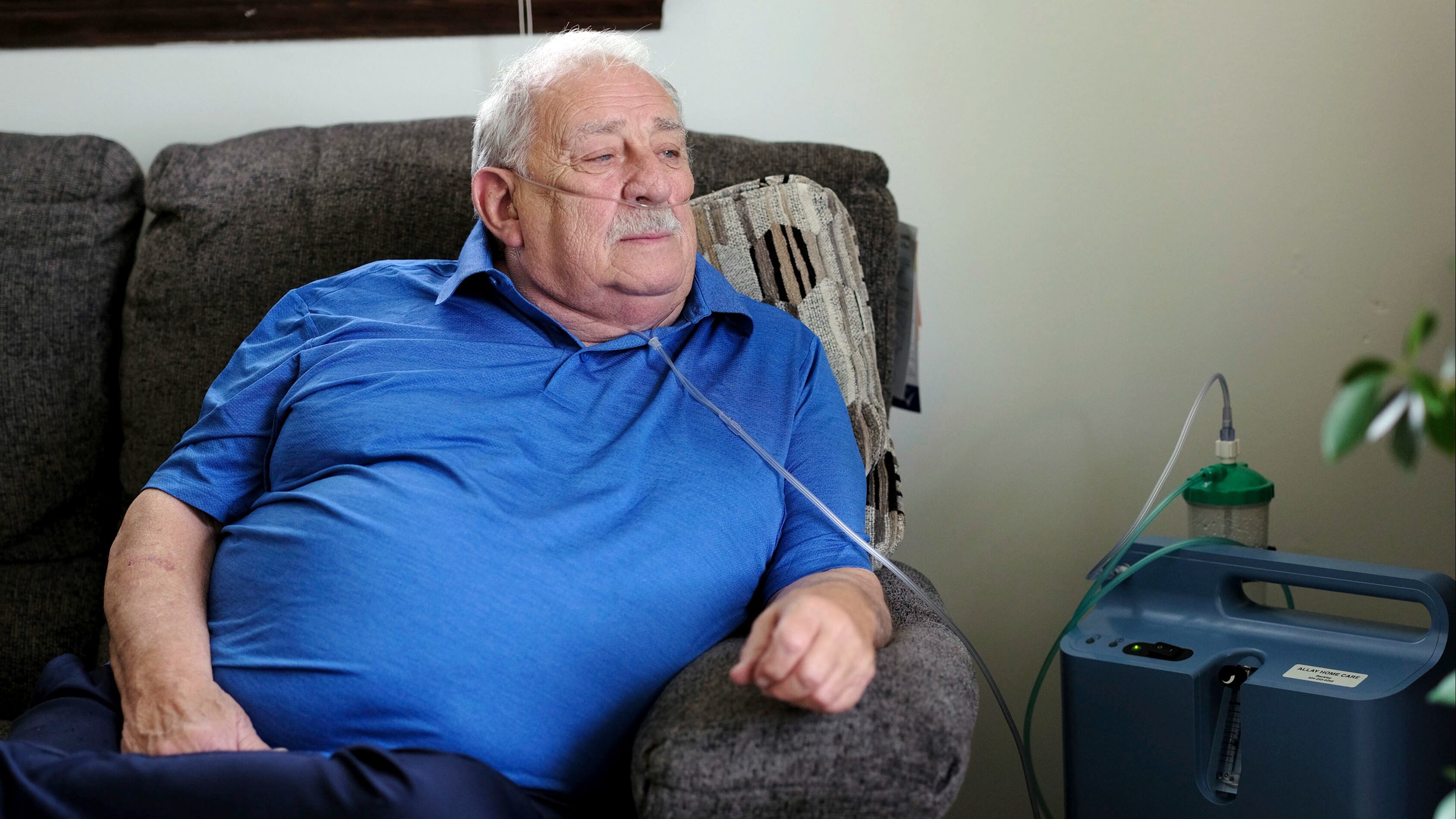
Now the federal Mine Safety and Health Administration has proposed a rule that would cut the current limit for silica exposure by half — a major victory for safety advocates. But there is skepticism and concern about the government following through after years of broken promises and delays.
A state trooper's account of officers denying migrants water in 100-degree Fahrenheit (37.7 Celsius) temperatures and razor wire leaving asylum-seekers bloodied has prompted renewed criticism.