Jennifer Palmieri, who served as Hillary Clinton’s communication director during the 2016 presidential election, got a front row seat to see the dejection that women felt when the candidate lost.
But looking back, Palmieri sees the defeat as a triggering moment.
“It might not have been a glass ceiling...but something sure shattered and women decided to react in a very powerful way,” she told Cheddar Monday.
Since President Trump was voted in, movements such as the Women’s March and #MeToo have taken hold and inspired change.
Palmieri isn’t giving up on the idea of a female president, perhaps even as soon as 2020.
But to get there, she says, there are two big hurdles female candidates will need to overcome.
The first is ambition.
“Where I think we still struggle is thinking about women and ambition,” she explained. “It was a question of, ‘Well, why does she want the job? What’s her motivation behind it?’ That’s different from the questions people have for male candidates.
“It’s the suspicion about motivations...that’s what was underneath comments that you would hear.”
The second is that they’re in uncharted territory.
“What I’m telling women now is...you are in a new universe...you have to understand you are charting a new path and there isn’t a manual here.”
Palmieri is the author of “Dear Madam President: An Open Letter to the Women Who Will Run the World.”
For the full interview, [click here](https://cheddar.com/videos/hillary-clintons-former-director-of-communications-on-the-democrats-she-thinks-can-beat-trump-in-2020).
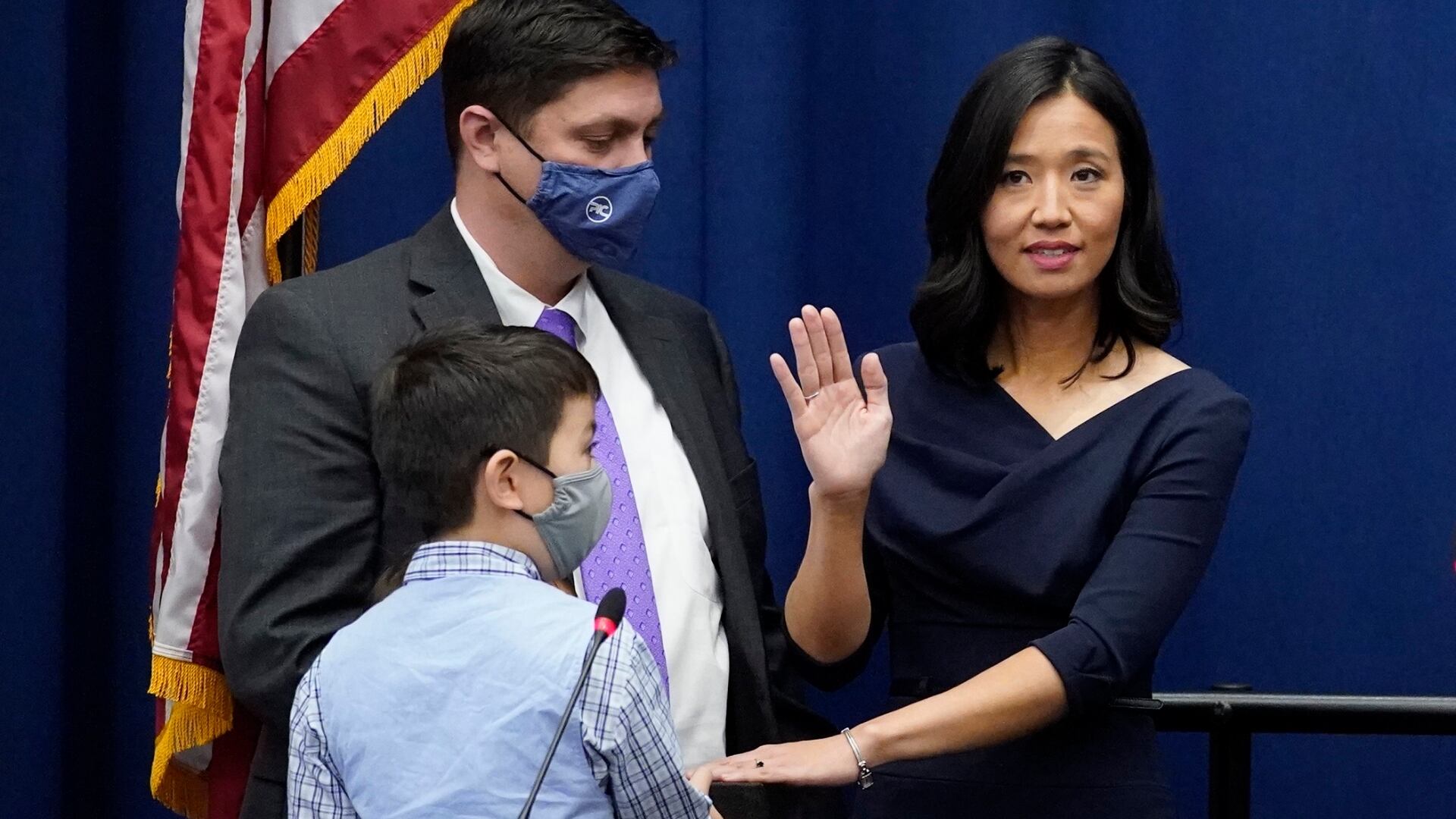
As the 2022 midterm elections fast approach, here are some politicians Americans should be on the lookout for. Democratic Massachusetts state senator Sonia Chang-Diaz, who was the first Latina and Asian American woman to be elected to the state's senate, now has her eye on the governorship with Republican Charlie Baker leaving. New Jersey GOP candidate for Congress, Billy Prempeh also bears watching, and while Boston's newest mayor, Democrat Michelle Wu, was already sworn in last month, all eyes will be on Beantown as the first woman and first person of color to hold the office tries to usher in a new era for the city.
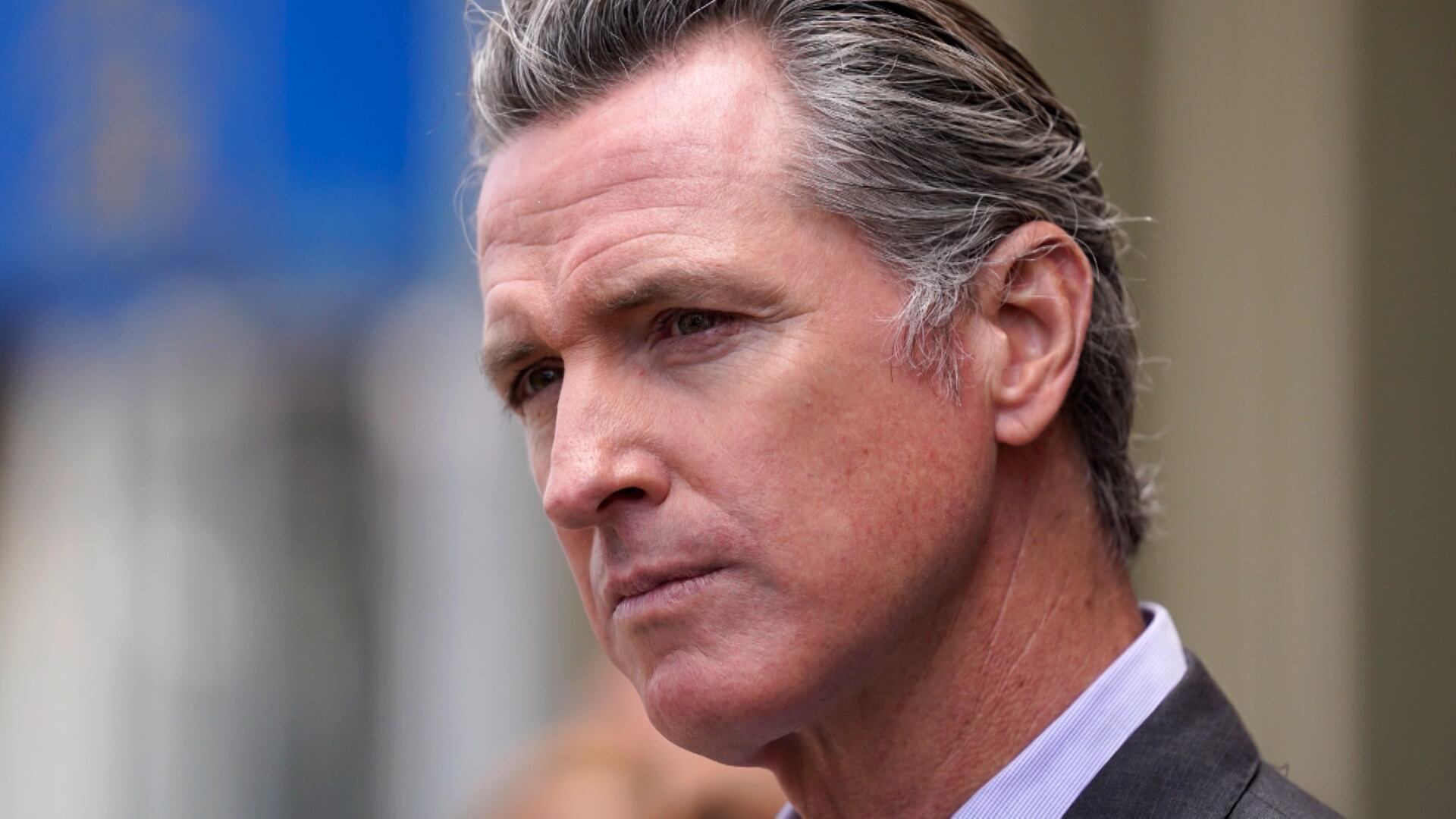
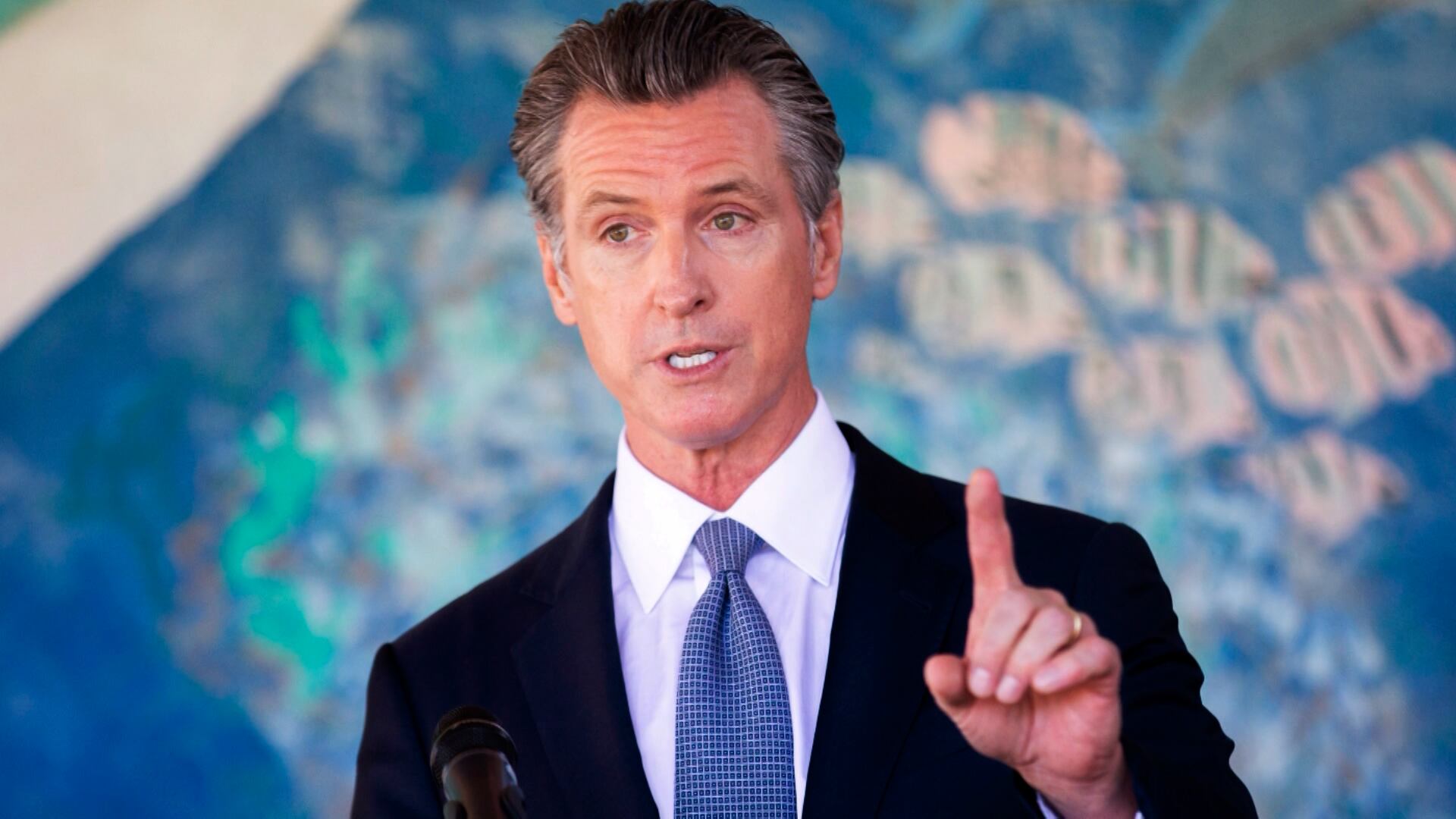
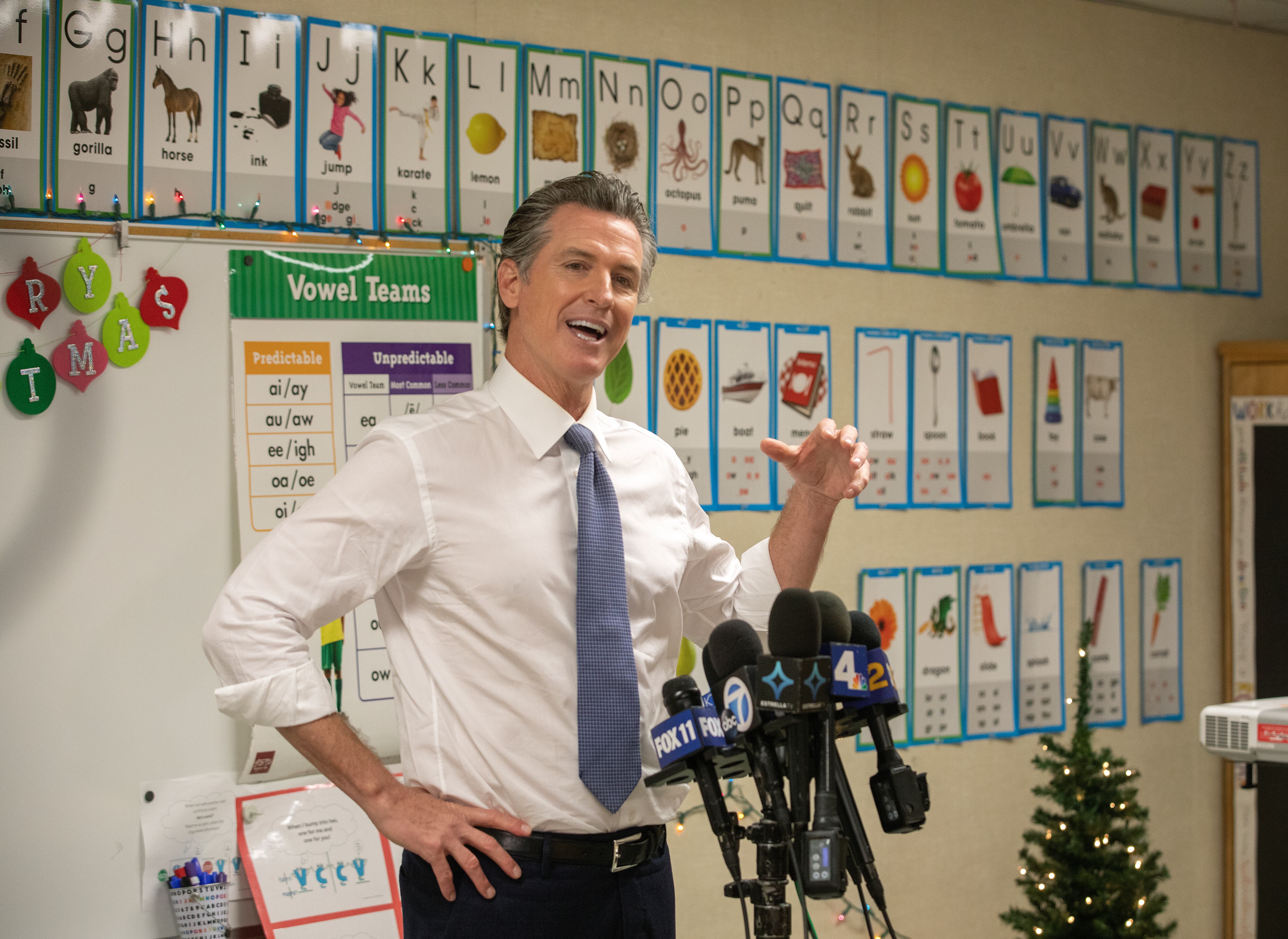
Emily Hoeven, newsletter editor at CalMatters, joins Cheddar News to discuss California Governor Gavin Newsom's gun law modeled after Texas's abortion law.
Chuck Rocha, host of 'Nuestro' podcast and opinion contributor at The New York Times, joins Cheddar News to discuss why Democrats are losing Hispanic voters.
More businesses are requiring workers to return to the office, but there is concern that many employees in the middle class, especially women and people of color, need remote work options for reasons including childcare and financial security. Joan Williams, director of the Center for WorkLife Law at the University of California, joined Cheddar to discuss why office mandates could be detrimental to the middle class. She noted that while companies claim a return to offices would help foster more collaboration and efficiency, reports show that they are successfully able to do their jobs from home.
The U.S. postal service has confirmed that it secretly developed and tested a blockchain-based mobile voting system ahead of the 2020 election. Susan Greenhalgh, senior advisor on election security, Free Speech for People, joins Cheddar News to discuss the cybersecurity complications of a mobile voting system.
The U.S. Supreme Court ruled to allow the controversial Texas abortion law to remain in effect, banning abortion at six weeks and allowing any private citizen to sue a person or doctor aiding or abetting someone seeking an abortion. Outraged at this decision, California Governor Gavin Newsom is working to draft a proposal in line with the law as it relates to guns. Shawn Hubler, California correspondent at the New York Times, joins Cheddar News to discuss.