Cheddar is partnering with StackCommerce to bring you the Cheddar Shop. This article doesn’t constitute editorial endorsement, and we earn a portion of all sales.

Wall Street can be a ruthless environment for the uninitiated, but learning how to invest responsibly can be extremely lucrative, especially if you become a day trader. Don’t quit your day job just yet though. In order to be a successful professional trader, you need to learn the tools of the trade (pun intended.)

If you’re interested in pursuing stock trading as a side hustle or a full-time venture, The Wall Street Survival & Stock Trading Guide Bundle can help. It features 8 comprehensive courses that will teach you technical and fundamental analysis techniques that the average consumer with a modest stock portfolio wouldn't know. These courses offer a wealth of knowledge normally at $200 apiece, but you can get this entire bundle today for $29.99

Newcomers to the stock market and investing, in general, should head over to The Complete Stock Market Investing Guide for Beginners first. This class will introduce you to the basics of stock investing such as setting up your investment account and finding your first successful stocks. 

If the idea of day trading still feels intimidating to you, the next training we recommend is The Beginner's Guide to Swing Trading Stocks Part-Time. You’ll learn how to profit from swing trade positions consistently, how to find the right stocks to invest in—and when to enter or exit the market.

The rest of the courses focus on day trading, which requires you to be more active in the stock market every day. These cover everything you need to know about victory in the profession, including how to minimize risk, identify chart patterns, read the tape, trade penny stocks, and much more. 

Professional trading is as risky as it is profitable, but by following the fundamentals and playing intelligently, you can turn it into a successful career. The Wall Street Survival & Stock Trading Guide Bundle retails for $1,600, but you can get all 8 courses for just $29.99 with this 98% off deal. 

Share:
More In Business
This Year In Trivia
Hena Doba and Azia Celestino recap some of the biggest stories of the year, and learn a thing or two while they're at it. It's This Year in Trivia!
Stocks Close Lower on Last Trading Day of 2021
Stocks closed lower on the last trading day of 2021, but all three major indexes ended the year with double-digit growth. The S&P 500, in particular, marked its third straight positive year. What's in store for 2022 amid the Federal Reserve's plans to speed up asset tapering and raise interest rates, and how could COVID-19 continue to impact stocks? Steve Sosnick, Chief Strategist at Interactive Brokers, joins Cheddar News' Closing Bell to discuss movement on the last trading day of 2021, market predictions for 2022, and more.
As COVID-19 Pandemic Continues, How Will Omicron Variant Impact Economy in 2022?
As the pandemic continues to evolve, and cases of the omicron variant increase, how will this impact economic growth and movement in the new year? Consumer behavior continues to shift, labor issues linger, and questions about whether the pandemic will eventually become endemic are on economists' minds as we enter 2022. Jason Ware, Economist & Chief Investment Officer at Albion Financial Group, joins Cheddar News' Closing Bell to discuss.
Minimum Wage Hikes To Take Effect in 21 States
Mike Draper, Founder and Owner of Raygun, joins Cheddar News' Closing Bell, where he discusses how increases to the minimum wage in several states next year will help his company and explains why he advocates for it nationally.
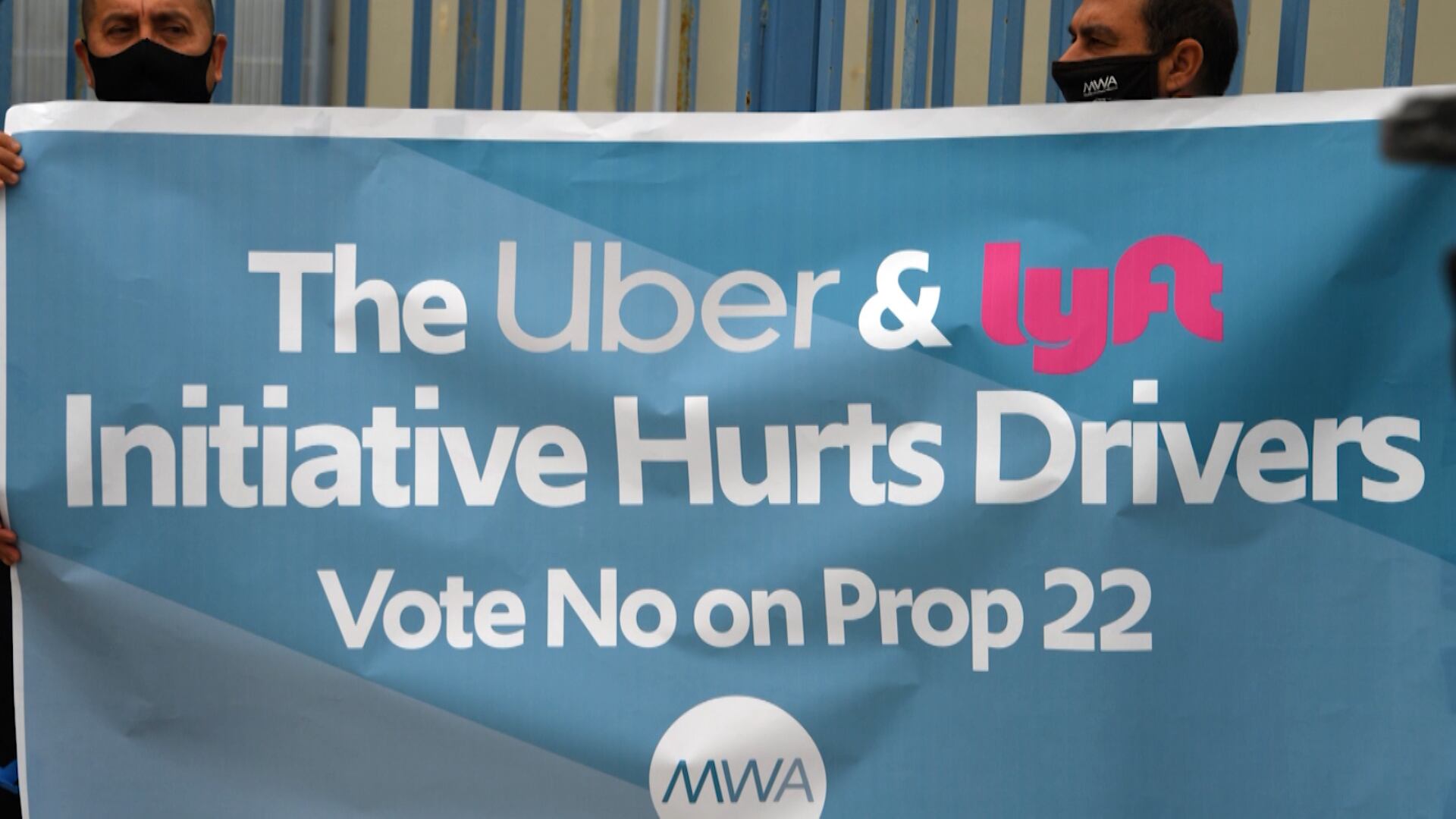
Looking Ahead to Regulating Uber, Lyft, and the Gig Economy in 2022
The push to regulate the gig worker economy is gaining steam as the share of workers who participate in freelancing through businesses like Uber and Lyft have also exponentially grown during the pandemic. Employment attorney Mark Kluger, founding partner at Kluger Healey, LLC, joined Cheddar to break down how the battle to reclassify gig workers will continue in the new year, and why the issue continues to generate conflict. "More and more workers are using gig work as their primary source of income and as a result of that they are not like employees in the sense that they don't have benefits like health insurance," Kluger noted.
Load More