The U.S. economy added 225,000 jobs in January, while unemployment ticked up to 3.6 percent, according to a report released today from the U.S. Bureau of Labor Statistics.
Despite the slight increase, the unemployment rate has held below 4 percent since 2018, leading to a tight job market and some of the lowest rates since the late 1960s.
That didn't stop a handful of sectors from hiring waves in January:
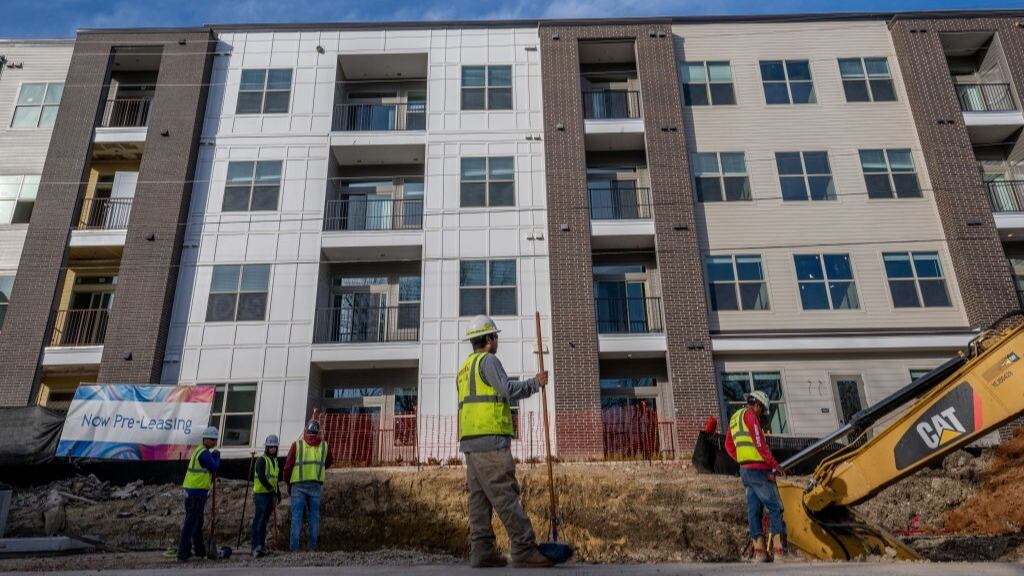
Health care added 36,000 jobs, including 23,000 in ambulatory health care, and 10,000 in hospitals. Transportation and warehousing picked up 28,000 jobs, including 14,000 couriers and messengers and 6,000 warehouse workers. Construction led the pack with 44,000 jobs focused on specialty contractors. Leisure and hospitality were close behind with 36,000 jobs.
Manufacturing was down for the third time in four months, with a net loss of 12,000 jobs. Most of the losses came from auto plants, which were impacted by Trump's tariff regime and global trade disputes, shedding 11,000 jobs over the month.
Employment in retail, information, financial activities, government, and mining barely budged.
But workers did see marginal wage gains. Average hourly earnings for private, nonfarm employees rose 7 cents to $28.44 per hour, while earnings increased 3.1 percent over the year.
Some numbers were unchanged in January, including the 1.2 million unemployed who have been jobless for 27 weeks and the 4.2 million employed only part-time for economic reasons.
The number of reentrants to the labor force, which includes people who have previously worked but were not in the labor force prior to looking for a job, was 183,000.
Out of the 5.9 million unemployed people, the rates differ across subgroups. Adult men (3.3. percent unemployed) are ahead of adult women (3.2 percent) who are ahead of Hispanics (4.3 percent) who are ahead of blacks (6.0 percent). Teenagers stood at 12.2 percent.
A total of 574,000 people joined the workforce in January, with a participation rate of 63.4 percent. The total labor participation of U.S. adults was 61.2 percent, the highest since 2008.
Despite the strong job numbers, stock markets opened down across the board on Friday.