*By Christian Smith*
The medtech start-up Heal has raised $20 million with plans to expand its house-call service to more cities in the United States.
The company announced its latest round of funding Tuesday, bringing the amount that the three year-old company has raised to more than $69 million. Heal's co-founder and CEO Nick Desai said he wants to use the new capital to expand and improve the technology that doctors can use to treat patients.
"The secrete sauce of Heal thus far has been to lower the operating costs of everything from booking and billing compared to a traditional office so that our doctors can do house calls," Desai said Tuesday in an interview with Cheddar. "Now we want to innovate technologies for the in-home care so that doctors have more data and more intelligence with which to deliver more precision care to patients."
The new investment comes from Bascom Ventures, Inflection Capital, IRA Capital, RLJ Equity Partners, Trans-Pacific Partners, and others including BET founder Robert Johnson, who told Cheddar he got involved with the start-up to help reach minority communities.
"It brings health care to people who in many cases are under-served because of their neighborhood, because of their economic status, or other factors that deprive them of the quality health care that most people would like to have," Johnson said.
As health care costs continue to rise across the country, Heal said it's looking to offer a more affordable option. The company has said its tech platform lowers operating costs and medical bureaucracy by 65 percent, leading to lower prices for patients.
Heal is one of a handful of health care start-ups that are looking to change the traditional patient-practice structure, where doctors see an average of 40 patients a day. One Medical is a primary care start-up with a membership model that cuts costs by limiting the number of patients its doctors see daily and using video consultations instead of in-office visits.
Doctor On Demand, another new primary care option, [recently raised $74 million](https://techcrunch.com/2018/04/25/video-consultation-service-doctor-on-demand-raised-74-million-so-everyone-can-see-a-doctor-anytime/) to expand its video consultation service capabilities.
Though these tech-based care providers only make up a small part of the health care market, major insurance companies are getting on board. Heal is an in-network PPO option for Blue Shield of California, Health Net, Anthem Blue Cross, Aetna, United Health Care, CareFirst, and other plans. Outside of an accepted healthcare plan, patients can see a Heal doctor at home for $99.
Since launching in March 2015, Heal doctors have made more than 60,000 house calls. The service is available in most major cities in California and in Washington, D.C., and Northern Virginia.
For the full interview, [click here](https://cheddar.com/videos/doctor-house-call-start-up-heal-expanding).
Fold CEO & Co-founder Will Reeves joins Cheddar News' Closing Bell, where he discusses what his company's augmented reality metaverse involves and elaborates on Fold's goals surrounding the new initiative.
Donald Pettey, Program Manager for Strategic Initiatives for MassDOT, and Mohammed Siddiqui, Vice President of Public Relations at Ko-Solar, join Cheddar Climate, where they discuss their plan to test highway barriers that absorb sound and solar energy, with construction expected to begin in the first half of 2022.
President Joe Biden's "Build Back Better" bill could mean cheaper electric bicycles and scooters as the nation attempts to shift away from gas-powered cars. Noa Banayan, the director of federal affairs at PeopleForBikes, joined Cheddar's "Closing Bell" to provide some background on the E-Bike Act included in Biden's reconciliation bill that would provide tax credits for qualified purchases. "We want to make sure, from the bike industry's perspective, that this is a technology and a product that is available to the majority of Americans who want to lower their carbon footprint and get around town faster and do everything that they would normally do in a short car trip but by bike, because it's healthier, it's fast, it's efficient, you're not in traffic," she said.
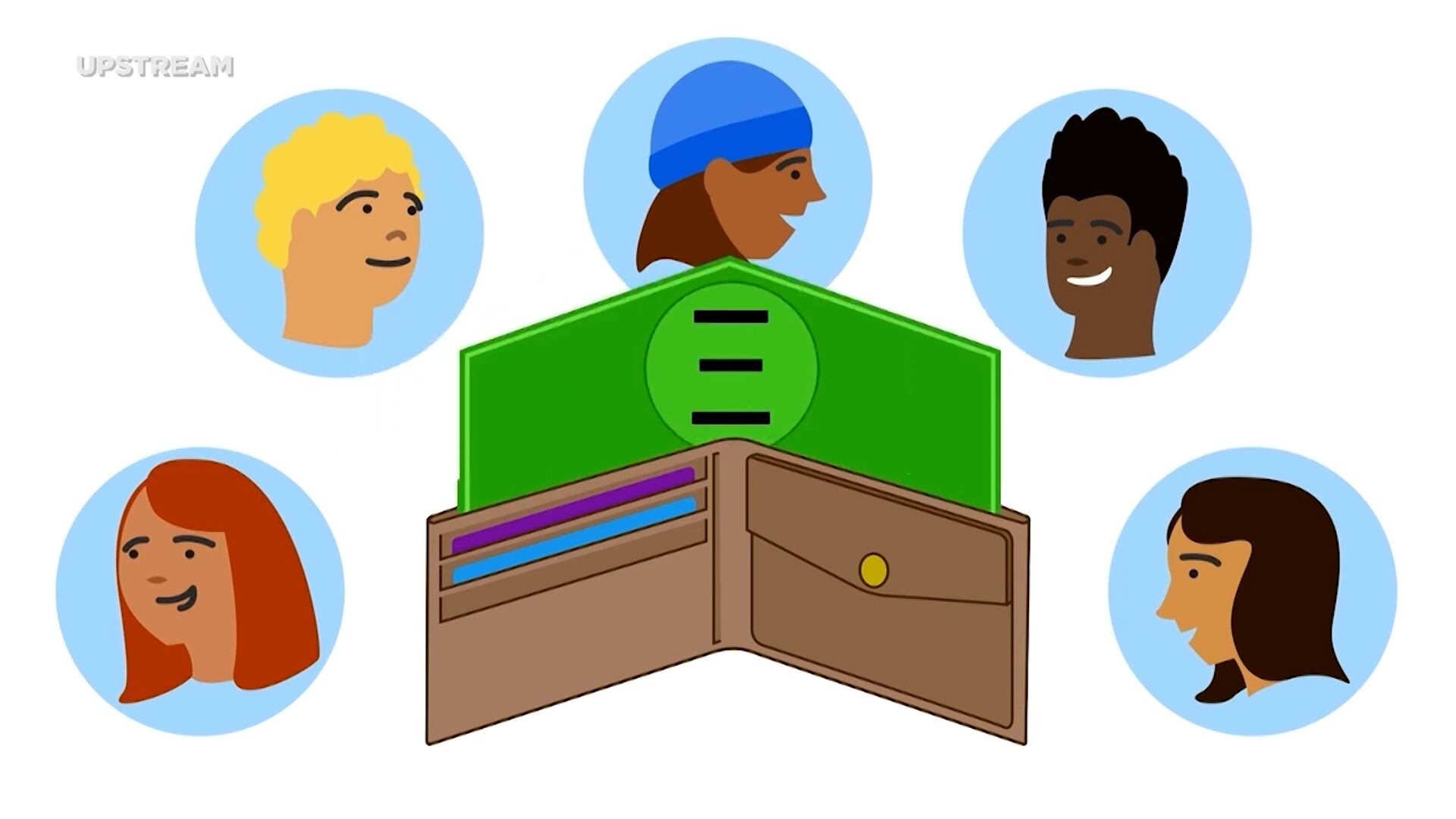
It's being called the next big trend in crypto. A decentralized autonomous organization, or DAO, is an internet community of different types of groups and businesses. The purpose is to allow people to commit funds to a specific cause in a safe way. Now, one social platform is creating a do-it-yourself kit for those who want to step into the space. Upstream Collective just launched the beta mode of its platform with the goal of putting all facets of running a DAO in one place. Alex Taub, co-founder and CEO of Upstream, joins Cheddar News to discuss.
Walmart and Zipline have teamed up to launch a drone delivery service in Pea Ridge, Arkansas. The service delivers products to customers within a 50-mile radius of the store. Liam O'Connor, COO of Zipline, joins Cheddar News to talk more about the partnership.
A NASA spacecraft that will deliberately crash into an asteroid is preparing to launch this week. The goal of the DART mission, or the Double Asteroid Redirection Test, is to hit the smaller of the two asteroids, Dimorphos, with the spacecraft at about 15,000 miles per hour and see how the impact changes the asteroid’s trajectory. Joey Roulette, space reporter at The New York Times, joins Cheddar News to talk more about it.
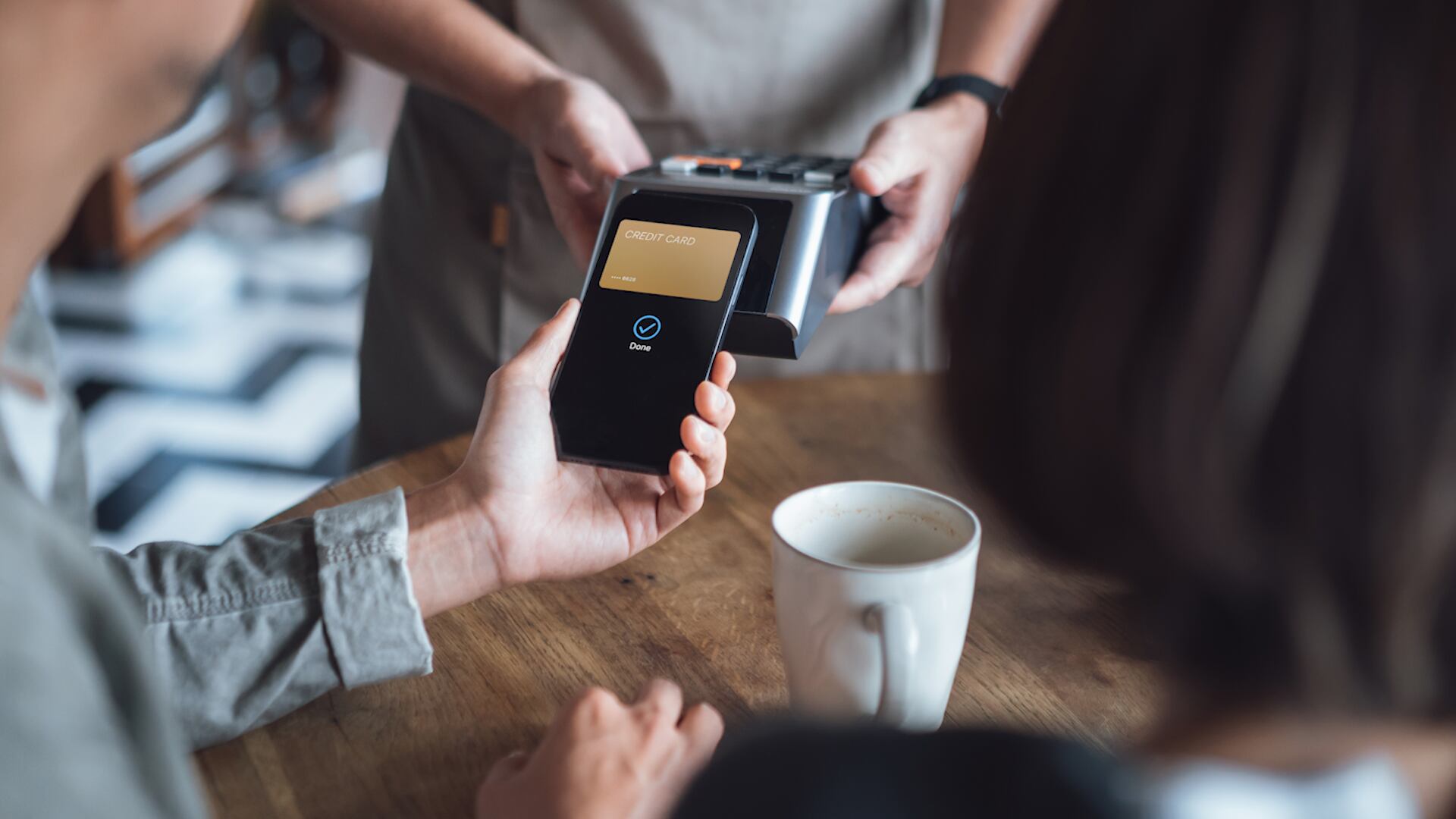
On this episode of Cheddar Reveals, Yair Nechmad, Nayax CEO, discusses the future of cashless payments, and how cashless payments give retailers a competitive edge and allow merchants to scale business; Jason Thomas, Global CEO of Tappit, breaks down how the pandemic accelerated the transition to cash-free live events, and why that trend is here to stay; Cheddar gets a look at Curiosity Steam's 'Blockchain Revolution.'
Not long ago, banning cash at a large public event would have been seen as a crazy idea that would deter sales. But our cash-free future is getting closer with the use of contactless payments being implemented in sports venues, music festivals, concerts, and more. Jason Thomas, Global CEO of Tappit, joins Cheddar Reveals to break down how the pandemic accelerated the transition to cash-free live events, and why that trend is here to stay.
Yair Nechmad, Nayax CEO, joins Cheddar Reveals to discuss the future of cashless payments, and how cashless payments give retailers a competitive edge and allow merchants to scale business.