*By Christian Smith*
The medtech start-up Heal has raised $20 million with plans to expand its house-call service to more cities in the United States.
The company announced its latest round of funding Tuesday, bringing the amount that the three year-old company has raised to more than $69 million. Heal's co-founder and CEO Nick Desai said he wants to use the new capital to expand and improve the technology that doctors can use to treat patients.
"The secrete sauce of Heal thus far has been to lower the operating costs of everything from booking and billing compared to a traditional office so that our doctors can do house calls," Desai said Tuesday in an interview with Cheddar. "Now we want to innovate technologies for the in-home care so that doctors have more data and more intelligence with which to deliver more precision care to patients."
The new investment comes from Bascom Ventures, Inflection Capital, IRA Capital, RLJ Equity Partners, Trans-Pacific Partners, and others including BET founder Robert Johnson, who told Cheddar he got involved with the start-up to help reach minority communities.
"It brings health care to people who in many cases are under-served because of their neighborhood, because of their economic status, or other factors that deprive them of the quality health care that most people would like to have," Johnson said.
As health care costs continue to rise across the country, Heal said it's looking to offer a more affordable option. The company has said its tech platform lowers operating costs and medical bureaucracy by 65 percent, leading to lower prices for patients.
Heal is one of a handful of health care start-ups that are looking to change the traditional patient-practice structure, where doctors see an average of 40 patients a day. One Medical is a primary care start-up with a membership model that cuts costs by limiting the number of patients its doctors see daily and using video consultations instead of in-office visits.
Doctor On Demand, another new primary care option, [recently raised $74 million](https://techcrunch.com/2018/04/25/video-consultation-service-doctor-on-demand-raised-74-million-so-everyone-can-see-a-doctor-anytime/) to expand its video consultation service capabilities.
Though these tech-based care providers only make up a small part of the health care market, major insurance companies are getting on board. Heal is an in-network PPO option for Blue Shield of California, Health Net, Anthem Blue Cross, Aetna, United Health Care, CareFirst, and other plans. Outside of an accepted healthcare plan, patients can see a Heal doctor at home for $99.
Since launching in March 2015, Heal doctors have made more than 60,000 house calls. The service is available in most major cities in California and in Washington, D.C., and Northern Virginia.
For the full interview, [click here](https://cheddar.com/videos/doctor-house-call-start-up-heal-expanding).
Cathy Hackl, CEO of Futures Intelligence Group, joins Cheddar to talk about the future of the metaverse, and how companies are making moves to become a part of it.
Six states have confirmed cases of the new Omicron coronavirus variant, and this number is expected to grow. Cheddar's Hena Doba speaks with Dr. William Schaffner,
Professor of Preventive Medicine at Vanderbilt University Medical Center, on the latest developments.
Earnings season continues in the week of December 6 - 10, and that's only the start of a slate of events on the calendar that may move markets. We will also see executives from the crypto world and Instagram Head Adam Mosseri testify before members of Congress, and Square's name change to Block officially goes into effect.
Joe Gagliese, Co-Founder and CEO of Viral Nation, joins Cheddar News' Closing Bell, where he discusses how influencer marketing is coming to cryptocurrencies and NFTs and outlines what we could expect to see on that front in 2022.
Many restaurants across the country have lately turned off delivery and online orders during peak hours, as eateries are still struggling with labor shortages and as many are also seeing more customers return for in-person dining. Wall Street Journal reporter Heather Haddon joins Cheddar News' Closing Bell to discuss.
Hologram communication platform maker PORTL is looking to take communication to the next level. Founder and CEO David Nussbaum joined Cheddar to talk about the company's recent $12 million Series A funding round that will be used to bring the concept of holoportation to market. Nussbaum noted his hologram technology is just not comparable to augmented reality or virtual metaverses because the image projection is happening in real-time and in actual reality. "Well, unlike VR or AR, we're 'R.' We're real. You don't need a headset. You don't need wearables. You don't need to download anything. It's incredible," he said.
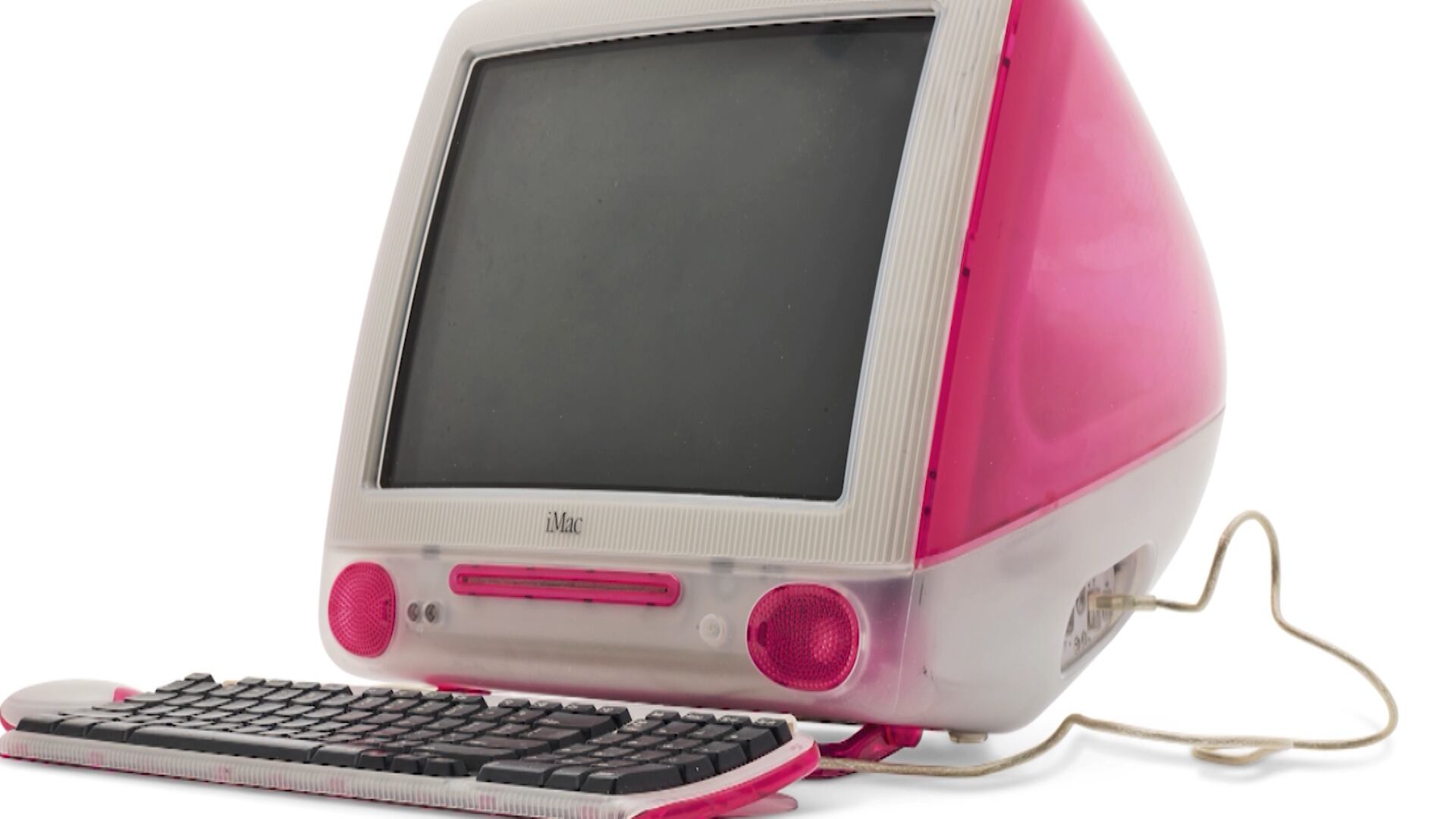
Wikipedia founder Jimmy Wales stopped by Cheddar's "Between Bells" to talk about his Birth of Wikipedia auction at Christie's putting two items linked to the origins of Wikipedia up for sale. On the auction block are his original strawberry iMac that was used to create the long-running online encyclopedia and what Wales described as an interactive NFT of his first Wikipedia edit rather than a static image. "Once it's been sold, the owner can turn it on, and anyone can edit the page and it will be reflected in the NFT," he said.
Local Bounti rang the opening bell December 3 in honor of its recent trading debut on the NYSE after closing a $1.1 billion SPAC deal. The company operates an indoor growing facility in Montana and aims to transform the production and delivery of local, fresh and sustainably-grown leafy greens. Craig Hurlbert, co-founder and co-CEO of Local Bounti, joined Cheddar to discuss the company's goals as a newly publicly-traded company.