*By Christian Smith*
The medtech start-up Heal has raised $20 million with plans to expand its house-call service to more cities in the United States.
The company announced its latest round of funding Tuesday, bringing the amount that the three year-old company has raised to more than $69 million. Heal's co-founder and CEO Nick Desai said he wants to use the new capital to expand and improve the technology that doctors can use to treat patients.
"The secrete sauce of Heal thus far has been to lower the operating costs of everything from booking and billing compared to a traditional office so that our doctors can do house calls," Desai said Tuesday in an interview with Cheddar. "Now we want to innovate technologies for the in-home care so that doctors have more data and more intelligence with which to deliver more precision care to patients."
The new investment comes from Bascom Ventures, Inflection Capital, IRA Capital, RLJ Equity Partners, Trans-Pacific Partners, and others including BET founder Robert Johnson, who told Cheddar he got involved with the start-up to help reach minority communities.
"It brings health care to people who in many cases are under-served because of their neighborhood, because of their economic status, or other factors that deprive them of the quality health care that most people would like to have," Johnson said.
As health care costs continue to rise across the country, Heal said it's looking to offer a more affordable option. The company has said its tech platform lowers operating costs and medical bureaucracy by 65 percent, leading to lower prices for patients.
Heal is one of a handful of health care start-ups that are looking to change the traditional patient-practice structure, where doctors see an average of 40 patients a day. One Medical is a primary care start-up with a membership model that cuts costs by limiting the number of patients its doctors see daily and using video consultations instead of in-office visits.
Doctor On Demand, another new primary care option, [recently raised $74 million](https://techcrunch.com/2018/04/25/video-consultation-service-doctor-on-demand-raised-74-million-so-everyone-can-see-a-doctor-anytime/) to expand its video consultation service capabilities.
Though these tech-based care providers only make up a small part of the health care market, major insurance companies are getting on board. Heal is an in-network PPO option for Blue Shield of California, Health Net, Anthem Blue Cross, Aetna, United Health Care, CareFirst, and other plans. Outside of an accepted healthcare plan, patients can see a Heal doctor at home for $99.
Since launching in March 2015, Heal doctors have made more than 60,000 house calls. The service is available in most major cities in California and in Washington, D.C., and Northern Virginia.
For the full interview, [click here](https://cheddar.com/videos/doctor-house-call-start-up-heal-expanding).
Over the past decade, the resale market has completely transformed, allowing people to utilize platforms such as Etsy, Poshmark, eBay, and more to create a lucrative business from the comfort of their homes. However, as the space of secondhand sellers and thrifters gets more and more crowded, small businesses are facing bigger obstacles to not only thrive in the market but also survive. Yvette Liebesman, a law professor at Saint Louis, joins Cheddar News to discuss.
A new report from CNBC says Instagram recently reached a new milestone -- 2 billion monthly active users. It comes amid a year of controversy for the photo-sharing app and its parent company, Meta. SocialFlow CEO Jim Anderson joins Cheddar News' Closing Bell to discuss.
MotorTrend named the Rivian R1T as the 2022 truck of the year - a prestigious title given by the publication as a way for automakers to tout third-party validation. Rivian beat out traditional, legacy truck favorites like Ford and General Motors.
MotorTrend said the company earned high marks for safety, efficiency, value, advanced design, engineering excellence, and performance of intended function. MotorTend head of editorial Ed Loh joins Cheddar News' Closing Bell to discuss.
There is a new way for investors to bet on cannabis - the AdvisorShares Poseidon Dynamic Cannabis ETF targets about 20 of the biggest names in U.S. cannabis. It comes at a time when it's still difficult for investors to access the space. Cheddar News cannabis reporter Chloe Aiello spoke with co-founder and managing director for Poseidon Investment Management, Emily Paxhia.
Danvas is a new company that aims to bring NFTs and digital artwork into the real world through an interactive, museum-quality display. The company says its product is the first premium, luxury digital art canvas, which it hopes will accelerate the world's appreciation of digital artists and their work, and empower collectors to acquire more NFT art. Danvas also just announced its launch this week, with a $7 million seed round from some big-name backers. Danvas co-founder and CEO Jeanne Anderson joins Cheddar News' Closing Bell to discuss.
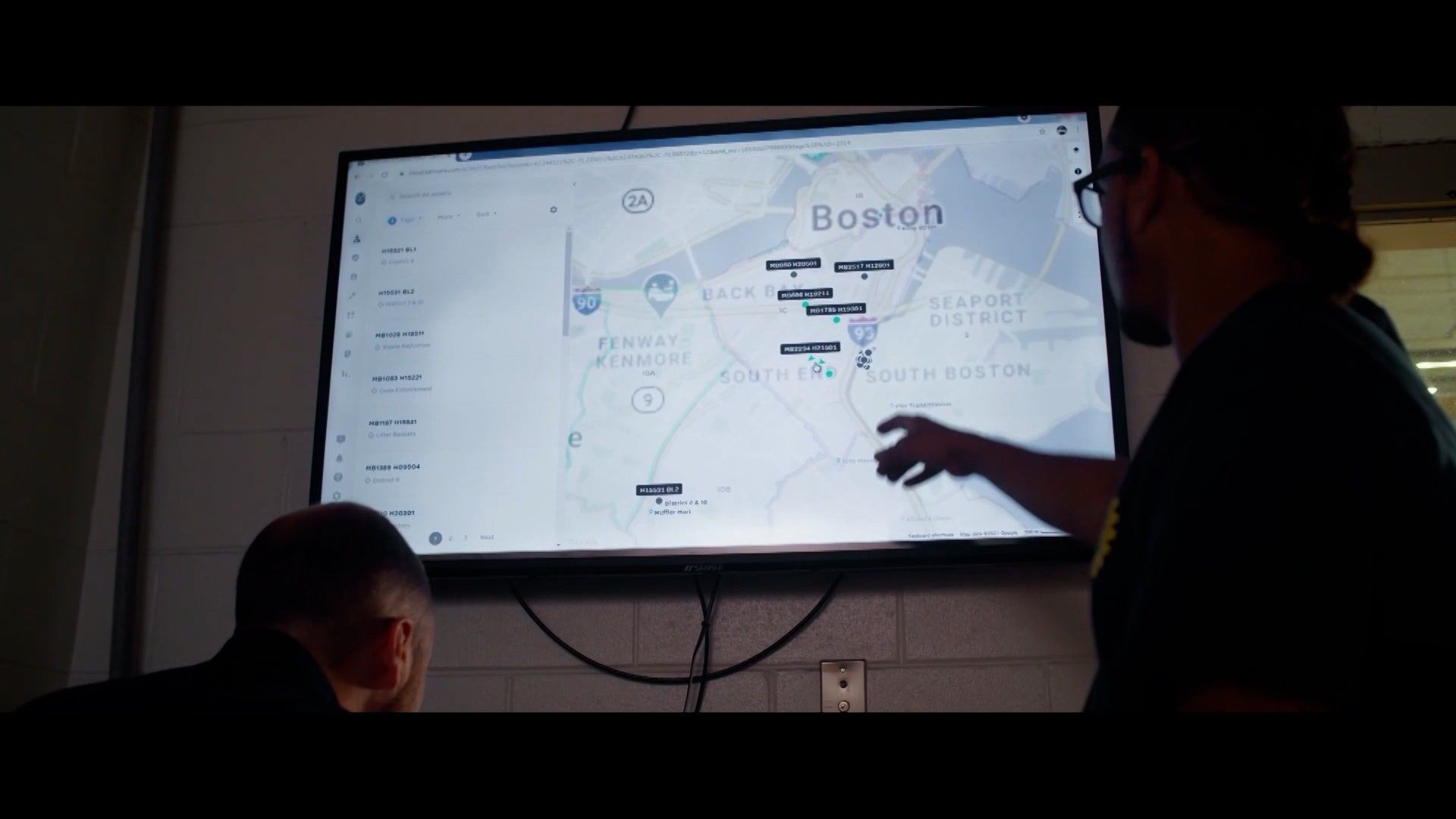
The California-based tech company specializing in enterprise cloud-based data analysis of connected internet of things (IoT) has gone public on the NYSE, and Samsara's CFO Dominic Phillips told Cheddar's Kristen Scholer that the timing was right for the public offering for the firm's next phase of growth. "We're going to continue to add to our go-to-market motion, we'll continue to build out our international presence, we'll continue to add more selling capacity specifically as we look to penetrate larger enterprise customers, and we'll look to continue to deploy money in R&D," he said.
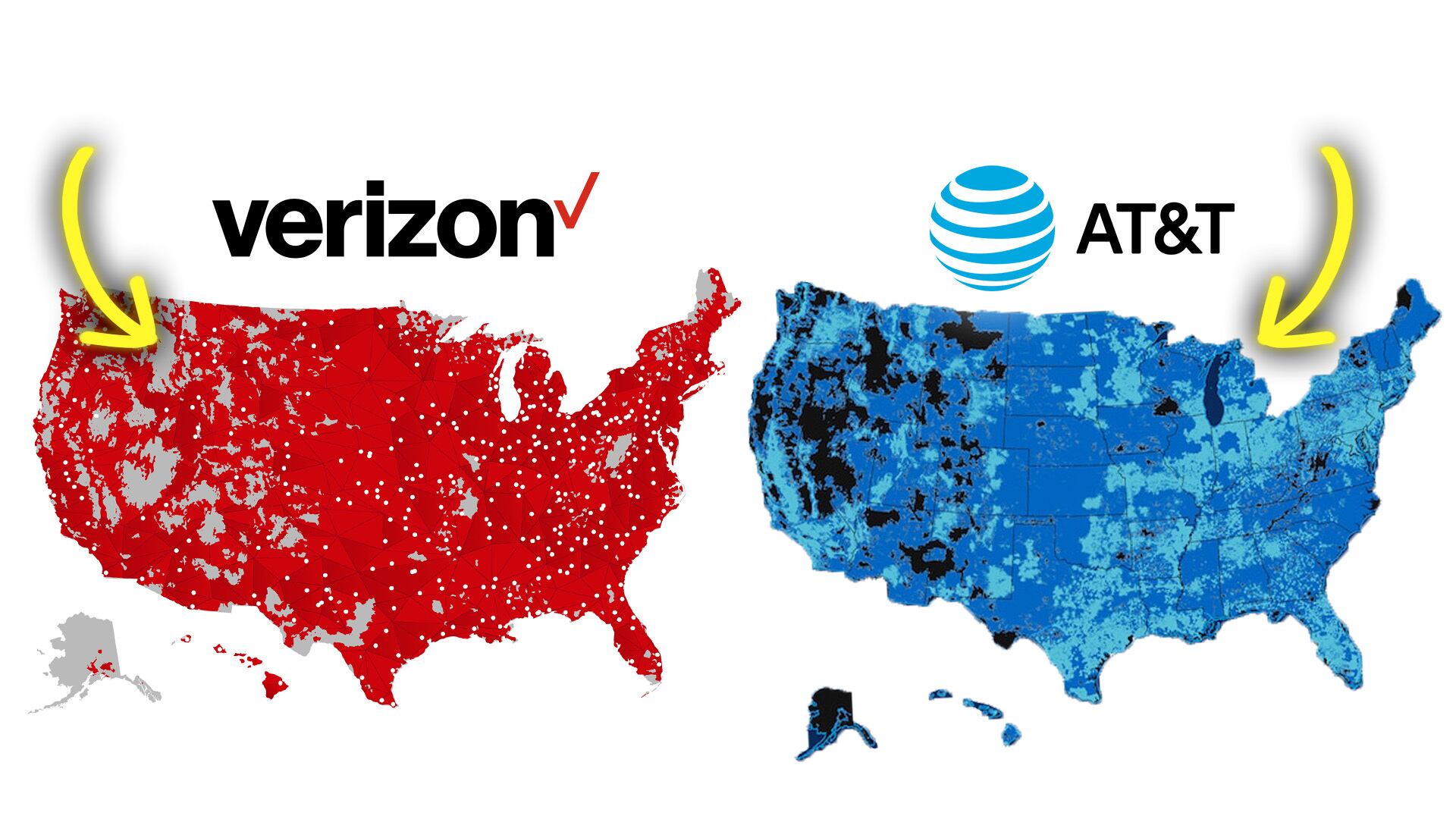
If you’ve ever struggled with a slow home internet connection or mobile data download in the United States, you’re not alone. Despite mobile and internet companies claiming to have “the best nationwide coverage,” or whatever it is they say in those ads, millions of Americans still lack access to reliable, high-speed internet. But you may be surprised to learn who the real culprit behind this ongoing issue is: flawed, overly-optimistic government maps.
VR/AR collaboration platform Spatial is diving head first into the Metaverse. The company is switching up its image--now branding itself as 'the metaverse for cultural events,' aiming to become the new virtual hub for NFT galleries, brand experiences, and large-scale conferences. Jacob Loewenstein, Head of Business, Spatial, joined Cheddar's Opening Bell to discuss the company's pivot.
The past year has been huge for delivery services as people largely stayed home during the pandemic. Getir, an Istanbul-based company delivering goods in just 10 minutes, is officially launching in NYC. It comes as the company continues its international expansion. Nazim Salur, Founder, Getir, joined Cheddar's Opening Bell to discuss the opportunities in the new market.