*By Christian Smith*
The medtech start-up Heal has raised $20 million with plans to expand its house-call service to more cities in the United States.
The company announced its latest round of funding Tuesday, bringing the amount that the three year-old company has raised to more than $69 million. Heal's co-founder and CEO Nick Desai said he wants to use the new capital to expand and improve the technology that doctors can use to treat patients.
"The secrete sauce of Heal thus far has been to lower the operating costs of everything from booking and billing compared to a traditional office so that our doctors can do house calls," Desai said Tuesday in an interview with Cheddar. "Now we want to innovate technologies for the in-home care so that doctors have more data and more intelligence with which to deliver more precision care to patients."
The new investment comes from Bascom Ventures, Inflection Capital, IRA Capital, RLJ Equity Partners, Trans-Pacific Partners, and others including BET founder Robert Johnson, who told Cheddar he got involved with the start-up to help reach minority communities.
"It brings health care to people who in many cases are under-served because of their neighborhood, because of their economic status, or other factors that deprive them of the quality health care that most people would like to have," Johnson said.
As health care costs continue to rise across the country, Heal said it's looking to offer a more affordable option. The company has said its tech platform lowers operating costs and medical bureaucracy by 65 percent, leading to lower prices for patients.
Heal is one of a handful of health care start-ups that are looking to change the traditional patient-practice structure, where doctors see an average of 40 patients a day. One Medical is a primary care start-up with a membership model that cuts costs by limiting the number of patients its doctors see daily and using video consultations instead of in-office visits.
Doctor On Demand, another new primary care option, [recently raised $74 million](https://techcrunch.com/2018/04/25/video-consultation-service-doctor-on-demand-raised-74-million-so-everyone-can-see-a-doctor-anytime/) to expand its video consultation service capabilities.
Though these tech-based care providers only make up a small part of the health care market, major insurance companies are getting on board. Heal is an in-network PPO option for Blue Shield of California, Health Net, Anthem Blue Cross, Aetna, United Health Care, CareFirst, and other plans. Outside of an accepted healthcare plan, patients can see a Heal doctor at home for $99.
Since launching in March 2015, Heal doctors have made more than 60,000 house calls. The service is available in most major cities in California and in Washington, D.C., and Northern Virginia.
For the full interview, [click here](https://cheddar.com/videos/doctor-house-call-start-up-heal-expanding).
Back in February 2021, Twitter announced its three-year plan to double development velocity, to reach 315 million monetizable users, and double its total annual revenue. Chief Customer Officer Sarah Personette, joined Cheddar to discuss where the social media giant stands now a year after the announcement. "The progress against all three of those pillars has been substantial, and we'll continue to drive that over the course of the next year and beyond," she said. Personette also discussed the leadership of Twitter's CEO Parag Agrawal who took over for founder Jack Dorsey late in 2021.
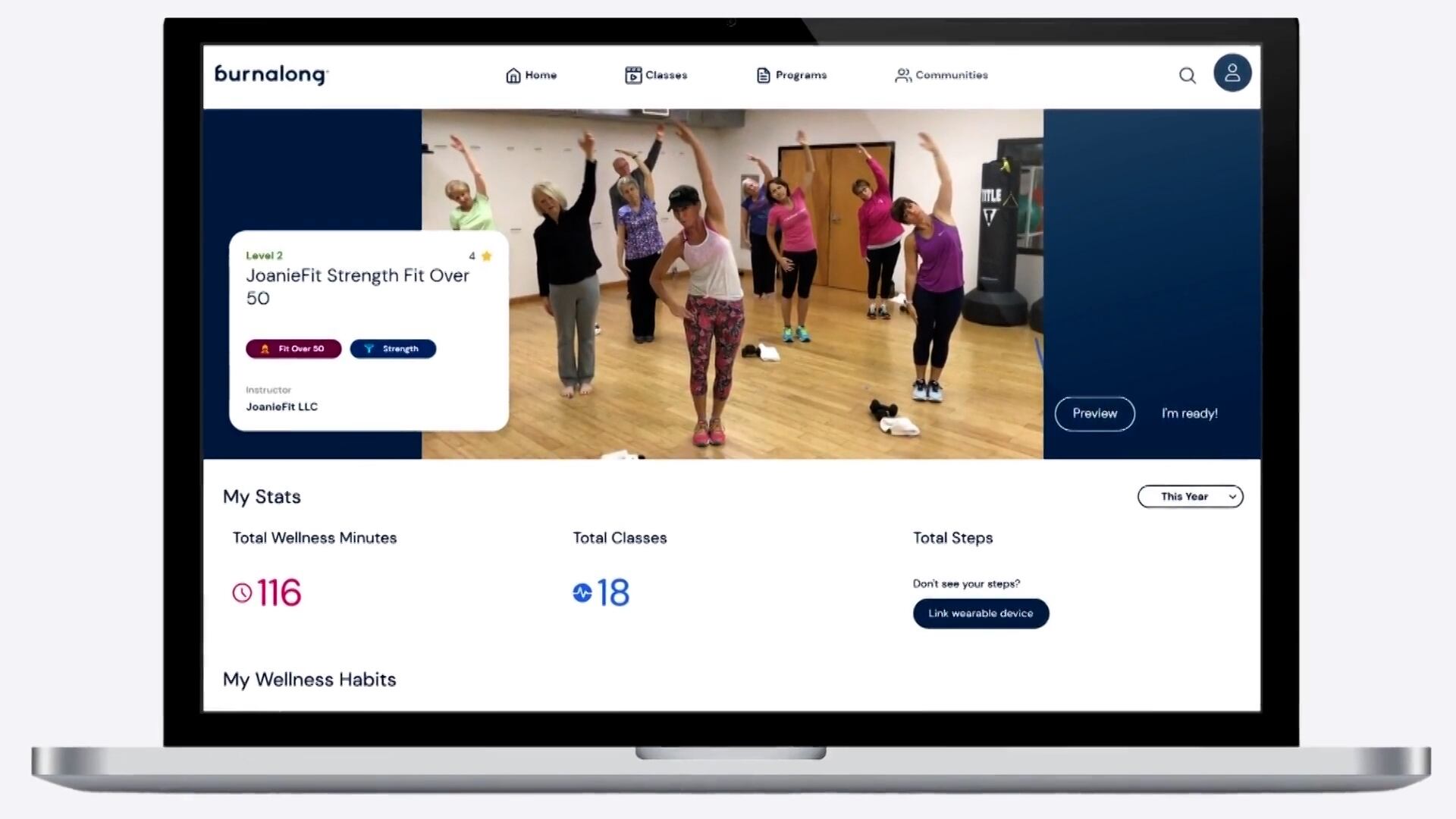
Daniel Freedman, co-CEO of Burnalong, joins Cheddar News to talk about how Burnalong is helping companies support its staff and prevent workplace burnout.
A record 4.5 million Americans quit their jobs in November as people continue to take advantage of red hot job market. The resignation rate is now the highest in the two decades the government has kept records, with many people voluntarily leaving their current jobs for other opportunities. Harley Lippman, CEO of Genesis 10, discusses how why so many people are quitting their jobs right now, and how the tech sector is being impacted.
It was 'game on' for sports bettors in the state of New York, as mobile betting kicked off on four major betting operating platforms Saturday. This comes at an exciting time for sports fans with some of the biggest NFL games of the season right around the corner. Cam Rogers - Host of Lock It In with Cam Rogers, Betting Analyst at the Bleav Podcast Network joined Cheddar's Opening Bell to discuss.
Take-Two Interactive is set to buy Zynga for $12.7 billion. The deal marks the latest blockbuster acquisition in the video game industry. The massive deal will bring the maker of popular mobile games like 'Farmville' and 'Words with Friends' under the scope of Take-Two, the company behind 'Grand Theft Auto' and 'NBA 2K.' Kenny Rovello, President & Co-Founder of Arkadium, joined Cheddar's Opening Bell to discuss.
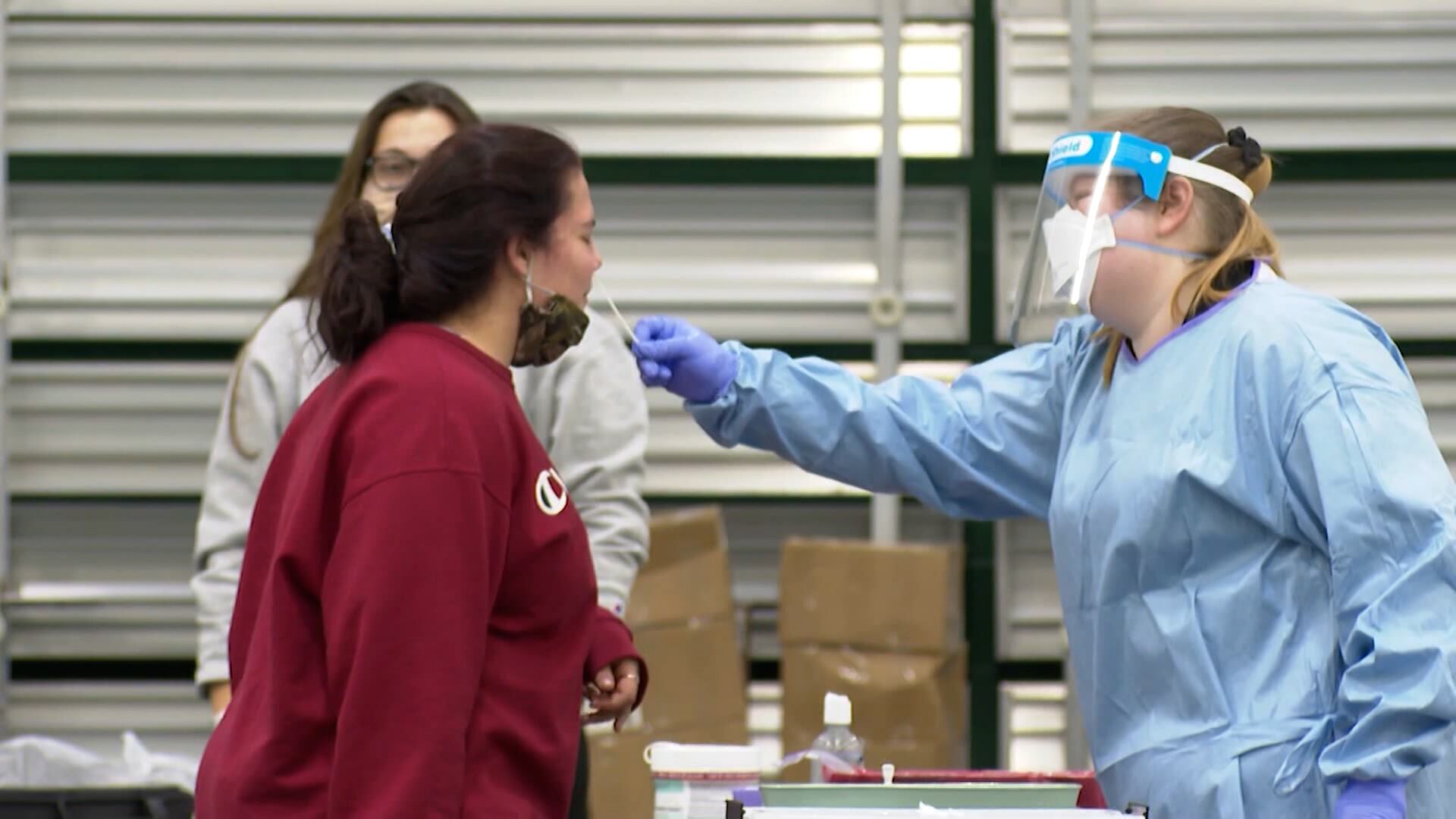
The United States purchased over 600,000 doses of a monoclonal antibody treatment from Glaxosmithkline and Vir Biotechnology, bringing the total worldwide doses purchased to 1.7 million. This comes as the country attempts to ramp up treatment options as cases of the omicron variant continue to surge. Dr. Asha Shah, Director of Infectious Diseases at Stamford Health joined Cheddar's Opening Bell to discuss.
GameStop is getting into the NFT and crypto space. The video game retailer announced the launch of an entire division aimed at creating a marketplace for NFTs and other crypto partnerships. The move comes as part of a turnaround plan by GameStop which has struggled in recent years as gamers shift away from physical game releases. Patrick McConlogue, CEO, Overline & Former Citadel Investment Group Engineer joined Cheddar's Opening Bell.
Max Bichsel, vice president at Gambling.com Group joins Cheddar News to talk about the growing sports betting industry, New York legalizing mobile betting, and 2022 predictions for the sector.
Meta's request to have a Federal Trade Commission antitrust lawsuit dismissed was rejected by a federal judge. Prosecutors presented enough evidence in their latest filing to go forward with the case accusing the tech giant of operating a social networking monopoly through Facebook, Instagram, and WhatsApp.