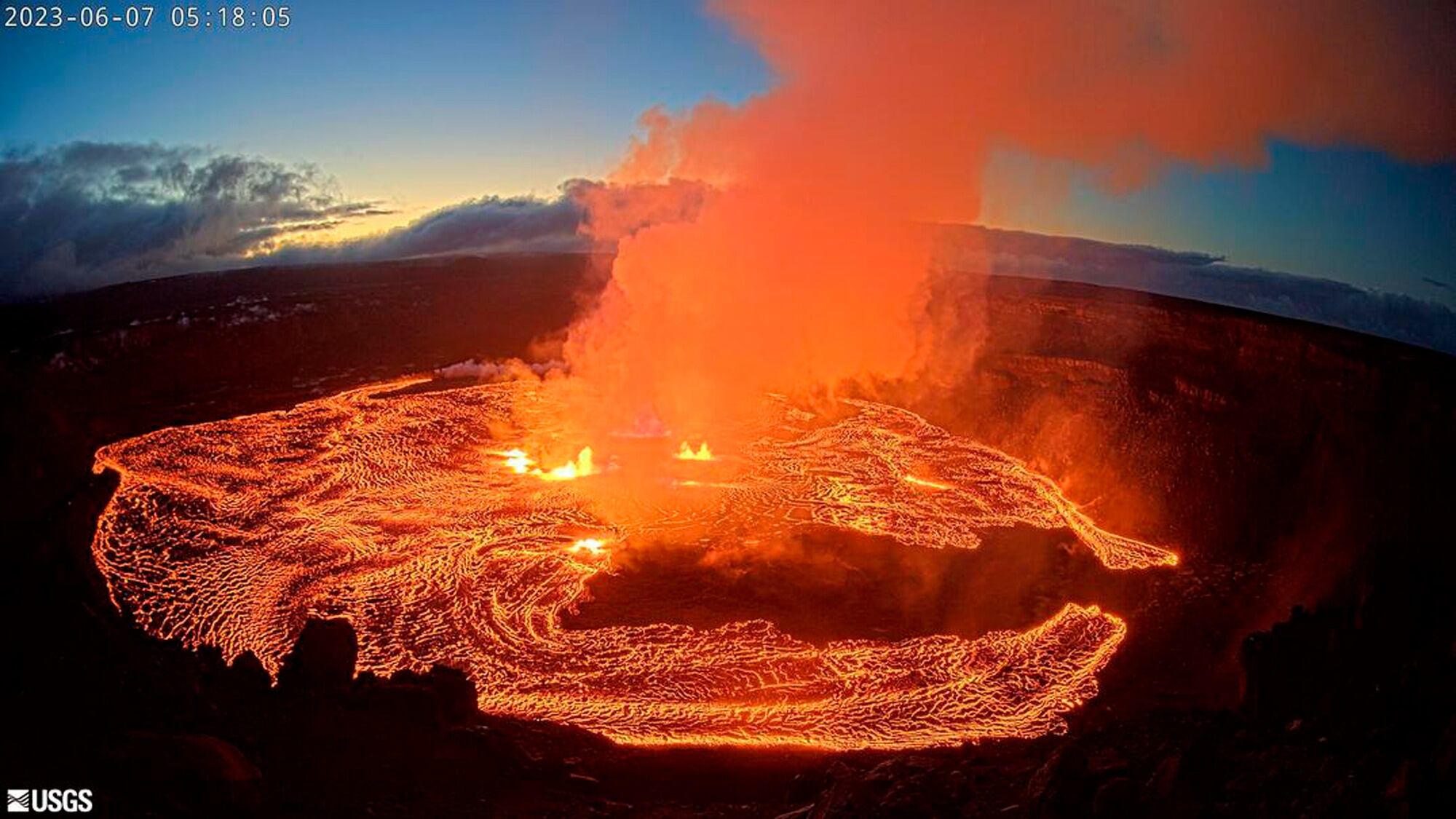
In this webcam image provided by the U.S. Geological Survey, an eruption takes place on the summit of the Kilauea volcano in Hawaii, Wednesday, June 7, 2023. (U.S. Geological Survey via AP)
By Jennifer Sinco Kelleher and Mark Thiessen
Kilauea, one of the most active volcanoes in the world, began erupting on Wednesday after a three-month pause, displaying spectacular fountains of mesmerizing, glowing lava that's a safe distance from people and structures in a national park on the Big Island.
The U.S. Geological Survey's Hawaiian Volcano Observatory said in a statement that a glow was detected in webcam images from Kilauea’s summit early in the morning, indicating that an eruption was occurring within the Halemaumau crater in the summit caldera.
The images show fissures at the base of the crater generating lava flows on the crater floor's surface, the observatory said.
Before issuing the eruption notice, the observatory said increased earthquake activity and changes in the patterns of ground deformation at the summit started Tuesday night, indicating the movement of magma in the subsurface.
“We’re not seeing any signs of activity out on the rift zones right now,” said Mike Zoeller, a geologist with the observatory. “There’s no reason to expect this to transition into a rift eruption that would threaten any communities here on the island with lava flows or anything like that.”
All activity was within a closed area of Hawaii Volcanoes National Park.
“The lava this morning is all confined within ... the summit caldera. So plenty of room for it still to produce more without threatening any homes or infrastructure,” said park spokesperson Jessica Ferracane. “So that’s the way we like our eruptions here.”
She said park officials are bracing for crowds to arrive because visitors can see the eruption from many overlooks.
“Kilauea overlook was spectacular this morning," she said of the vast lava lake. “It was molten red lava. There’s several areas of pretty robust fountaining. It’s just really, really pretty.”
The lava lake, covering the crater floor over lava that remained from previous eruptions, measured at about 371 acres (150 hectares) at about 6 a.m., Zoeller said. It measured about 4,300 feet (1,300 meters) wide.
Word was getting out and parking lots were starting to fill up at the park, she said, adding that she expected long lines getting into the park by evening.
Since the park is open 24 hours a day, visitors can beat the crowds by visiting between 9 p.m. and sunrise, Ferracane said.
She reminded visitors to stay out of closed areas and remain on marked trails for safety reasons, including avoiding gases from the eruption.
Two small earthquakes jolted Janice Wei, who lives in nearby town of Volcano. As a volunteer photographer for the park, she was able to see fountains she estimated to be 150 feet (46 meters) high at around 4:30 a.m.
She said she saw about 15 fountains, which were dying down by mid-morning.
The volcano’s alert level was raised to warning status and the aviation color code went to red as scientists evaluate the eruption and associated hazards.
Kilauea, Hawaii's second-largest volcano, erupted from September 2021 until last December. For about two weeks in December, Hawaii’s biggest volcano, Mauna Loa, also was erupting on Hawaii’s Big Island.
This eruption is looking very similar, Zoeller said: “This eruption is following a very similar playbook to the last three that we’ve seen here since 2020.”
A 2018 Kilauea eruption destroyed more than 700 homes.
Before the major 2018 eruption, Kilauea had been erupting since 1983, and streams of lava occasionally covered farms and homes. During that time, the lava sometimes reached the ocean, causing dramatic interactions with the water.
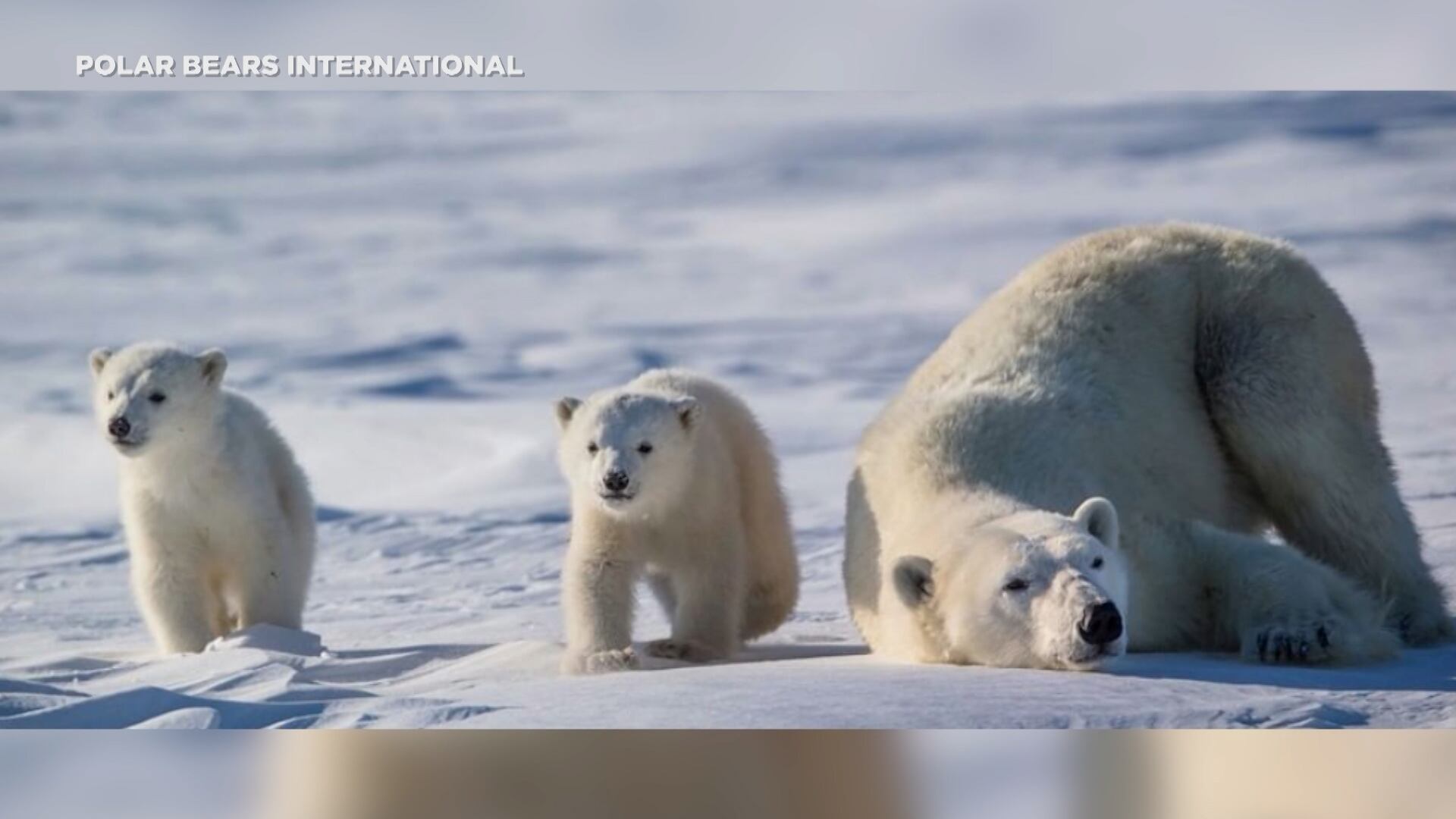
Alysa McCall, director of conservation outreach and staff scientist at Polar Bears International, joined Cheddar to discuss the ongoing fight to protect polar bears from extinction while world leaders gathered to discuss the climate crisis. McCall explained her organization's mission "to ensure the long term survival of polar bears by helping ensure their arctic sea ice habitat remains intact." McCall said she hopes actionable steps are taken after the UN climate summit to mitigate the crisis and not just more promises.
Moderna reported a massive miss on revenue in its Q3 earnings, taking in $5 billion versus the expected $6.21 billion despite sales of the COVID-19 vaccine. The pharmaceutical giant's stock dropped sharply on the news.
Carlo and Baker discuss the fallout from Tuesday's election and the flashing warning sign for Dems ahead of the midterms. Also, a big 2A case at the Supreme Court, Aaron Rodgers has Covid and is in big trouble, and a first for the MCU.
Carlo and Baker discuss the election results across the country, including a Republican comeback in Virginia -- and possibly NJ -- plus the CDC gives the go-ahead for child vaccinations, Atlanta wins the World Series and more.
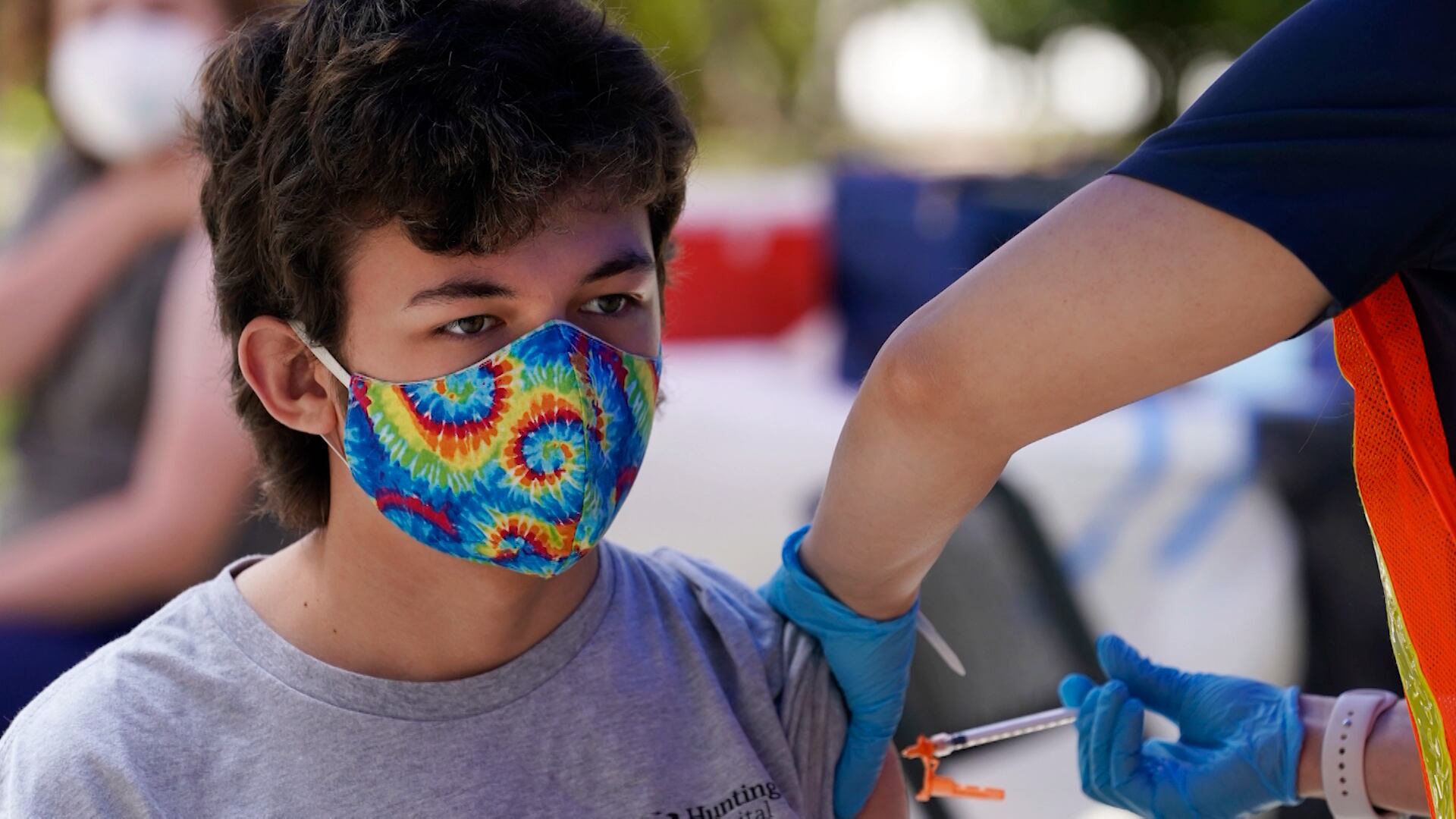
Dr. Julie Morita, executive vice president of Robert Wood Johnson Foundation, joined Cheddar to discuss the CDC advisory panel recommending the Pfizer vaccine for children ages 5-11. "We've seen many millions of children getting sick, many hospitalized, many dying because of COVID," Morita said. "And so now we have a new tool that we can use to keep our children safe." She also noted that hesitancy among parents about vaccinating their children will likely fade in time as the childhood vaccine program gets underway.
Matthew Oxenford, Analyst at the Economist Intelligence Unit, joins a special edition of Cheddar Climate, where he discusses the responsibilities big businesses across multiple sectors have when it comes to combating the effects of climate change around the world.
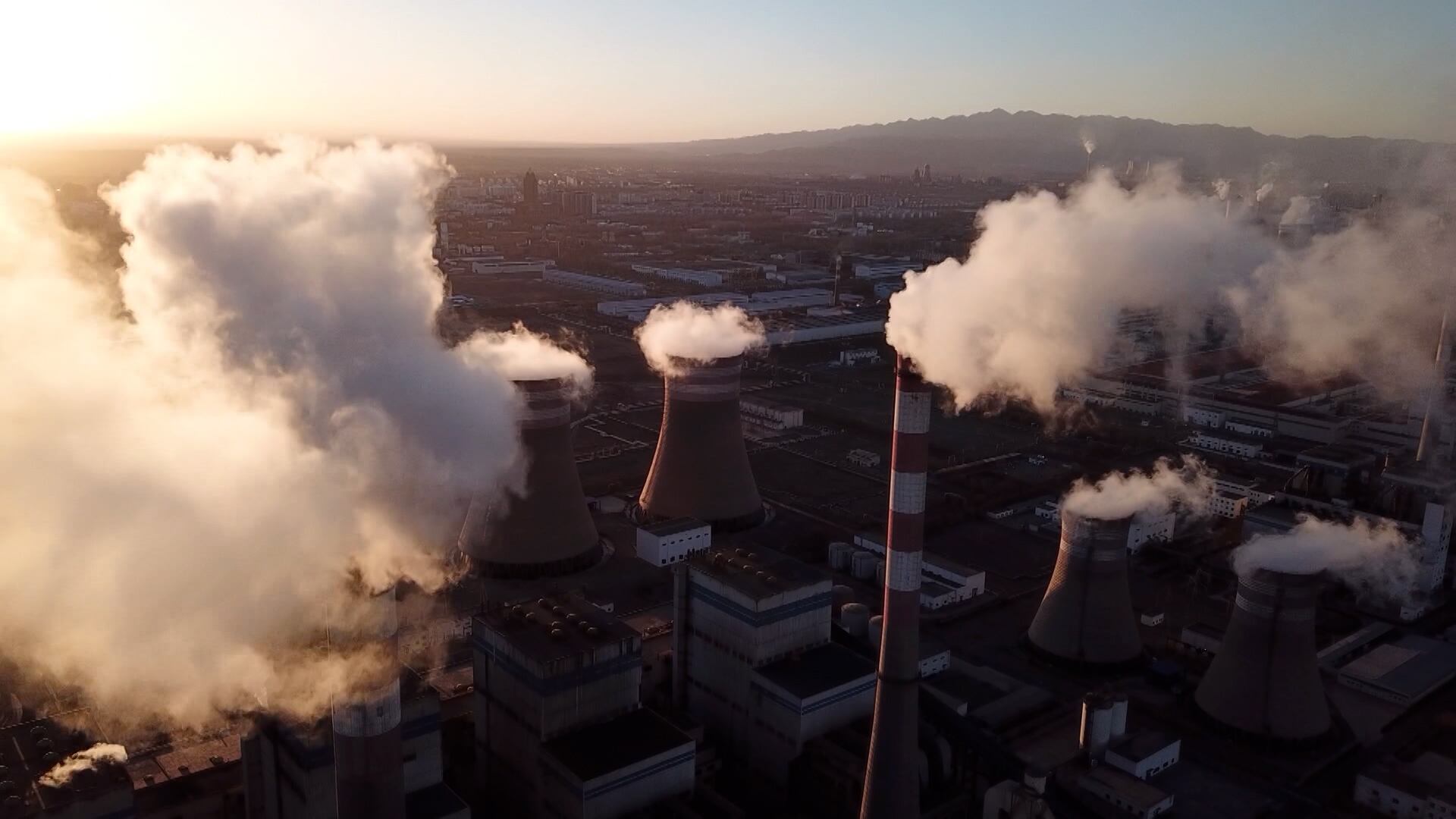
President Joe Biden introduced the Global Methane Pledge on the second day of the United Nations climate summit. The U.S. and the European Union will lead the way when it comes to methane emissions reductions, and close to 100 nations have also signed on. It's seen as the fastest way to slow down global warming and keep nations on track toward meeting the goal of keeping warming just 1.5 degrees Celsius above late 1800s atmospheric levels. Dr. Sweta Chakraborty, U.S. President of climate-focused startup 'We Don't Have Time' joins Cheddar Climate to discuss the importance of the Biden administration's methane regulations -- and the importance of U.S. leadership when it comes to climate issues.
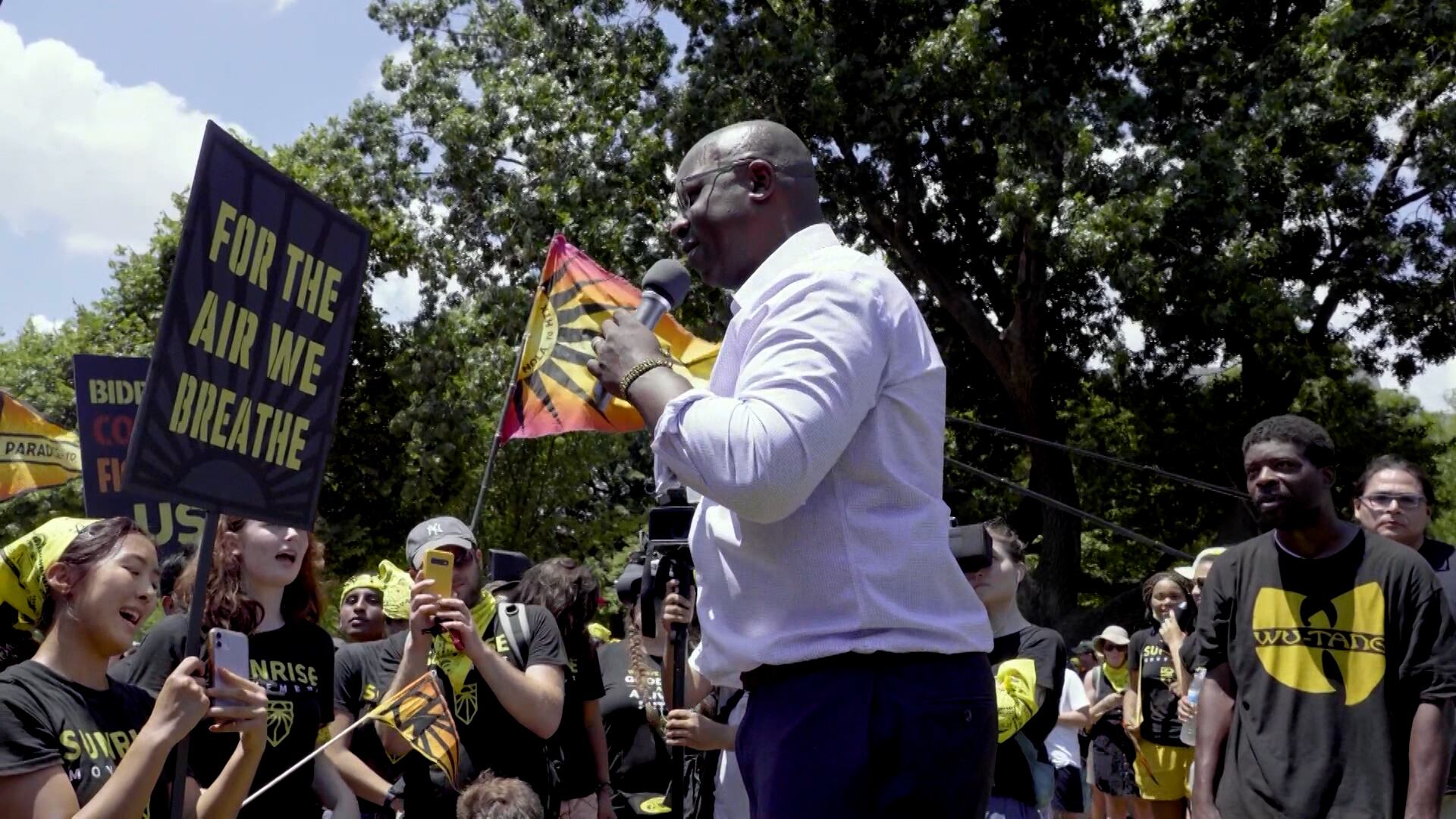
John Paul Mejia, the national spokesperson for the Sunrise Movement, joined Cheddar to talk about what the youth activist group wants to see from President Joe Biden as he attends the COP26 climate summit. Mejia admonished the president for having little to deliver on his own climate agenda domestically while at the conference. "We need the president to follow through with his promises because, frankly, it's a matter of life or death not only for communities here in the United States but also those looking to us around the world," he said.
With COP26 kicking off, roughly 120 world leaders and delegates are in Glasgow, Scotland to hold climate talks this week. As experts continue to warn about the dangers of climate change, ESG investing is more important than ever.
Georges Archibald, Head of Apex Americas at Apex Group joined Cheddar's Opening Bell to discuss.
Roughly 20,000 heads of state, diplomats, and activists will gather in person starting Oct. 31 to address the threat of climate change. The summit, known as COP26, is seen as a crucial step in getting the crisis under control as scientists warn global warming is only getting worse. Carroll Muffett, President and CEO of the Center for International Environmental Law, joined Cheddar to explain the goals of COP26 and why it's so crucial for the world leaders to step up and make new, aggressive climate commitments.