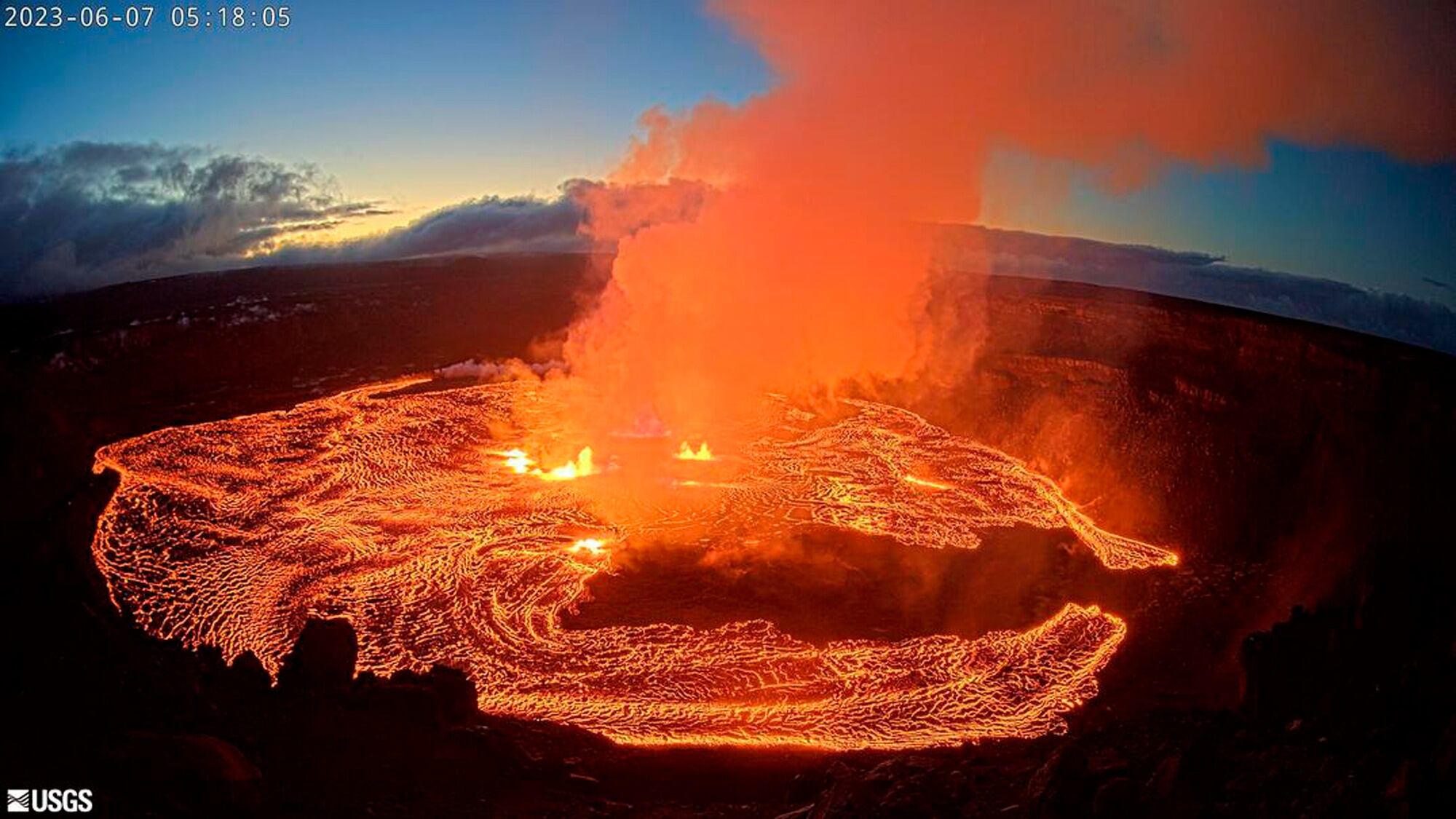
In this webcam image provided by the U.S. Geological Survey, an eruption takes place on the summit of the Kilauea volcano in Hawaii, Wednesday, June 7, 2023. (U.S. Geological Survey via AP)
By Jennifer Sinco Kelleher and Mark Thiessen
Kilauea, one of the most active volcanoes in the world, began erupting on Wednesday after a three-month pause, displaying spectacular fountains of mesmerizing, glowing lava that's a safe distance from people and structures in a national park on the Big Island.
The U.S. Geological Survey's Hawaiian Volcano Observatory said in a statement that a glow was detected in webcam images from Kilauea’s summit early in the morning, indicating that an eruption was occurring within the Halemaumau crater in the summit caldera.
The images show fissures at the base of the crater generating lava flows on the crater floor's surface, the observatory said.
Before issuing the eruption notice, the observatory said increased earthquake activity and changes in the patterns of ground deformation at the summit started Tuesday night, indicating the movement of magma in the subsurface.
“We’re not seeing any signs of activity out on the rift zones right now,” said Mike Zoeller, a geologist with the observatory. “There’s no reason to expect this to transition into a rift eruption that would threaten any communities here on the island with lava flows or anything like that.”
All activity was within a closed area of Hawaii Volcanoes National Park.
“The lava this morning is all confined within ... the summit caldera. So plenty of room for it still to produce more without threatening any homes or infrastructure,” said park spokesperson Jessica Ferracane. “So that’s the way we like our eruptions here.”
She said park officials are bracing for crowds to arrive because visitors can see the eruption from many overlooks.
“Kilauea overlook was spectacular this morning," she said of the vast lava lake. “It was molten red lava. There’s several areas of pretty robust fountaining. It’s just really, really pretty.”
The lava lake, covering the crater floor over lava that remained from previous eruptions, measured at about 371 acres (150 hectares) at about 6 a.m., Zoeller said. It measured about 4,300 feet (1,300 meters) wide.
Word was getting out and parking lots were starting to fill up at the park, she said, adding that she expected long lines getting into the park by evening.
Since the park is open 24 hours a day, visitors can beat the crowds by visiting between 9 p.m. and sunrise, Ferracane said.
She reminded visitors to stay out of closed areas and remain on marked trails for safety reasons, including avoiding gases from the eruption.
Two small earthquakes jolted Janice Wei, who lives in nearby town of Volcano. As a volunteer photographer for the park, she was able to see fountains she estimated to be 150 feet (46 meters) high at around 4:30 a.m.
She said she saw about 15 fountains, which were dying down by mid-morning.
The volcano’s alert level was raised to warning status and the aviation color code went to red as scientists evaluate the eruption and associated hazards.
Kilauea, Hawaii's second-largest volcano, erupted from September 2021 until last December. For about two weeks in December, Hawaii’s biggest volcano, Mauna Loa, also was erupting on Hawaii’s Big Island.
This eruption is looking very similar, Zoeller said: “This eruption is following a very similar playbook to the last three that we’ve seen here since 2020.”
A 2018 Kilauea eruption destroyed more than 700 homes.
Before the major 2018 eruption, Kilauea had been erupting since 1983, and streams of lava occasionally covered farms and homes. During that time, the lava sometimes reached the ocean, causing dramatic interactions with the water.
On this episode of Cheddar Innovates: CEO of Achieve Life Sciences discusses a new plant-based compound that's being used to fight nicotine addiction; President & CEO OF DiaMedica Therapeutics explains a new ischemic stroke treatment option that expands the window for effective therapy for stroke patients; Cheddar gets a look at Curiosity Stream's 'Asteroid Rush.'
Catching you up on the stories you need to know this morning, mass shooting victims testify on Capitol Hill, the White House outlines its plan to vaccinate kids younger than five years old, and we break down how to protect yourself from monkeypox.
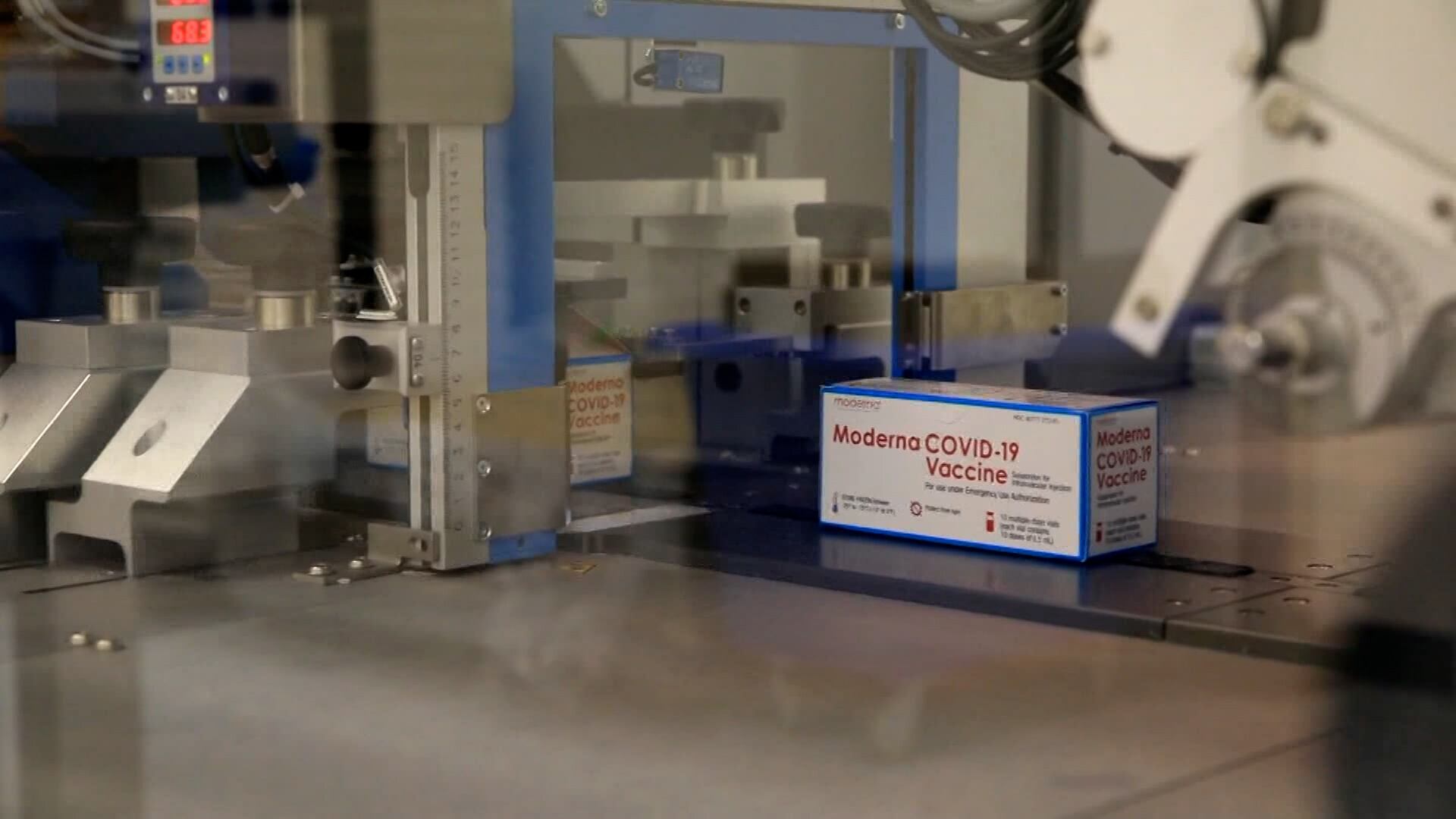
The pharmaceutical giant Moderna says its updated 'bivalent' booster shot provides a stronger immune response against the Omicron variant of COVID-19 specifically. This week, Moderna plans to submit preliminary data to U.S. health officials in the hopes that its new booster will be available later this summer. Dr. Sampson Davis, emergency medicine physician, joins Cheddar News to discuss.
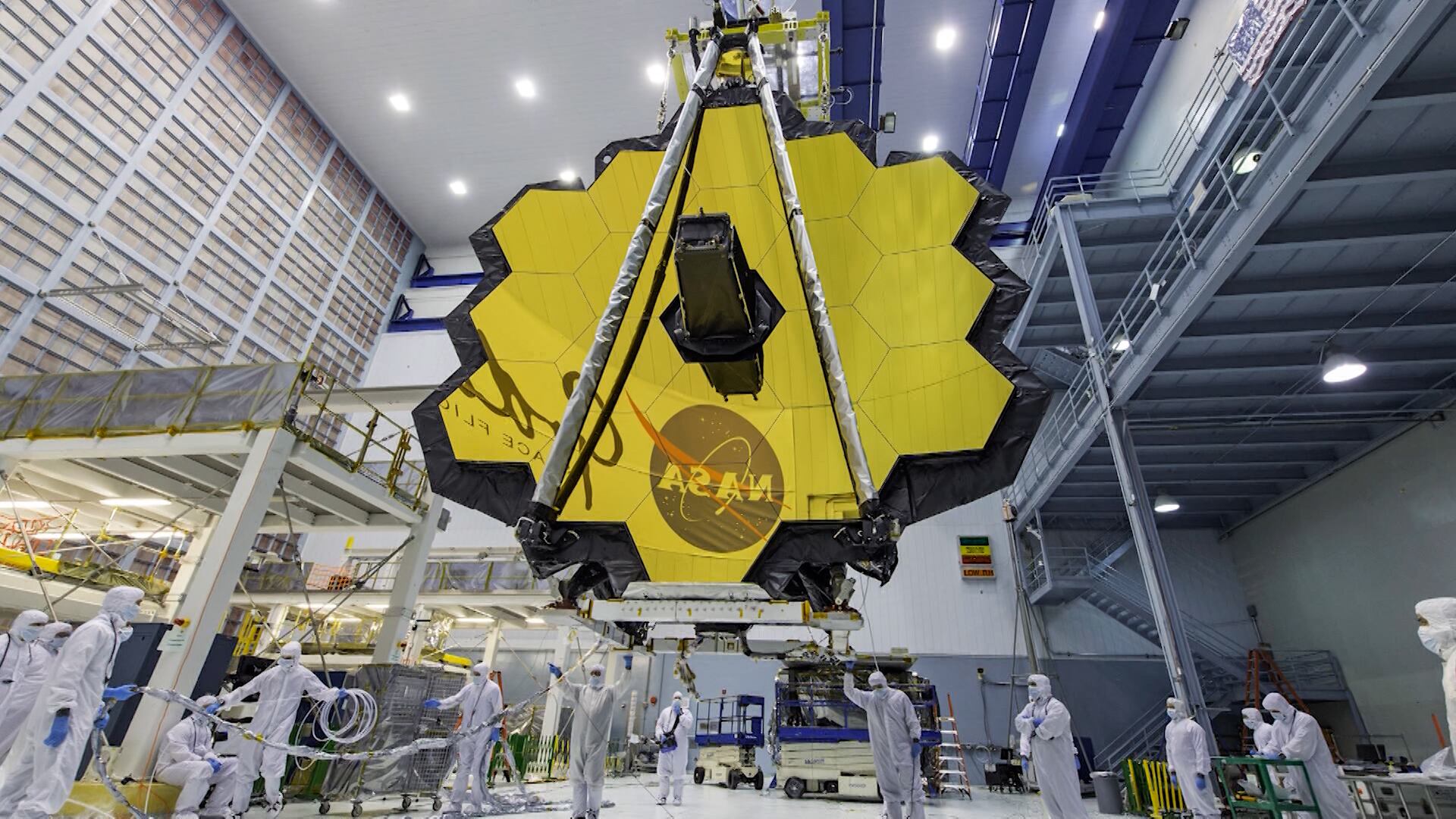
NASA has announced that the first official full-color images will be beamed back to Earth from the James Webb Telescope on July 12. Gregory L. Robinson, the director of the James Webb Space Telescope Program in the NASA Science Mission Directorate, joined Cheddar News to discuss the anticipated image drop. “We expect to see the universe different," he said. "Webb will allow us to see much, much clearer and deeper into the universe."
On this episode of Cheddar Reveals, Professor Laurence Hurst, Director of The Milner Centre for Evolution, discusses the mystery of human evolution that's still baffling scientists: why are humans still evolving, and why has the process sped up? Neville Sanjana, faculty member at NY Genome and New York University, breaks down the latest innovations in CRISPR genetic engineering and its applications from 'designer babies' to curing genetic conditions and diseases; Cheddar gets a look at Curiosity Stream's 'The Butterfly Effect.'
Neville Sanjana, faculty member at NY Genome and New York University, joins Cheddar Reveals to break down the latest innovations in CRISPR genetic engineering and its applications from 'designer babies' to curing genetic conditions and diseases.
Professor Laurence Hurst, Director of The Milner Centre for Evolution, joins Cheddar Reveals to discuss the mystery of human evolution that's still baffling scientists: why are humans still evolving, and why has the process sped up?
It can be tough to make sustainable choices, and even harder when sustainable materials don't hold up. Loliware has a solution to the plastic straw problem: its seaweed-based straws are stronger than paper alternatives and once used, can be composted and return to the earth or sea without causing harm. Sea Briganti, CEO of Loliware, joins Closing Bell to discuss the tech behind the straws, new product launches, and more.
Umbilical cord blood banking platform Anja Health raised $4.5 million dollars in a seed round led by Seven Seven Six, a venture capital firm founded by Reddit co-founder Alexis Ohanian. Anja Health offers a personalized, doctor-backed cord blood bank, which lets new parents freeze stem cells from their child's umbilical cord so they can be used to treat diseases in the future. It's a process Anja has called 'Hollywood's best-kept secret,' as celebrities like Kylie Jenner, Serena Williams, and more have all banked their umbilical cord blood. Kathryn Cross, the founder of Anja Health, joins Cheddar News' Closing Bell to discuss.
After learning that the suspect in the Uvalde school shooting posted about his intentions on Facebook, activists are urging social networks to make changes. Lena Derhally, a licensed psychotherapist and author of "The Facebook Narcissist," joined Cheddar News to discuss the role social media plays in school shootings. "They're not really invested in taking down hateful content," she said about social platforms."In regards to the shooting, it was 15 minutes before that actual threat. It would be pretty hard for a social media company to trace that threat that quickly. But what they can do better is take down threats and hateful content much faster and more than they're doing now."