Hawaii Isn't Prepared for a Future With Major Hurricanes
*By Carlo Versano*
Hurricane Lane, a major Category 4 storm, lashed the Big Island of Hawaii Thursday as it churned through the Pacific. The hurricane could be the strongest to hit the island chain in 25 years and, according to Andrew Freedman at Axios, is "doing pretty much the worst thing it could possibly do."
Though Lane is weakening and slowing, according to the latest from the [National Weather Service](https://twitter.com/NWSHonolulu), the potential for torrential rain, storm surge, and landslide conditions will loom over the next two days.
Hawaii is not used to hurricane prep. The islands benefit from a combination of cooler waters during prime season and a ridge of high pressure that typically protects it from tropical systems. The last major hurricane to hit [famously](http://articles.latimes.com/1992-09-13/news/mn-1196_1_hurricane-iniki) made landfall during the filming of "Jurassic Park" in 1992.
"Whenever storms try and come up, they fizzle out when they get there," Freedman, Axios's science editor, said Thursday in an interview on Cheddar.
But this year, an El Niño effect is keeping the Pacific water warmer, making Hawaiians more vulnerable to hurricanes. And with more climate change, Hawaii will experience severe tropical weather, Freedman said.
"This is a sign of things to come," he forecast.
The pristine shores of Maui and Oahu are likely to experience waves as high as 20 feet, with the potential for beach erosion, coastal and flash flooding, and sustained hurricane-force winds in the capital of Honolulu through Saturday. Because Lane is moving so slowly and will touch each island ー and given the terrain ー Hawaiians should be prepared for a "potential flooding disaster," hurricane expert Dr. Rick Knabb [tweeted] (https://twitter.com/DrRickKnabb/status/1032635284125622272) on Thursday.
Further complicating the situation, Hawaii has no easy procedure for mass evacuations. Its shelter system isn't designed for major hurricanes, Freedman said.
"They're not accustomed to this."
For full interview [click here] (https://cheddar.com/videos/hurricane-lane-could-be-most-destructive-hurricane-to-hit-hawaii-in-almost-three-decades).
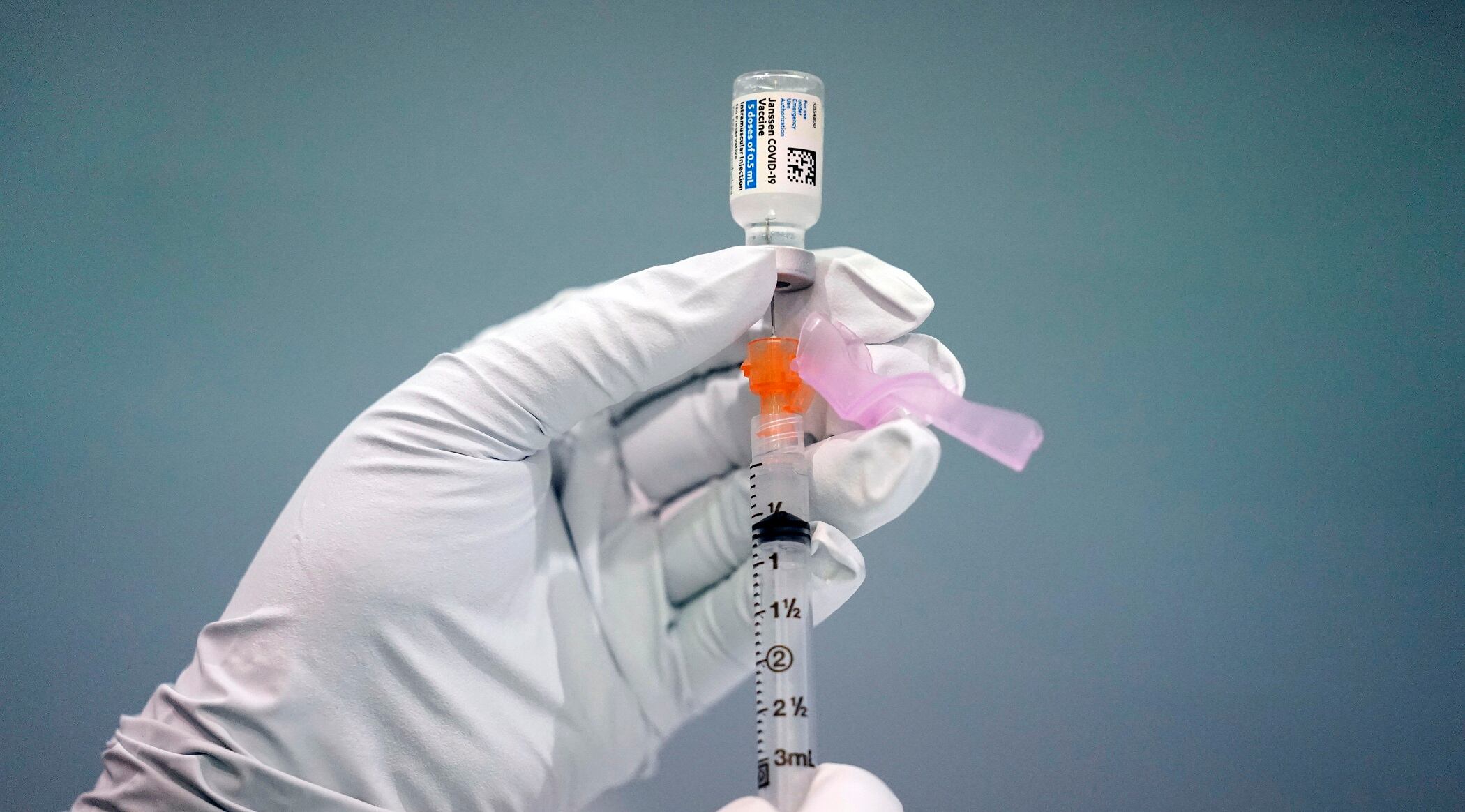
Omicron is on course to become the dominant COVID strain in the U.S., even as Delta is causing another spike in cases. According to Johns Hopkins University data, cases across the country are up 40% from last month, with New York City as a major hotspot. Outbreaks are now causing Broadway performances to be canceled, colleges and universities to shift to online classes, sports leagues to postpone games, and more. Dr. Jen Caudle, family physician and associate professor at Rowan University, joined Cheddar to discuss the surge in cases and how we can best protect ourselves against the new variant.
Health officials are warning of a grim winter as the Omicron variant of COVID-19 spreads rapidly across the country. New York City is the latest hotspot, with cases rising in a way the city hasn't previously seen in the pandemic. Dr. Bob Lahita, director of the Institute for Autoimmune and Rheumatic Diseases at St. Joseph Health and author of the book "Immunity Strong," joined Cheddar to discuss whether the rest of the country will follow in New York's footsteps.
Covid cases and deaths are on the rise in many parts of the country even before the Omicron variant takes hold. More than 30 states had higher seven-day averages for new cases last week than they did before Thanksgiving, according to Johns Hopkins University data, with some of the biggest increases in the Northeast. Dr. Anthony Santella, professor of Health Administration and University COVID Coordinator at the University of New Haven, joined Cheddar to discuss where we stand in the pandemic and how we can keep ourselves safe during the holidays.
Carlo's joined by a quarantining Baker to discuss the headlines from the weekend as Omicron spreads like wildfire, Manchin kills Biden's signature bill and Spider-Man throws a lifeline to the box office.
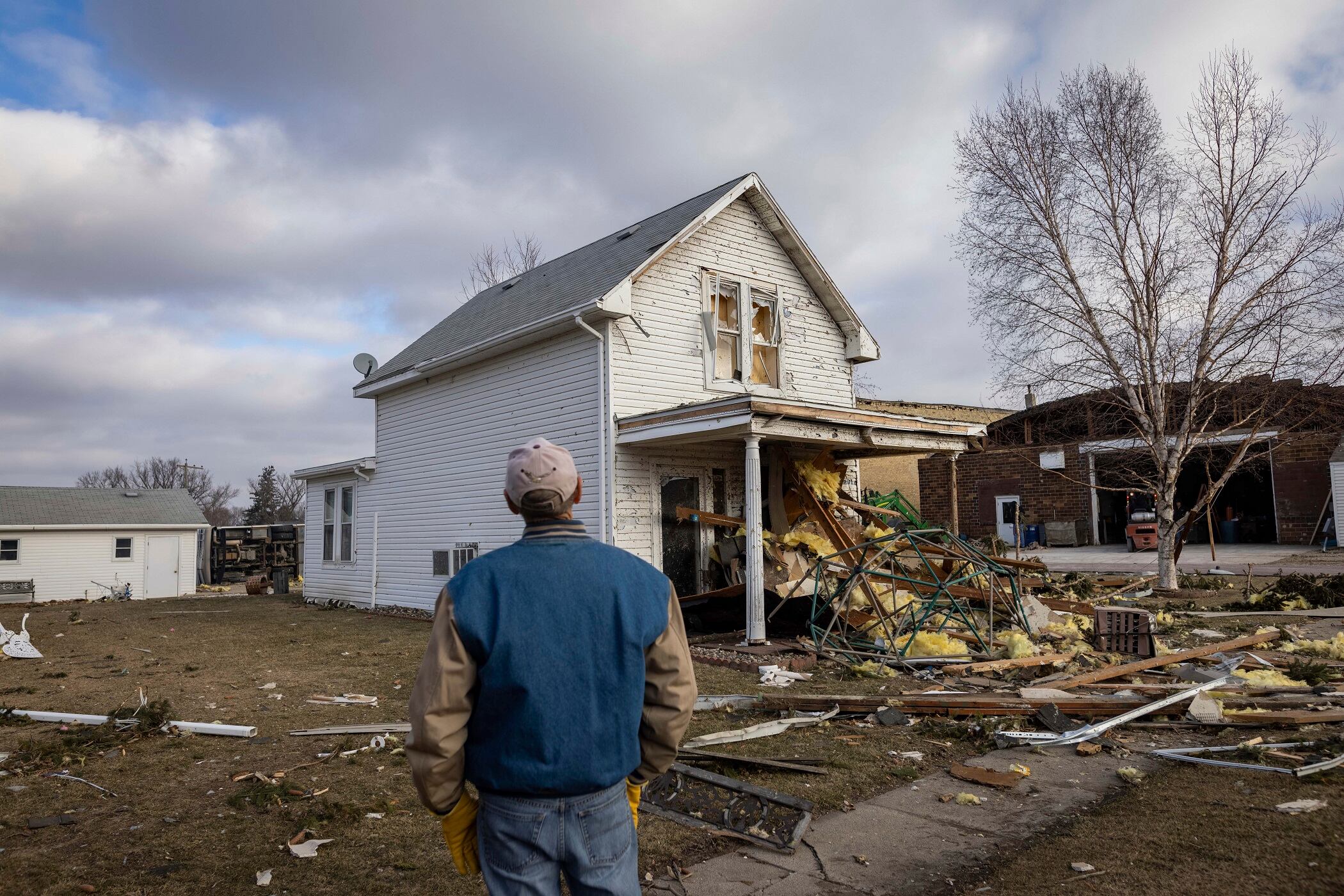
Authorities say at least five people died when a powerful storm system swept across the Great Plains and Midwest, spawning hurricane-force winds and likely tornadoes in Nebraska, Iowa and Minnesota.
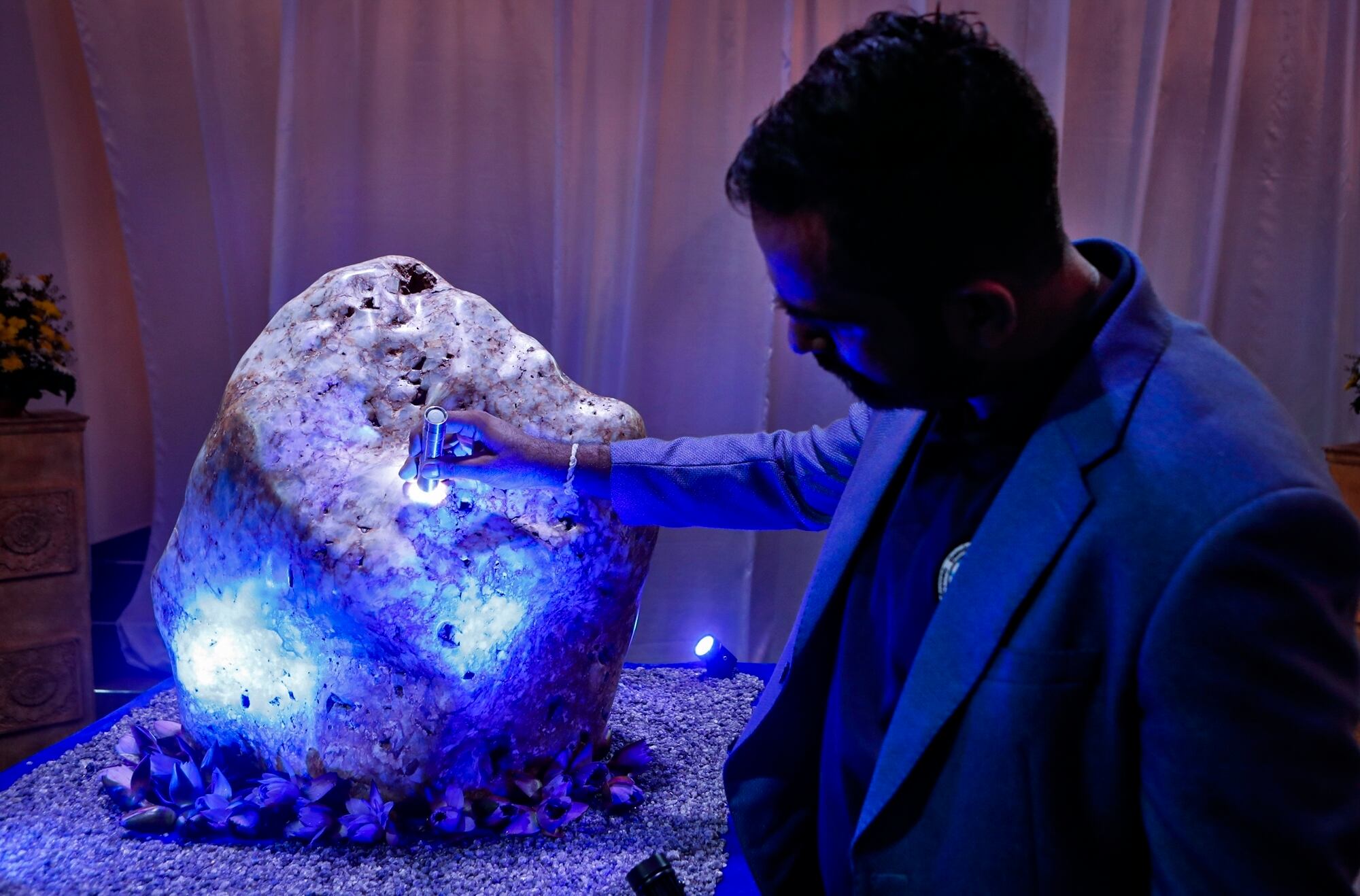
A gem company in Sri Lanka has unveiled a rare and massive gemstone weighing 683 pounds (310 kilograms) that has been certified as one of the biggest corundums ever found in the country.