Hawaii Isn't Prepared for a Future With Major Hurricanes
*By Carlo Versano*
Hurricane Lane, a major Category 4 storm, lashed the Big Island of Hawaii Thursday as it churned through the Pacific. The hurricane could be the strongest to hit the island chain in 25 years and, according to Andrew Freedman at Axios, is "doing pretty much the worst thing it could possibly do."
Though Lane is weakening and slowing, according to the latest from the [National Weather Service](https://twitter.com/NWSHonolulu), the potential for torrential rain, storm surge, and landslide conditions will loom over the next two days.
Hawaii is not used to hurricane prep. The islands benefit from a combination of cooler waters during prime season and a ridge of high pressure that typically protects it from tropical systems. The last major hurricane to hit [famously](http://articles.latimes.com/1992-09-13/news/mn-1196_1_hurricane-iniki) made landfall during the filming of "Jurassic Park" in 1992.
"Whenever storms try and come up, they fizzle out when they get there," Freedman, Axios's science editor, said Thursday in an interview on Cheddar.
But this year, an El Niño effect is keeping the Pacific water warmer, making Hawaiians more vulnerable to hurricanes. And with more climate change, Hawaii will experience severe tropical weather, Freedman said.
"This is a sign of things to come," he forecast.
The pristine shores of Maui and Oahu are likely to experience waves as high as 20 feet, with the potential for beach erosion, coastal and flash flooding, and sustained hurricane-force winds in the capital of Honolulu through Saturday. Because Lane is moving so slowly and will touch each island ー and given the terrain ー Hawaiians should be prepared for a "potential flooding disaster," hurricane expert Dr. Rick Knabb [tweeted] (https://twitter.com/DrRickKnabb/status/1032635284125622272) on Thursday.
Further complicating the situation, Hawaii has no easy procedure for mass evacuations. Its shelter system isn't designed for major hurricanes, Freedman said.
"They're not accustomed to this."
For full interview [click here] (https://cheddar.com/videos/hurricane-lane-could-be-most-destructive-hurricane-to-hit-hawaii-in-almost-three-decades).
Between Bells EP Conor White recaps some of the biggest stories of the week, while Baker Machado and Hena Doba test their knowledge, and maybe learn a thing or two. It's This Week in Trivia!
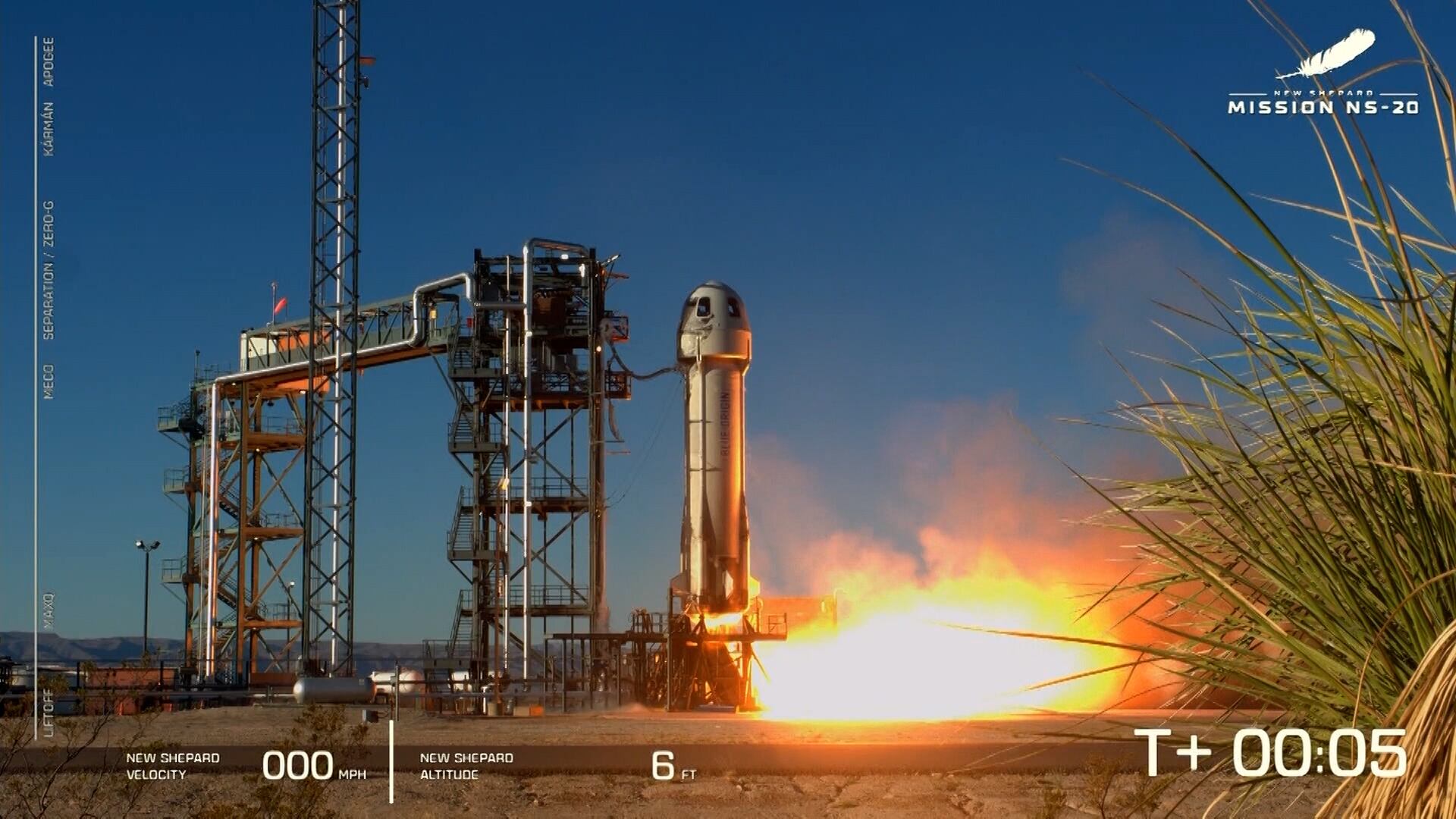
Jeff Bezos’ aerospace company Blue Origin successfully held a fourth civilian launch into space on Thursday. Former NASA Astronaut, Leroy Chiao, joined Cheddar News to talk about the significance of this launch for the future of civilian launches and to discuss the issue of safety. "This is opening space up to more people, raising more awareness, which is good for the entire industry," Chiao said. He also discussed the nature of pricing the tickets for space tourism.
The most popular and most valuable cryptocurrency is also the least eco-friendly - data shows that Bitcoin mining generates the same amount of carbon emissions as the entire country of Thailand. According to nonprofit Fair Planet, 96 million tons of carbon dioxide emissions come from Bitcoin mining every year. Now, a consortium of climate activist groups is calling on the Bitcoin industry to cut its energy use by making changes to its software code. Michael Brune, former executive director of the Sierra Club, joins Cheddar News' Closing Bell to discuss.
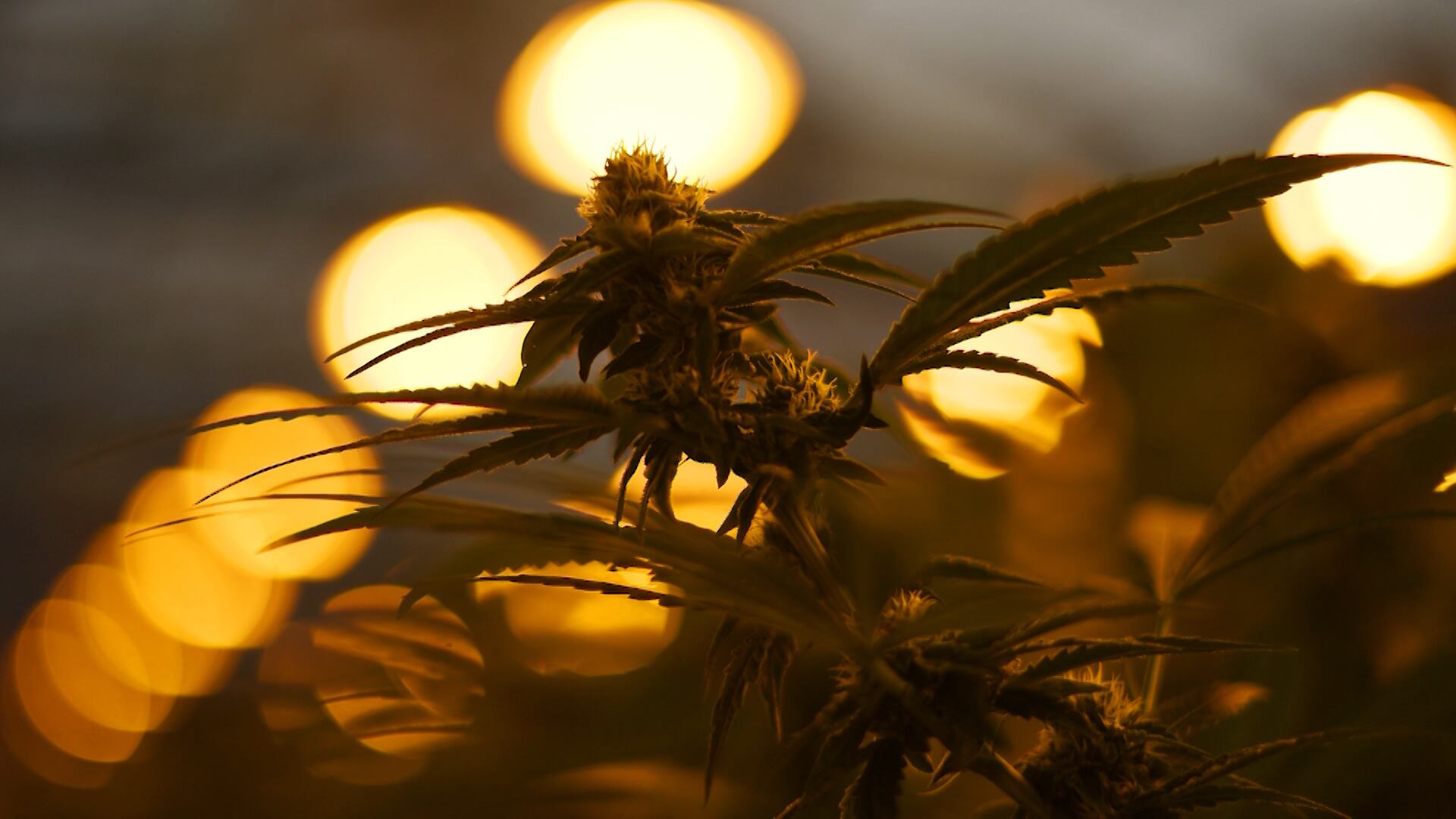
A cannabis software startup is offering a first-of-its-kind perk for its employees - reimbursements for legal cannabis purchases. Jointly Better bills itself as an experience-based cannabis wellness tracker and product platform. In an attempt to attract top talent, the company will reimburse up to $150 a month for its workers' lawful cannabis purchases. David Kooi, co-founder and CEO of Jointly, joins Cheddar News' Closing Bell to discuss.
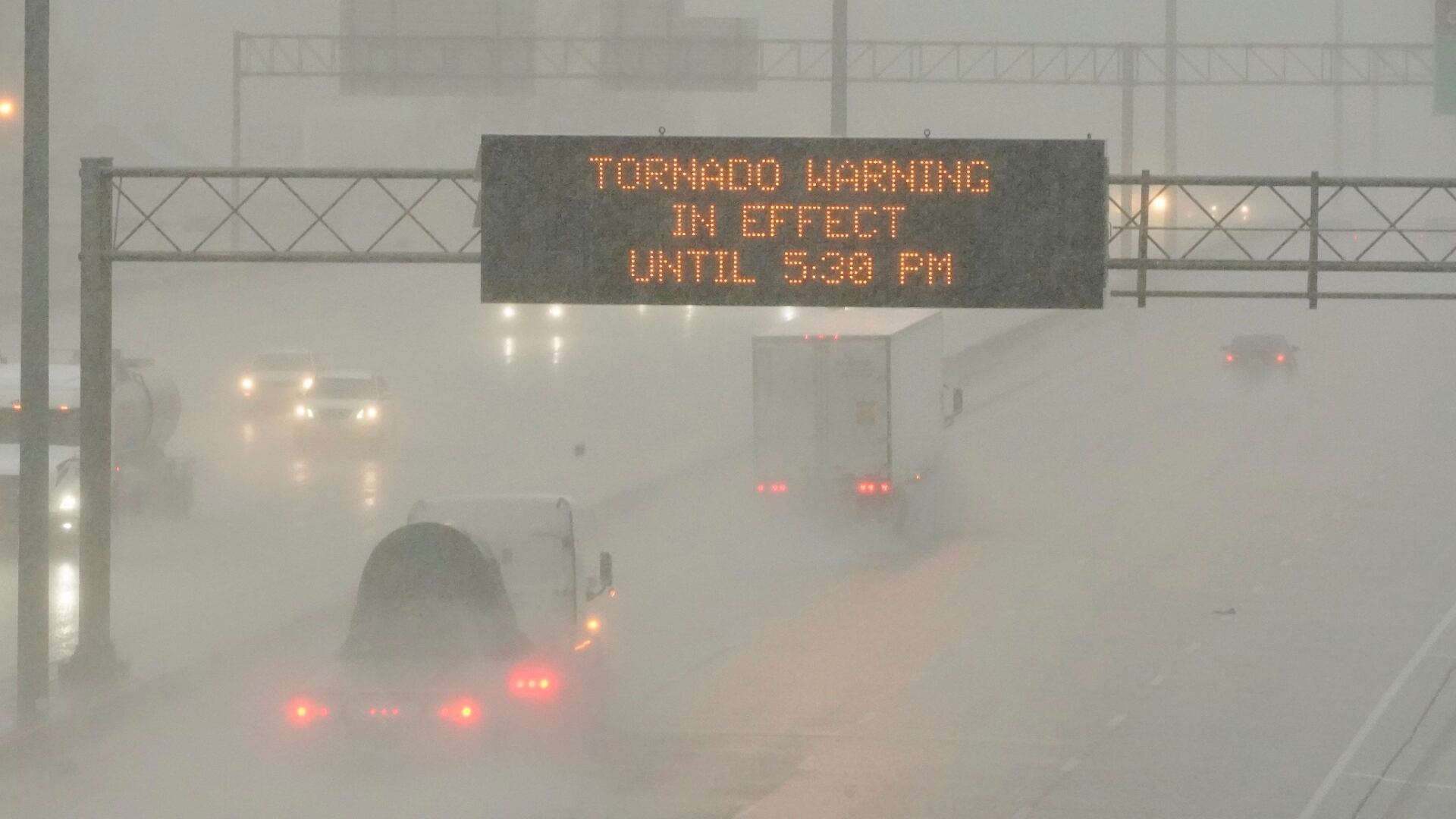
Catching you up on what you need to know on Mar 31, 2022, with updates on Biden's push for more COVID funding, a wave of storms hammering the South, Etsy sellers going on strike, and more.
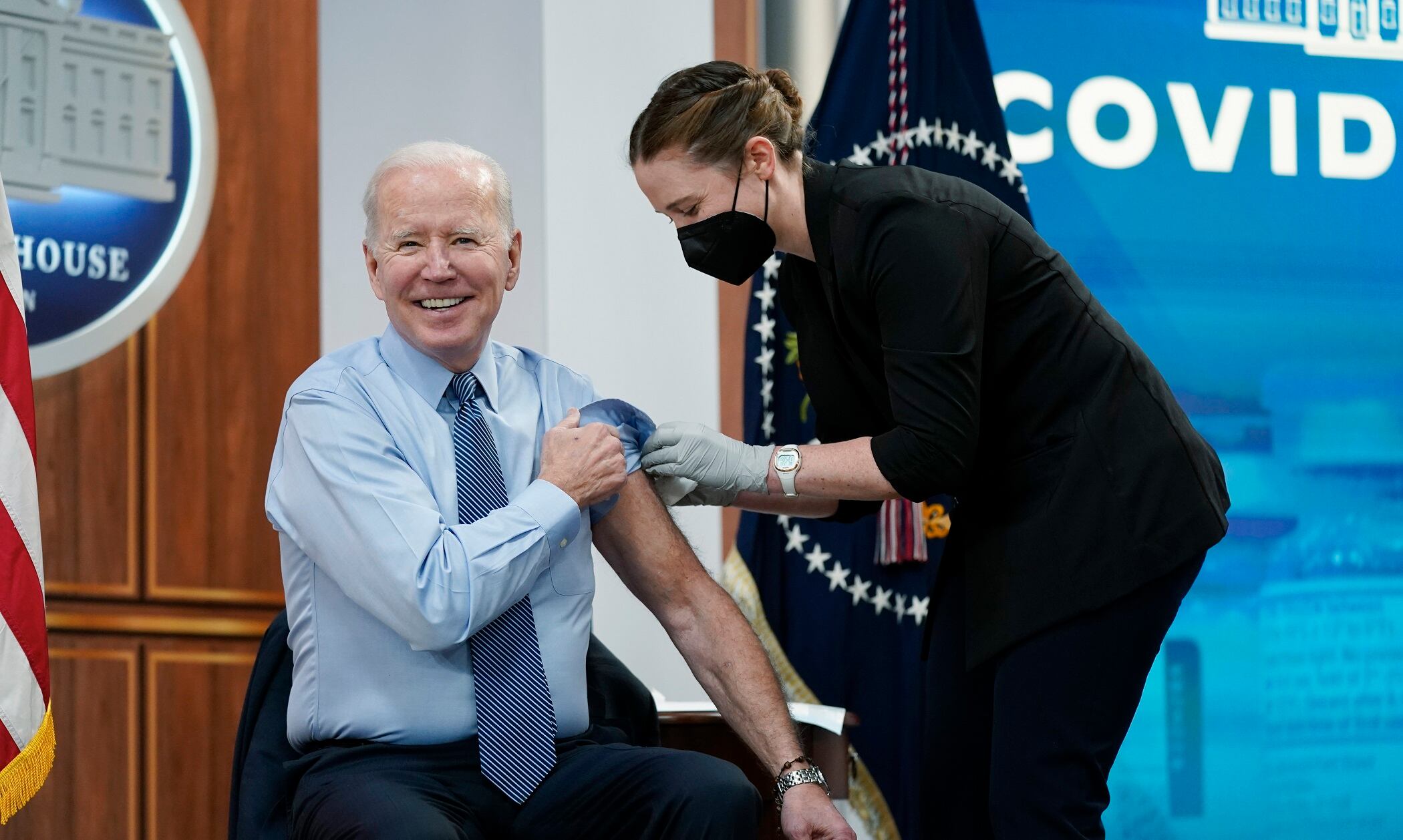
President Joe Biden has gotten a second booster dose of the Pfizer COVID vaccine, and he used the occasion Wednesday to call on Congress to pass billions of dollars in additional funding to fight the pandemic.
Catching you up on what you need to know on March 30, 2022, with updates on what is happening in Kyiv, the FDA releases plans for a fourth dose of COVID vaccines, COVID subvariant BA.2 becomes dominant variant in the U.S., employees at Conde Nast form a union, and more.
A NASA astronaut is back on Earth after a yearlong, record-setting spaceflight. He caught a Russian ride from the International Space Station on Wednesday with two cosmonauts.