Hawaii Isn't Prepared for a Future With Major Hurricanes
*By Carlo Versano*
Hurricane Lane, a major Category 4 storm, lashed the Big Island of Hawaii Thursday as it churned through the Pacific. The hurricane could be the strongest to hit the island chain in 25 years and, according to Andrew Freedman at Axios, is "doing pretty much the worst thing it could possibly do."
Though Lane is weakening and slowing, according to the latest from the [National Weather Service](https://twitter.com/NWSHonolulu), the potential for torrential rain, storm surge, and landslide conditions will loom over the next two days.
Hawaii is not used to hurricane prep. The islands benefit from a combination of cooler waters during prime season and a ridge of high pressure that typically protects it from tropical systems. The last major hurricane to hit [famously](http://articles.latimes.com/1992-09-13/news/mn-1196_1_hurricane-iniki) made landfall during the filming of "Jurassic Park" in 1992.
"Whenever storms try and come up, they fizzle out when they get there," Freedman, Axios's science editor, said Thursday in an interview on Cheddar.
But this year, an El Niño effect is keeping the Pacific water warmer, making Hawaiians more vulnerable to hurricanes. And with more climate change, Hawaii will experience severe tropical weather, Freedman said.
"This is a sign of things to come," he forecast.
The pristine shores of Maui and Oahu are likely to experience waves as high as 20 feet, with the potential for beach erosion, coastal and flash flooding, and sustained hurricane-force winds in the capital of Honolulu through Saturday. Because Lane is moving so slowly and will touch each island ー and given the terrain ー Hawaiians should be prepared for a "potential flooding disaster," hurricane expert Dr. Rick Knabb [tweeted] (https://twitter.com/DrRickKnabb/status/1032635284125622272) on Thursday.
Further complicating the situation, Hawaii has no easy procedure for mass evacuations. Its shelter system isn't designed for major hurricanes, Freedman said.
"They're not accustomed to this."
For full interview [click here] (https://cheddar.com/videos/hurricane-lane-could-be-most-destructive-hurricane-to-hit-hawaii-in-almost-three-decades).
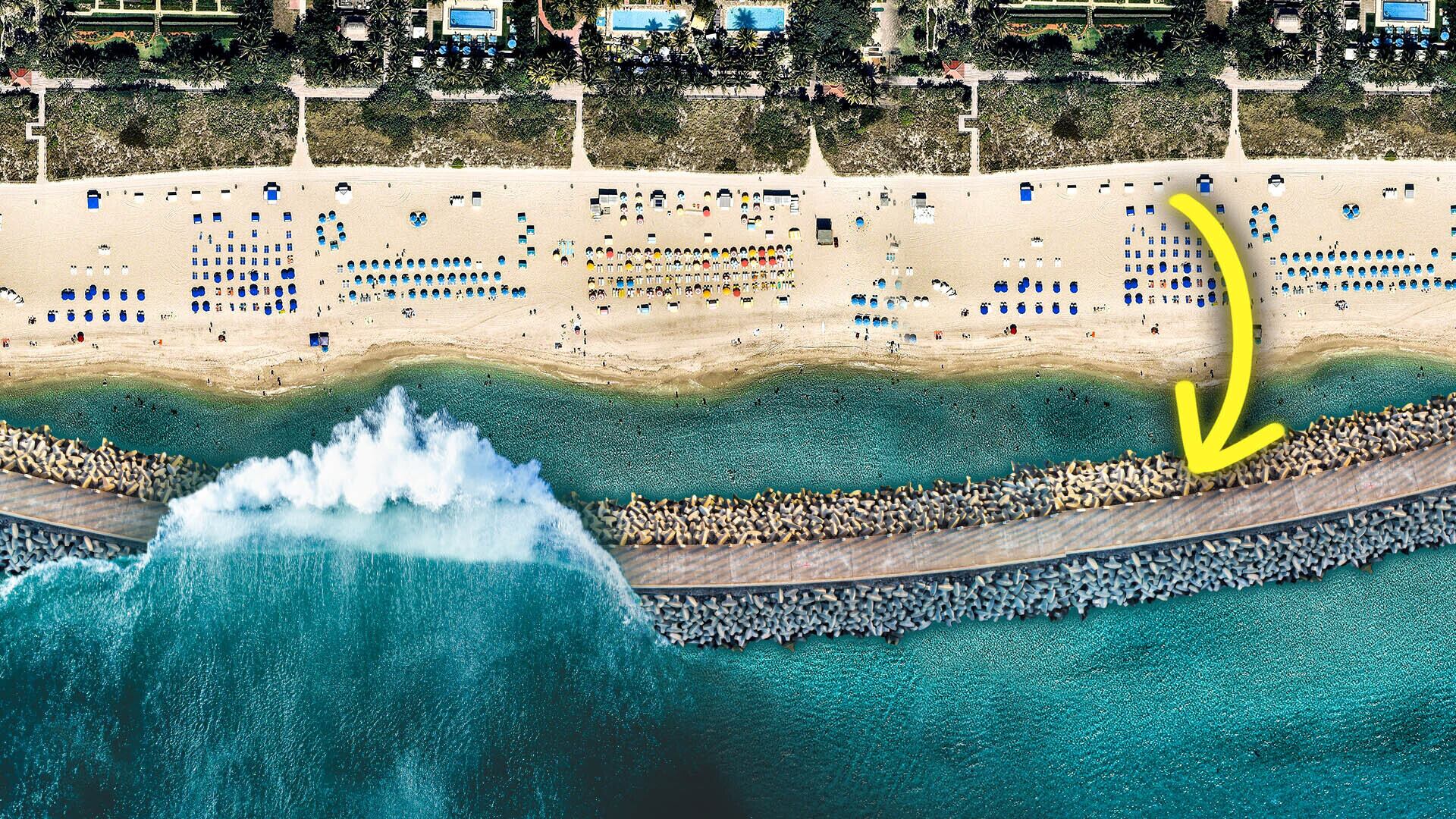
Coastal cities around the world are grappling with sea level rise. And building a seawall? Not so fast. While a sea wall can be effective in certain scenarios, it can make the effects of sea level rise worse. That’s why municipalities are looking into creative alternatives.
Carlo and Baker cover the big races to watch on this off-cycle Election Day, the concrete pledges starting to come out of COP26, Jeffrey Epstein keeps causing CEOs to lose their jobs, and Ryan Murphy's TV hit that wasn't.
The UN climate change conference kicked off on Sunday with about 120 world leaders and delegates gathering in Glasgow, Scotland this week, as experts continue to warn about the harms of heightened emissions and the effects on climate change. The topic of ESG investing is expected to be a top priority at the summit. Jefferies global head of ESG and sustainability research Aniket Shah joined Cheddar News' Closing Bell to discuss.
Christian Kroll, CEO of Ecosia, joins 'Fast Forward' to discuss how Ecosia uses its ad revenue to plant trees, and what the company plans to do after launching a $405 million venture capital fund focused on combating the climate crisis.
Dr. Ashley McClure, co-founder of Climate Health Now, joins 'Fast Forward' to discuss why the climate crisis is the greatest threat to humanity and health, and measures we need to take to reverse course.
Clinical research company Medable has secured $304 million in Series D funding, marking its fourth round since 2020, giving the firm a valuation of just over $2 billion. Dr. Michelle Longmire, CEO and Co-founder, Medable joined Cheddar's Opening Bell to discuss the future of the company.
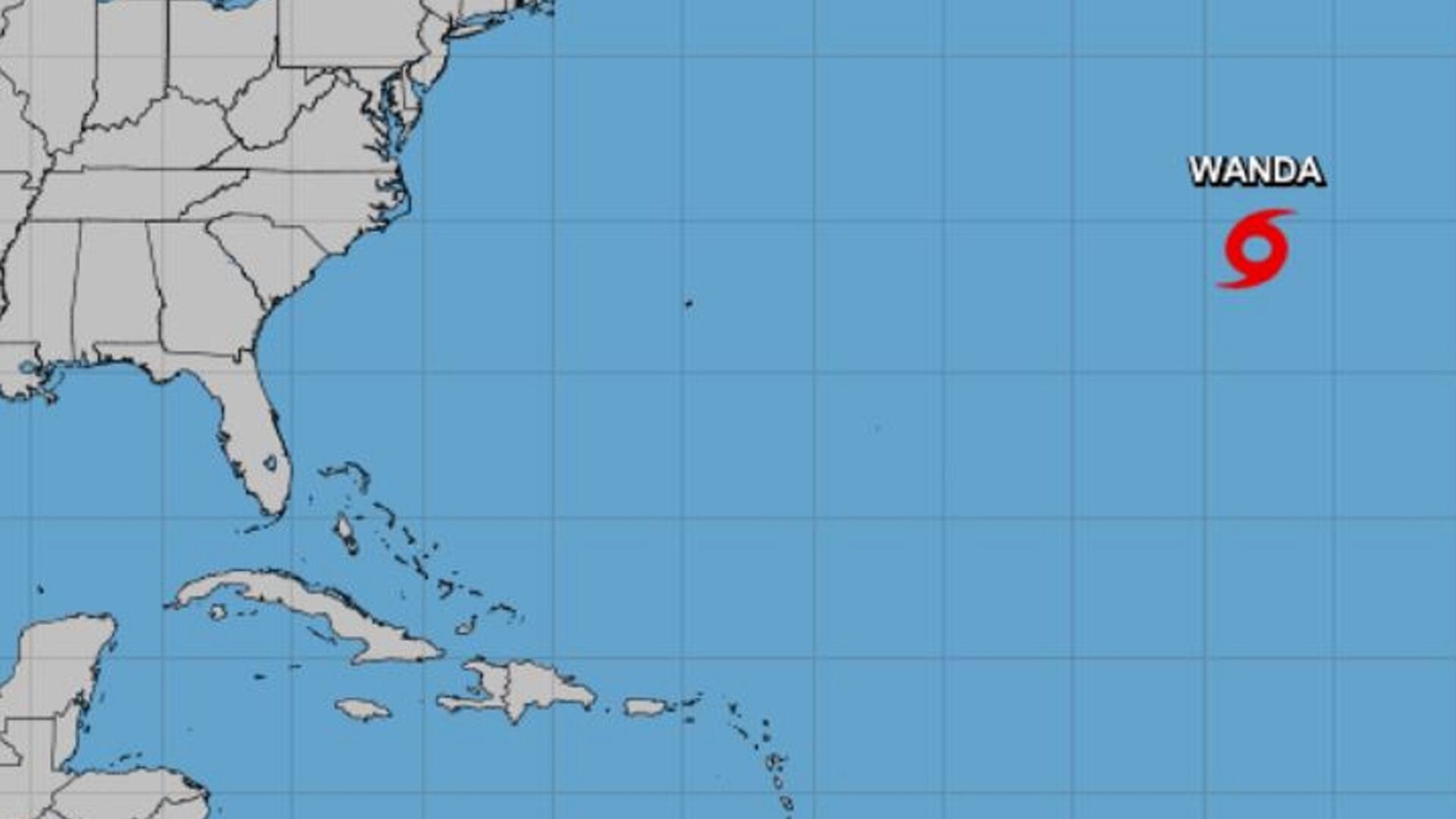
The National Hurricane Center announced that the list of storm names in 2021 has been exhausted as one of the most active hurricane seasons in history continues to stir in the Atlantic Ocean. Subtropical Storm Wanda marks only the third time in history (last year being the second) that all the names were used in a single season.
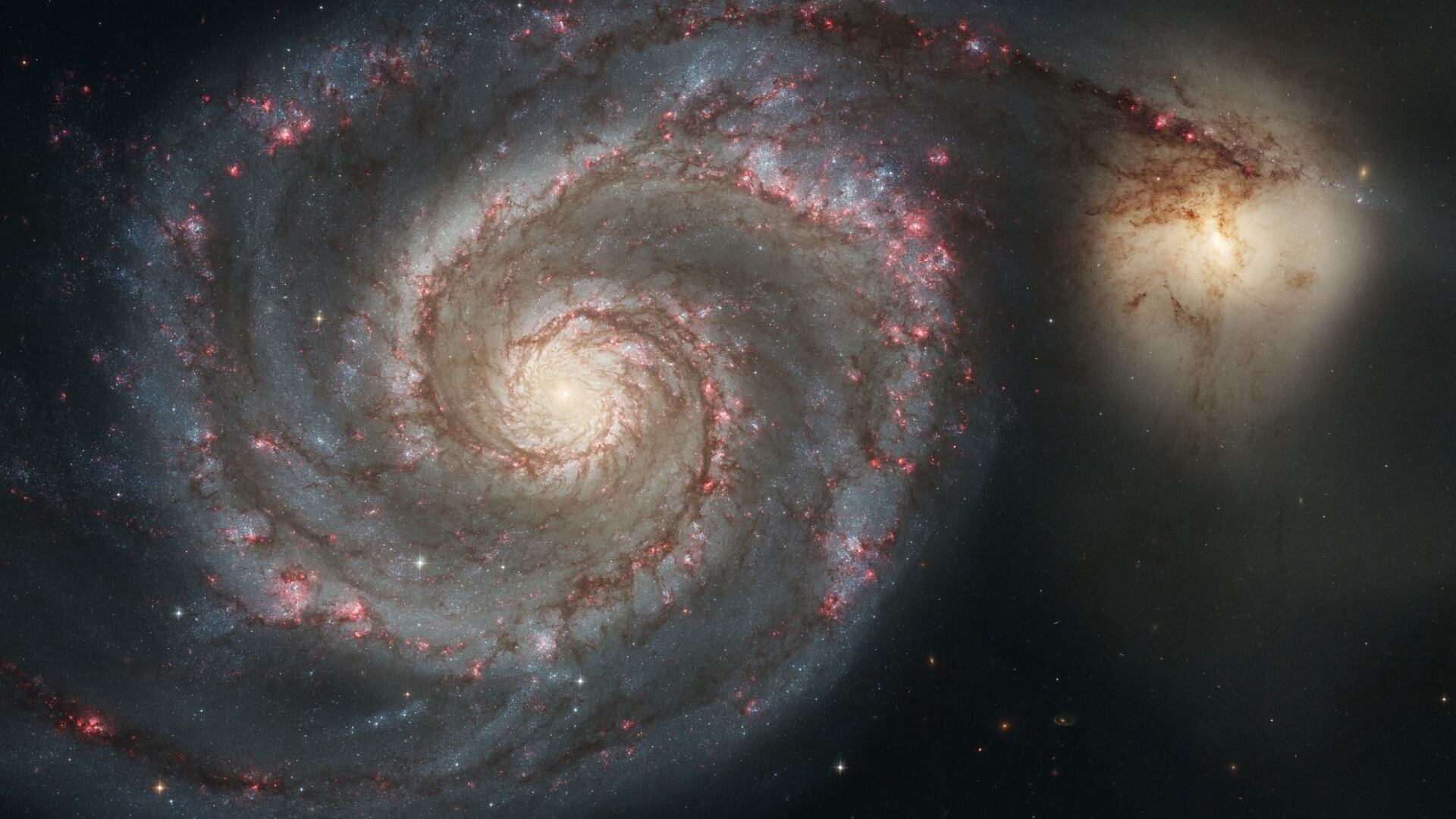
Astronomers at NASA have located what could be the first exoplanet not only outside of the solar system but outside of our own galaxy in the Messier 51 (or the Whirlpool Galaxy), 28 million light-years away. It could take astronomers up to 70 years to see if the planet passes in front of its star to verify the find.
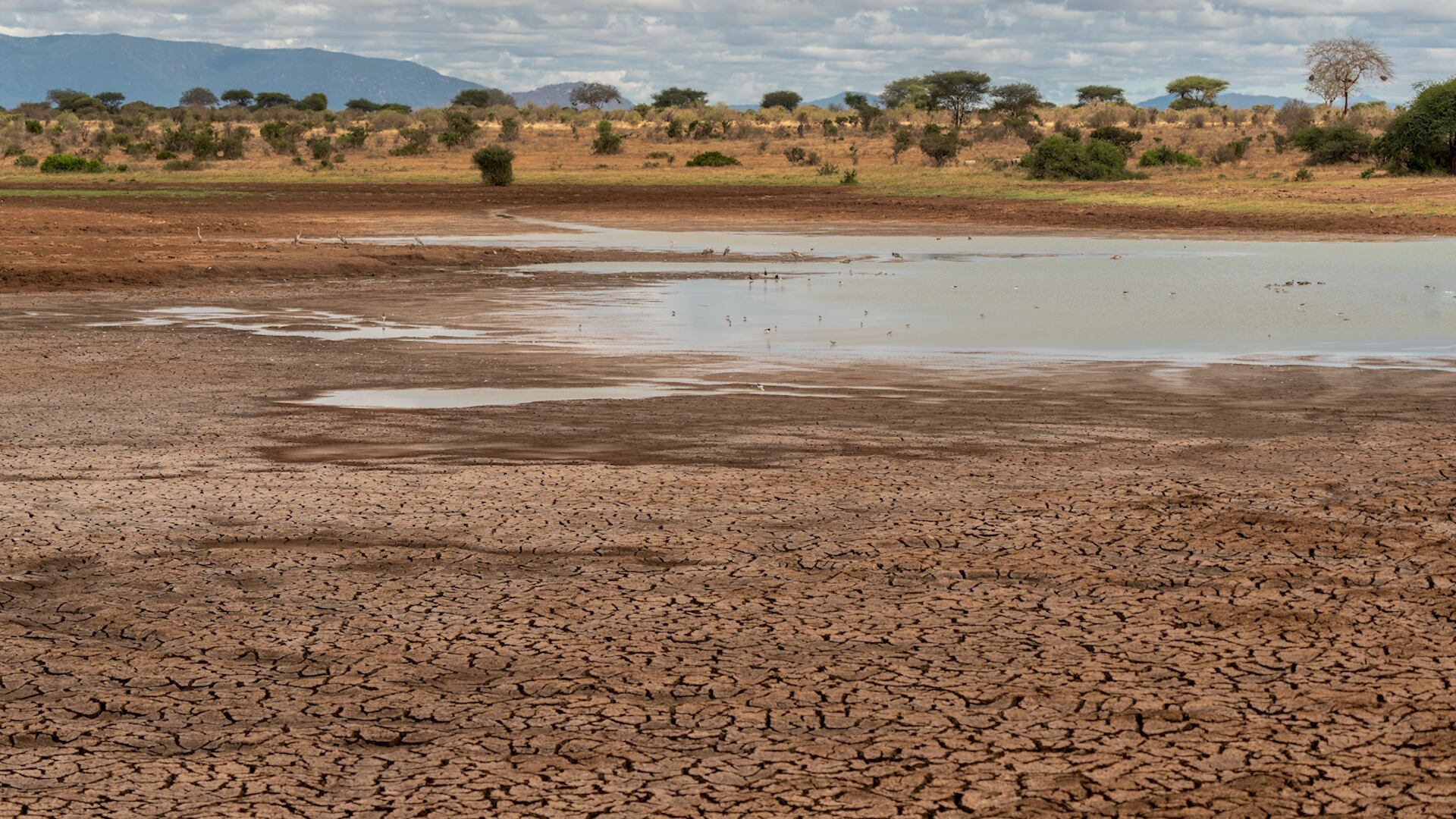
Even with pandemic lockdowns, greenhouse gas levels reached new highs in 2020, according to the World Meteorological Organization. This report comes just a week ahead of the United Nations Climate Change Conference, otherwise known as Cop26. Shannon Osaka, climate policy and solutions reporter at Grist, joined Cheddar's Between Bells to discuss.
Oatly Chief Sustainability Officer, Ashley Allen joins Cheddar News to talk about food waste and hows its been left off the table in the upcoming COP26 agenda. Ashley will be on the ground at COP26 and advocating for this conversation to get the attention it deserves.