Hawaii Isn't Prepared for a Future With Major Hurricanes
*By Carlo Versano*
Hurricane Lane, a major Category 4 storm, lashed the Big Island of Hawaii Thursday as it churned through the Pacific. The hurricane could be the strongest to hit the island chain in 25 years and, according to Andrew Freedman at Axios, is "doing pretty much the worst thing it could possibly do."
Though Lane is weakening and slowing, according to the latest from the [National Weather Service](https://twitter.com/NWSHonolulu), the potential for torrential rain, storm surge, and landslide conditions will loom over the next two days.
Hawaii is not used to hurricane prep. The islands benefit from a combination of cooler waters during prime season and a ridge of high pressure that typically protects it from tropical systems. The last major hurricane to hit [famously](http://articles.latimes.com/1992-09-13/news/mn-1196_1_hurricane-iniki) made landfall during the filming of "Jurassic Park" in 1992.
"Whenever storms try and come up, they fizzle out when they get there," Freedman, Axios's science editor, said Thursday in an interview on Cheddar.
But this year, an El Niño effect is keeping the Pacific water warmer, making Hawaiians more vulnerable to hurricanes. And with more climate change, Hawaii will experience severe tropical weather, Freedman said.
"This is a sign of things to come," he forecast.
The pristine shores of Maui and Oahu are likely to experience waves as high as 20 feet, with the potential for beach erosion, coastal and flash flooding, and sustained hurricane-force winds in the capital of Honolulu through Saturday. Because Lane is moving so slowly and will touch each island ー and given the terrain ー Hawaiians should be prepared for a "potential flooding disaster," hurricane expert Dr. Rick Knabb [tweeted] (https://twitter.com/DrRickKnabb/status/1032635284125622272) on Thursday.
Further complicating the situation, Hawaii has no easy procedure for mass evacuations. Its shelter system isn't designed for major hurricanes, Freedman said.
"They're not accustomed to this."
For full interview [click here] (https://cheddar.com/videos/hurricane-lane-could-be-most-destructive-hurricane-to-hit-hawaii-in-almost-three-decades).
Booking.com has unveiled a first-of-its-kind sustainable travel designation for properties that might be on the itinerary of a climate-conscious traveler. CEO Glenn Fogel explained to Cheddar the key metrics a location has to achieve to earn a sustainability badge. Waste handling, energy and greenhouse gases, water usage, local community support, and protection of nature were the five top areas of concern he addressed, with an additional subset of 32 measures that properties can implement.
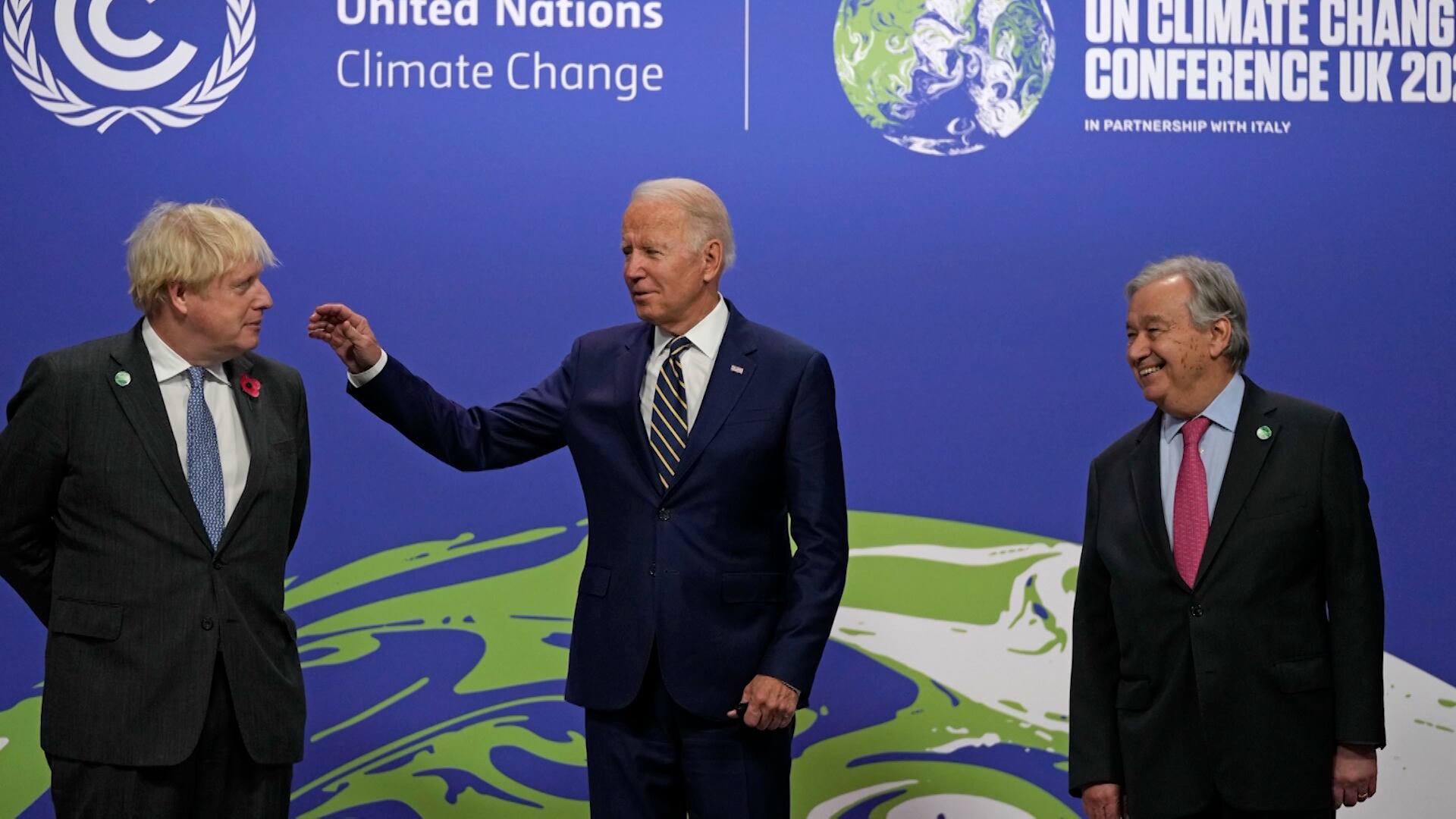
The two-week COP26 climate conference has now ended with leaders reaching a deal, but so far the deal is getting mixed reviews from climate experts across the globe. Chloe Demrovsky, president and CEO of Disaster Recovery Institute International, explains that while the agreement is a step forward in some ways, the world still has much more to work on in order to keep warming to below 2 degrees Celsius.
Jill and Carlo cover the latest with the infrastructure bill, the growing state rebellion over boosters, Trump's dereliction of duty on the pandemic, Taylor Swift's reign of cultural domination and more.
Aurora Cannabis CEO Miguel Martin joins Cheddar News' Closing Bell to discuss the company's latest earnings results, how it will achieve positive EBITDA by 2023, and the state of the cannabis industry amid potential U.S. federal legalization.
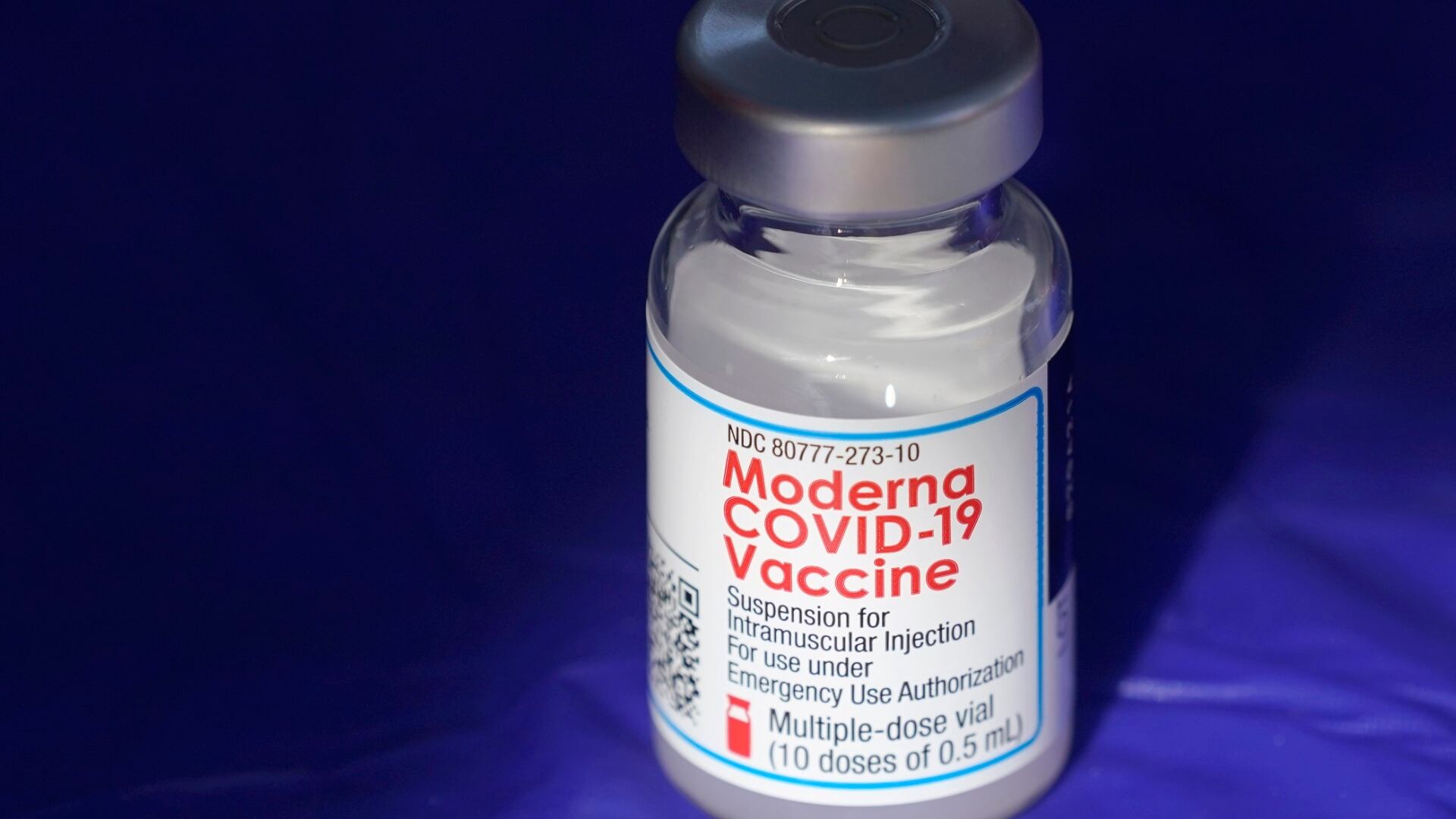
Moderna is defending its COVID-19 vaccine after a study found an increase in reports of myocarditis, which is an inflammation of the heart, in males ages 12 to 29 — about 13.3 cases in every 100,000 subjects. The pharmaceutical giant said the benefits of the vaccine outweigh the risk of the possible negative side effect.
The parent company of North Face, Vans and Supreme, VF Corp, released its fourth annual "Made for Change" sustainability and responsibility report. It details the company's ongoing efforts to tackle social and climate related issues. This comes as climate experts continue to warn about the dangers of fast fashion and its impact on global CO2 emissions. Sean Cady, Vice President of Global Sustainability, Responsibility and Trade at VF Corporation, joins Cheddar News to discuss.
A jam-packed Freitag pod with Carlo and Baker: new Covid hotspots, Kyle Rittenhouse trial, Belarus making trouble for Europe, red-hot housing market, and how to manage a PR crisis the right way.
As the UN climate conference is set to wrap this week, we take a look at pledges that world leaders have signed onto so far and the most important developments to come out of COP26. Sandeep Pai, Senior Research Lead at the Just Transition Initiative, joins Cheddar Climate to discuss the most important global initiatives and biggest pledges made by global leaders, and whether or not they can truly make an impact if two of the world's biggest economies, China and Russia, did not attend and are not fully committed to major climate initiatives.
A group of health experts from around the world is issuing a dire warning about the climate crisis, saying that climate change is the greatest global health threat facing the world this century and is set to become the 'defining narrative of human health.' The Lancet medical journal stated that warning in its annual report, along with a policy brief for the United States detailing actions the country can take to stop millions of unnecessary deaths. Director of Climate for Health at EcoAmerica Rebecca Rehr joined Cheddar Climate to discuss.
The COP26 summit in Scotland is in its final days, and the U.N. has just released a draft of an agreement for more than 200 world leaders to sign on Friday. The draft urges nations to set more aggressive goals in cutting emissions, while also calling for coal to be phased out. Chloe Demrovsky, President and CEO of Disaster Recovery Institute International, joins Cheddar News to discuss this agreement.