Hawaii Isn't Prepared for a Future With Major Hurricanes
*By Carlo Versano*
Hurricane Lane, a major Category 4 storm, lashed the Big Island of Hawaii Thursday as it churned through the Pacific. The hurricane could be the strongest to hit the island chain in 25 years and, according to Andrew Freedman at Axios, is "doing pretty much the worst thing it could possibly do."
Though Lane is weakening and slowing, according to the latest from the [National Weather Service](https://twitter.com/NWSHonolulu), the potential for torrential rain, storm surge, and landslide conditions will loom over the next two days.
Hawaii is not used to hurricane prep. The islands benefit from a combination of cooler waters during prime season and a ridge of high pressure that typically protects it from tropical systems. The last major hurricane to hit [famously](http://articles.latimes.com/1992-09-13/news/mn-1196_1_hurricane-iniki) made landfall during the filming of "Jurassic Park" in 1992.
"Whenever storms try and come up, they fizzle out when they get there," Freedman, Axios's science editor, said Thursday in an interview on Cheddar.
But this year, an El Niño effect is keeping the Pacific water warmer, making Hawaiians more vulnerable to hurricanes. And with more climate change, Hawaii will experience severe tropical weather, Freedman said.
"This is a sign of things to come," he forecast.
The pristine shores of Maui and Oahu are likely to experience waves as high as 20 feet, with the potential for beach erosion, coastal and flash flooding, and sustained hurricane-force winds in the capital of Honolulu through Saturday. Because Lane is moving so slowly and will touch each island ー and given the terrain ー Hawaiians should be prepared for a "potential flooding disaster," hurricane expert Dr. Rick Knabb [tweeted] (https://twitter.com/DrRickKnabb/status/1032635284125622272) on Thursday.
Further complicating the situation, Hawaii has no easy procedure for mass evacuations. Its shelter system isn't designed for major hurricanes, Freedman said.
"They're not accustomed to this."
For full interview [click here] (https://cheddar.com/videos/hurricane-lane-could-be-most-destructive-hurricane-to-hit-hawaii-in-almost-three-decades).
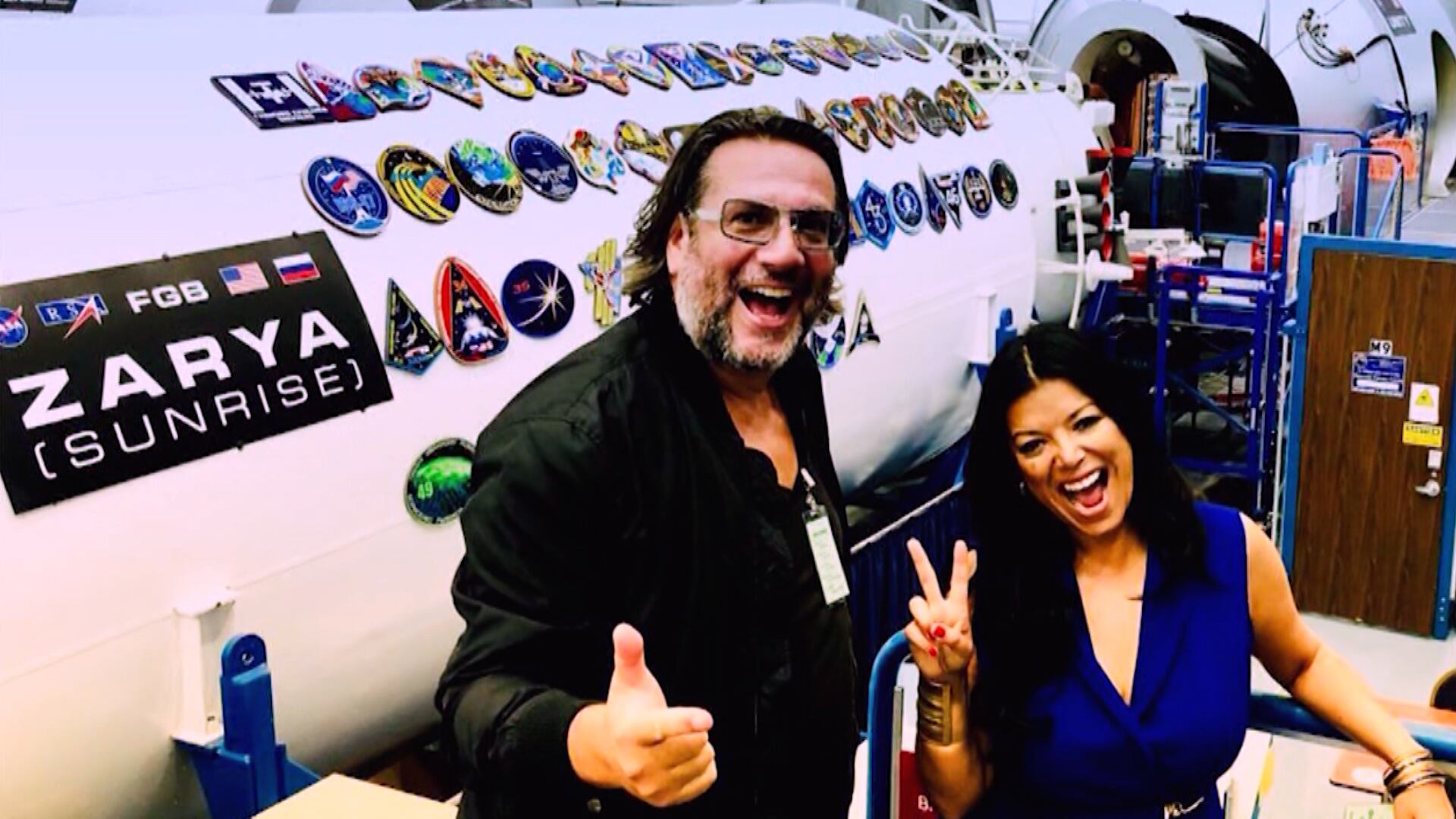
Deborah Sass, CO-CEO and Founding Partner of Space Hero, joins ChedHER to discuss how she's creating a global competition to send someone on a 10-day trip to space, her experience in the space industry without a background in STEM, and how she hopes to inspire younger generations of women.
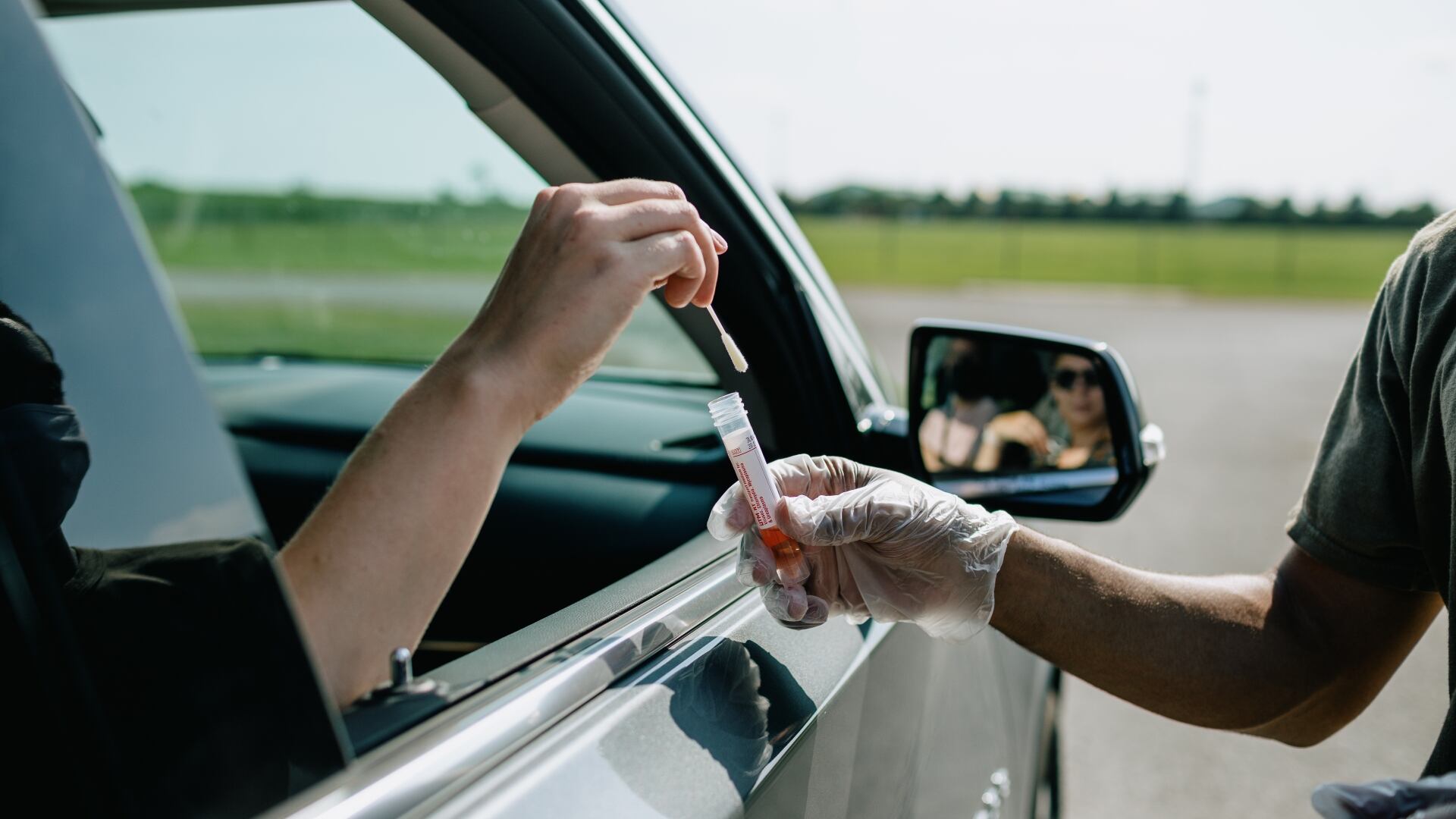
A new report from Dr. Michael Worobey alleges that it is likely that COVID-19 originated from a raccoon dog at the Wuhan live animal market in China. While his report does not rule out the coronavirus could have escaped from a lab, Worobey's evidence points to a natural origin.
Jill and Carlo are back to cover the latest in the Rittenhouse trial, new information on the origins of Covid, return-to-office and more.
JOIN US FOR THE YOUTUBE WATCH PARTY @ 9aET: http://www.youtube.com/cheddarnow
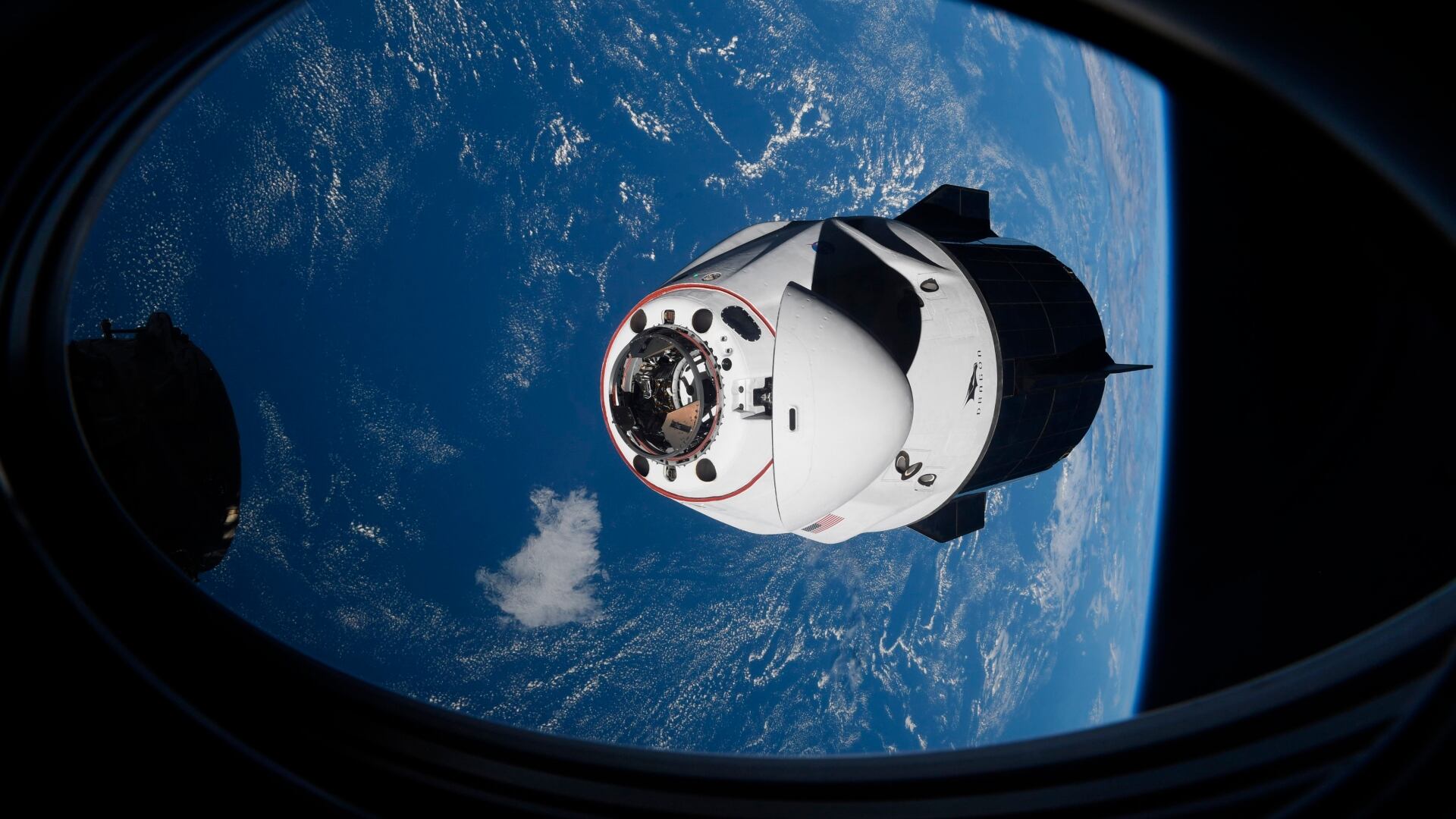
Over the weekend, Russia fired a missile at one of its own satellites, triggering an explosion that launched thousands of pieces of shrapnel through space and forced the astronauts aboard the International Space Station to shelter in place. Senior Writer from Space.com Chelsea 'Foxanne' Gohd, joined Cheddar to discuss more.
Gerald Comissiong, CEO of Todos Medical, joins None of the Above to discuss why we're seeing surges of COVID-19 cases in Europe, the potential for a winter surge of COVID-19, the benefits of high vaccination rates in a community, and the coming COVID treatment pills.
Cognitive healthcare platform BrainCheck recently raised $10 million in a Series B round. The platform offers neurologists a new way to detect and care for brain disorders like Alzeheimer's, and brain injuries like concussions. BrainCheck CEO Yael Katz joined Cheddar News' Closing Bell to discuss.
On this episode of Cheddar Innovates: Ice Barrel CEO breaks down the physical and mental health benefits to cold therapy training; Dishcraft CEO explains how its robotics is transforming the role of a dishwasher in restaurant kitchens; A look at Curiosity Stream's original series 'The Year That Rocked The World.'
Jill Wagner is joined by Baker to talk about kids and vaccines: we finally know how many young kids are getting vaccinated. Plus, Democrats are working on a Plan B for paid family leave. And the salad chain Sweetgreen goes public.
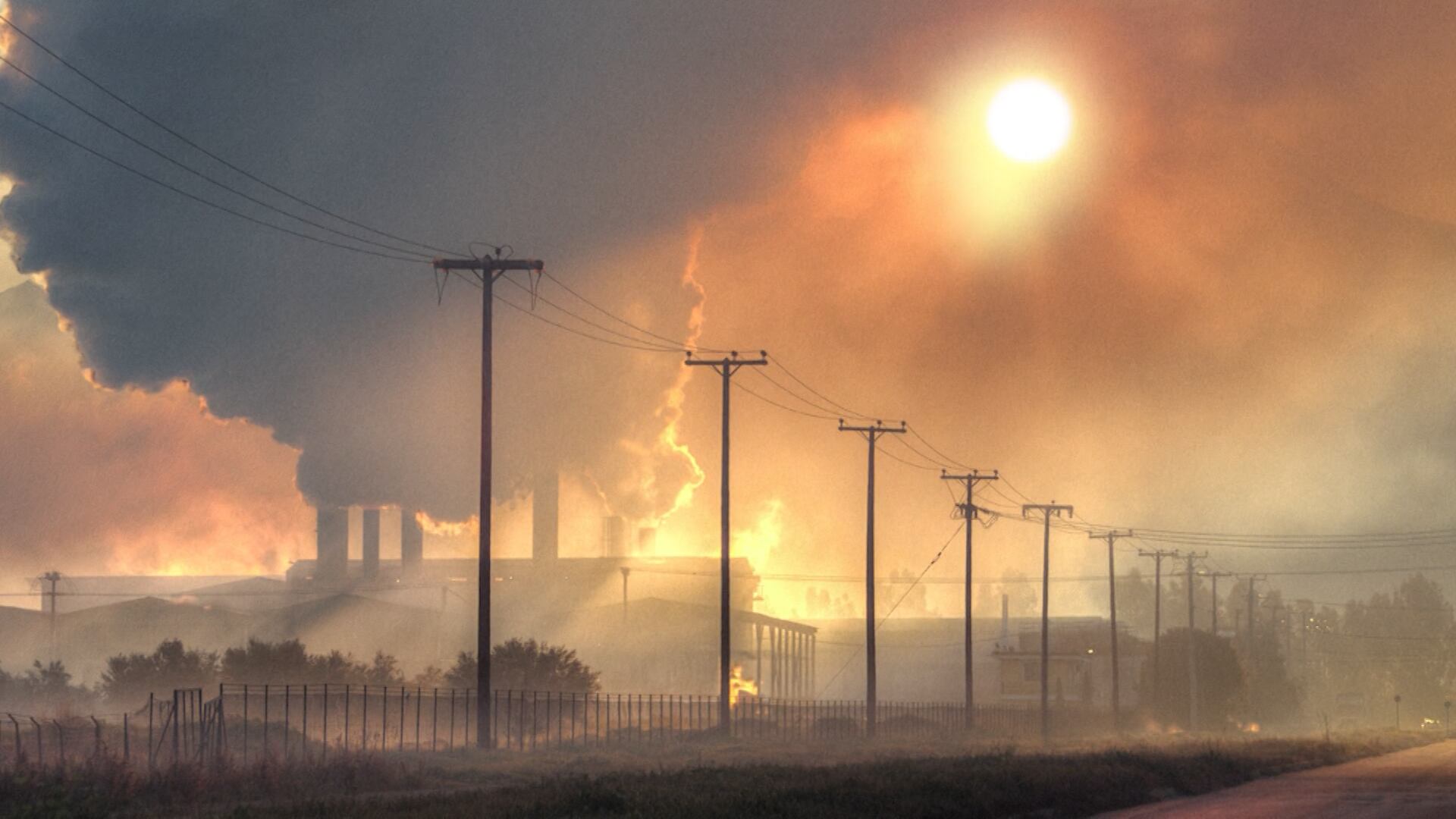
A breakthrough deal between the U.S. and China when it comes to climate has finally been reached. The two countries have pledged to work together to curb carbon emissions. Amy Harder, executive editor at Cipher, joined Cheddar News to discuss more.
Joey Roulette, space reporter for The New York Times, joined Cheddar to break down the intense backlash Russia is seeing after its missile test sent destroyed a non-functioning satellite and sent thousands of pieces of debris potentially at the ISS, endangering astronauts onboard. He said while the blast happened days ago, there is still some risk to the station as the space junk threat remains. So far, the U.S., NATO, and the European Union have condemned Russia for the test.