Hawaii Isn't Prepared for a Future With Major Hurricanes
*By Carlo Versano*
Hurricane Lane, a major Category 4 storm, lashed the Big Island of Hawaii Thursday as it churned through the Pacific. The hurricane could be the strongest to hit the island chain in 25 years and, according to Andrew Freedman at Axios, is "doing pretty much the worst thing it could possibly do."
Though Lane is weakening and slowing, according to the latest from the [National Weather Service](https://twitter.com/NWSHonolulu), the potential for torrential rain, storm surge, and landslide conditions will loom over the next two days.
Hawaii is not used to hurricane prep. The islands benefit from a combination of cooler waters during prime season and a ridge of high pressure that typically protects it from tropical systems. The last major hurricane to hit [famously](http://articles.latimes.com/1992-09-13/news/mn-1196_1_hurricane-iniki) made landfall during the filming of "Jurassic Park" in 1992.
"Whenever storms try and come up, they fizzle out when they get there," Freedman, Axios's science editor, said Thursday in an interview on Cheddar.
But this year, an El Niño effect is keeping the Pacific water warmer, making Hawaiians more vulnerable to hurricanes. And with more climate change, Hawaii will experience severe tropical weather, Freedman said.
"This is a sign of things to come," he forecast.
The pristine shores of Maui and Oahu are likely to experience waves as high as 20 feet, with the potential for beach erosion, coastal and flash flooding, and sustained hurricane-force winds in the capital of Honolulu through Saturday. Because Lane is moving so slowly and will touch each island ー and given the terrain ー Hawaiians should be prepared for a "potential flooding disaster," hurricane expert Dr. Rick Knabb [tweeted] (https://twitter.com/DrRickKnabb/status/1032635284125622272) on Thursday.
Further complicating the situation, Hawaii has no easy procedure for mass evacuations. Its shelter system isn't designed for major hurricanes, Freedman said.
"They're not accustomed to this."
For full interview [click here] (https://cheddar.com/videos/hurricane-lane-could-be-most-destructive-hurricane-to-hit-hawaii-in-almost-three-decades).
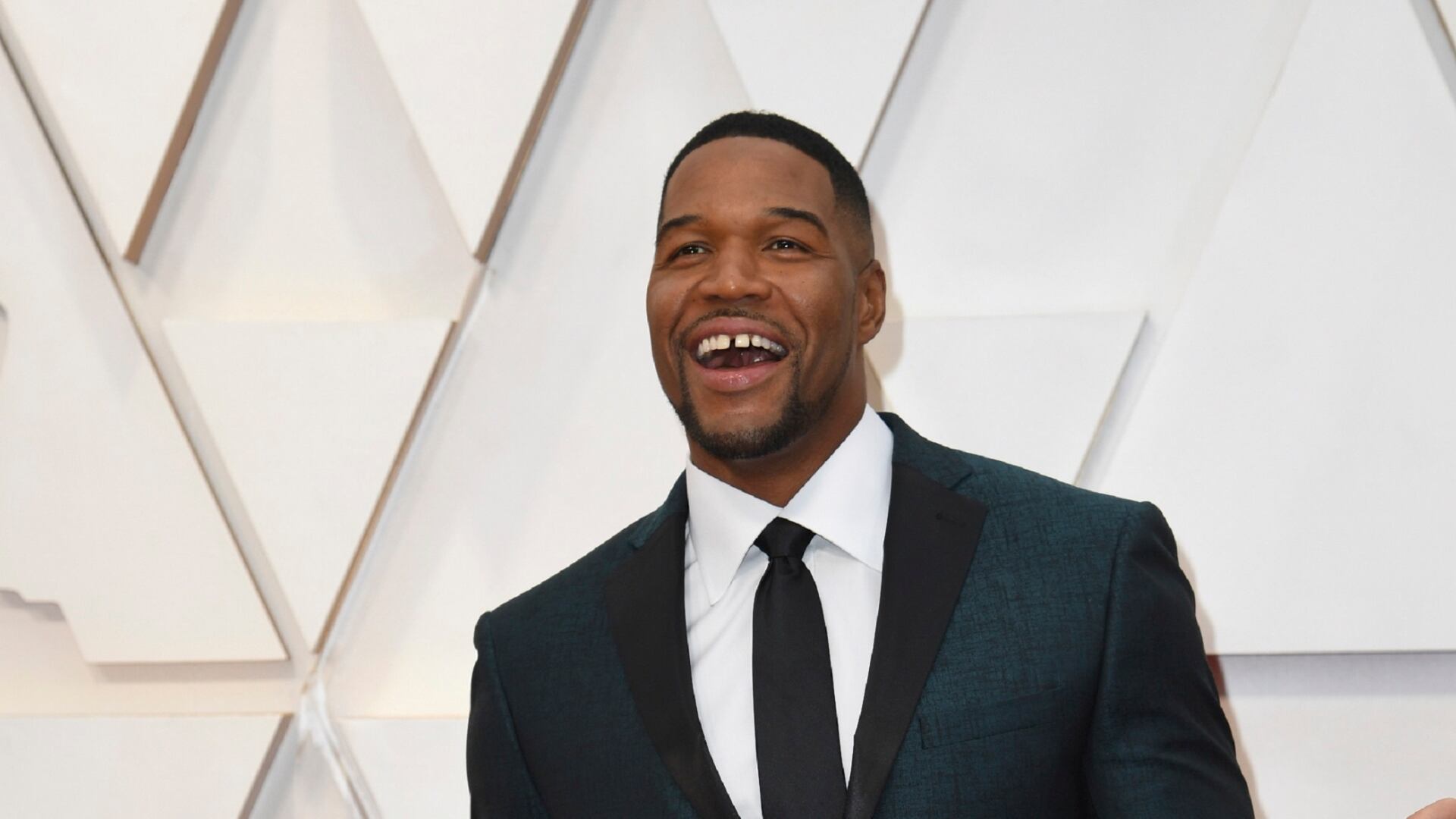
NFL Hall of Famer and "Good Morning America" host Michael Strahan will be able to add space travel to his list of accomplishments as he prepares to launch into orbit with the next Blue Origin mission.
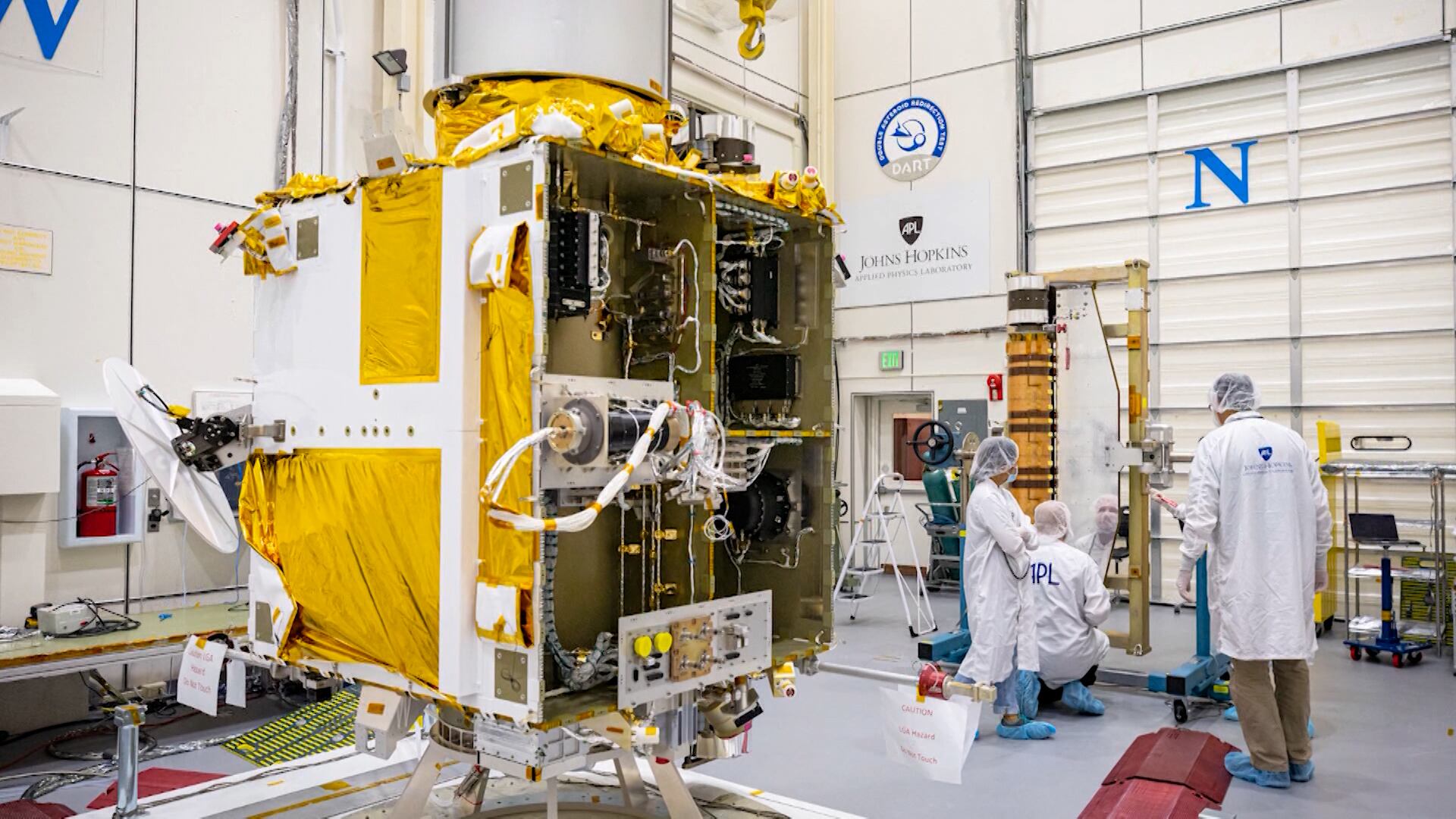
NASA is gearing up this week for a mission to launch a SpaceX Falcon 9 rocket into a near-Earth asteroid in an attempt to move it slightly off its projected course. Thomas Zurbuchen, an associate administrator for the NASA Science Mission Directorate, joined Cheddar's "Opening Bell" to provide some additional details about the Double Asteroid Redirection Test (DART) and explained why it is necessary as a means to protect Earth.
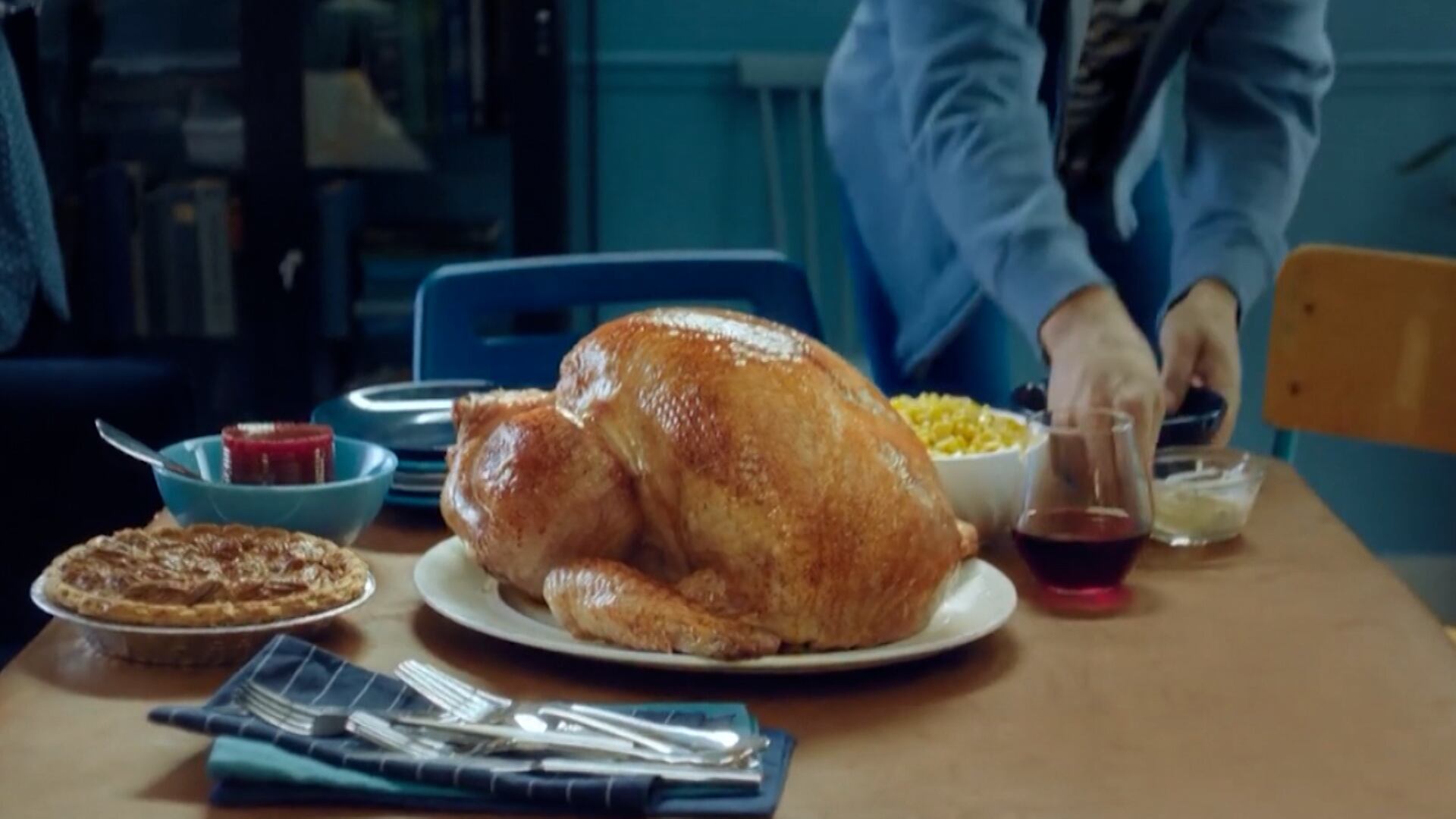
With Thanksgiving two days away, the USDA is reminding hosts of the importance of food safety. Karen Hunter, Food Safety Expert, USDA, joined Cheddar's Opening Bell to discuss the best food handling and leftover tips ahead of the holiday.
Jill and Carlo are a bit delayed today on account of Carlo's internet not working. Better late than never, they discuss what we know about the suspect in the Christmas parade crash, closing arguments in the Arbery killing trial, and more.
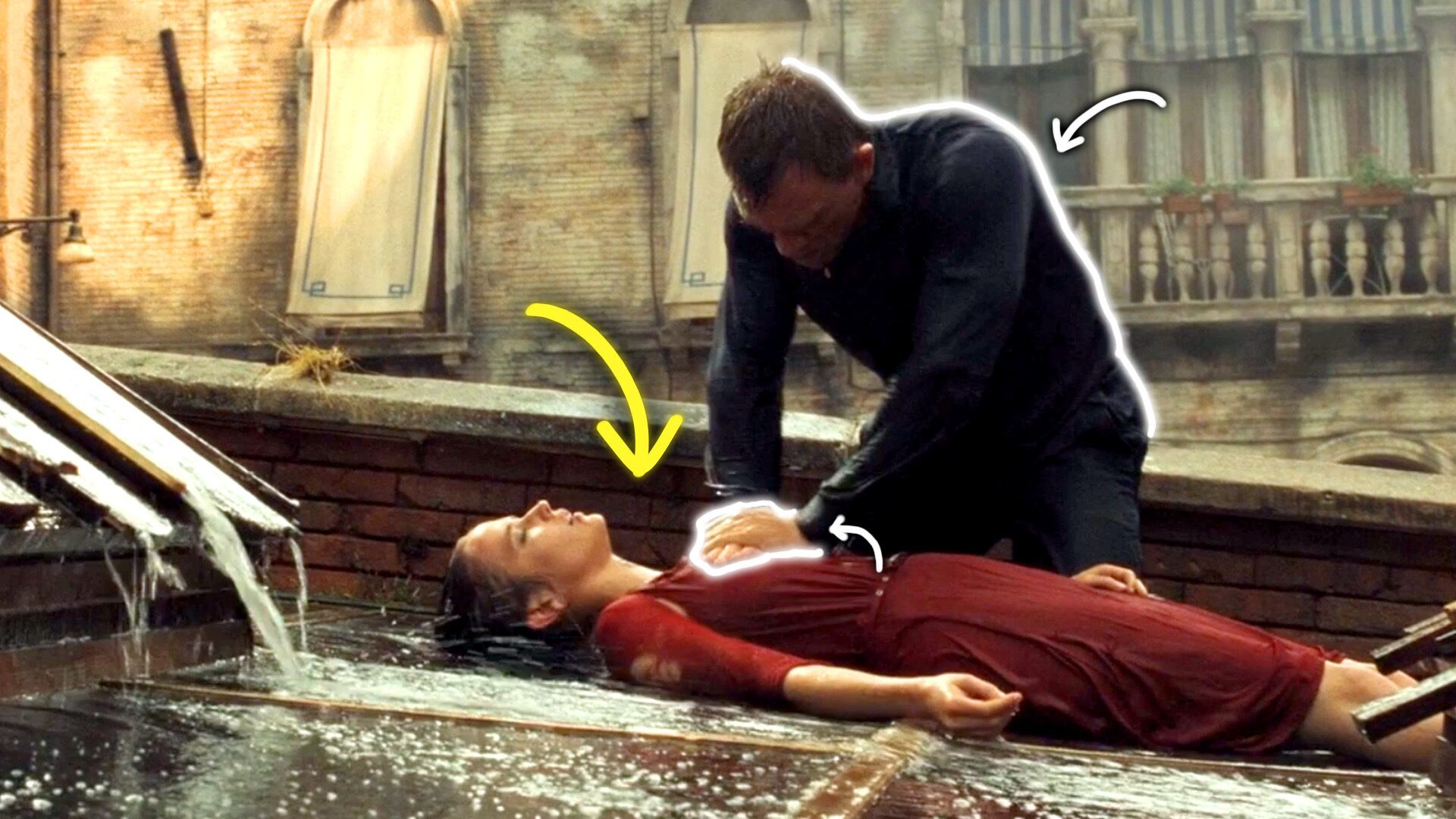
If you’ve ever watched a show or movie where a character is unconscious for some reason - drowning, electrocution, stabbed in a knife fight - you probably know what to expect next. Some hero will come perform what looks like cardiopulmonary resuscitation (CPR) for a minute or two, perhaps in slow motion, and definitely with a dramatic musical score. And bing, bang, boom, the unconscious character miraculously comes back to life.
If you’ve ever suspected that this is a gross exaggeration of the efficacy of CPR, well, you’re right. But exactly how wrong Hollywood gets CPR is hilarious at best and downright dangerous at worst.
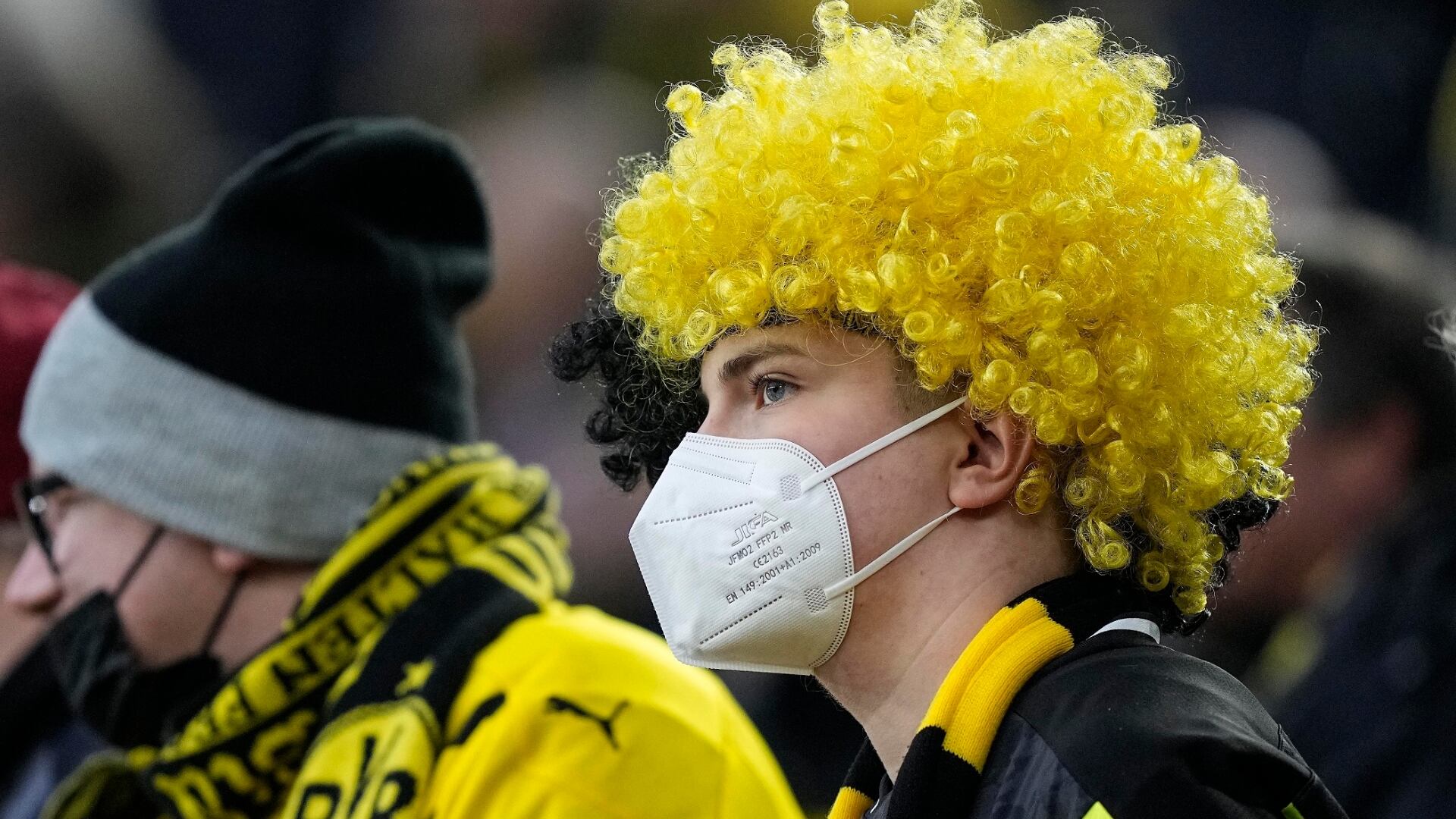
Countries around the world continue to grapple with rising COVID cases, with Germany confirming case numbers at their highest at any point during the pandemic. German officials say that 48,000 new cases are being reported everyday.
Jill and Carlo cover the developing story out of suburban Milwaukee, where a speeding SUV careened through a Christmas parade. Looters get more brazen in San Francisco, the missing Chinese tennis star resurfaces, and more.
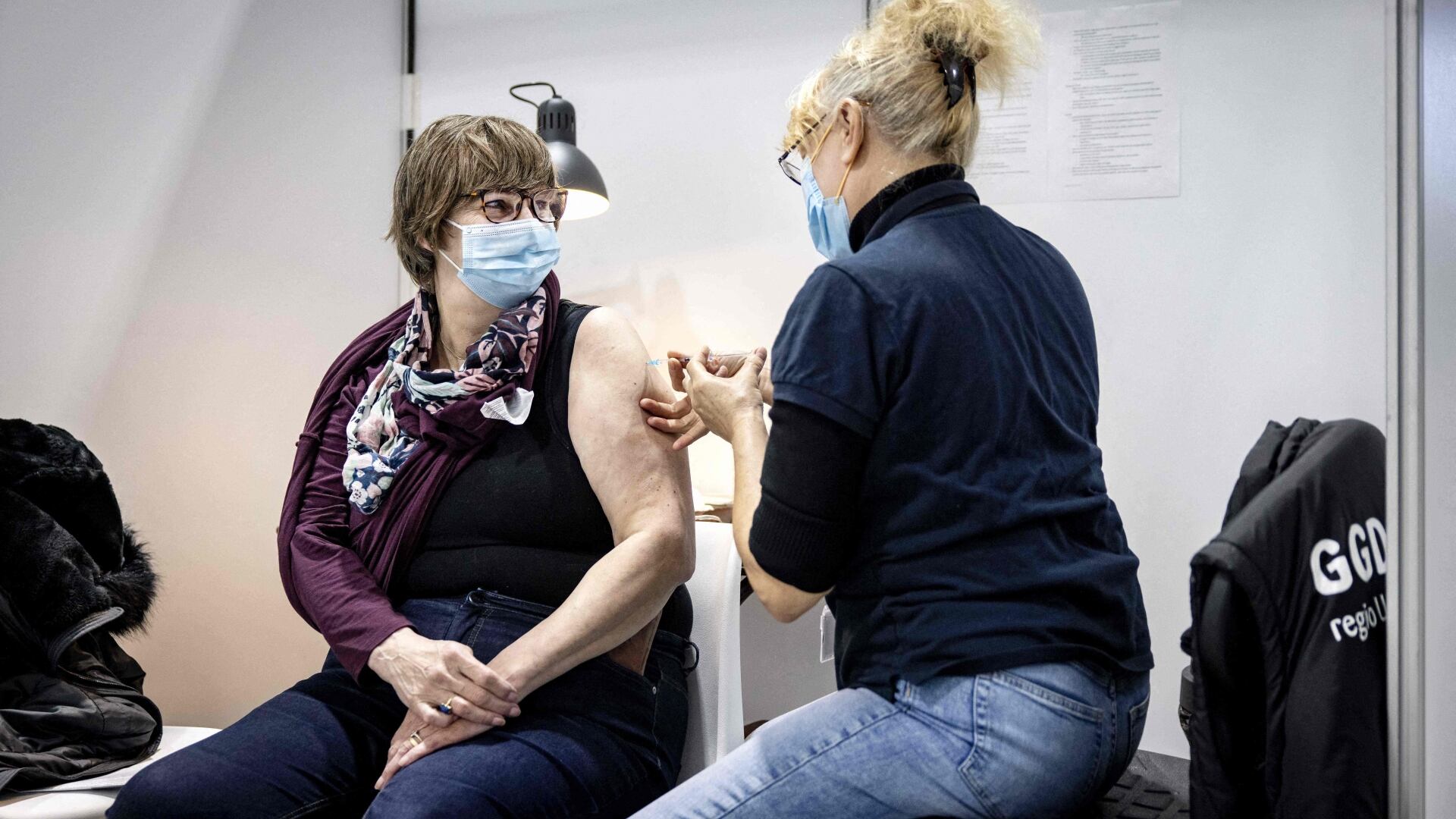
A CDC panel has unanimously endorsed boosters of the Pfizer and Moderna COVID-19 vaccines for all adults. Internal medicine physician Dr. Vivek Cherian joined Cheddar News to weigh in.
Neuroscientist Dr. Bankole Johnson joined Cheddar News to talk about the expectation of boosters for all U.S. adults and what the move would mean in the fight against the pandemic.