Hawaii Isn't Prepared for a Future With Major Hurricanes
*By Carlo Versano*
Hurricane Lane, a major Category 4 storm, lashed the Big Island of Hawaii Thursday as it churned through the Pacific. The hurricane could be the strongest to hit the island chain in 25 years and, according to Andrew Freedman at Axios, is "doing pretty much the worst thing it could possibly do."
Though Lane is weakening and slowing, according to the latest from the [National Weather Service](https://twitter.com/NWSHonolulu), the potential for torrential rain, storm surge, and landslide conditions will loom over the next two days.
Hawaii is not used to hurricane prep. The islands benefit from a combination of cooler waters during prime season and a ridge of high pressure that typically protects it from tropical systems. The last major hurricane to hit [famously](http://articles.latimes.com/1992-09-13/news/mn-1196_1_hurricane-iniki) made landfall during the filming of "Jurassic Park" in 1992.
"Whenever storms try and come up, they fizzle out when they get there," Freedman, Axios's science editor, said Thursday in an interview on Cheddar.
But this year, an El Niño effect is keeping the Pacific water warmer, making Hawaiians more vulnerable to hurricanes. And with more climate change, Hawaii will experience severe tropical weather, Freedman said.
"This is a sign of things to come," he forecast.
The pristine shores of Maui and Oahu are likely to experience waves as high as 20 feet, with the potential for beach erosion, coastal and flash flooding, and sustained hurricane-force winds in the capital of Honolulu through Saturday. Because Lane is moving so slowly and will touch each island ー and given the terrain ー Hawaiians should be prepared for a "potential flooding disaster," hurricane expert Dr. Rick Knabb [tweeted] (https://twitter.com/DrRickKnabb/status/1032635284125622272) on Thursday.
Further complicating the situation, Hawaii has no easy procedure for mass evacuations. Its shelter system isn't designed for major hurricanes, Freedman said.
"They're not accustomed to this."
For full interview [click here] (https://cheddar.com/videos/hurricane-lane-could-be-most-destructive-hurricane-to-hit-hawaii-in-almost-three-decades).
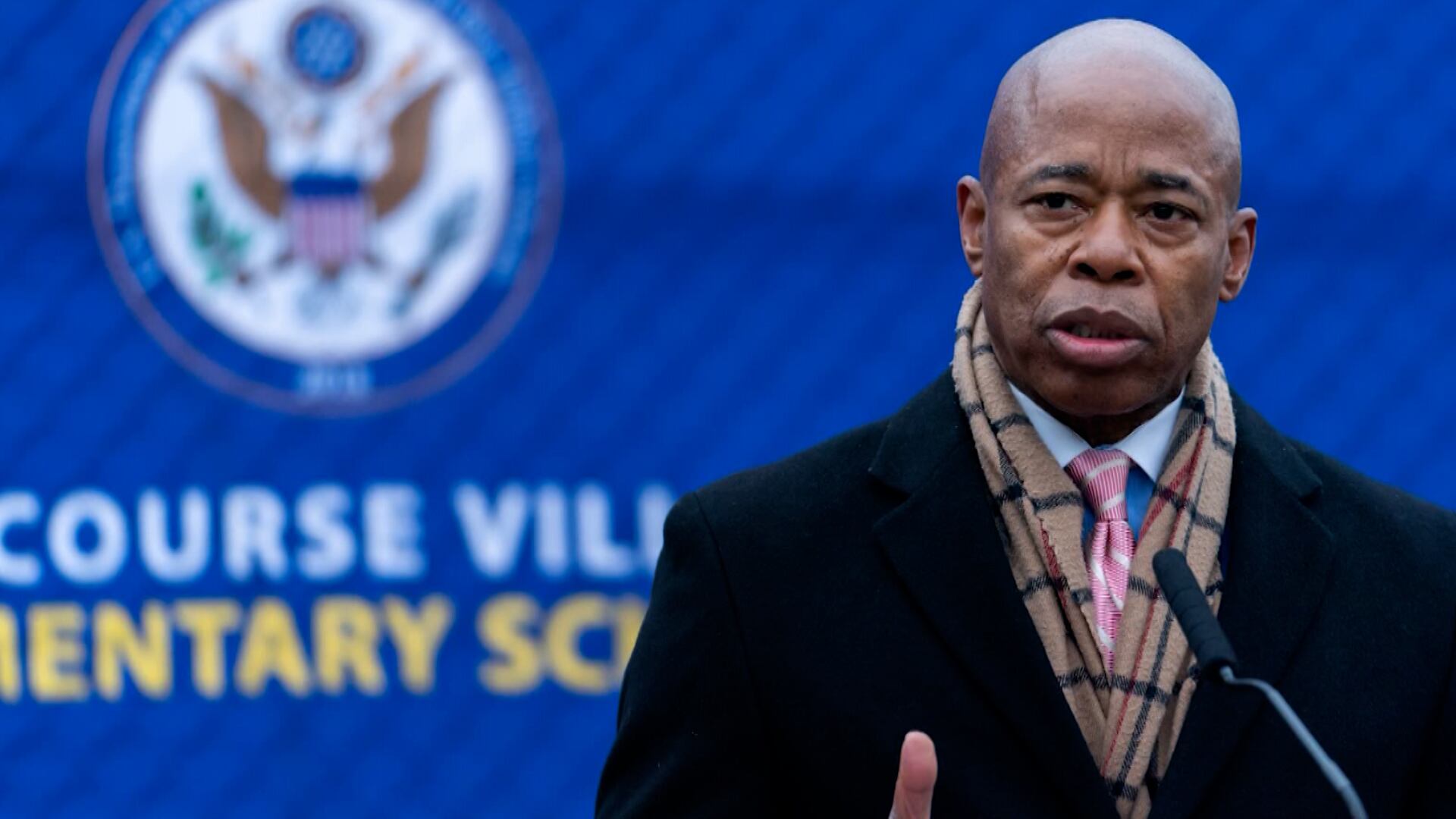
As winter break wraps up and COVID-19 cases hit record levels, the majority of school districts are returning to in-person classes. While some public schools in large cities have shifted to remote learning for the beginning of the year, the schools that are reopening campuses are determined to avoid the academic, social, and logistical challenges that come with a virtual classroom. Cheddar News is joined by Keith Powers, NYC Council Member, to discuss.
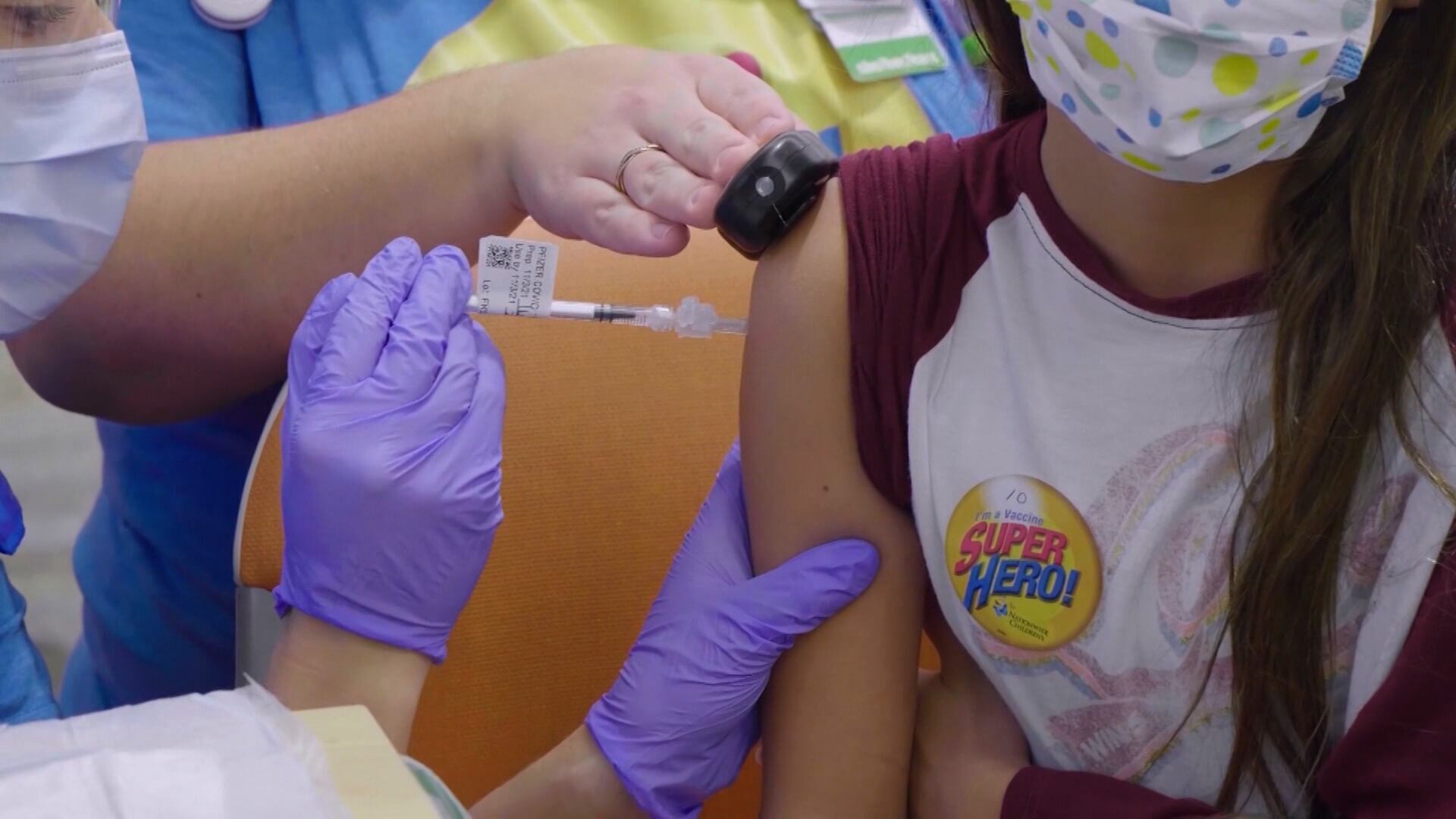
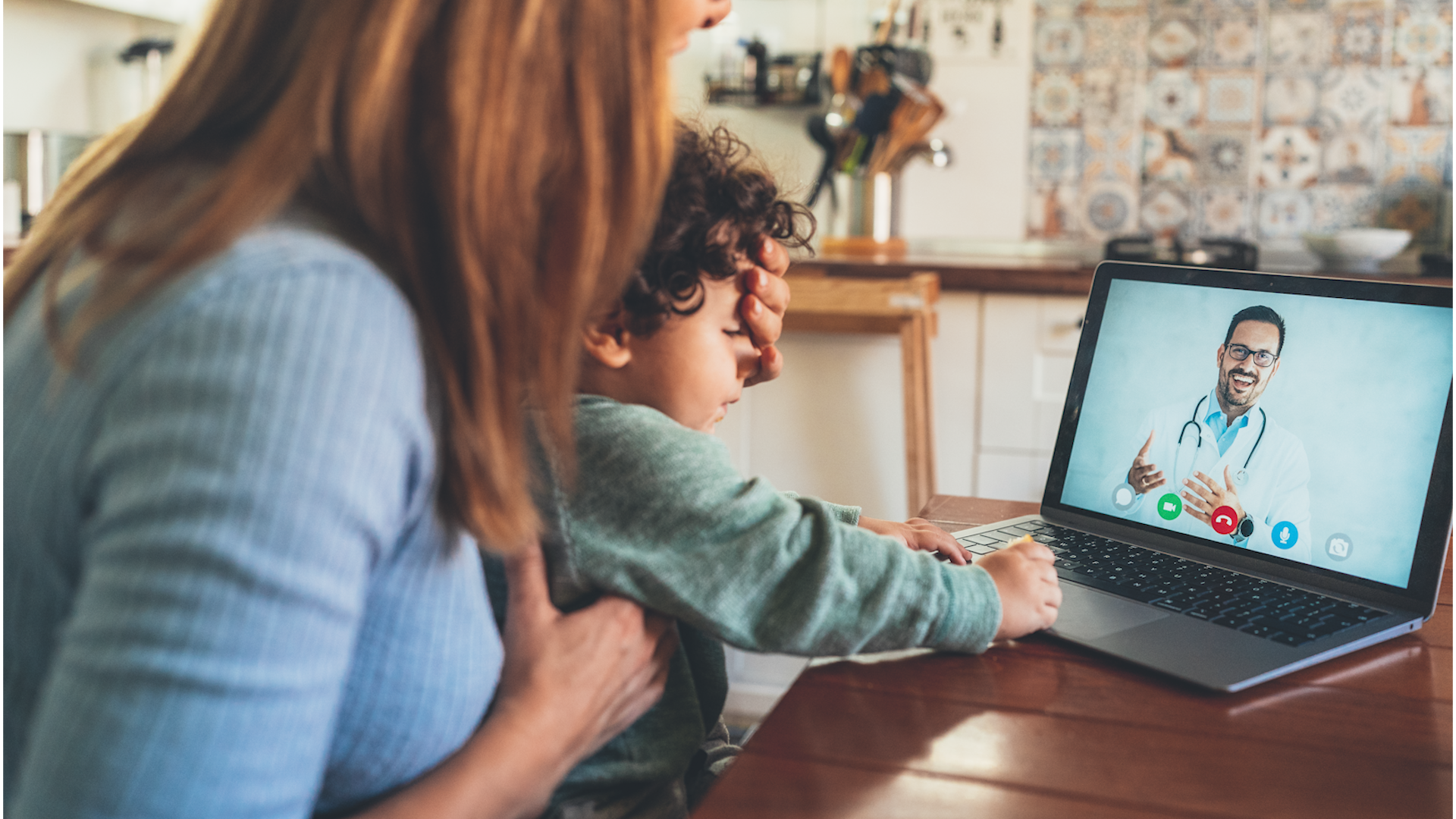
With a rising number of COVID-19 cases due to the omicron variant, the FDA is making big moves. First, Pfizer's COVID-19 booster has been authorized for those ages 12 to 15. The agency also reduced the amount of time to wait between receiving a second vaccine dose and booster from six months to five. Finally, a third primary series dose of Pfizer's shot is approved for immunocompromised children five to 11 years old. Professor Peter Pitts joins Cheddar News to discuss.
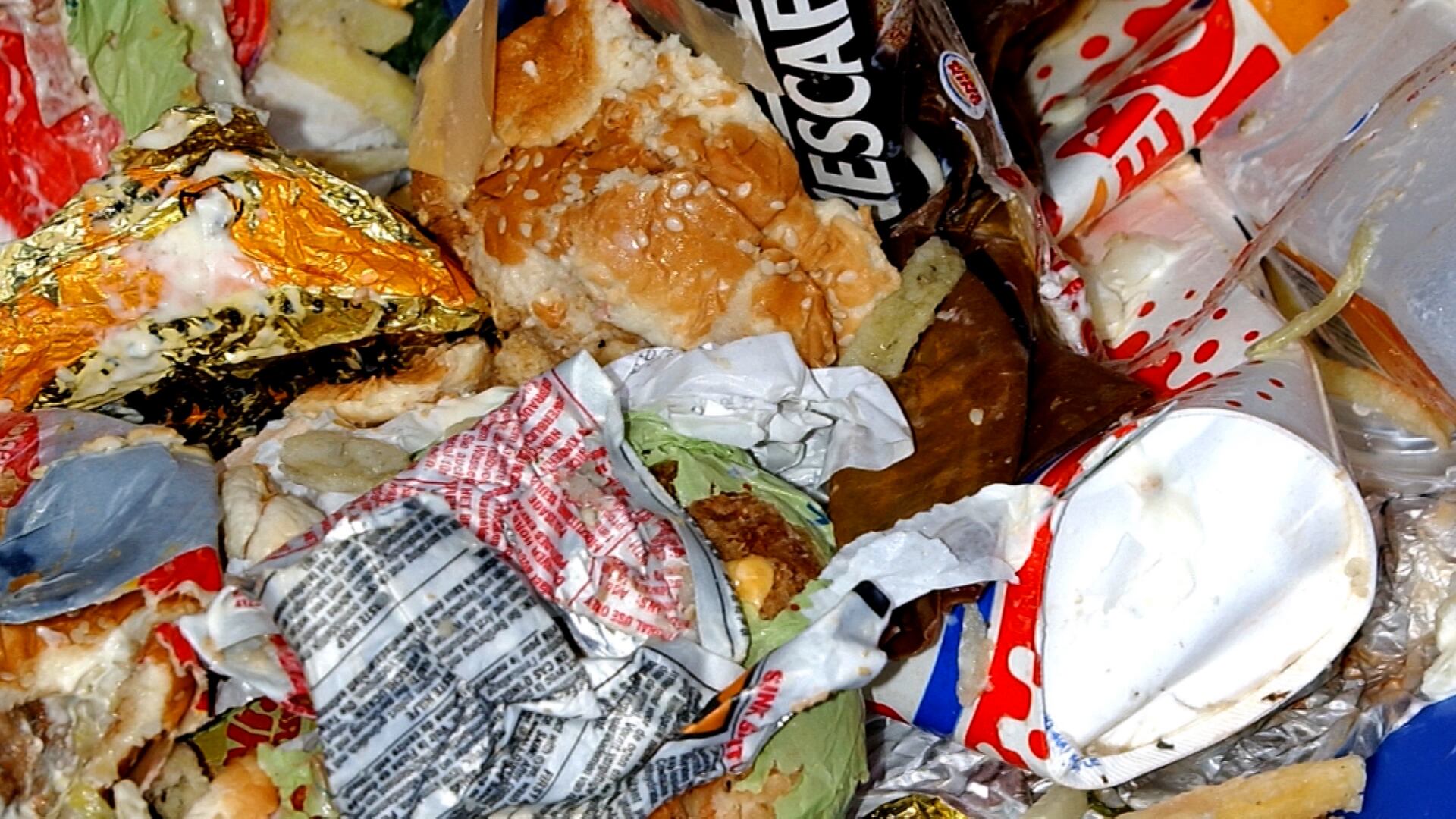
California's new composting law will affect what residents do in their kitchens. As of this week, Californians will have to recycle excess food in an effort to reduce emissions caused by food waste. Cities and counties will turn recycled food into compost or use it as a renewable energy source. California's new law is the largest mandatory residential food waste recycling program in the country. Rachel Wagoner, Director of the California Department of Resources, Recycling and Recovery called the law 'the biggest change to trash' since recycling started in the 1980s. She joined Cheddar Climate to discuss.
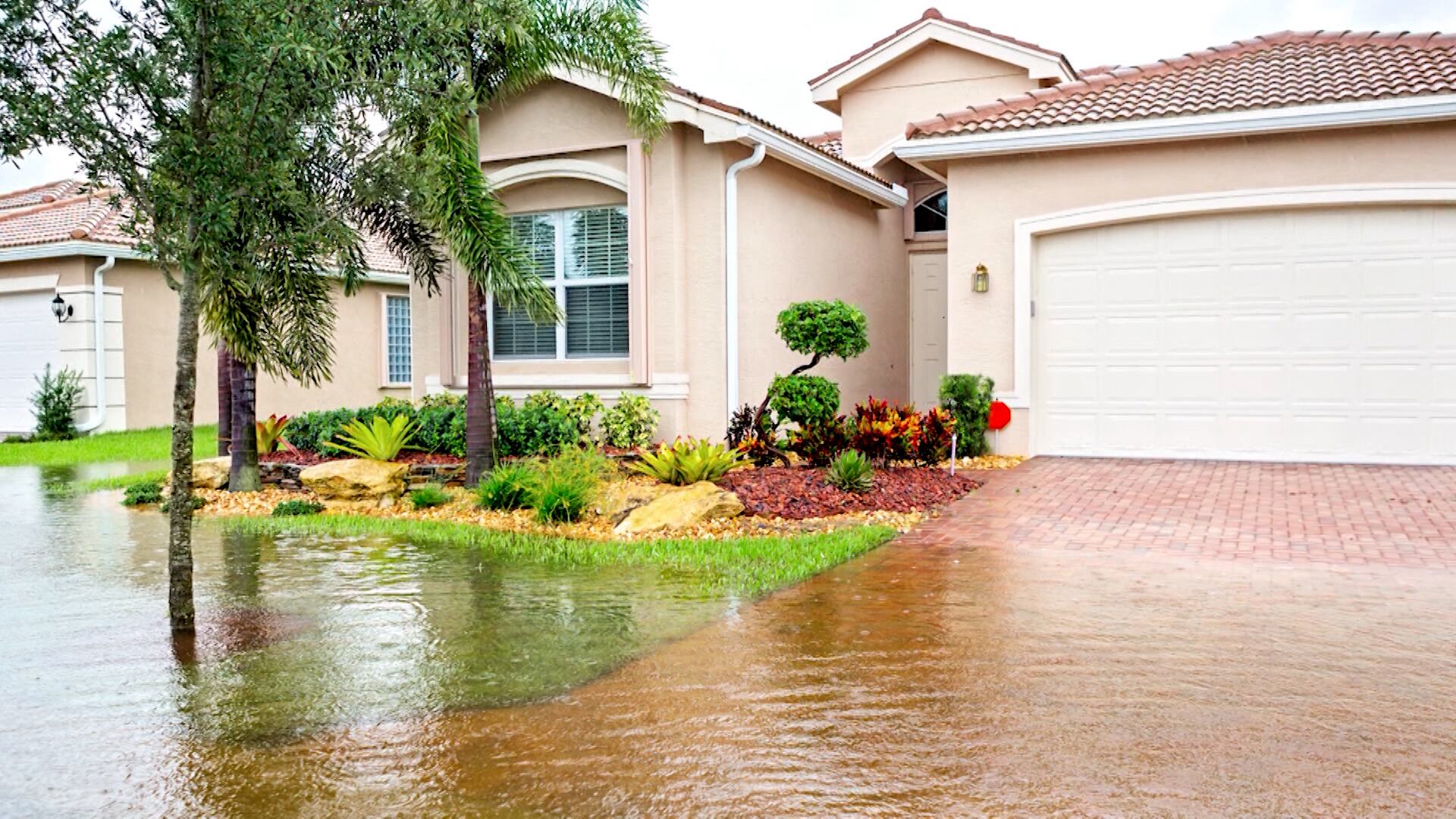
Deborah Brosnan, President of Deborah Brosnan & Associates, joins Cheddar Climate, where she explains why global warming brought about 'a year of reckoning' in 2021 and why previously unprecedented weather events could become the norm going forward.
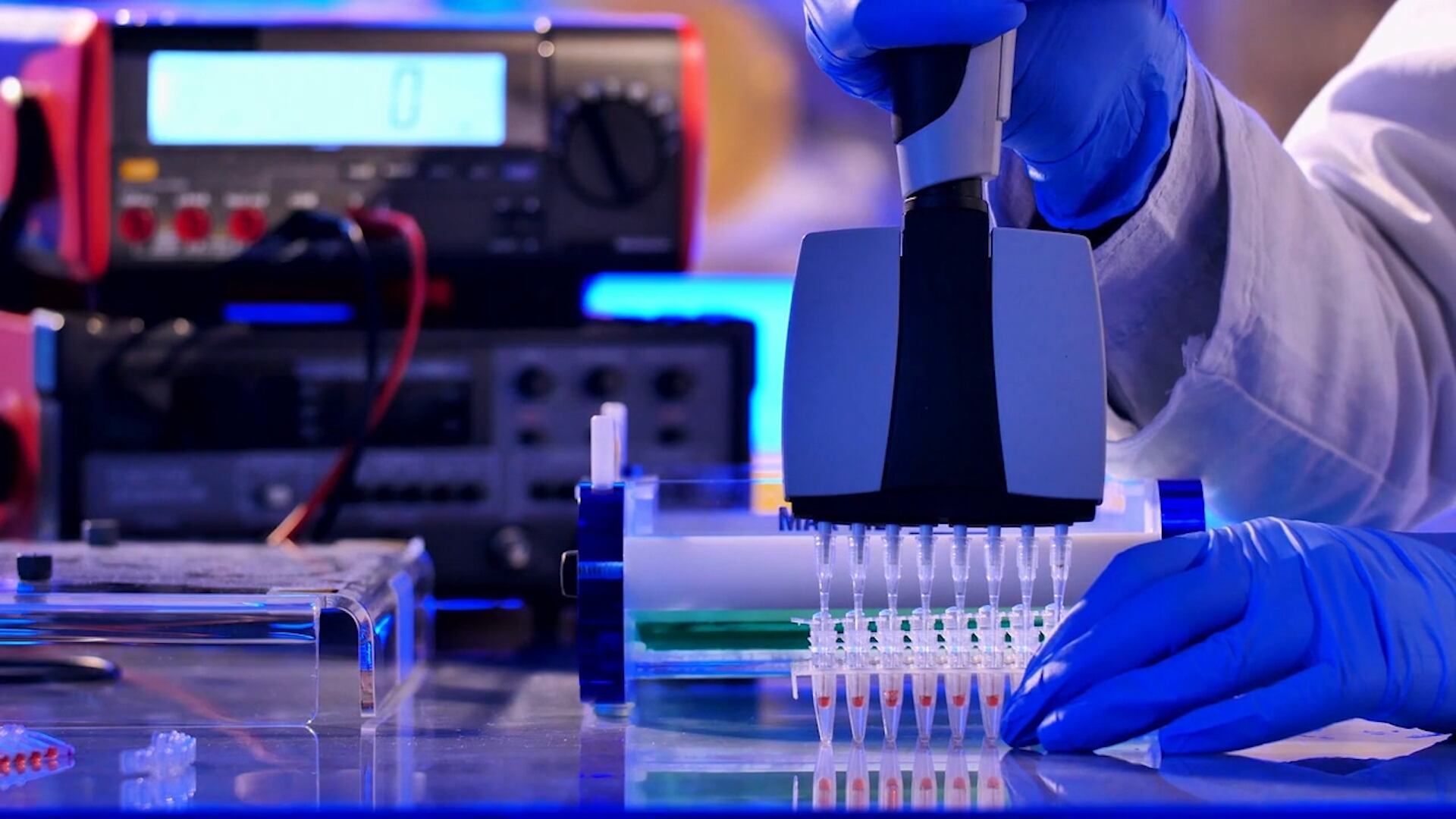
On this episode of Cheddar Reveals, Dr. Anita Gupta, Adjunct assistant professor of anesthesiology and critical care medicine at the Johns Hopkins University School of Medicine, shares her forecast for the healthcare industry in 2022; Waseem Asghar, Ph.D., Associate Professor, Department of Computer & Electrical Engineering and Computer Science, Florida Atlantic University, breaks down the latest progress, trends, and innovations in wearable health tech; Cheddar gets a look at Curiosity Stream's 'Hacking our Biome.'
Dr. Anita Gupta, Adjunct assistant professor of anesthesiology and critical care medicine at the Johns Hopkins University School of Medicine, joins Cheddar Reveals to share her forecast for the healthcare industry in 2022.
Waseem Asghar, Ph.D., Associate Professor, Department of Computer & Electrical Engineering and Computer Science, Florida Atlantic University, joins Cheddar Reveals to break down the latest progress, trends, and innovations in wearable health tech.
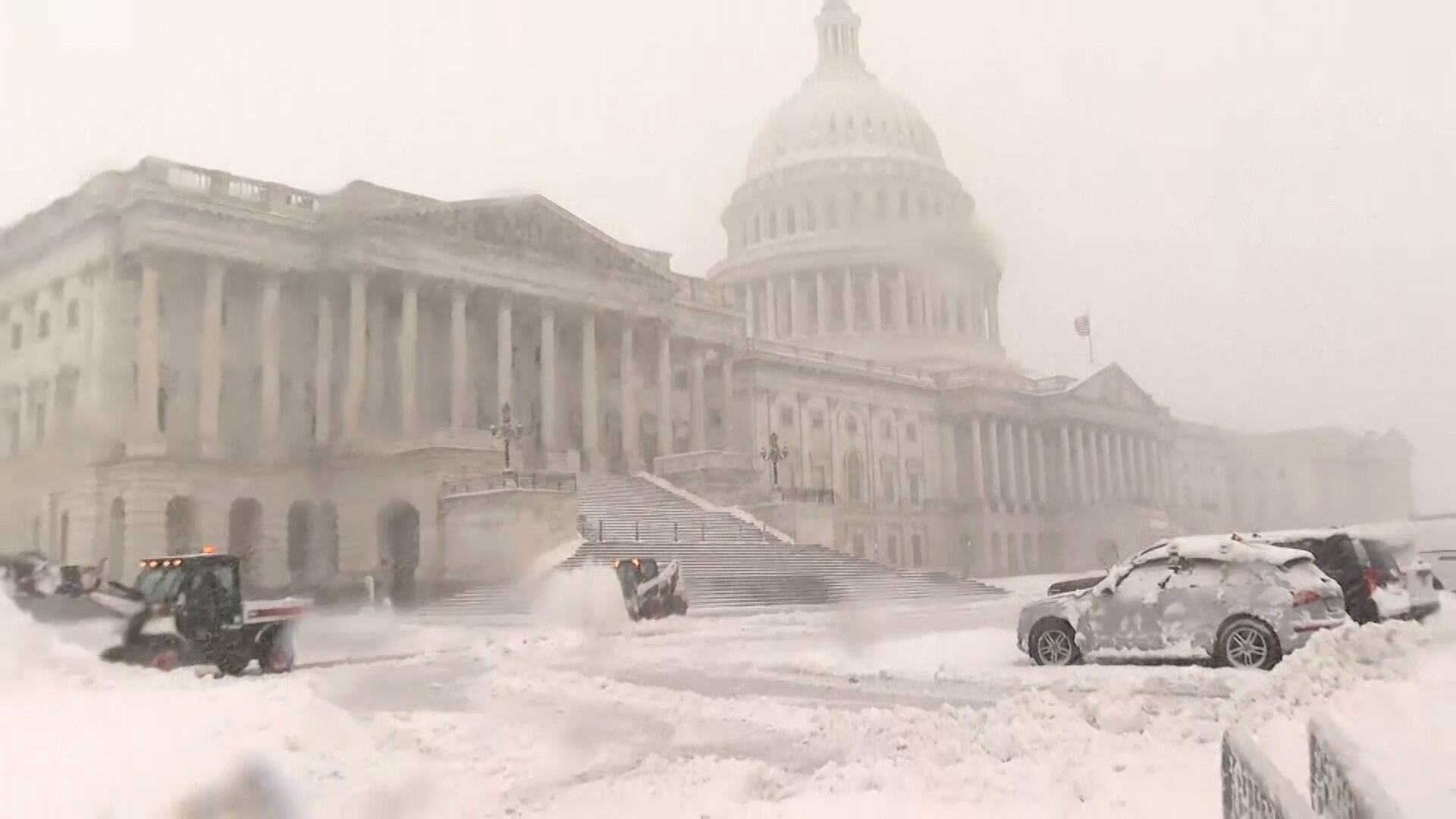
Washington DC and the surrounding areas saw a record breaking snow storm Monday as a strong storm system works its way across the eastern U.S. The extreme weather event caused extensive damage in the greater Washington area, leaving thousands in the region without power. Jonathan Porter, Chief Meteorologist, AccuWeather, joined Wake Up with Cheddar to discuss the fierce storm.
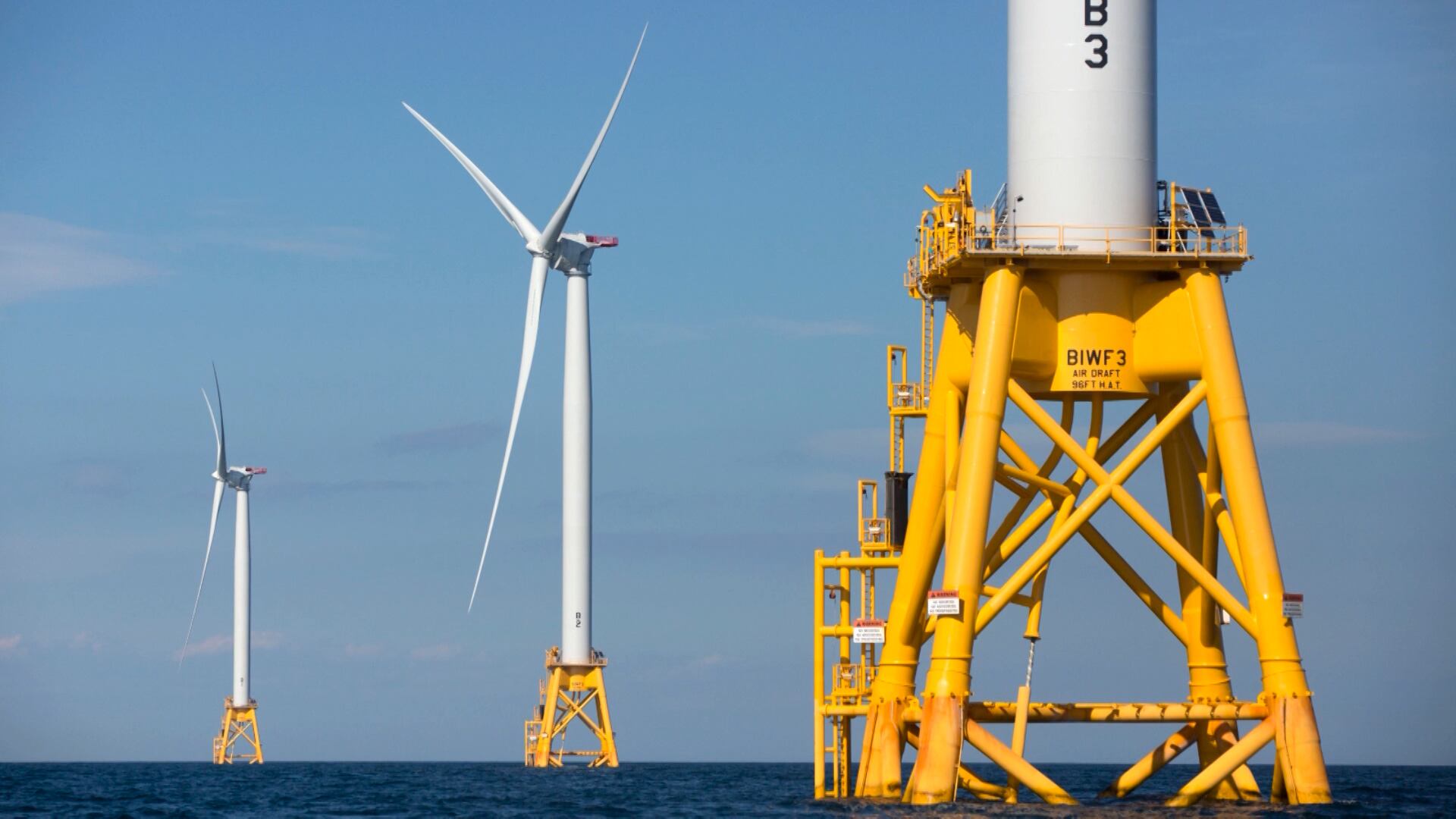
Sweta Chakraborty, U.S. President of We Don't Have Time and climate change expert, joins Cheddar News to discuss how mining the proper resources for the clean energy sector is crucial.