Hawaii Attorney General Weighs in on Net Neutrality
The FCC's decision is receiving a lot of backlash after repealing the net neutrality regulations. Doug Chin, Attorney General of Hawaii, joined us to share why he and 22 other state attorney generals filed a lawsuit to block the move.
Chin weighs in on what he thinks the Trump administration is ignoring with the repeal of net neutrality. The argument from Hawaii is that the rollback is “arbitrary and capricious” and goes against longstanding policy of the FCC. He says the big issue for Hawaii is they depend on internet for information since they are geographically isolated. In terms of free flow of information, he doesn’t believe it reflects the American way.
The attorney general also discusses the impact of marijuana regulations. He says the big issue is that most banks are not willing to accept money because of federal regulations preventing them from taking on the risk. This results in a cash-only grey market that makes the industry difficult to regulate, says Chin.
AstraZeneca said its cancer-treatment drugs when used following chemotherapy treatment showed positive late-stage trial results for endometrial cancer patients.
The Week's Top Stories is a guided tour through the biggest market stories of the week, from winning stocks to brutal dips to the facts and forecasts generating buzz on Wall Street.
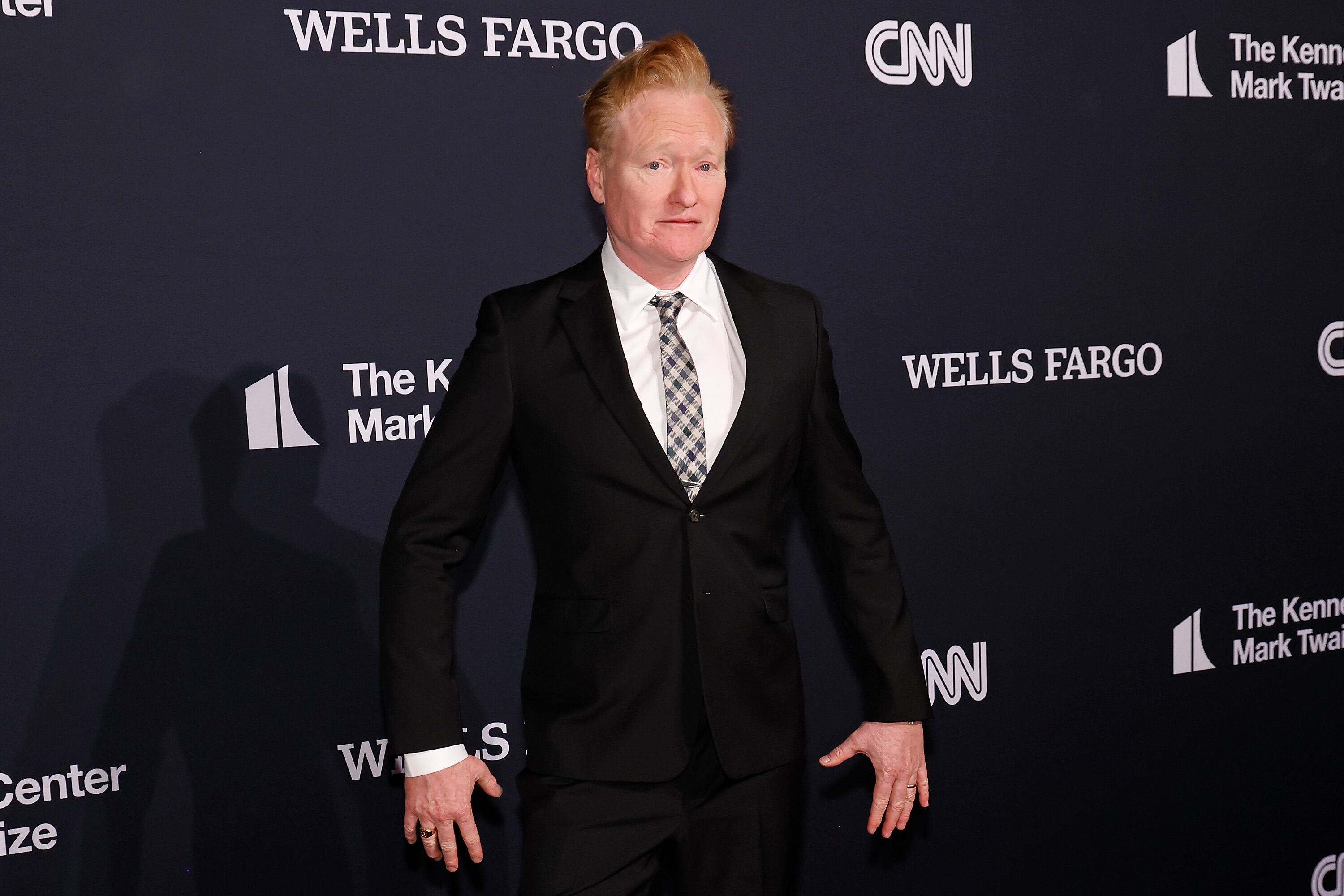
Aileen Del Cid, head of marketing at Samsung TV Plus, sat down with Cheddar News reporter Michelle Castillo to discuss the platform's plans to stand out from the streaming competition with a new channel featuring Conan O'Brien.
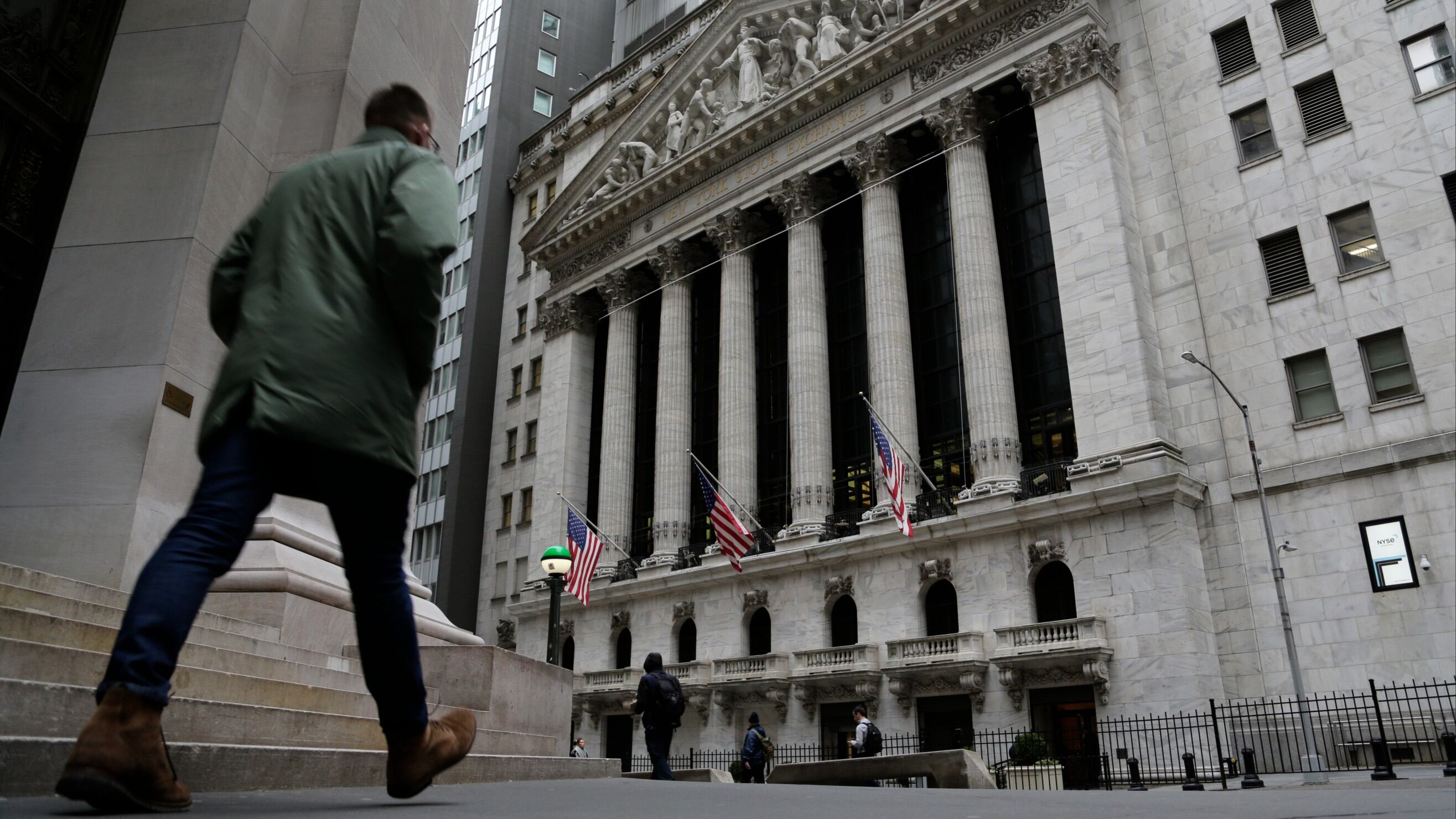
Stocks rose in midday trading on Wall Street Friday, led by more gains in technology stocks as another chipmaker reported strong demand related to artificial intelligence.
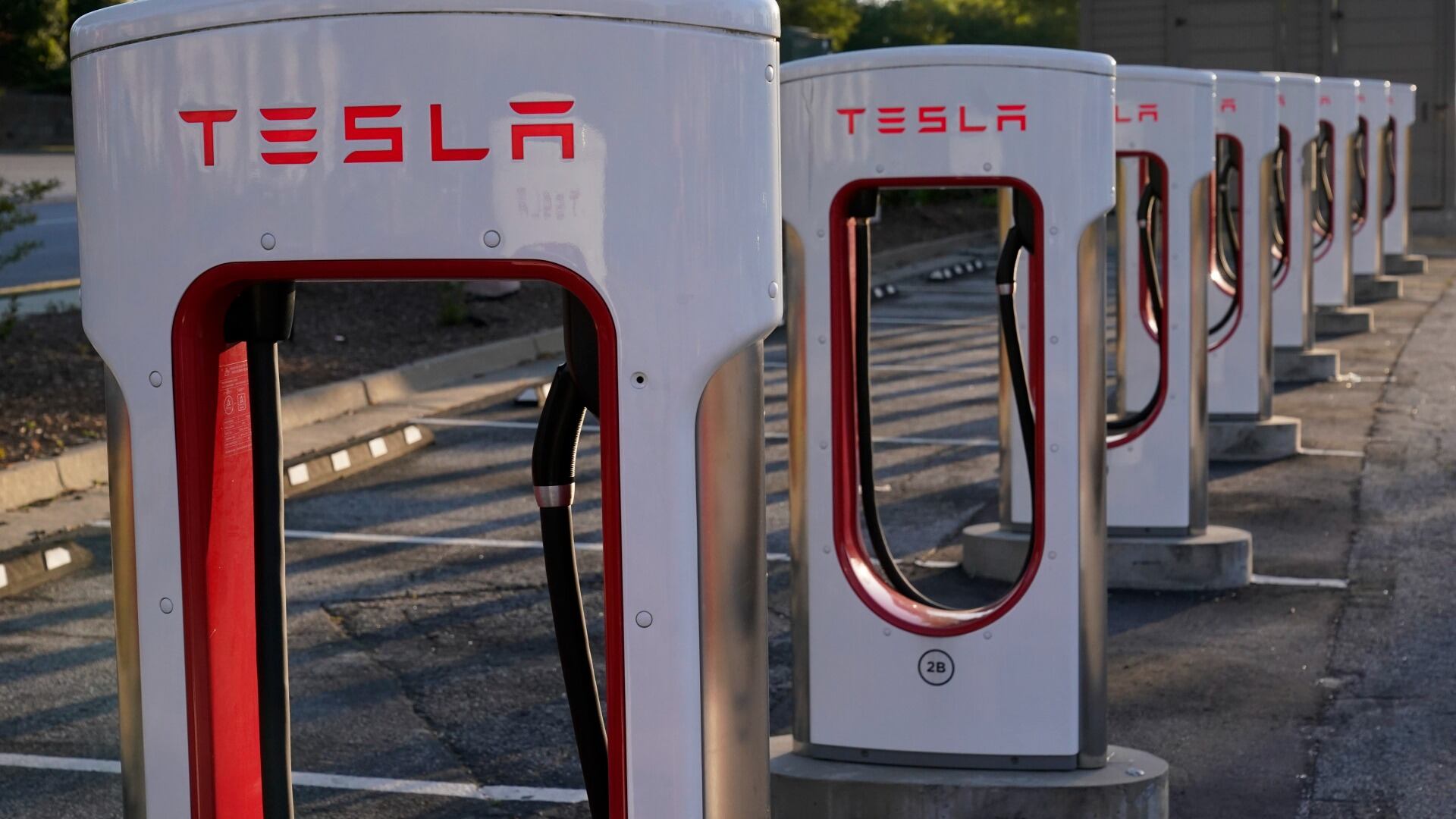
All of Ford Motor Co.'s current and future electric vehicles will have access to about 12,000 Tesla Supercharger stations in the U.S. and Canada starting next spring.