Harvey Weinstein was convicted Monday at his sexual assault trial, sealing his dizzying fall from powerful Hollywood studio boss to archvillain of the #MeToo movement.

The verdict followed weeks of often harrowing and excruciatingly graphic testimony from a string of accusers who told of rapes, forced oral sex, groping, masturbation, lewd propositions and that's-Hollywood excuses from Weinstein about how the casting couch works.

The conviction was seen as a long-overdue reckoning for Weinstein after years of whispers about his behavior turned into a torrent of accusations in 2017 that destroyed his career and gave rise to #MeToo, the global movement to encourage women to come forward and hold powerful men accountable for their sexual misconduct.

The jury of seven men and five women took five days to find him guilty.

The case against the once-feared producer was essentially built on three allegations: that he raped an aspiring actress in a New York City hotel room in 2013, that he forcibly performed oral sex on another woman, production assistant Mimi Haleyi, at his apartment in 2006, and that he raped and forcibly performed oral sex on "Sopranos” actress Annabella Sciorra in her apartment in the mid-1990s.

Three additional women who said they, too, were attacked by Weinstein also testified as part of an effort by prosecutors to show a pattern of brutish behavior on his part.

The Associated Press does not typically identify people who say they are victims of sex crimes unless they grant permission, as Haleyi and Sciorra did.

Jurors signaled their struggles with the Sciorra charges four days into deliberations. On Friday, after reviewing sections of her testimony and related evidence, they sent a note to the judge indicating they were deadlocked on the counts but had reached a unanimous verdict on the others. After some debate in the courtroom, the judge ordered jurors to keep deliberating.

While Weinstein did not testify, his lawyers contended that any sexual contact was consensual and that his accusers went to bed with him to advance their careers.

The defense seized on the fact that two of the women central to the case stayed in contact with Weinstein through warm and even flirty emails — and had sex with him — well after he supposedly attacked them.

THIS IS A BREAKING NEWS UPDATE. AP's earlier story follows below.

Jurors at Harvey Weinstein’s New York City rape trial are set to resume deliberations Monday after signaling they are at odds on the top charges in the closely watched #MeToo case.

The jury sent a note to Judge James Burke at the end of a fourth day of deliberations on Friday, asking if it was permissible for the panel to be hung on one or both counts of predatory sexual assault against the disgraced movie mogul while reaching a unanimous verdict on lesser charges.

The judge responded by ordering the jury to keep deliberating and try to reach a unanimous decision. The query sparked speculation that the trial could end with a partial verdict, but Burke has not addressed that.

Previous notes suggested that jurors were focused on a key aspect of both predatory sexual assault counts — “Sopranos” actress Annabella Sciorra's allegations that Weinstein attacked her in the mid-1990s. The jury must factor in Sciorra’s account, along with the accusations that Weinstein raped an aspiring actress in March 2013 and forced oral sex on former film and TV production assistant Mimi Haleyi in 2006, to find him guilty of predatory sexual assault.

A guilty verdict on just one of those two predatory sexual assault charges would likely send Weinstein to prison for the rest of his life.

Weinstein has maintained any sexual encounters were consensual.

The Associated Press has a policy of not publishing the names of people who allege sexual assault without their consent. It is withholding the name of the 2013 rape accuser because it isn’t clear whether she wishes to be identified publicly.
Share:
More In Culture
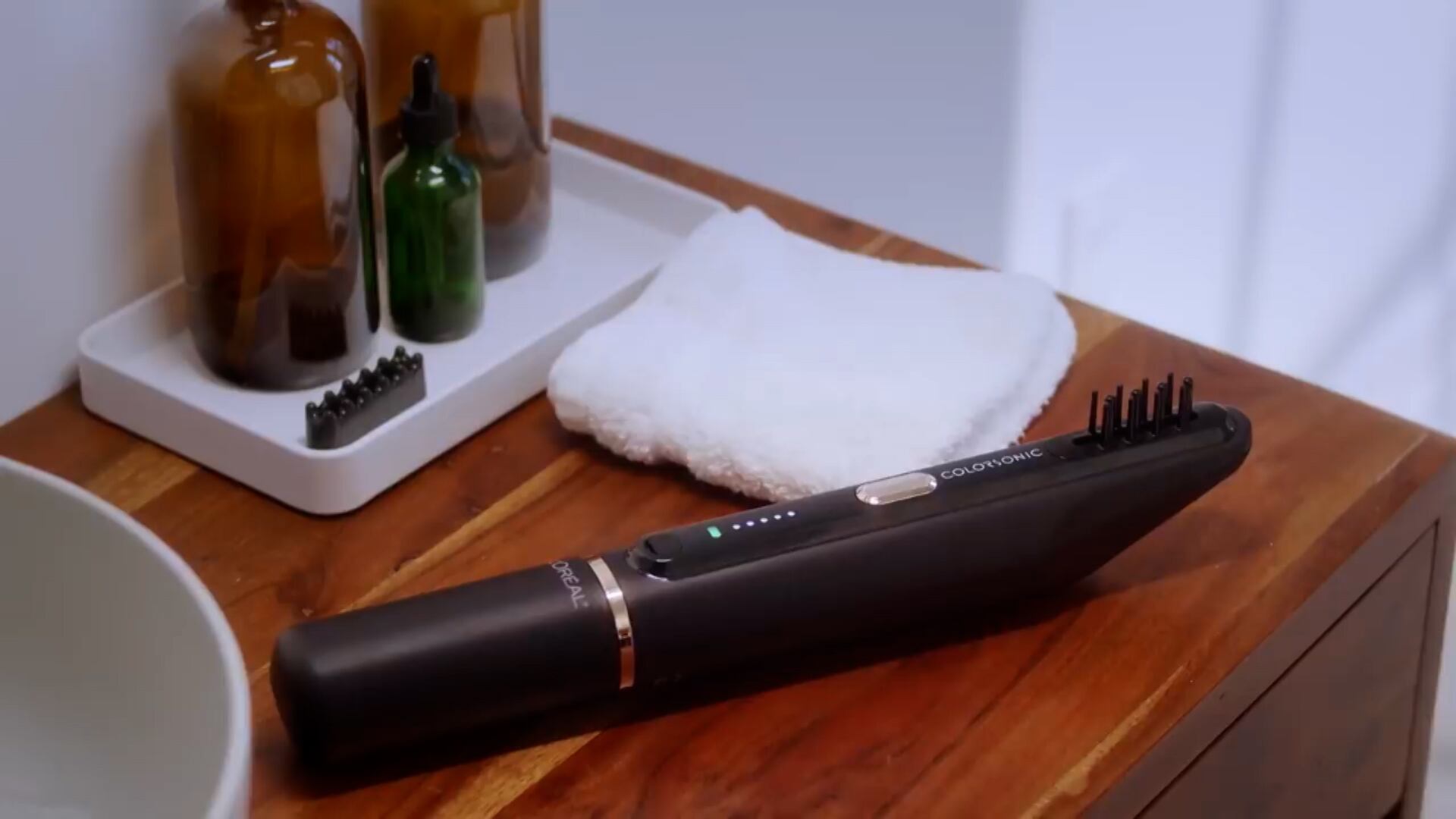
L’Oréal Leans Into High-Tech Innovations for Home Hair Coloring
L’Oréal is doubling down on its investment in tech. The French beauty giant unveiled two new high-tech products ahead of CES 2022, aimed at simplifying the hair coloring process. Guive Balooch, global vice president of L’Oréal Technology Incubator, joined Cheddar's Opening Bell to discuss the company's innovations for hair coloring, including the Colorsonic application device and the Coloright AI diagnostic tool.
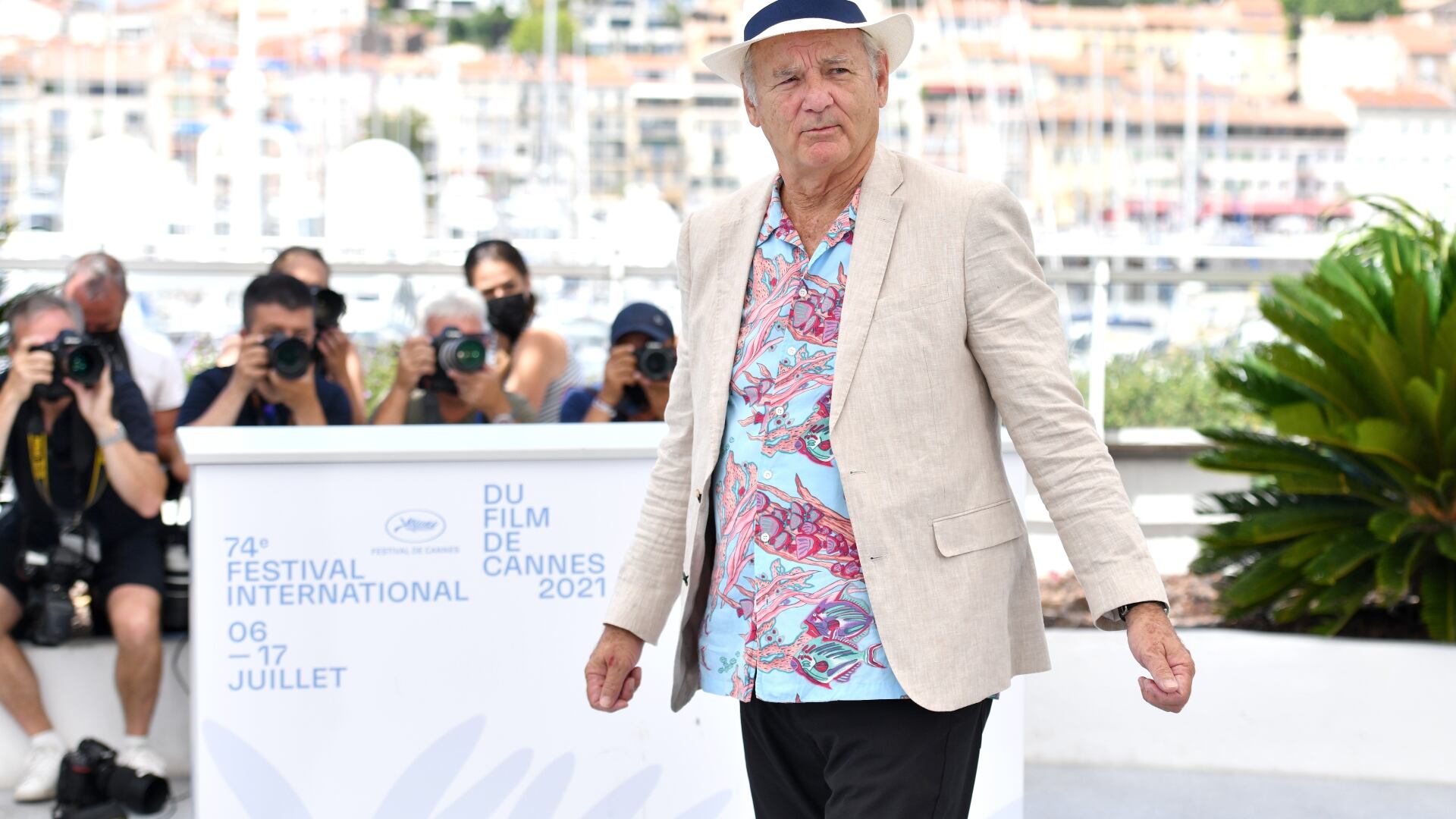
Bill Murray, Cellist Jan Vogler Make Beautiful Music Together in New Concert Doc
After meeting by chance in an airport, legendary actor Bill Murray and world-renowned cellist Jan Vogler joined forces to put out an album of poetry and music, go on a European concert tour, and release a feature documentary. Murray and Vogler joined Cheddar to dish about the experiences taking their “New Worlds: The Cradle of Civilization" on the road and filming the documentary that followed the pair, along with Mira Wang on violin and Vanessa Perez on piano, at their final show in Greece. "When this opportunity to play with Jan and Mira and Vanessa came along, I thought, well how bad can I be with these people behind me," Murray self-deprecatingly noted about his own musical talents.
Everything You Need to Know About Climbing Mount Everest
On this episode of Cheddar Reveals: Director of Programs at Alpine Ascents breaks down how to mentally and physically prepare for climbing Mount Everest; American Himalayan Foundation's Vice President discusses Sherpa culture and ethos, and why they are so critical to the climb; A look at Curiosity Stream's 'History by the Numbers.'
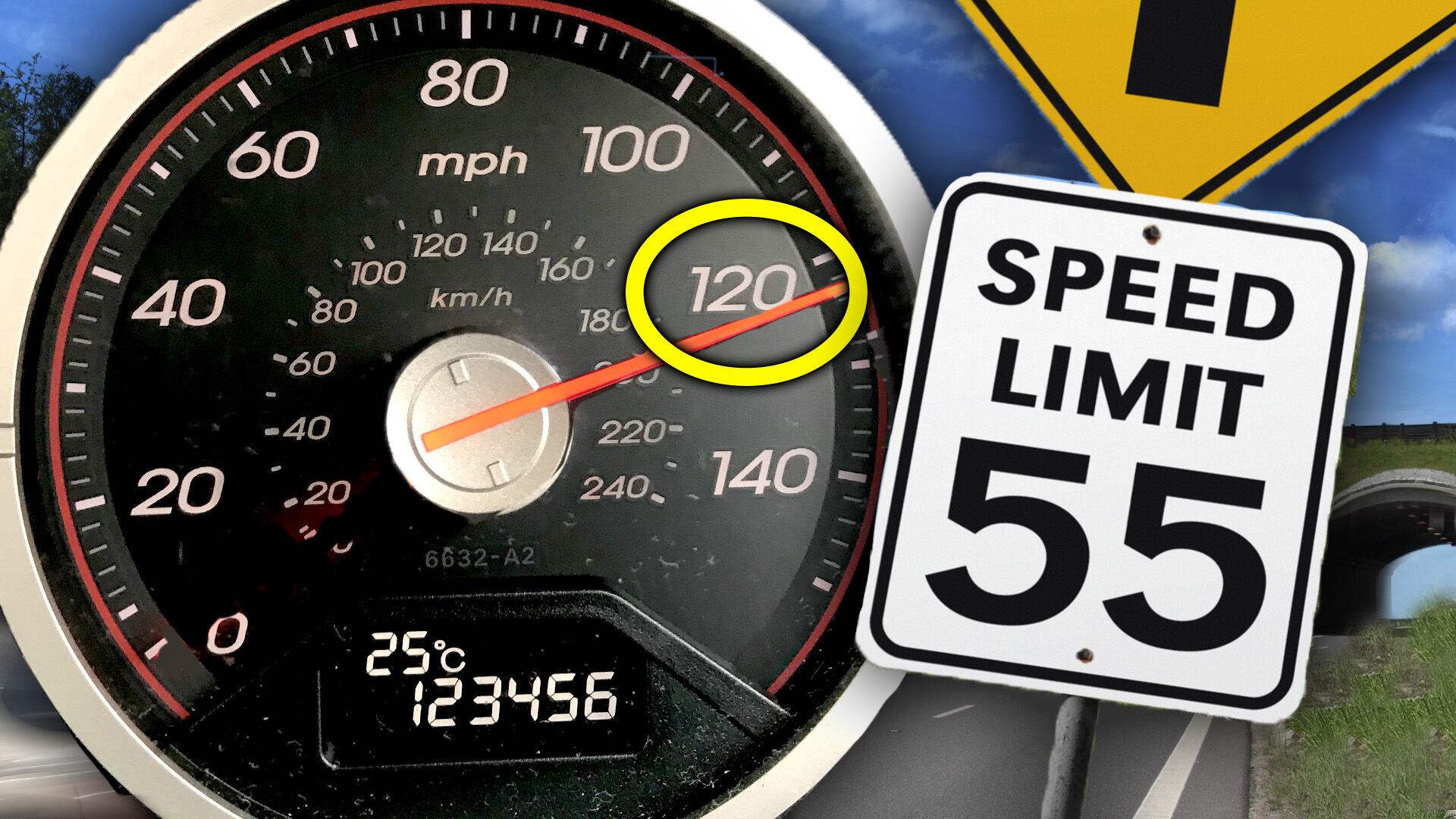
Why Cars Can Go Speeds They Can’t Legally Hit
All around the world, speed limits are placed on public roads to promote car safety and save lives. In that same world, car manufacturers have continued to look for ways to build faster and faster cars. Despite the dangers of speeding, many drivers are guilty of pushing the pedal from time to time. With cars being such a prevalent culture in everyday life, especially in the US, it’s worth wondering what it would take for car companies to once and for all settle the argument of safety versus freedom.
Income Inequality Among Influencers, Closing the Racial Pay Gap
A recent study by MSI uncovers a vast racial divide in influencer marketing. The research found a 35% racial pay gap between white and black influencers. This gap is extremely wider than the gap in other industries such as education, business, and finance. The research also suggests that brands and agencies have the power to close this gap. Tiffany Hardin, founder and CEO of Gild Creative Group, joins Cheddar News to discuss.
Pennsylvania AG Josh Shapiro Details Navient's Predatory Student Loan Schemes
Student loan collection company Navient agreed to cancel $1.7 billion in debt and paid more than $140 million in other penalties to settle a lawsuit over abusive lending practices. Josh Shapiro, the attorney general of Pennsylvania who led negotiations in the settlement, joined Cheddar to go over the details of the company's predatory lending. "What Navient would do is charge [borrowers] these exorbitantly high rates, even though they knew people couldn't pay them or they would likely default on them," he explained.
Foxtrot Raises $100 Million to Accelerate National Retail Expansion Of Its Digital-First, Omnichannel Corner Store
Retail platform operator and delivery company, Foxtrot, raised $100 million in a Series C round led by D1 Capital Partners. Foxtrot bills itself as the modern convenience store that combines what it calls in-store curated discovery with 30-minute delivery and 5-minute pickup. Since launching first as a digital-only delivery service, the company has since grown into a popular local retailer, opening 16 brick and mortar locations across Chicago, Dallas, and Washington, DC. Foxtrot co-founder and CEO Michael LaVitola joined Cheddar News' Closing Bell to discuss.
Load More