By Zeke Miller

Vice President Kamala Harris tested positive for COVID-19 on Tuesday, the White House announced, underscoring the persistence of the highly contagious virus even as the U.S. eases restrictions in a bid to return to pre-pandemic normalcy.

Neither President Joe Biden nor first lady Jill Biden was considered a “close contact” of Harris in recent days, said the vice president's press secretary, Kirsten Allen. Harris had been scheduled to attend Biden’s Tuesday morning Presidential Daily Brief but was not present, the White House said.

She had returned Monday from a weeklong trip to the West Coast. The last time she saw Biden was the previous Monday, April 18.

“I have no symptoms, and I will continue to isolate and follow CDC guidelines," Harris tweeted. "I’m grateful to be both vaccinated and boosted.”

Biden phoned her Tuesday afternoon to make sure she “has everything she needs” while working from home, the White House said.

Harris, 57, received her first dose of the Moderna COVID-19 vaccine weeks before taking office and a second dose just days after Inauguration Day in 2021. She received a booster shot in late October and an additional booster on April 1. Fully vaccinated and boosted people have a high degree of protection against serious illness and death from COVID-19, particularly from the most common and highly transmissible omicron variant.

Harris’ diagnosis comes a month after her husband, Doug Emhoff, recovered from the virus, as a wave of cases of the highly transmissible omicron subvariant has spread through Washington’s political class, infecting Cabinet members, White House staffers and lawmakers including House Speaker Nancy Pelosi. Sens. Ron Wyden, D-Ore., and Chris Murphy, D-Conn., tested positive on Tuesday.

Allen said Harris would follow Centers for Disease Control and Prevention guidelines “and the advice of her physicians.” It was not immediately clear whether she is being prescribed any antiviral treatments.

The White House has put in place strict COVID-19 protocols around the president, vice president and their spouses, including daily testing for those expected to be in close contact with them. Biden is tested regularly on the advice of his physician, the White House has said, and last tested negative on Monday.

“We have a very very contagious variant out there," said White House COVID-19 coordinator Dr. Aashish Jha on Tuesday. "It is going to be hard to ensure that no one gets COVID in America. That’s not even a policy goal.” He said the administration's goal is to make sure people don't get seriously ill.

Jha added that despite the precautions it is possible that Biden himself will come down with the virus at some point.

“I wouldn’t say it’s just a matter of time, but of course it is possible that the president, like any other American, could get COVID," he said. “There is no 100% anything.”

Psaki said she “would not expect” any changes to White House protocols.

After more than two years and nearly a million deaths in the U.S., the virus is still killing more than 300 people a day in the U.S., according to the CDC. The unvaccinated are at a far greater risk, more than twice as likely to test positive and nine times as likely to die from the virus as those who have received at least a primary dose of the vaccines, according to the public health agency.

Harris' diagnosis comes as the Biden administration is taking steps to expand availability of the life-saving COVID-19 antiviral treatment Paxlovid, reassuring doctors that there is ample supply for people at high risk of severe illness or death from the virus.

Paxlovid, when administered within five days of symptoms appearing, has been proven to bring about a 90% reduction in hospitalizations and deaths among patients most likely to get severe disease.

In addition to her husband's diagnosis, Harris was identified as a “close contact” after her communications director tested positive on April 6.

The Centers for Disease Control and Prevention defines “close contact” with an infected person as spending 15 minutes or more with them over a 24-hour period. The CDC says people with “close contact” do not need to quarantine if they are up to date on their vaccines but should wear well-fitting masks around other people for 10 days after the contact.

Updated on April 26, 2022, at 5:08 p.m. ET with the latest details.
Share:
More In Politics
Boosters For All, Diplomatic Boycott of Beijing Olympics & The Perfect Hug
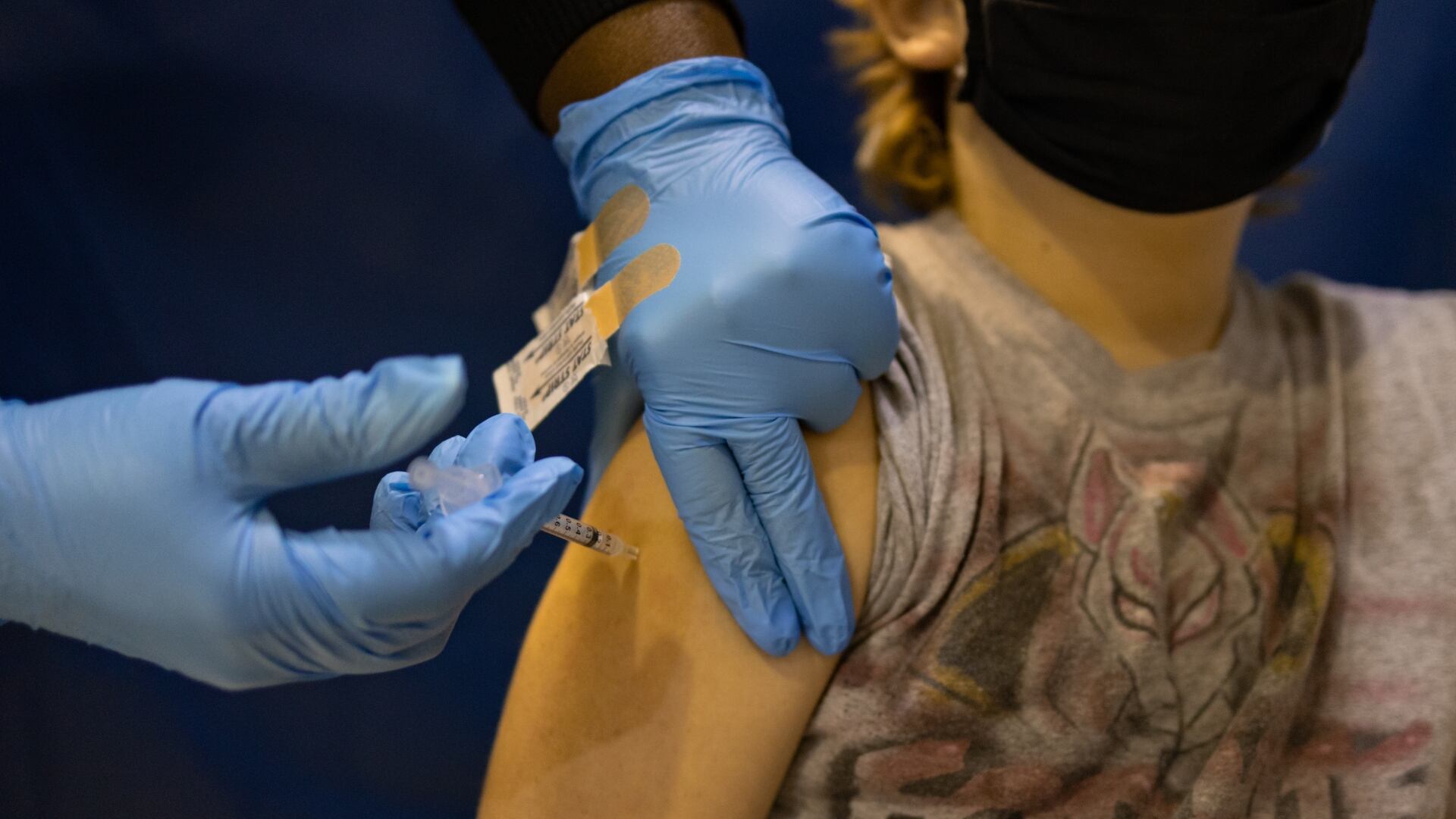
Jill is joined by “Friend of the Pod” Mosheh Oinounou to talk booster shots, and whether “fully vaccinated” will eventually mean three shots, not two. Plus, the latest on the Kyle Rittenhouse trial. And the research is in: we know now the perfect way to hug. Also, Jill and Mosheh debate whether Airpods are passé.
Climate Deal Reached as COP26 Comes to a Close
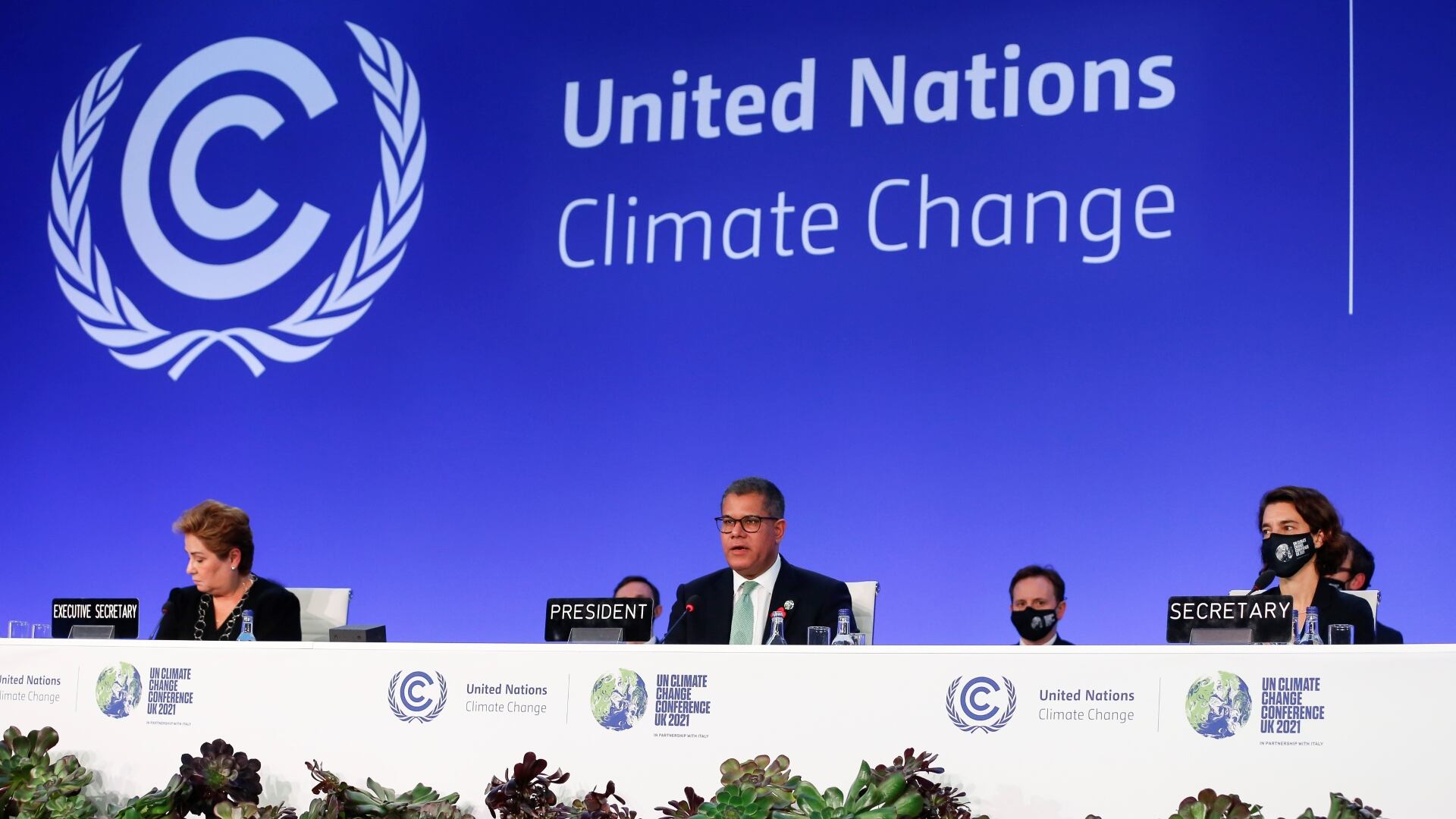
A deal was reached as the COP26 Summit in Glasgow came to a close. Dr. Katharine Hayhoe, Chief Scientist at the Nature Conservancy and Author of 'Saving Us: A Climate Scientist's Case for Hope and Healing in a Divided World,' joined Cheddar News' Closing Bell to discuss the deal.
Doctors Warn of More Active Flu Season in U.S.
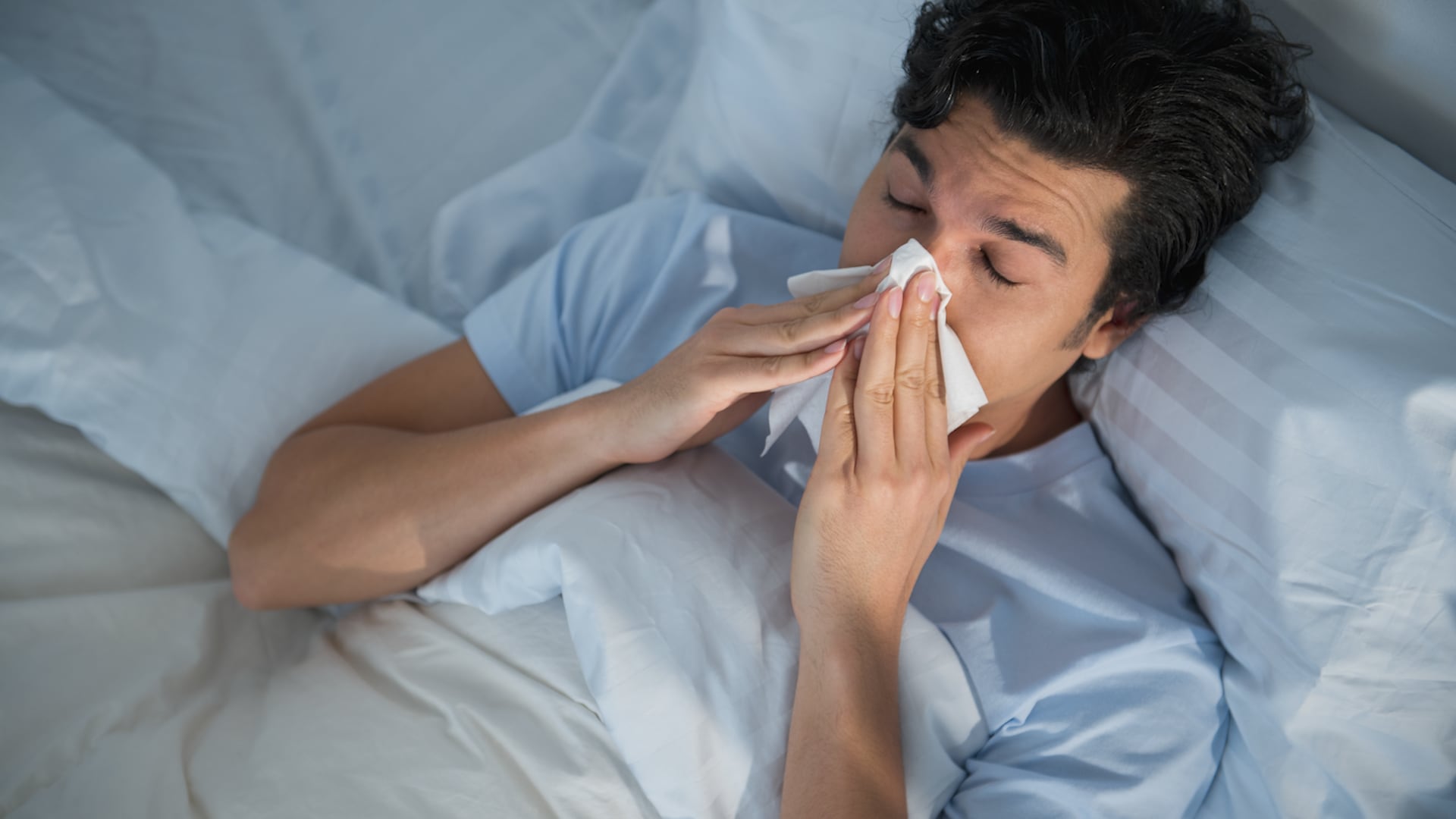
As we move into the colder months in the U.S., health experts are warning of a more active flu season than last year, sounding the alarm on what many are calling a 'twindemic.' Dr. Syra Madad, infectious disease epidemiologist, joined Cheddar's 'Search for the Cure' to discuss the intersection of the flu season with the Covid-19 pandemic.
The Priorities of Biden's Universal Pre-K Plan
Schools across the country could expect to see billions of dollars towards providing a more accessible Universal Pre-K program. Steven Barnett, Board of Governors Professor and Director of the National Institute for Early Education Research at Rutgers University, joined Cheddar News to discuss more.
Breaking Down Legal Challenge to Biden Vaccine Mandate for Businesses
The Fifth Circuit Court of Appeals court temporarily held up President Biden's vaccine mandate for workplaces with more than 100 employees as the various lawsuits challenging it are combined. Marjorie Mesidor, a partner at the law firm Phillips & Associates, PLLC, joined Cheddar to break down the arguments in play. "They [the Biden Administration] say we have the authority to do this under the broad powers that are given under OSHA," she said. "What the Republic side then is saying, no, this is overbroad."
UN Climate Summit Wraps with New Agreement Among Nations
The UN climate summit wrapped up over the weekend after days of negotiations over the summit's final agreement. The agreement pushes countries to reassess their climate goals by the end of next year, do more for countries facing the worst effects of climate change, and also calls for a "phase down" of coal and other fossil fuel subsidies. The White House praised the agreement, but underscored the feelings of many world leaders by saying it isn't enough. Deborah Brosnan, climate expert and president of Deborah Brosnan and Associates, joined Cheddar's News Wrap to discuss.
Sen. Schumer Presses President Biden to Tap Oil Reserves to Lower Gas Prices
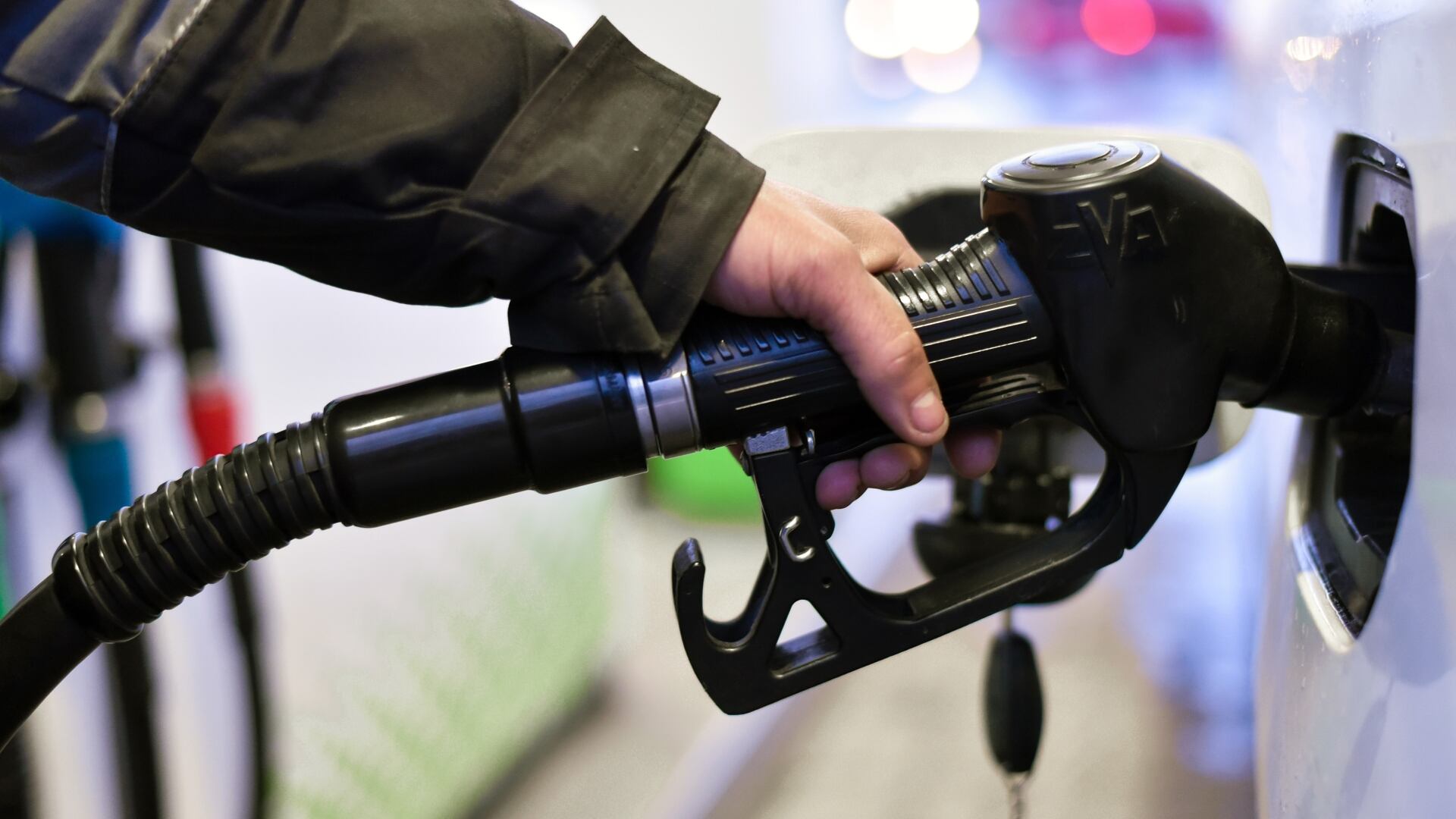
President Biden is under some pressure from members of his own party over rising gas prices. Senate Majority Leader Chuck Schumer has called for the president to utilize oil reserves to lower gas prices ahead of the holiday season, as gas prices are currently at a seven-year high. Energy Workforce & Technology Council CEO Leslie Beyer joins Cheddar News' Closing Bell to discuss.
Harry's To Provide Mental Health Support For Veterans And Afghan Refugees
The men's brand Harry's is teaming up with Stop Soldier Suicide and Headstrong to help provide mental health support with a $500,000 financial commitment. The withdrawal of troops from Afghanistan triggered a range of mental health responses from veterans and active service members, as well as displaced refugees who are now acclimating to a new way of life. Maggie Hureau, Harry's head of social impact, joined Cheddar News to talk about the partnership and why Harry's chose to get involved in mental health care.
What Inflation Means For American Businesses
Inflation has risen to its highest level in 31 years, sending consumer prices on everything from groceries to gas to rent surging. For many businesses, that's good news as inflation typically means better profit margins. According to data from FactSet, nearly two out of three of the biggest U.S. publicly traded companies have reported fatter profit margins so far this year compared to the same stretch of 2019, before the pandemic. Gregory Daco, chief U.S. economist for Oxford Economics, breaks down how the top businesses are reaping the benefits of inflation, and when consumers can expect inflation to ease.
Load More