White Claw helped make hard seltzer a staple for American drinkers. Now it's getting into the spirit business with its own vodka brand because of new rules passed during the pandemic.
The company's new vodka line was made possible by a change in regulations by the Alcohol and Tobacco Tax and Trade Board (TTB). Previously, the agency required spirits to be "without distinctive character, aroma, taste, or color," but that rule was lifted in 2020.
"We believe that quality vodka shouldn't be defined by what it lacks, and we seized the enormous opportunity to create a distinctive spirit," said Anthony von Mandl, O.C., O.B.C., founder & CEO of The Mark Anthony Group of Companies, which owns White Claw.
"We disrupted the industry, creating an entirely new taste in the Hard Seltzer category with White Claw by bringing new thinking, technology breakthroughs, and our unmatched iconic flavors to market."
The company said it uses a high-pressure filtration process that gives the vodka a smooth, aromatic taste.
"We spent almost a decade researching and developing a new way to show drinkers what complexity looks, tastes, and feels like within the minimalist experience of vodka," von Mandl said.
White Claw's venture into spirits comes amid an industry-wide push to innovate alcoholic beverages, with many companies embracing "ready-to-drink," low-calorie, and healthier options.
Hayley Berg, Lead Economist at Hopper breaks down her best tips for navigating holiday travel and how to score the hottest deals on Dec. 3 - Travel Deal Tuesday
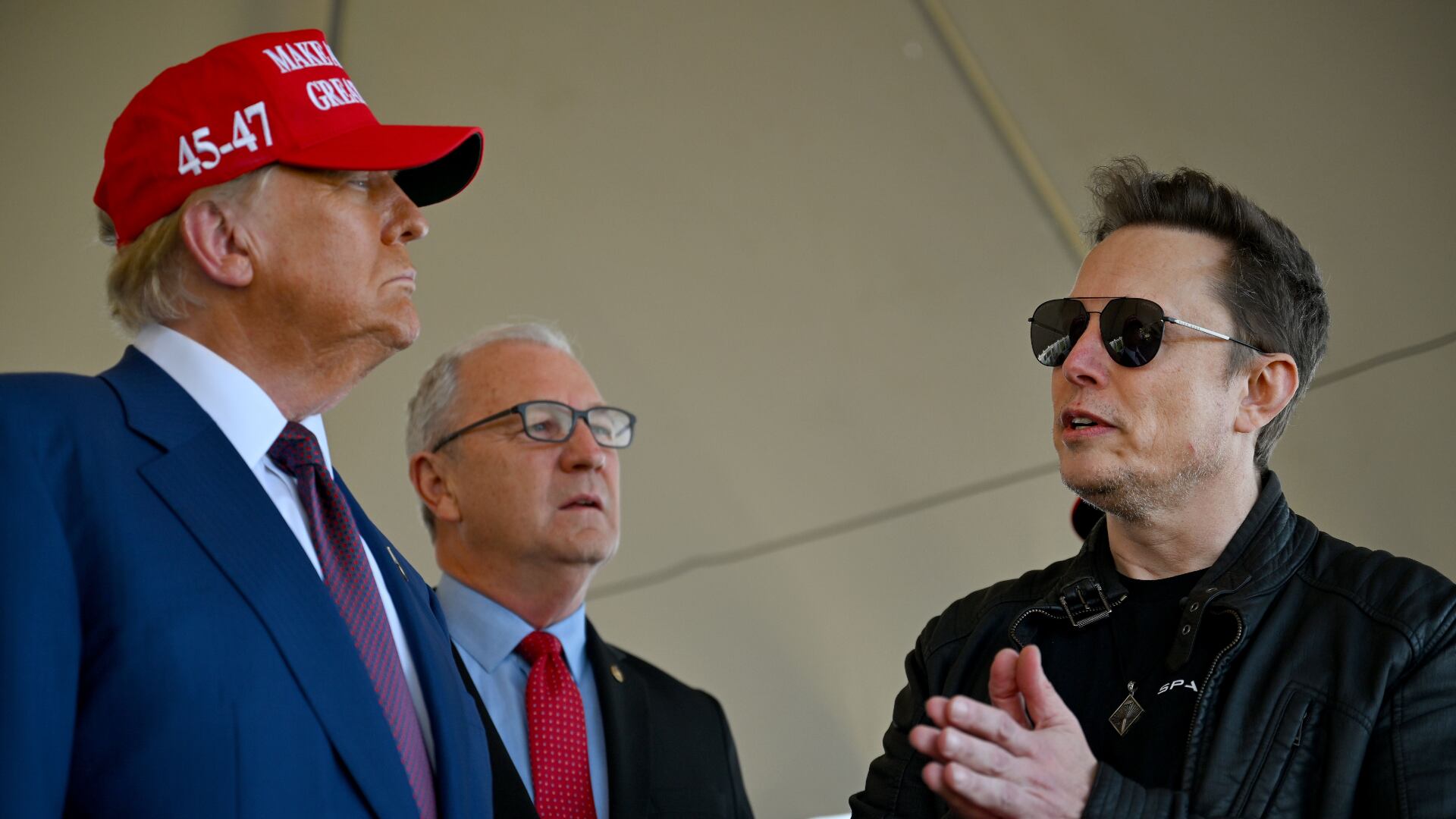
MarketWatch's Hannah Erin Lang joins Cheddar to discuss how economists are viewing Trump's immigration policy and how it will affect the job market in America.
Zack Malet, Senior Director of Business Development & Innovation, joins Cheddar to discuss ESPN experiences and how they are changing the sports travel game.
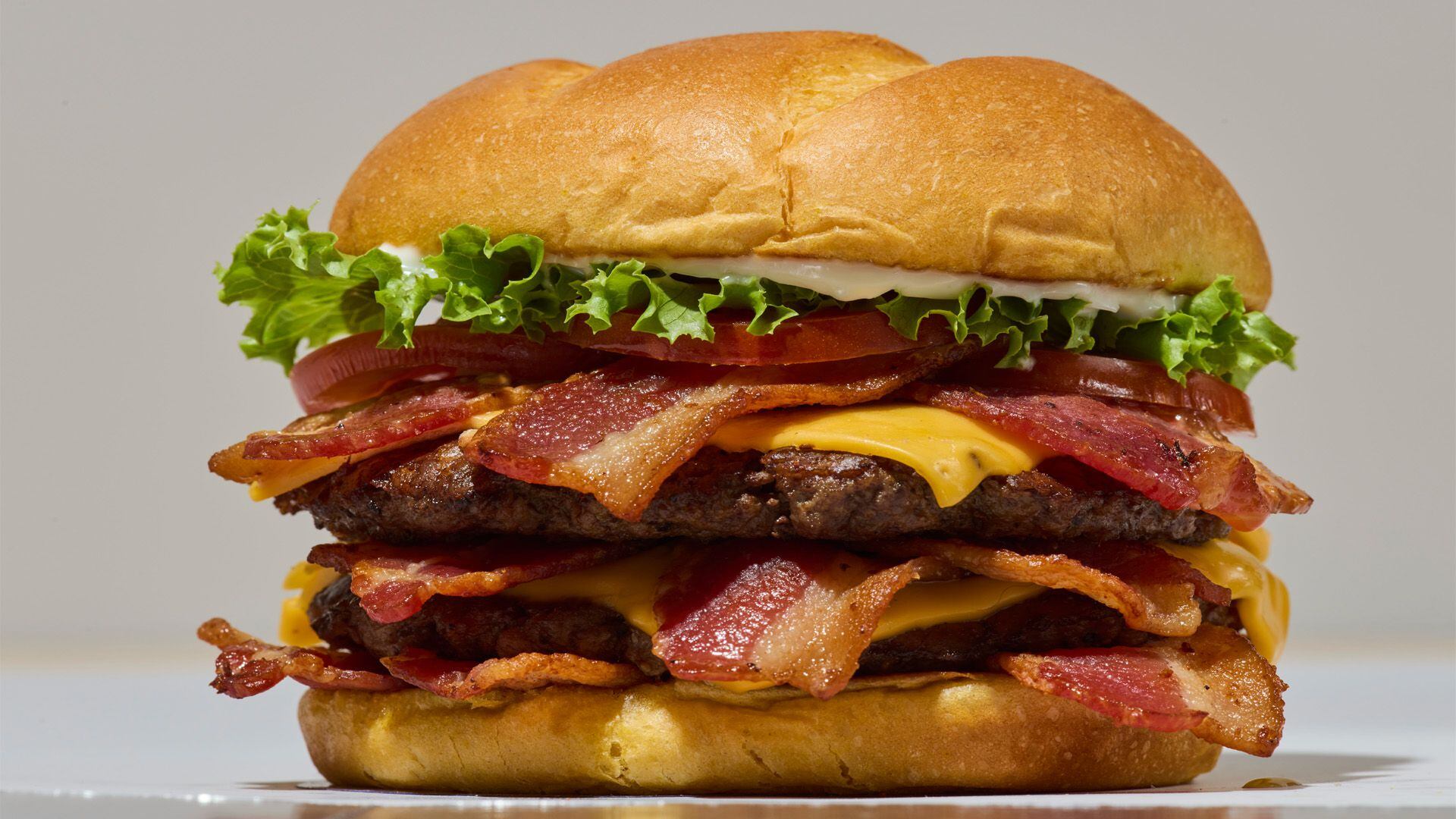
Smashburger CEO Denise Nelsen discusses how her time building the Starbucks brand gave her the tools to lead a Smashburger brand refresh, value wars, and more.
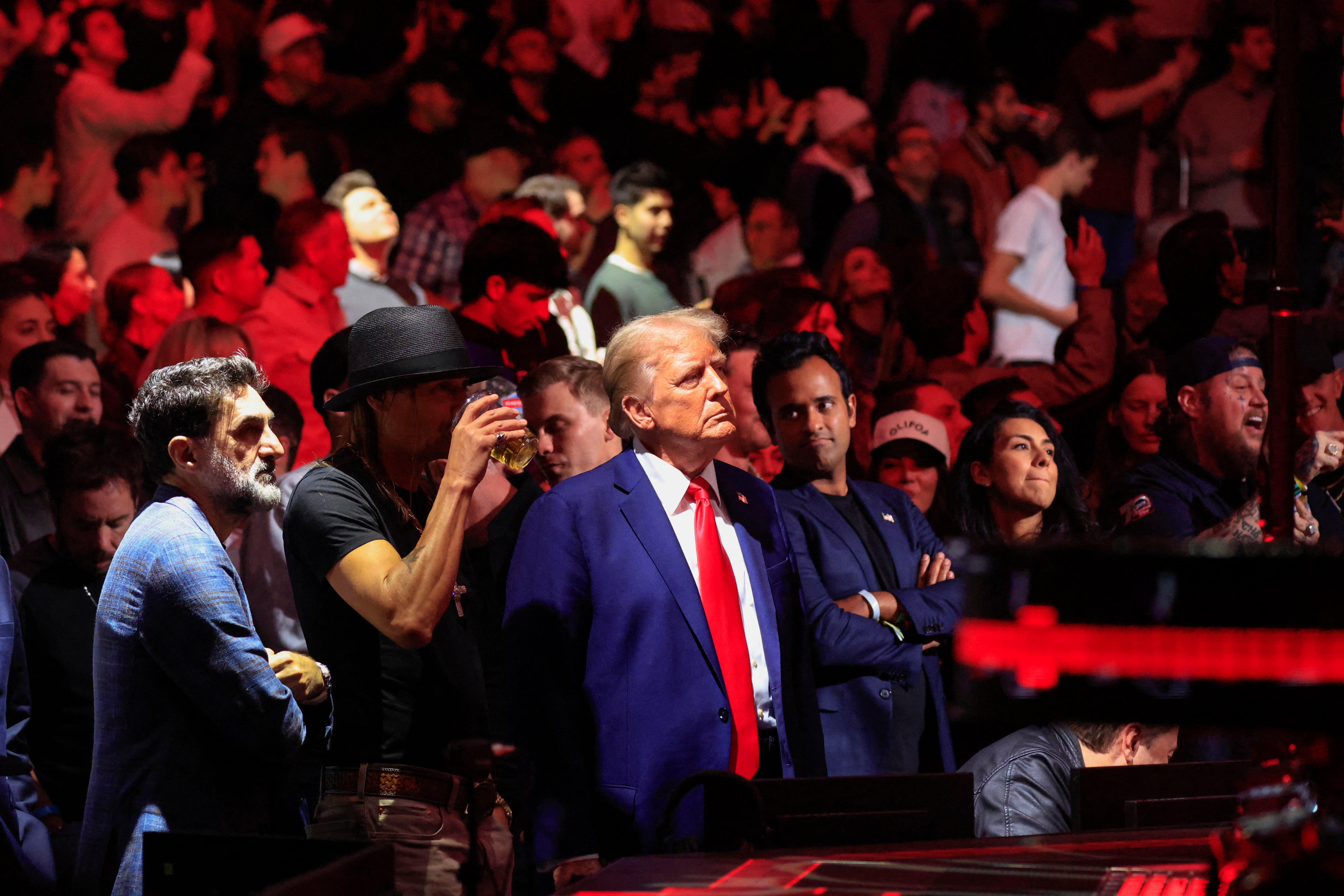
Charles Gillespie, Founder and CEO of Gambling.com Group comments on the billions of dollars in wagers placed on the outcome of the 2024 election and more.
Danny Trejo joined Cheddar to discuss his upcoming show "Mysteries Unearthed" coming to the History Channel and his most recent entrepreneurial ventures.
His Royal Highness Prince Emanuele Filiberto Di Savoia, Prince of Venice, joined Cheddar to discuss his new game that lets everyday folks feel like a royal.
GJ Hart, CEO of Red Robin, discusses the company's place in the "value wars," what's next for the restaurant and his thoughts on Shake Shack in the sky. Watch!