White Claw helped make hard seltzer a staple for American drinkers. Now it's getting into the spirit business with its own vodka brand because of new rules passed during the pandemic.
The company's new vodka line was made possible by a change in regulations by the Alcohol and Tobacco Tax and Trade Board (TTB). Previously, the agency required spirits to be "without distinctive character, aroma, taste, or color," but that rule was lifted in 2020.
"We believe that quality vodka shouldn't be defined by what it lacks, and we seized the enormous opportunity to create a distinctive spirit," said Anthony von Mandl, O.C., O.B.C., founder & CEO of The Mark Anthony Group of Companies, which owns White Claw.
"We disrupted the industry, creating an entirely new taste in the Hard Seltzer category with White Claw by bringing new thinking, technology breakthroughs, and our unmatched iconic flavors to market."
The company said it uses a high-pressure filtration process that gives the vodka a smooth, aromatic taste.
"We spent almost a decade researching and developing a new way to show drinkers what complexity looks, tastes, and feels like within the minimalist experience of vodka," von Mandl said.
White Claw's venture into spirits comes amid an industry-wide push to innovate alcoholic beverages, with many companies embracing "ready-to-drink," low-calorie, and healthier options.
With inflation and prices still on the rise, it might be worth considering a carpool app. One of them, Singapore-based Ryde, just went public in the U.S.
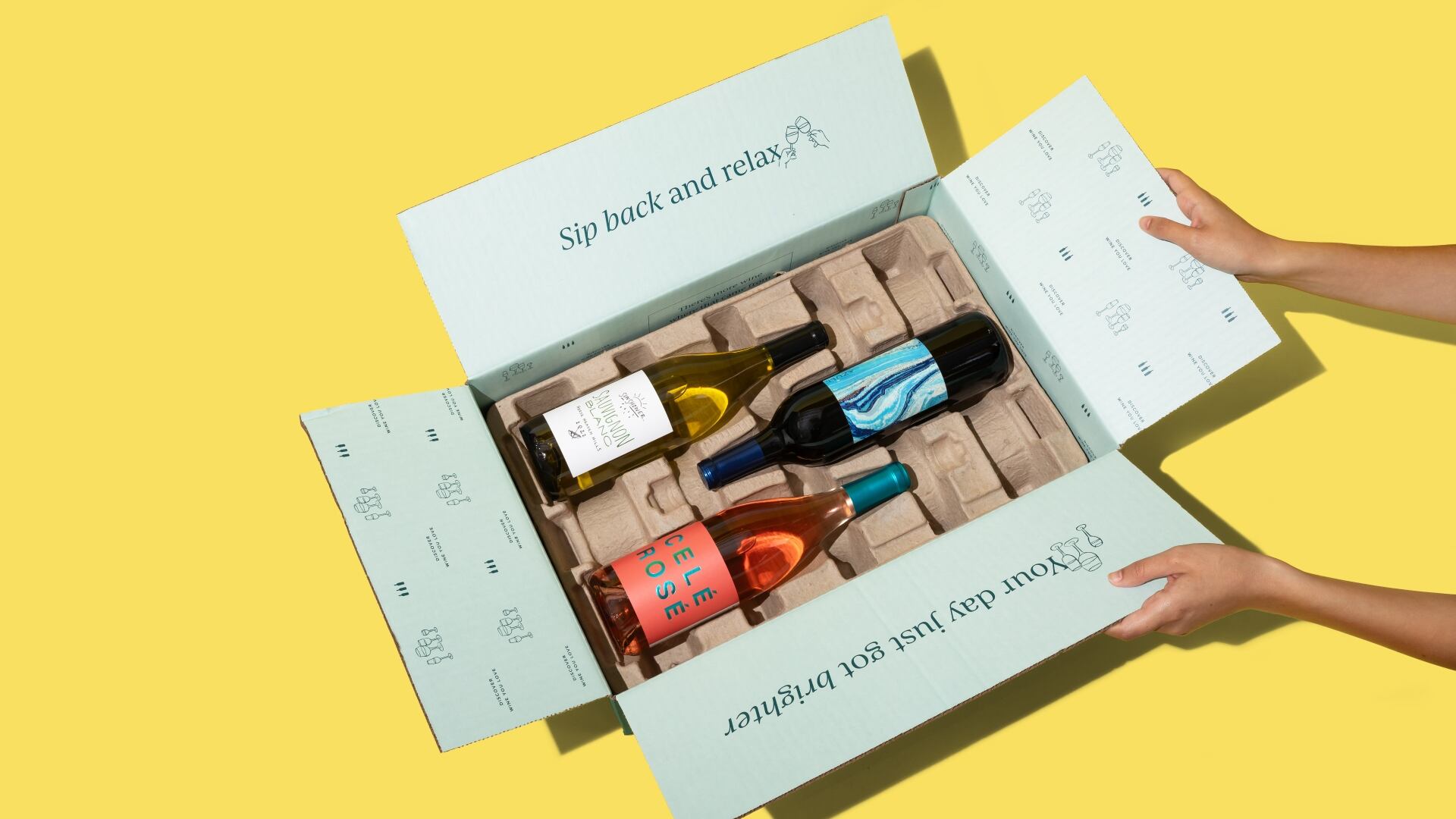
Full Glass Wine Co., the company behind Bright Cellars, Wine Insiders, and Winc, knows you fell in love with home delivery during the pandemic – and it’s investing millions into making it even better.
It might sound counterintuitive, but the Fed cutting interest rates three times this year could cause inflation to spike and actually be worse for markets and the economy as a whole.
Imagine a world with just a handful of mediocre beer options. Terrible, right? That was the U.S. before the explosion of craft breweries, the Samuel Adams founder says.
March was a blockbuster month for jobs, with 303,000 new positions – and paired with slower wage growth, an economist and a portfolio manager agree this could be the ‘best of both worlds.’