It's Sleep Apnea Awareness Month, and specialist Dr. Evan Temkin stopped by Cheddar News to talk about what the condition is and who is most at risk.
"Sleep apnea is actually a constriction of the airway during sleep, where breathing is interrupted," he said. "Pretty much everybody is at risk."
It affects about 50 percent of the population, he added.
Temkin stressed the importance of getting tested and treated as soon as possible, as prolonged sleep apnea has "cardiac implications."
"When you're not getting enough oxygen to the vital organs, your heart is going to start pumping harder," he said, which taxes the muscle layers in the heart.
The most common treatment for sleep apnea is the use of a CPAP machine, which fits over the nose and mouth to ensure adequate airflow while sleeping, but Temkin noted that it's not the only option.
"One of the big problems with CPAP is compliance," he said. "It's uncomfortable."
One alternative is what's called an "oral appliance," which treats sleep apnea by stabilizing the lower jaw and positioning it a few millimeters forward. This can, in many cases, open up the airway, making it easier for people to breathe freely.
Of course, those experiencing symptoms should see a specialist to see which method is best.
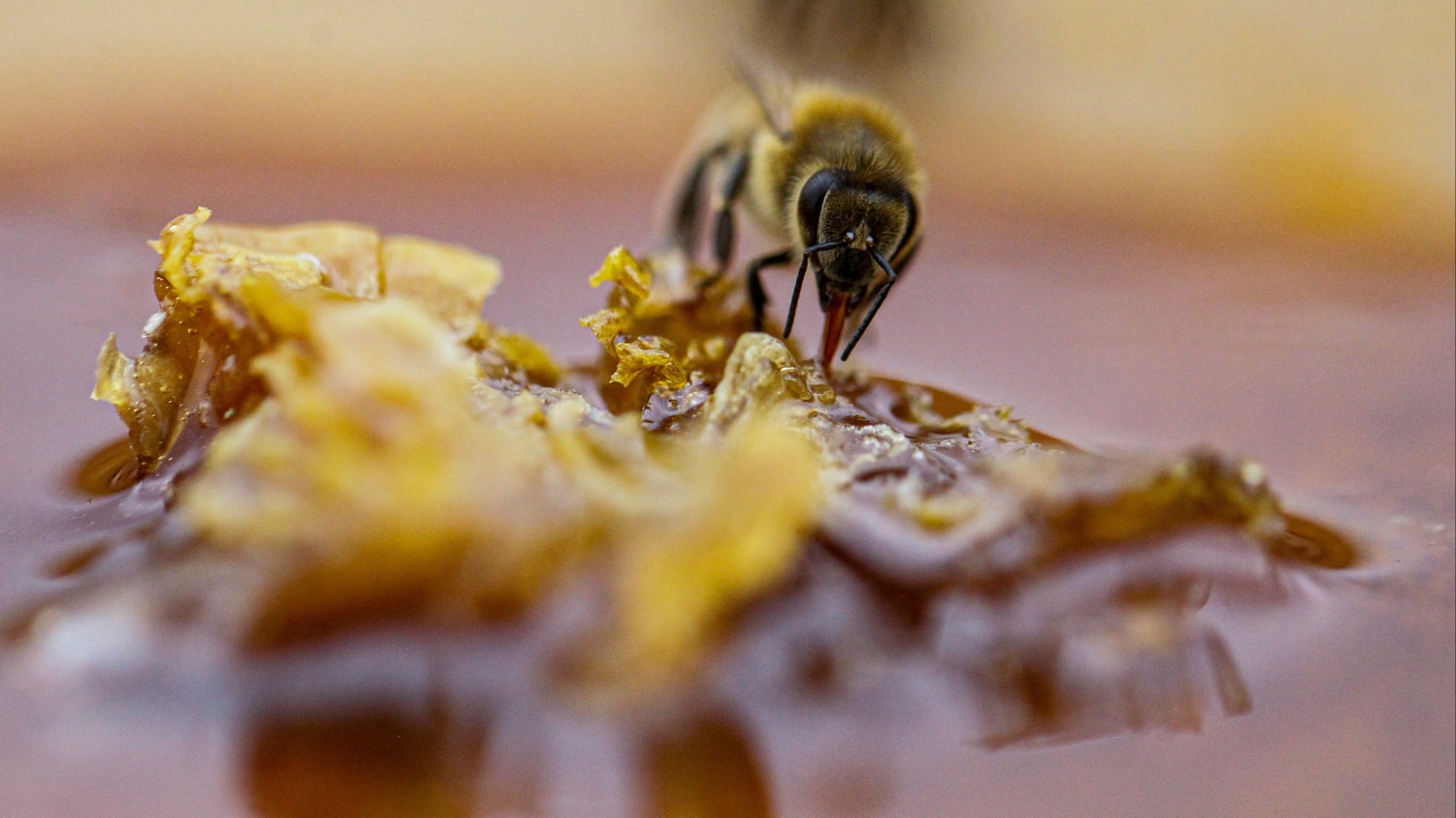
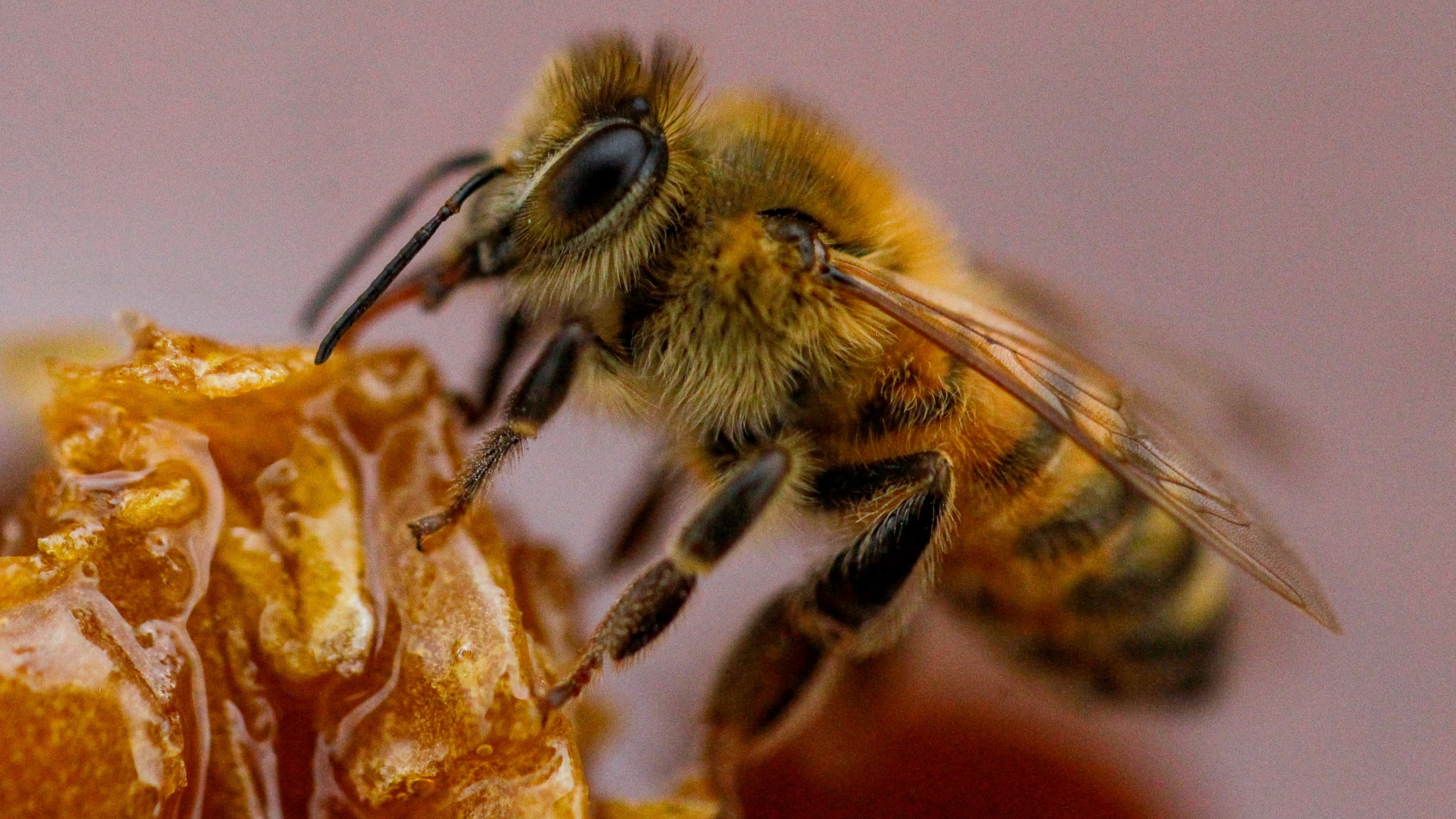
Astor Apiaries' Nick Hoefly is an expert on honey bees and, of course, honey. Cheddar News' Michelle Castillo checked out the hives to learn everything you ever wanted to know about honey ahead of Bee's Knees Week.
Nick Hoefly of Astor Apiaries explains the importance of bees for our ecosystem and talks to Cheddar News' Michelle Castillo about what you can do if you're nervous around them.
Research now shows dogs tend to age better when they have plenty of interaction with humans and other pets, according to a study published in the journal Evolution, Medicine & Public Health.
Children who lived closer to natural gas wells in heavily drilled western Pennsylvania were more likely to develop a relatively rare form of cancer, and nearby residents of all ages had an increased chance of severe asthma reactions, researchers said in reports released Tuesday evening.
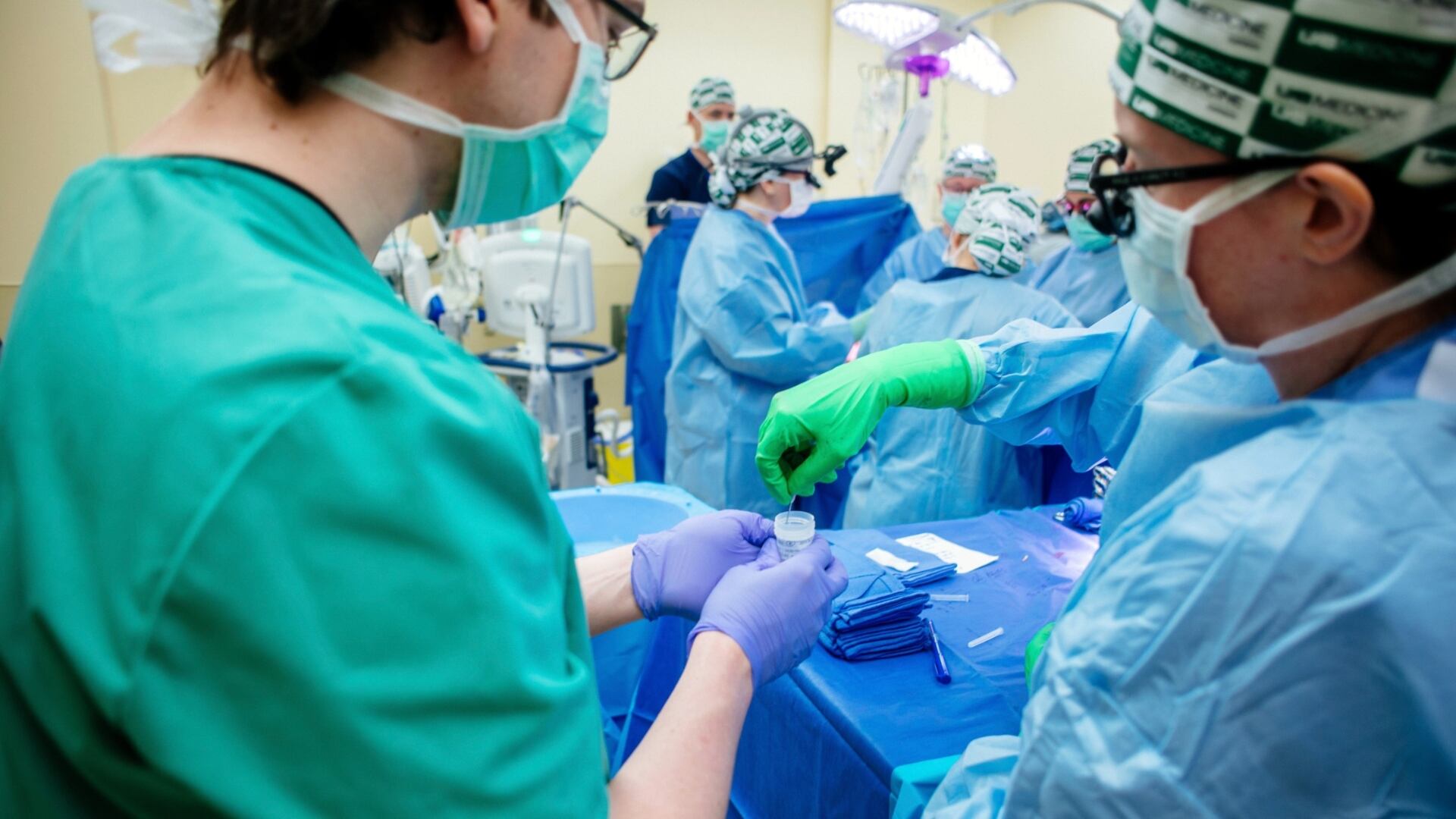
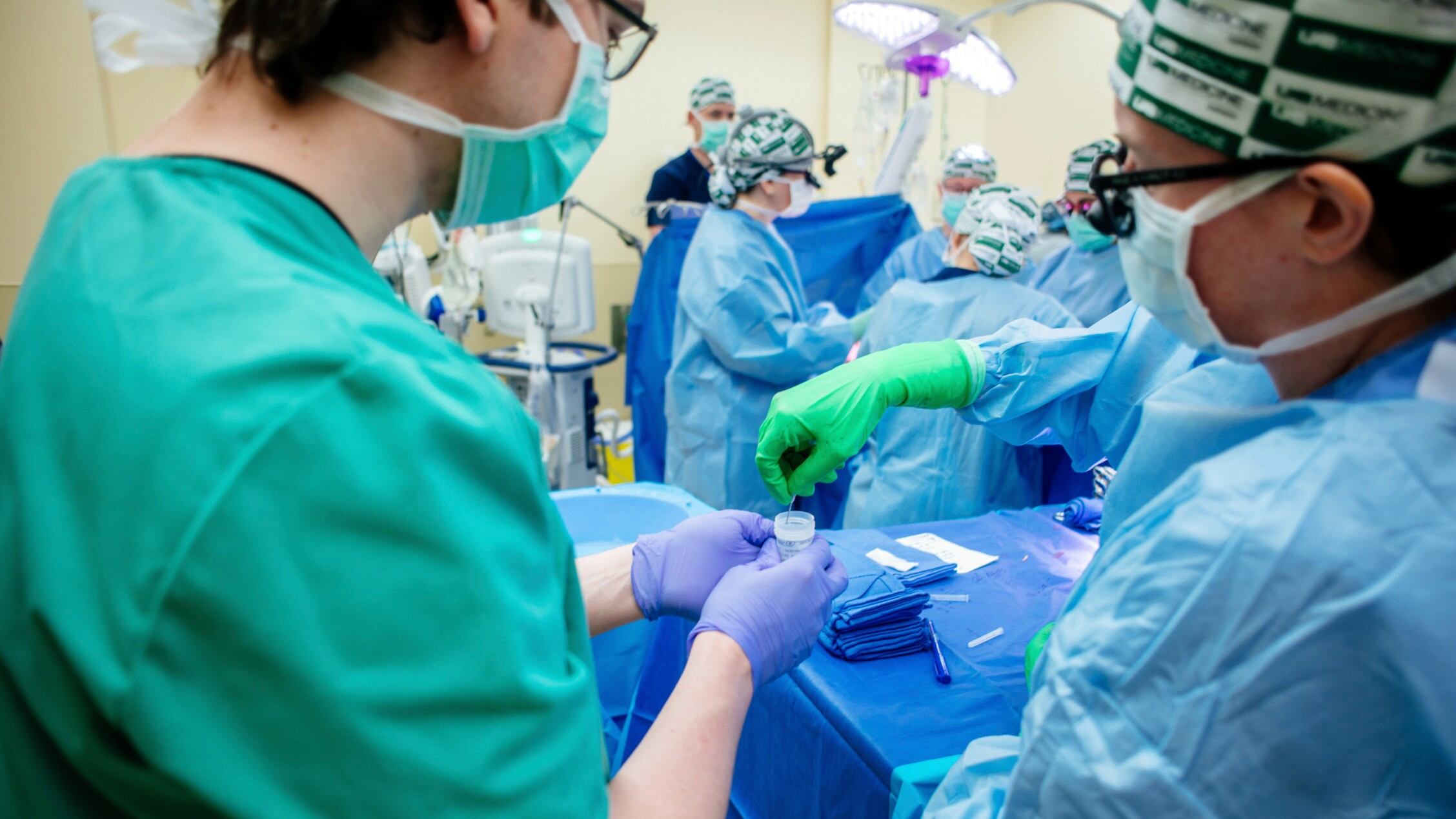
Surgeons transplanted a pig’s kidney into a brain-dead man and for over a month it's worked normally — a critical step toward an operation the New York team hopes to eventually try in living patients.