Gwyneth Paltrow's Goop Puts Content First, Everything Else Second
Love it or hate it, Goop has revolutionized the lifestyle space and created a loyal following.
Its secret is by functioning as a “content company first, and everything else second,” says Evan Moore, Vice President of Product.
Many online retailers that launch content-driven marketing strategies are “optimizing for conversion,” he said, which may lead to some purchases but can be a double-edged sword.
“If you’re trying to take them away from the content experience too fast, or if you’re going directly from one piece of content directly into a shopping experience, you can lose the user right away.”
Goop launched in 2008 as Gwenth Paltrow’s personal blog and has evolved into an e-commerce platform selling a range of wellness products, including Goop-branded items.
“Goop existed for a full four years...before it ever sold a single product,” Moore said. That enabled the brand to become a trusted voice for its readers and build up “a lot of equity with the user base.”
Goop’s success is reflective of a wider shift in the retail industry, where social media has enabled influencers and celebrities to reach consumers directly.
The reason for that is the amount of choice that consumers have now, Moore explained. “Good design and good products are a dime-a-dozen.”
That pushes consumers to look beyond store shelves and turn to “people that they aspire to be or that they relate to in a strong way.”
Did you happen to watch the series The Bear? The show follows a struggling small business owner in Chicago who is trying to save his business. It's a story a lot of small business owners in the U.S. can relate to. To help out these struggling entrepreneurs, Cheddar News brought on an expert here to help take your company from stressful to successful.
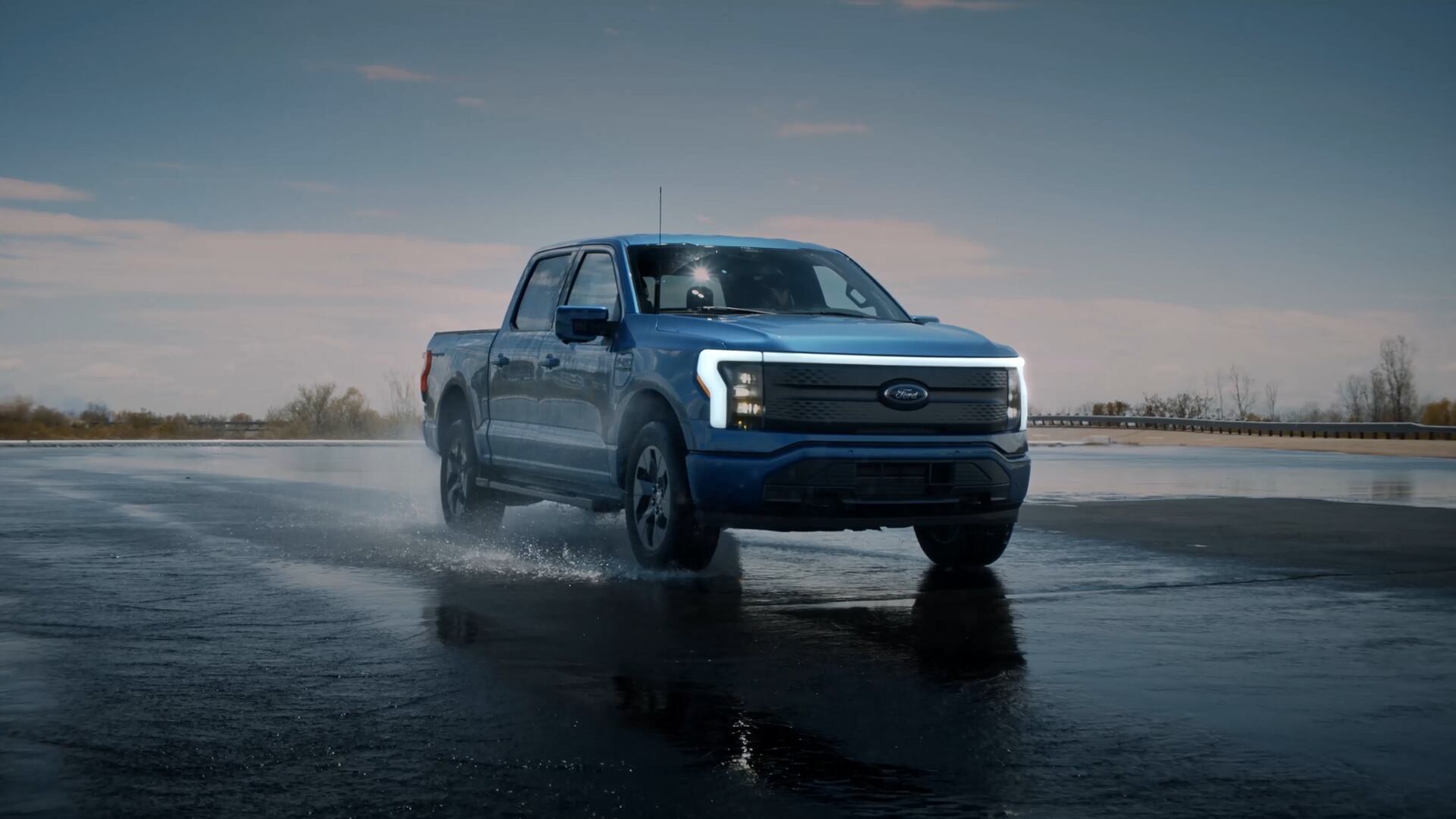
The sticker prices for Ford's F-150 Lightning electric pickup trucks are being lowered by thousands of dollars across the board, the company said Monday, due to increased plant capacity, falling costs for battery raw materials and internal efforts to scale production by the Detroit automaker.
United Airlines and the union representing its pilots said Saturday they reached agreement on a contract that will raise pilot pay by up to 40% over four years.
The court’s ruling applies to higher education institutions and other entities that receive federal funding and doesn’t directly change private employer obligations, but business leaders might pull back diversity, equity and inclusion programs to avoid lawsuits.
The Week's Top Stories is a guided tour through the biggest market stories of the week, from winning stocks to brutal dips to the facts and forecasts generating buzz on Wall Street. Up this week: Meta, Disney & Microsoft-Activision Blizzard.