Gwyneth Paltrow's Goop Puts Content First, Everything Else Second
Love it or hate it, Goop has revolutionized the lifestyle space and created a loyal following.
Its secret is by functioning as a “content company first, and everything else second,” says Evan Moore, Vice President of Product.
Many online retailers that launch content-driven marketing strategies are “optimizing for conversion,” he said, which may lead to some purchases but can be a double-edged sword.
“If you’re trying to take them away from the content experience too fast, or if you’re going directly from one piece of content directly into a shopping experience, you can lose the user right away.”
Goop launched in 2008 as Gwenth Paltrow’s personal blog and has evolved into an e-commerce platform selling a range of wellness products, including Goop-branded items.
“Goop existed for a full four years...before it ever sold a single product,” Moore said. That enabled the brand to become a trusted voice for its readers and build up “a lot of equity with the user base.”
Goop’s success is reflective of a wider shift in the retail industry, where social media has enabled influencers and celebrities to reach consumers directly.
The reason for that is the amount of choice that consumers have now, Moore explained. “Good design and good products are a dime-a-dozen.”
That pushes consumers to look beyond store shelves and turn to “people that they aspire to be or that they relate to in a strong way.”
From Nvidia to Microsoft, Gil Luria, D.A. Davidson senior research analyst, breaks down the Magnificent Seven, plus whether the Vision Pro can move the needle for Apple.
Suzy Batiz, founder and CEO of ~Pourri, discusses creating Poo-Pourri, building out multiple businesses, and why she believes any problem can be overcome.
Fresh off his unanimous appointment as interim CEO, Dax Dasilva shares his strategy for Lightspeed and why growth and profitability are his biggest focus.
Eddie Ghabour, co-founder and owner of KEY Advisors Wealth Management, explains why he’s investing in India, what could happen if inflation rises again, and the long-term ‘debt bubble’ looming.
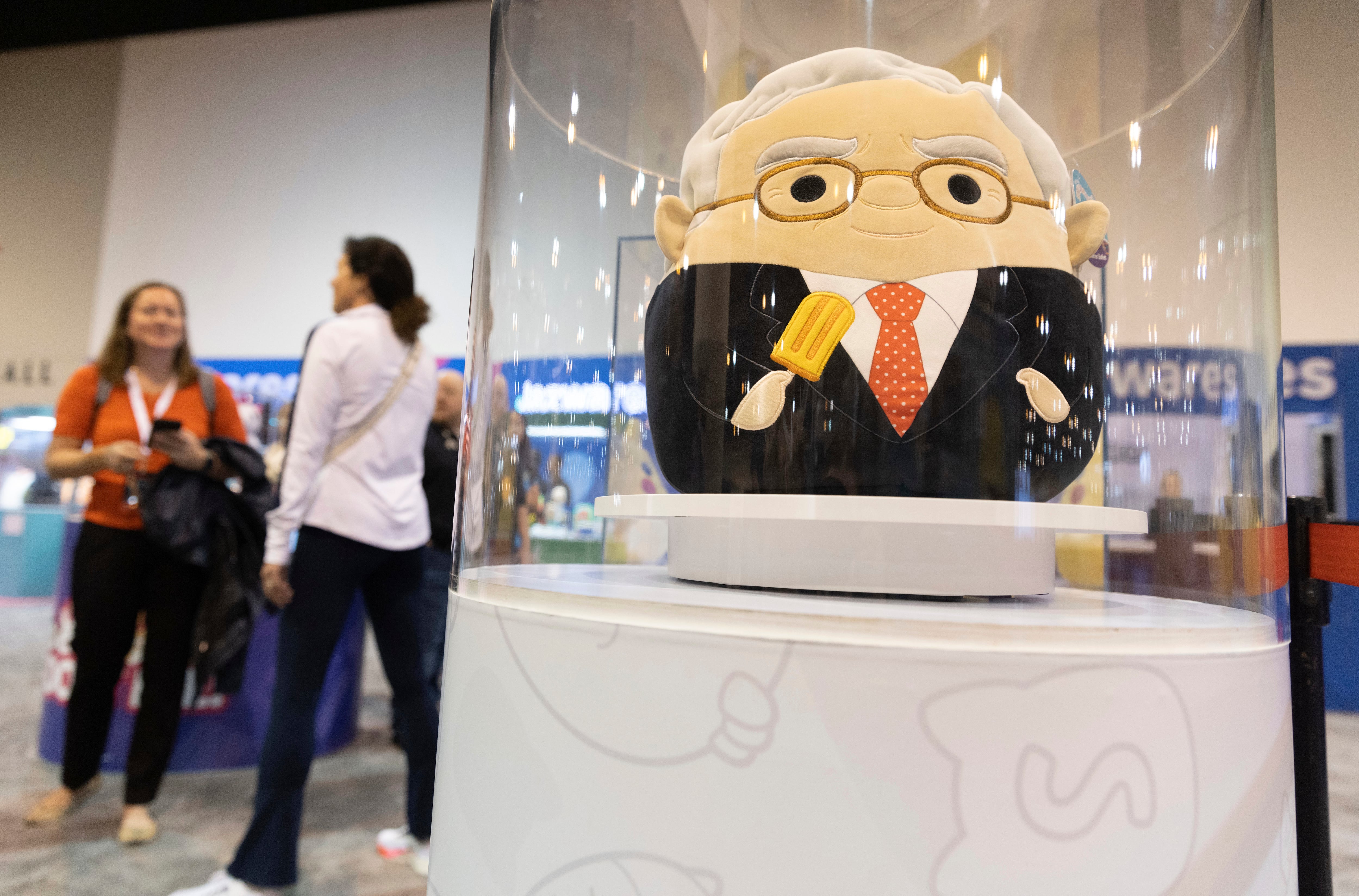
The company behind Squishmallows says Build-A-Bear's new Skoosherz toys are a copy of their own plushies. Build-A-Bear filed their own suit basically responding, "No they're not!"
While tech employees worry about artificial intelligence taking over their jobs, Microsoft says Iran, North Korea, and more U.S. adversaries are beginning to use AI in cyber spying.
The self-proclaimed "only Post who worked at Kellogg" was a military veteran who fought in World War II before inventing everyone’s favorite fruit-filled breakfast ravioli.
Kevin Gordon, Senior Investment Research Manager at Charles Schwab, shares his thoughts on how investors can take advantage of the current bull market while keeping in mind the impacts of Fed policy and inflation.