Grubhub Wants to Make the Restaurant Industry Better for Women
In the U.S. dining industry, only 19 percent of all chefs and 7 percent of head chefs are female. And Grubhub hopes to change that.
The food delivery company has launched “RestaurantHer” for Women’s History Month. It’s an initiative “dedicated to supporting women-led restaurants in the industry and advancing female leadership,” said Jessica Burns, Grubhub’s Senior Director of Brand Marketing.
An interactive map on the company’s website points out all nearby restaurants that are either owned by women or have a female executive chef, drawing from Grubhub’s vast database. It also allows restaurants to submit themselves to be a part of the project.
A major issue with the male-dominated food industry is the cutthroat culture and the lack of opportunity to rise to the top.
To address that, GrubHub is working with the Women’s Chefs and Restaurateurs organization to create tools that help all restaurant operators “to lead more equitable kitchens,” said Burns.
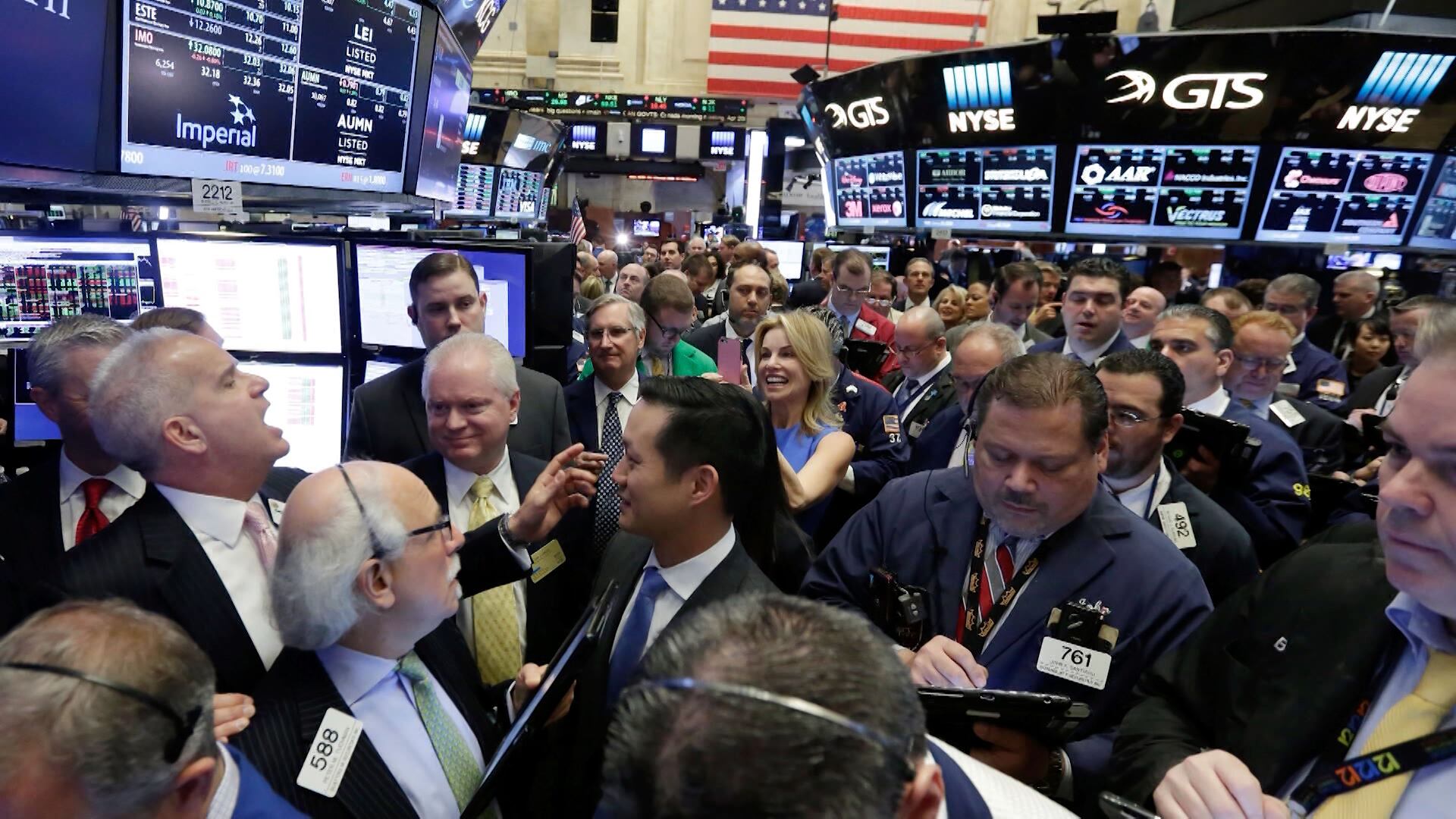
U.S. stocks close Tuesday at session highs after a subpar start to the trading day. Tim Chubb, Chief Investment Officer at the wealth advisory firm, Girard, joins Cheddar News' Closing Bell to discuss. 'We're starting to see the moderation of three core things -- we've seen the moderation of prices, we've seen the moderation of wage growth we've seen in the labor market, and we've also seen a moderation of job openings,' he says.
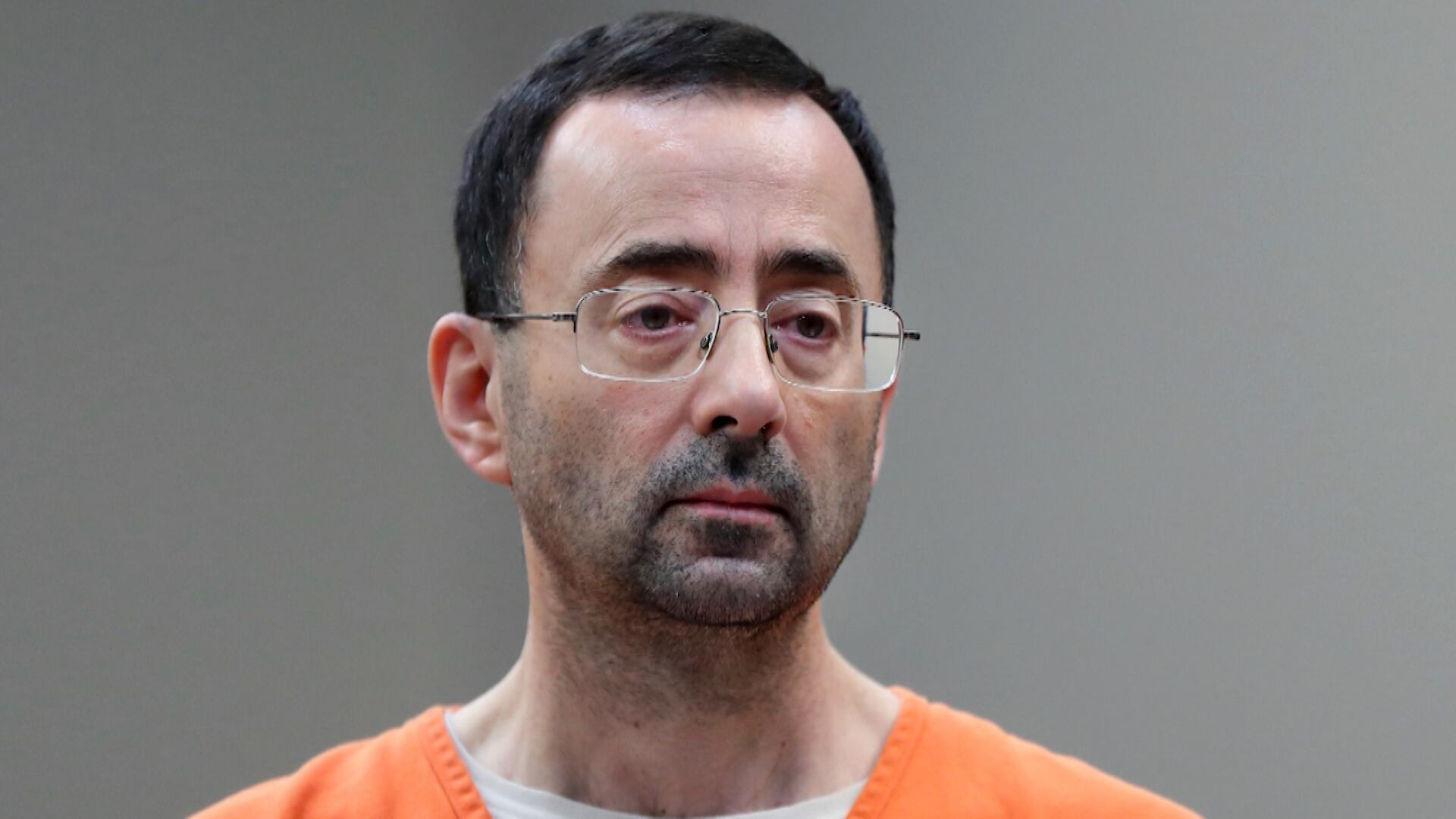
The victims from the USA gymnastics sexual abuse scandal continue to seek justice. Survivors of Larry Nassar are seeking more than one-billion dollars from the FBI for failing to stop the convicted sports doctor when the agency first received allegations. According to a report released by the Justice Department's Inspector General, FBI agents knew
in July of 2015 that Nassar was accused of abusing gymnasts; however, Nassar wasn't arrested until December of 2016. The group that filed the claim includes Olympic medalist Simone Biles and around 90 other women. Louise Radnofsky, sports reporter at The Wall Street Journal, joins Cheddar News' Closing Bell to discuss.
A controversial professional golf tour backed by Saudi Arabia tees off on Thursday. Today, two-time Major winner Dustin Johnson announced he's resigned from the PGA Tour ahead of headlining the Saudi-backed tour, called the LIV Golf Invitation Series. The announcement comes as the PGA tour has threatened disciplinary action for its golfers who take part in the Saudi golf league event, which will also feature notable golf stars like Phil Mickelson and Sergio Garcia; however, LIV Golf's CEO, Greg Norman, told The Washington Post that Tiger Woods rejected a contract worth 'high nine digits' to play in the tour. Chris Bumbaca, reporter for USA Today Sports, joins Cheddar News' Closing Bell to discuss.
CreditCards.com senior industry analyst Ted Rossman compares the Apple Pay Later offering to similar four-step processes at Affirm and Klarna, and says this is a way for the tech giant to dive deeper into the financial industry.
Tech analyst Rene Ritchie discusses new EU legislation that will force iPhones to use a USB-C charger in fall 2024 and what that means for Apple's strategy in Europe.
Catching you up on the stories you need to know this morning, mass shooting victims testify on Capitol Hill, the White House outlines its plan to vaccinate kids younger than five years old, and we break down how to protect yourself from monkeypox.
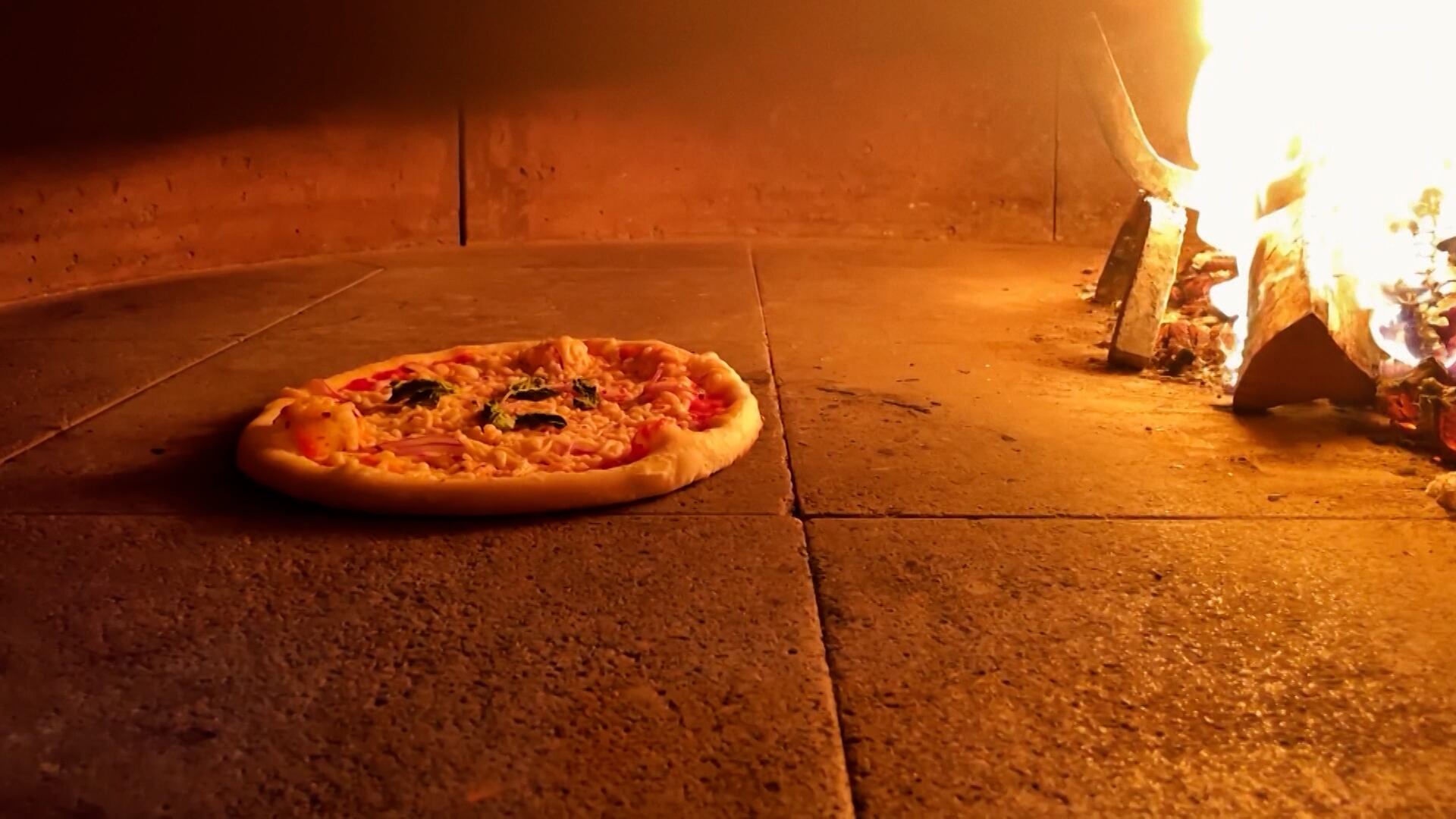
There are now over 1,000 plant-based restaurants in the U.S. It's clear that people are hungry for vegan alternatives at restaurants nationwide. However, when it comes to pizza, vegan options don't have the best reputation. NUMU Food Group is looking to change that with its brand new vegan mozzarella. Mike Pytlinski, CEO of NUMU Food Group, joins Cheddar News to discuss.
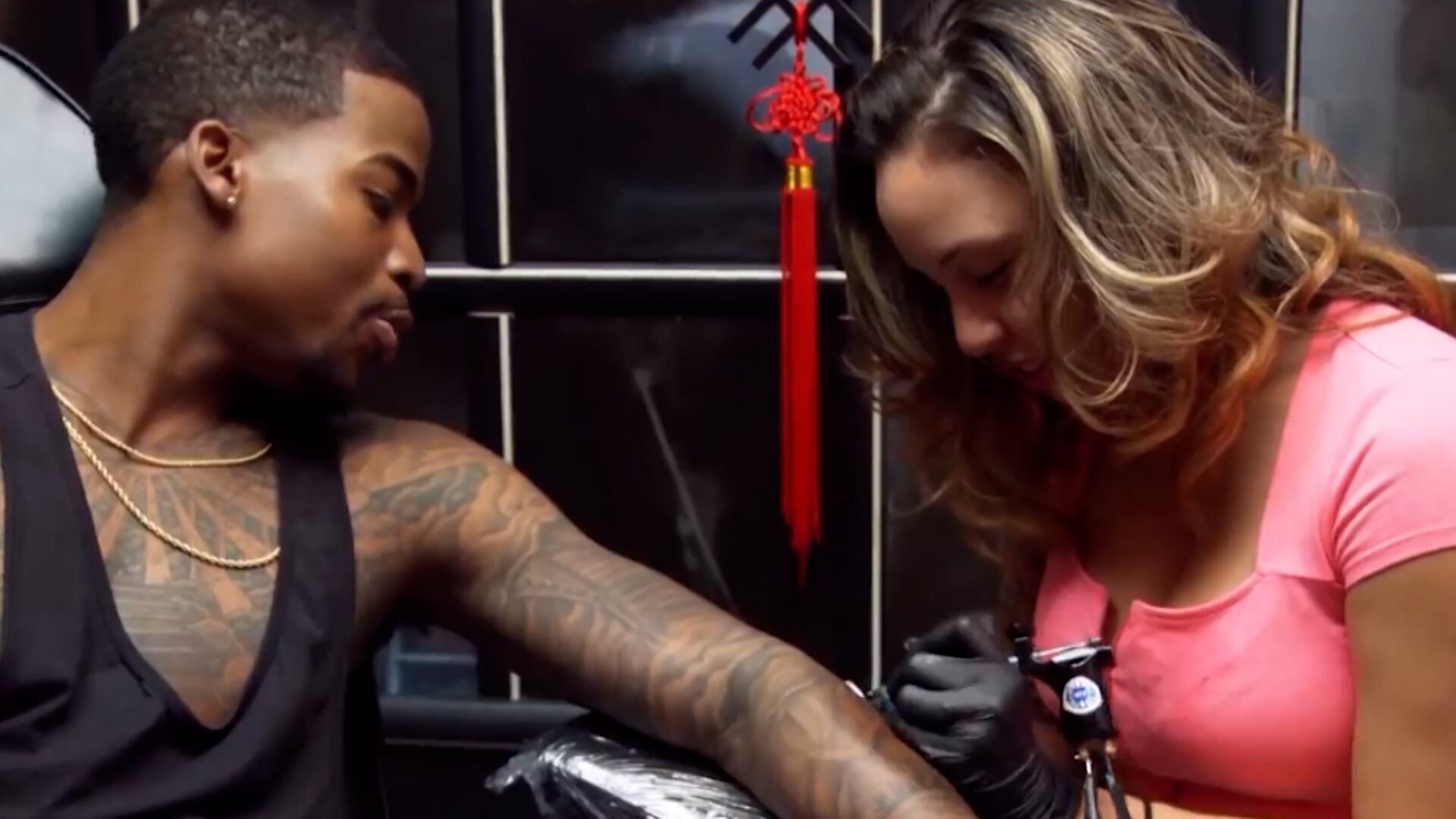
Tattoo artist Katrina "Kat Tat" Jackson, famous for starring in the VH1 hit series "Black Ink Crew: Chicago," is also the first Black woman to own a tattoo shop in Beverly Hills. She joined Cheddar News to discuss her trailblazing work, the stigma BIPOC tattoo artists face in the industry, and the way the space has changed for artists of color since her start. "In the beginning, I remember walking into a tattoo shop just like, hey, I wanna learn, I wanna be a tattoo artist and kind of just being laughed at, not taken seriously," she said. "Even with the tattoo conventions, a lot of African American tattoo artists were almost scared to go to conventions because it's not a welcoming environment."