Grubhub Wants to Make the Restaurant Industry Better for Women
In the U.S. dining industry, only 19 percent of all chefs and 7 percent of head chefs are female. And Grubhub hopes to change that.
The food delivery company has launched “RestaurantHer” for Women’s History Month. It’s an initiative “dedicated to supporting women-led restaurants in the industry and advancing female leadership,” said Jessica Burns, Grubhub’s Senior Director of Brand Marketing.
An interactive map on the company’s website points out all nearby restaurants that are either owned by women or have a female executive chef, drawing from Grubhub’s vast database. It also allows restaurants to submit themselves to be a part of the project.
A major issue with the male-dominated food industry is the cutthroat culture and the lack of opportunity to rise to the top.
To address that, GrubHub is working with the Women’s Chefs and Restaurateurs organization to create tools that help all restaurant operators “to lead more equitable kitchens,” said Burns.
Whether it’s a deepfake video of actor Tom Cruise discovering gum in a lollipop or President Joe Biden discouraging people from voting via telephone, you’ve likely come across a deepfake video, photo or audio recording.
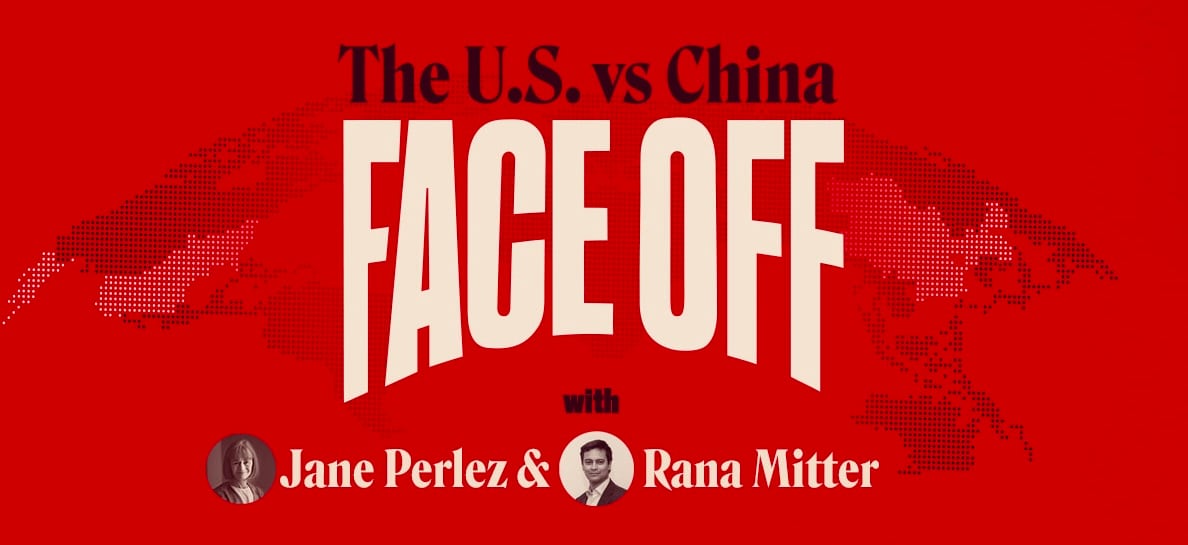
Tensions in the South China Sea, Apple moving to India, and banning TikTok? The podcast ‘Face Off: The U.S. Versus China’ helps explain how we got here.
Cust2Mate is a leading innovator in retail technology, aiming to revolutionize the shopping experience. By implementing smart cart technology, the tech company addresses the issue of theft while enhancing the shopper's journey.
The Biden administration has unveiled a plan, Plan B, to address the student loan debt crisis. It offers to cancel up to $20,000 in interest for borrowers enrolled in income-driven repayment plans. This proposal aims to reset balances for those facing growing debt due to unpaid interest, benefiting low—and middle-income borrowers. An estimated 25 million borrowers are eligible for some form of interest forgiveness.
As we head into the second quarter, there’s an argument in favor of buying Boeing stock. Why? As one expert says, ‘there’s nowhere else to get planes.’
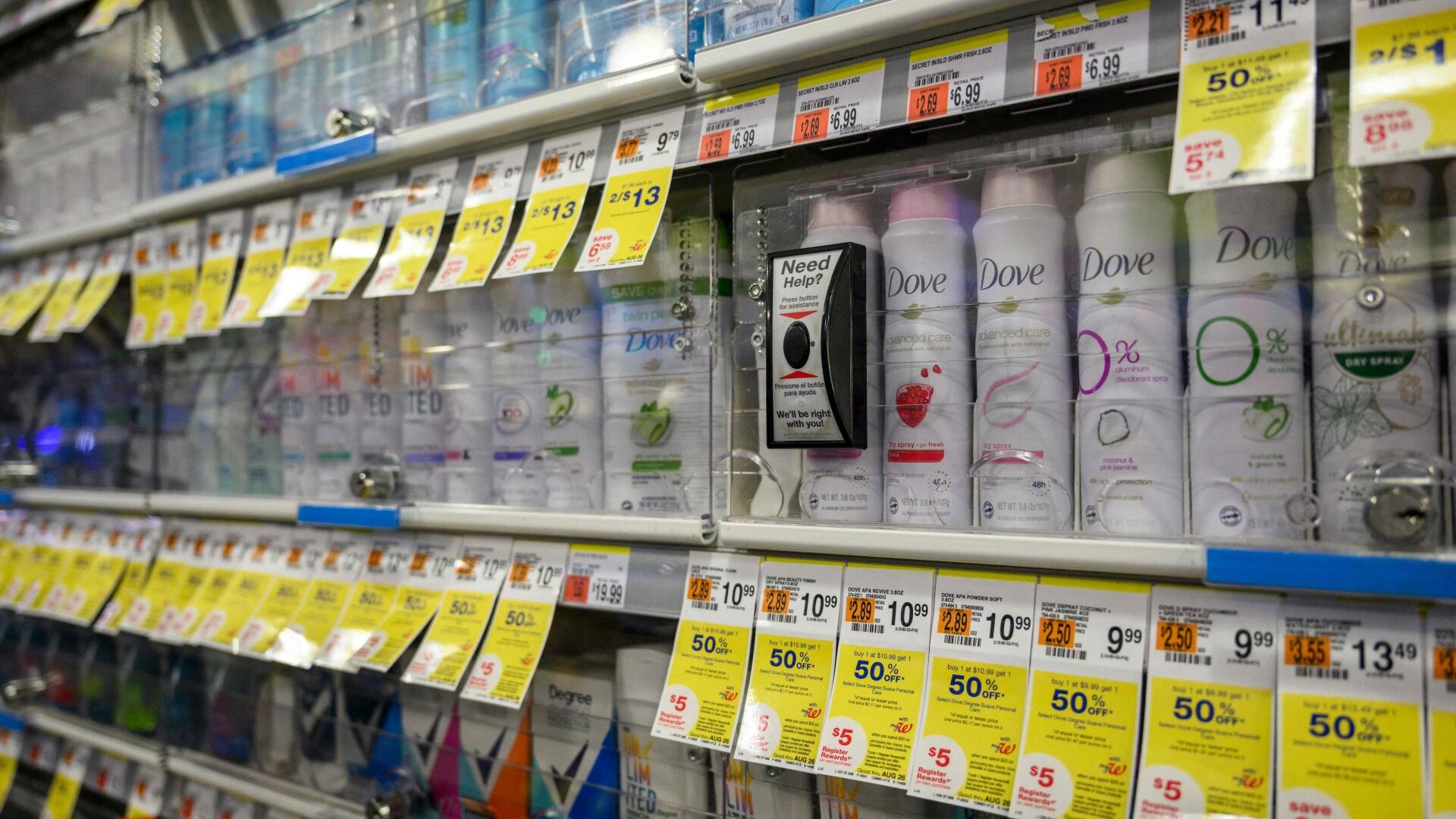
With inflation and prices still on the rise, it might be worth considering a carpool app. One of them, Singapore-based Ryde, just went public in the U.S.