In light of the GameStop memestock saga, more Americans are beginning to participate in the stock market, and the Grifin app is looking to help new retail investors learn the ropes by encouraging them to invest in businesses they are familiar with.
Aaron Froug, founder and CEO of Grifin (which stands for Greatest Revolution in Finance Is Now), told Cheddar that he wanted to make investing as simple as possible for beginners.
"Investing, there's a lot of emotions that go into it. It's hard, and so I think we just wanted to create something that was a little bit more human and a simple way for anybody to get started so that they could feel confident enough and excited enough to be able to do it themselves," he said.
The "simple" concept behind Grifin's rapid rise took off after a viral TikTok video circulated on the internet pushing the app to near the top of the download charts.
"TikTok is incredible. It's absolutely amazing," Froug stated. "We posted just one video, and it changed our lives overnight. So, I think we're just so thankful to the community. We were number 11 overall in the entire app store because of that video."
So how does it work? Users link their bank accounts to their Grifin account and shop as normal. Wherever a user shops, a dollar will automatically be invested into that company. If a user happens to shop at a store that is not publicly traded, a dollar will be stored in an interest-bearing account in which funds then could be used later to invest in publicly traded companies.
In January, when apps like Robinhood halted trading on companies like GameStop and AMC, it opened a can of worms bringing to question the legal and ethical considerations of preventing retail investors from participating. For Froug, it became important to truly protect investors while maintaining the simplicity of the app.
"We built the app to kind of have its own guardrails, and so there's no options, there's no margins," he explained. "Basically, you can set a monthly limit within it so if you only want to put away a certain amount a month, you actually can do that, as well as you can only invest in the companies that you spend with. So, it really is a limited universe."
After the 2021 boom, IPO activity slowed down significantly, in part due to monetary policy – but things are getting moving again with tech-friendly companies like Iboutta and Rubrik making a public debut.
With an increasing demand for mental health services, one person wanted to change the therapy game. In 2017, CEO Alex Katz founded Two Chairs, a company that uses technology to match patients with the right therapist.
Not only is April Financial Literacy Month, it’s also the kickoff of the spring homebuying season. So now is the time to make sure you have a financial plan in place – and why it might not be wise for that to include buying your first home.
While the U.S. may slowly be on the path to lowering inflation (and therefore interest rates), Europe has thoroughly trounced America, putting it on the path to lower rates by this summer.
April's release of the monthly Housing Starts and Building Permits reports by the Census Bureau provides crucial insights into the construction activity in the housing market. These reports are an economic indicator, shedding light on the current state of the housing market and its broader economic impact.
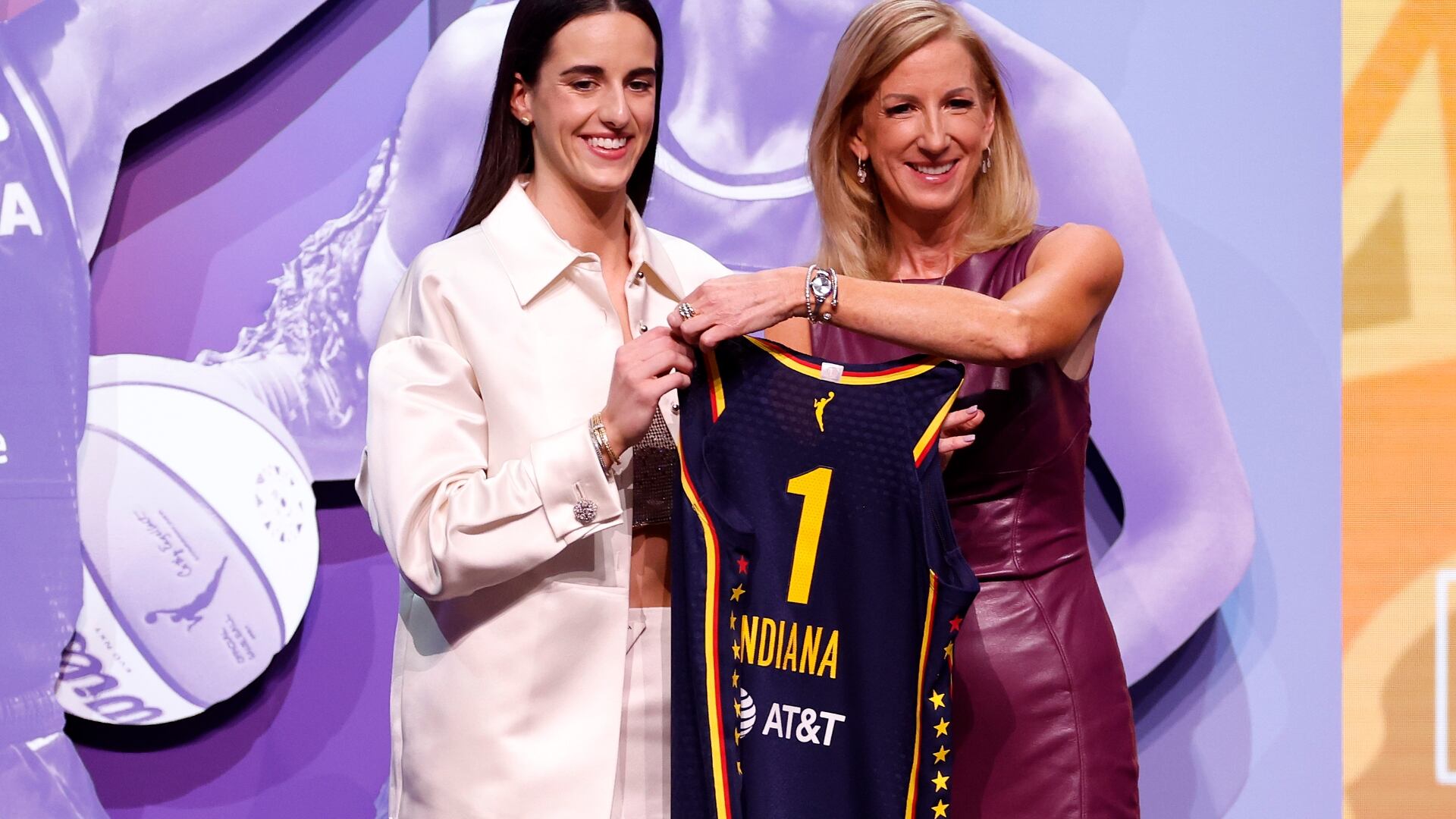
Caitlin Clark is heading to the Indiana Fever, the number one draft pick and the highest-scoring college basketball player of all time. And while she may not be getting millions from the WNBA, there's a few ways she'll net compensation for her generational talents.
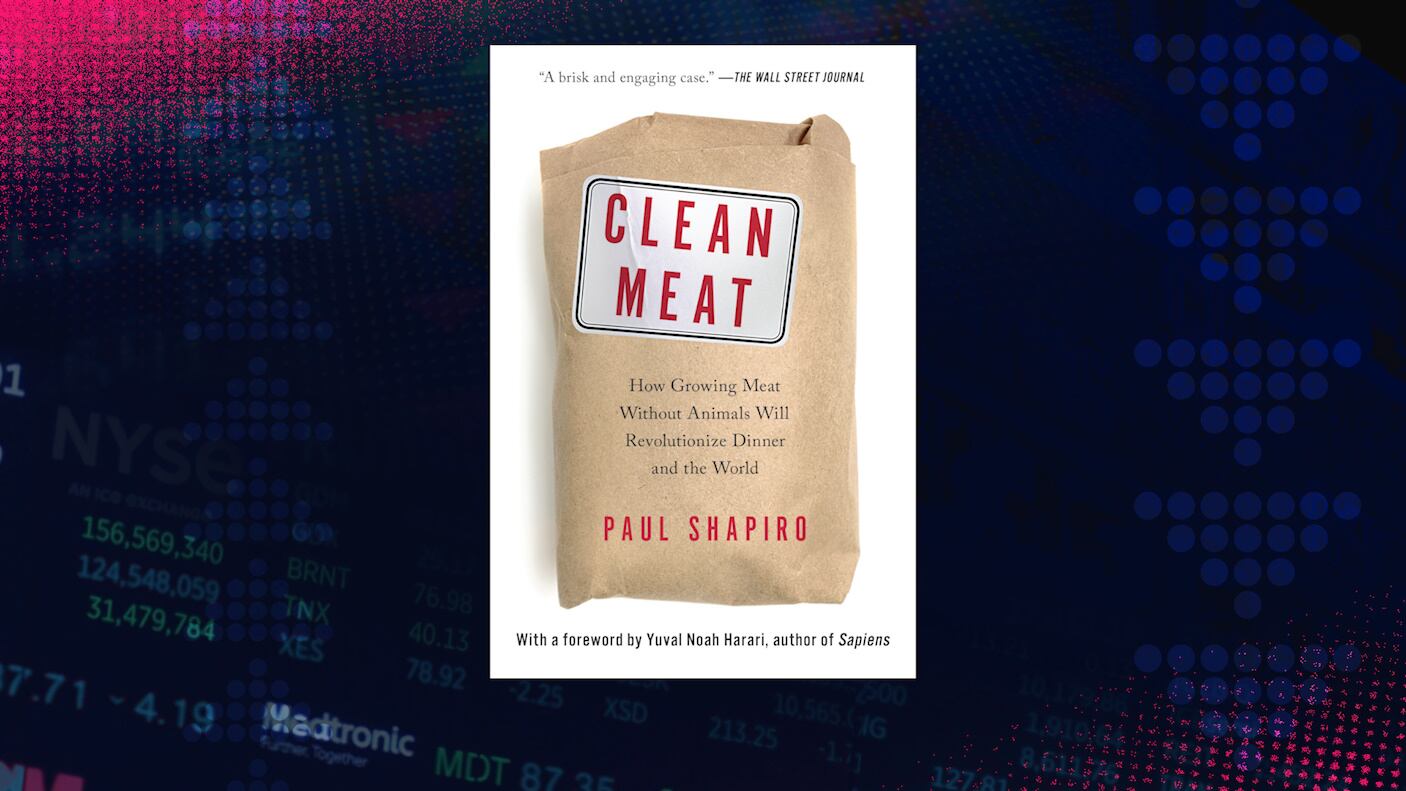
Author of 'Clean Meat,' Paul Shapiro joins Cheddar to discuss how the cellular agricultural revolution helps lower rates of foodborne illness and greatly improves environmental sustainability. Plus, how his company The Better Meat Co. is bringing healthier food options to the table.
Recent headlines might make it sound like World War III is imminent, but when it comes to your finances, it's not the time to panic. The market is coming off its longest winning streak since 2011.
You may have noticed fewer new venture capital-backed startups (like Airbnb or Uber) lately. The market slowed to a crawl after 2021, but things are expected to take off again in 2025.