*by Tanaya Macheel* Next year may signal a more widespread adoption of crypto among institutional investors ー if the current momentum continues, that is. Grayscale, a veteran digital currency investment firm, saw record inflows, $330 million in the first three quarters of 2018 ー most of which came from institutional investors including hedge funds, endowments and pensions, according to the managing director. “That’s against nothing but price decline,” which investors are using as “a time to create \[an\] initial position or start scaling into a position” in Bitcoin or other crypto assets, Michael Sonnenshein told Cheddar on Friday. In the third quarter, 73 percent of inflows were into the Bitcoin Investment Trust, while 27 percent were into Grayscale products tied to other digital assets, according to Grayscale’s third-quarter Digital Asset Investment Report, published Thursday. For the year to date, Bitcoin accounted for 66 percent of total assets raised and 34 percent went into other digital assets. Most of Grayscale’s capital inflows are going to its Bitcoin product because investors are most familiar and comfortable with it. Eight of Grayscale’s nine different products are for single currencies ーlike Bitcoin or XRP. The ninth is a bundle that offers exposure to the largest digital currencies by market cap. “We’re starting to see a lot more interest in those types of structures, especially in the wake of seeing other firms shut down their index products,” Sonnenshein said of the large cap fund. “A lot of folks want to generally allocate to the space and not have to choose winners or avoid losers and like the idea of the large cap fund for that very reason.” Since late last year’s run-up, when the price of Bitcoin reached nearly $20,000, Fidelity, the third-largest asset manager in the world, announced plans to launch a crypto custody and institutional brokerage business. Goldman Sachs announced plans to open a crypto trading operation. Intercontinental Exchange, the parent company of the New York Stock Exchange, has entered the crypto industry through a new company called Bakkt. Earlier this week, Morgan Stanley released a bullish report on cryptocurrencies, hailing Bitcoin and other digital assets as a "new institutional investment class.” “The once taboo nature of investing in digital currencies has been shrugged off by most investors. When we go sit down with our hedge fund clients, endowments, whatever they may be, there is so much knowledge on the other side of the table that, to us, is really validating," Sonnenshein said. For full interview [click here](https://cheddar.com/videos/morgan-stanley-says-cryptocurrencies-are-a-new-asset-class).

Share:
More In Technology
Digital Advertising Company AdTheorent to Trade Under Ticker '$ADTH'
AdTheorent just the latest company to go public via a SPAC. The company specializes in digital advertising, using AI and machine learning as a tool to move marketing forward. AdTheorent to close its SPAC merger with MCAP Acquisition today and will trade on the Nasdaq under the ticker symbol ADTH. CEO Jim Lawson spoke with Cheddar ahead of the move.
Dorsey, Musk Express Skepticism Over Blockchain-based Web3
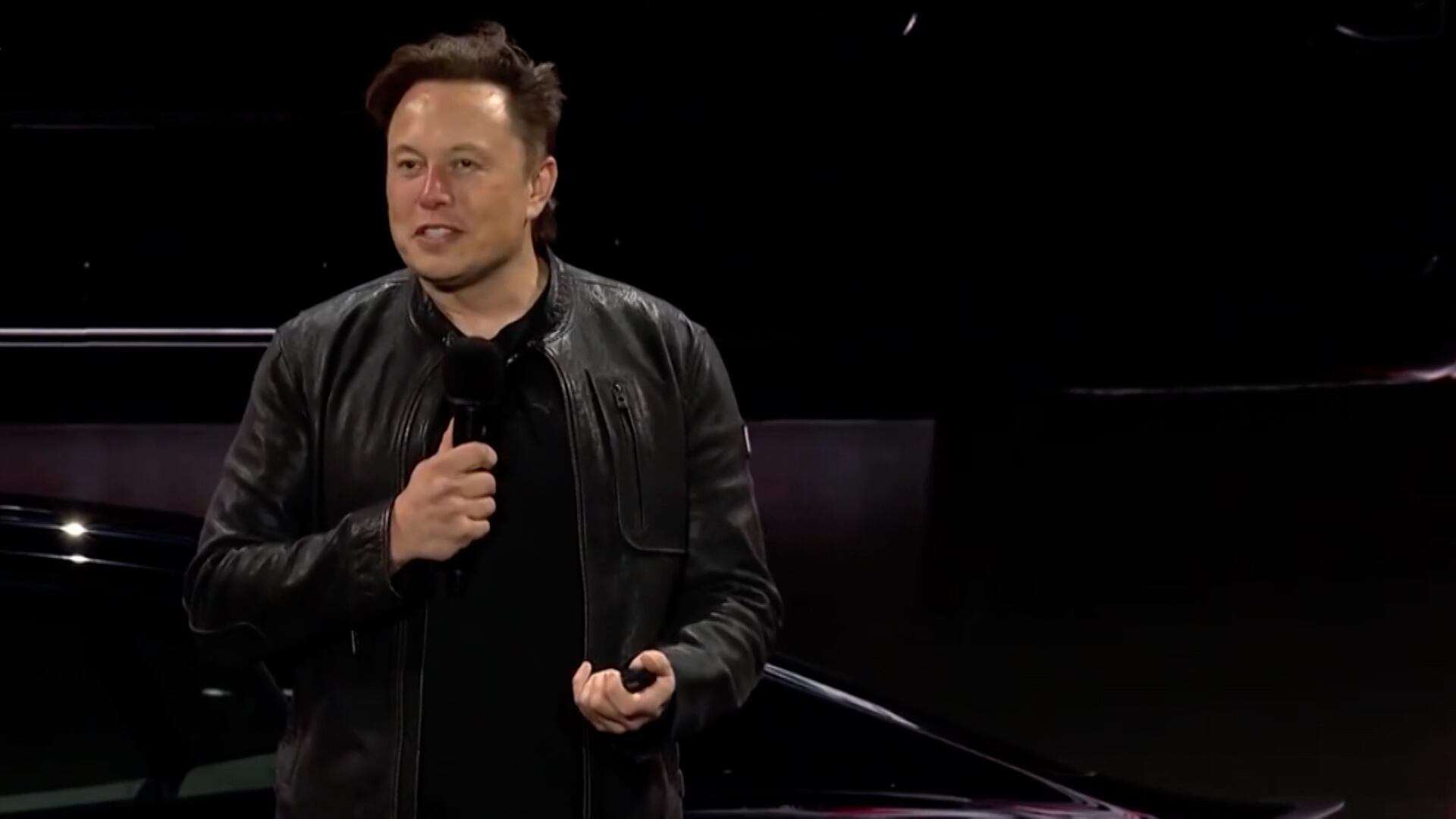
Although still early in development, blockchain technology, Web3, also known as Web 3.0 has been getting a lot of attention from some top tech names lately. Web3 is based on blockchain technology, which powers NFT’s and cryptocurrencies such as bitcoin. With Web3, users would ideally control their own data, rather than have it be controlled by a few large companies. But, Tesla CEO Elon musk isn't buying into Web3 just yet, tweeting over the weekend that the decentralized iteration of the internet seems more like a marketing "buzzword" right now than reality. Twitter co-founder Jack Dorsey also chiming in to the conversation, expressing doubt over whether or not Web3 would actually be decentralized if ownership still belonged to venture capital firms. Parker McCurley, co-founder & CEO of Decent Labs explains the significance of Web3 catching the eye of the tech giants, and what Web3 could mean for the future of the internet.
An Omicron Christmas, Student Loans & Love, Hate, Ate
Carlo and Baker cover the heartening news on the Covid front ahead of the holiday, plus President Biden punting student loan repayments again, a new space telescope and Love, Hate, Ate: Christmas Eve Eve Edition!
Semiconductor Industry Warns Shortage Could Last Deep Into 2022
This year's worldwide semiconductor shortage limited the supply of everything from new cars to smartphones; and now, many in the chip industry expect the shortage to continue deep into 2022, and maybe even 2023. Semiconductor senior research analyst for Robert W. Baird & Co., Tristan Gerra, joins Cheddar News' Closing Bell to discuss.
Nomi Health Closes $110 Million to Further Scale Its Direct Healthcare Model Nationwide
Direct health care company Nomi Health recently raised $110 million in a Series A round. Nomi Health lets public and private organizations directly purchase healthcare at reduced costs, and pay providers in real-time. It also delivers healthcare directly to under-served communities via its fleet of mobile care units, which the company says is the largest in the country. Nomi Health says its mission is to improve the health care experience for all Americans. Nomi Health CEO Mark Newman joined Cheddar News' Closing Bell to discuss.
Load More