Historically low fuel costs, driven in part by coronavirus-related shutdowns, have been an unexpected benefit for GPM Investments in 2020, just as the seventh-largest convenience store chain in the U.S. prepares to go public.
"We actually like low prices of fuel," GPM Investments CEO Arie Kotler told Cheddar. "As you can imagine, low prices of fuel leave a lot of money in the consumer's pocket, which enables those consumers to come into the stores and purchase more product. We saw a very nice increase basically in our same-store sales because of that."
Consumer patterns have shifted during the pandemic, he added, from big-box to "small-box" stores.
GPM is in the process of acquiring wholesale fuel and retail chain Empire Petroleum, which would bring its total value to $2 billion and make it the country's sixth-largest convenience store chain.
In addition, GPM is set to go public via a special purpose acquisition company called Haymaker.
"Given the current environment, the company’s resilient business model is particularly relevant, the inherent growth drivers extremely compelling, and their disciplined execution commendable," Steven Heyer, CEO and executive chairman of Haymaker, said in a statement.
While the company is a wholesaler of fuel, low oil prices still serve its bottom line.
"We are buying directly from the refiners and selling to the consumers," Kotler said. "As a matter of fact, we like oil prices to be low, to be honest. It's actually helping us tremendously."
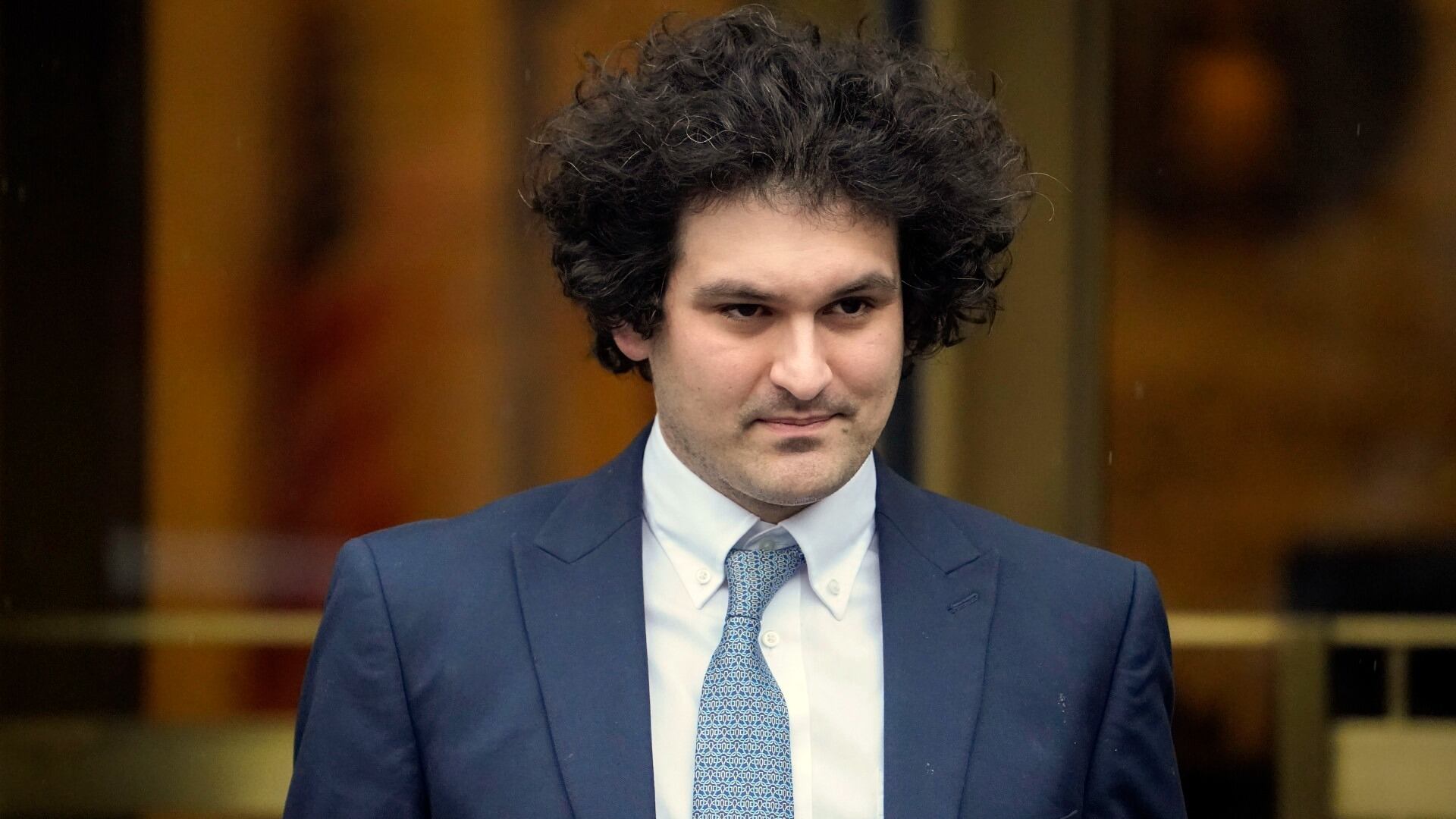
A new indictment charges FTX founder Sam Bankman-Fried with directing $40 million in bribes to one or more Chinese officials to unfreeze assets relating to his cryptocurrency business.
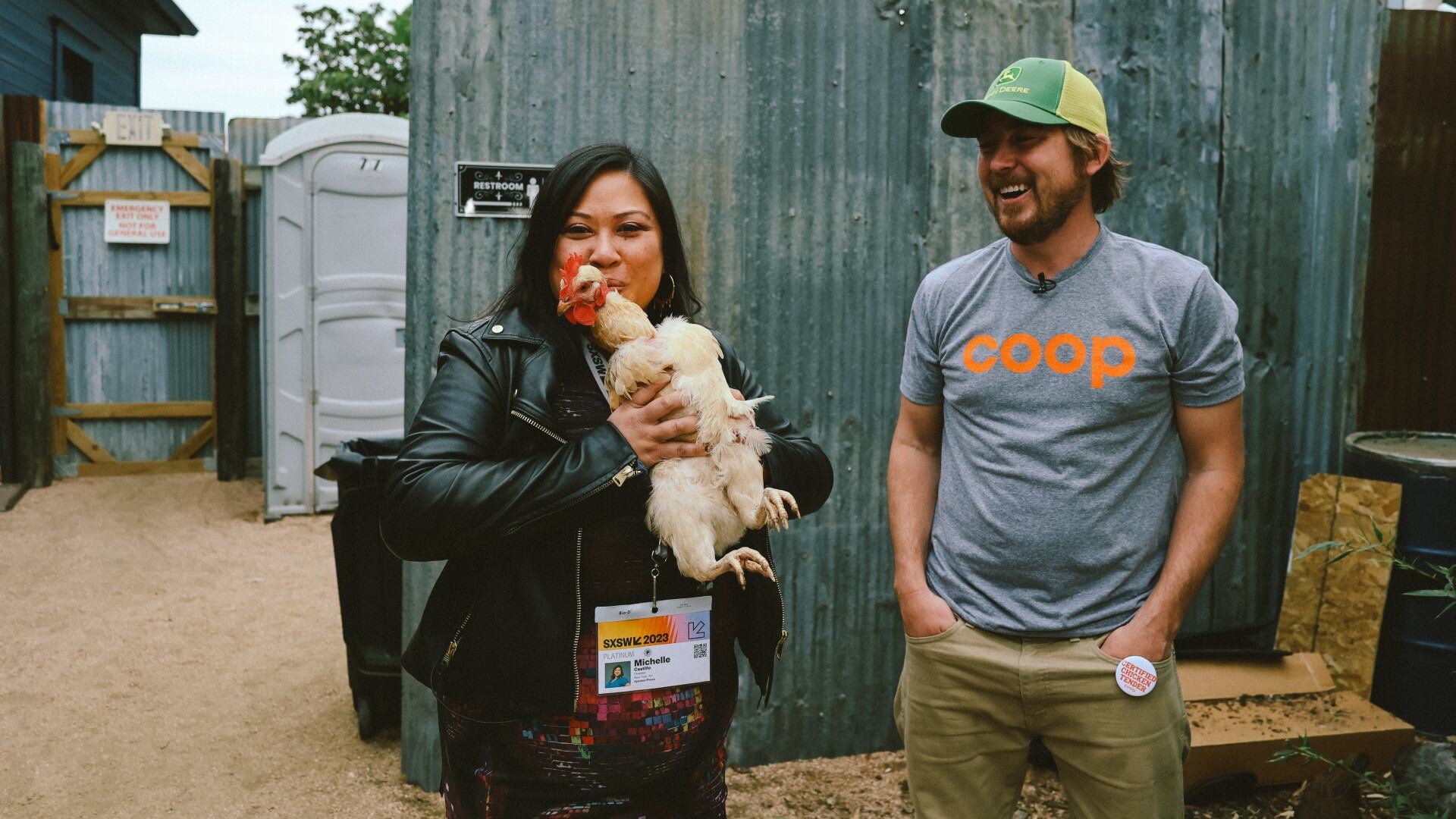
Producing your own food doesn't mean you have to own your own farm, and it might be as simple as raising some backyard chickens. Agri-tech startup Coop aims to make this easier for non-farmers with a so-called "smart" chicken coop. Cheddar News Senior Reporter Michelle Castillo found a flock to learn more.
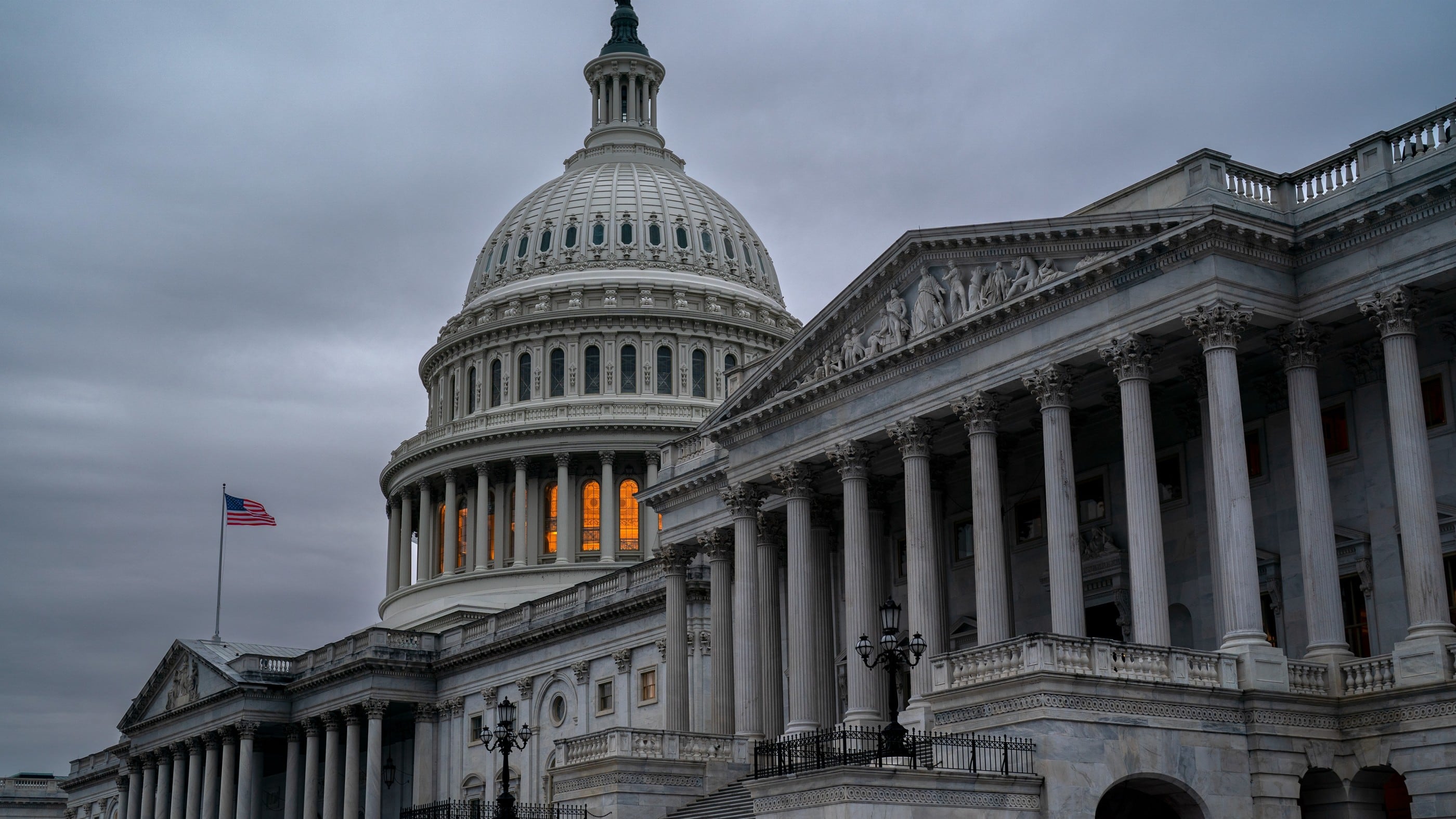
Capitol hill is trying to get to the bottom of the bank collapses that shocked the financial system last month, and today lawmakers grilled banking regulators about why they weren't able to stop the crisis. Cheddar News correspondent Lisa Bennatan broke down the proceedings.
Alibaba is splitting itself into into six business groups as the Chinese e-commerce company attempts to become more nimble in reacting to changes in the market and increase the value of those units.
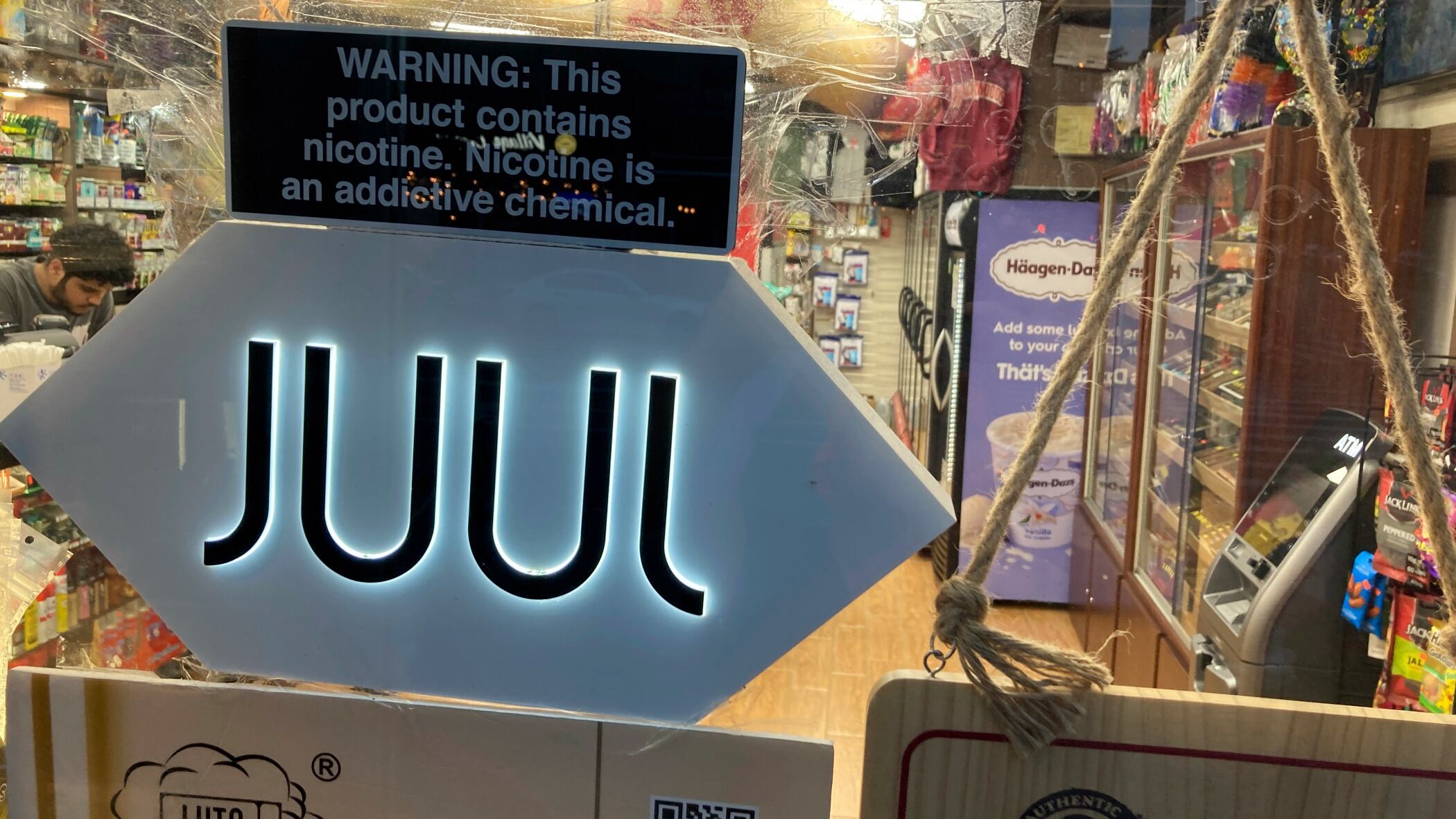
Juul will finally have its day in court for its role in the teen vaping epidemic. The Minnesota attorney general is preparing for opening arguments in the state's lawsuit against the vape maker. Here to break down the complicated backstory for this legal case is Senior Reporter Chloe Aiello.
Burger King is closing two dozens locations in the Detroit area and laying off 424 employees as it plans to permanently cease operations in Michigan. The Texas-based burger chain blamed "unforeseen business circumstances." The closures started on March 17 and are expected to be finished by April 15.