Historically low fuel costs, driven in part by coronavirus-related shutdowns, have been an unexpected benefit for GPM Investments in 2020, just as the seventh-largest convenience store chain in the U.S. prepares to go public.
"We actually like low prices of fuel," GPM Investments CEO Arie Kotler told Cheddar. "As you can imagine, low prices of fuel leave a lot of money in the consumer's pocket, which enables those consumers to come into the stores and purchase more product. We saw a very nice increase basically in our same-store sales because of that."
Consumer patterns have shifted during the pandemic, he added, from big-box to "small-box" stores.
GPM is in the process of acquiring wholesale fuel and retail chain Empire Petroleum, which would bring its total value to $2 billion and make it the country's sixth-largest convenience store chain.
In addition, GPM is set to go public via a special purpose acquisition company called Haymaker.
"Given the current environment, the company’s resilient business model is particularly relevant, the inherent growth drivers extremely compelling, and their disciplined execution commendable," Steven Heyer, CEO and executive chairman of Haymaker, said in a statement.
While the company is a wholesaler of fuel, low oil prices still serve its bottom line.
"We are buying directly from the refiners and selling to the consumers," Kotler said. "As a matter of fact, we like oil prices to be low, to be honest. It's actually helping us tremendously."
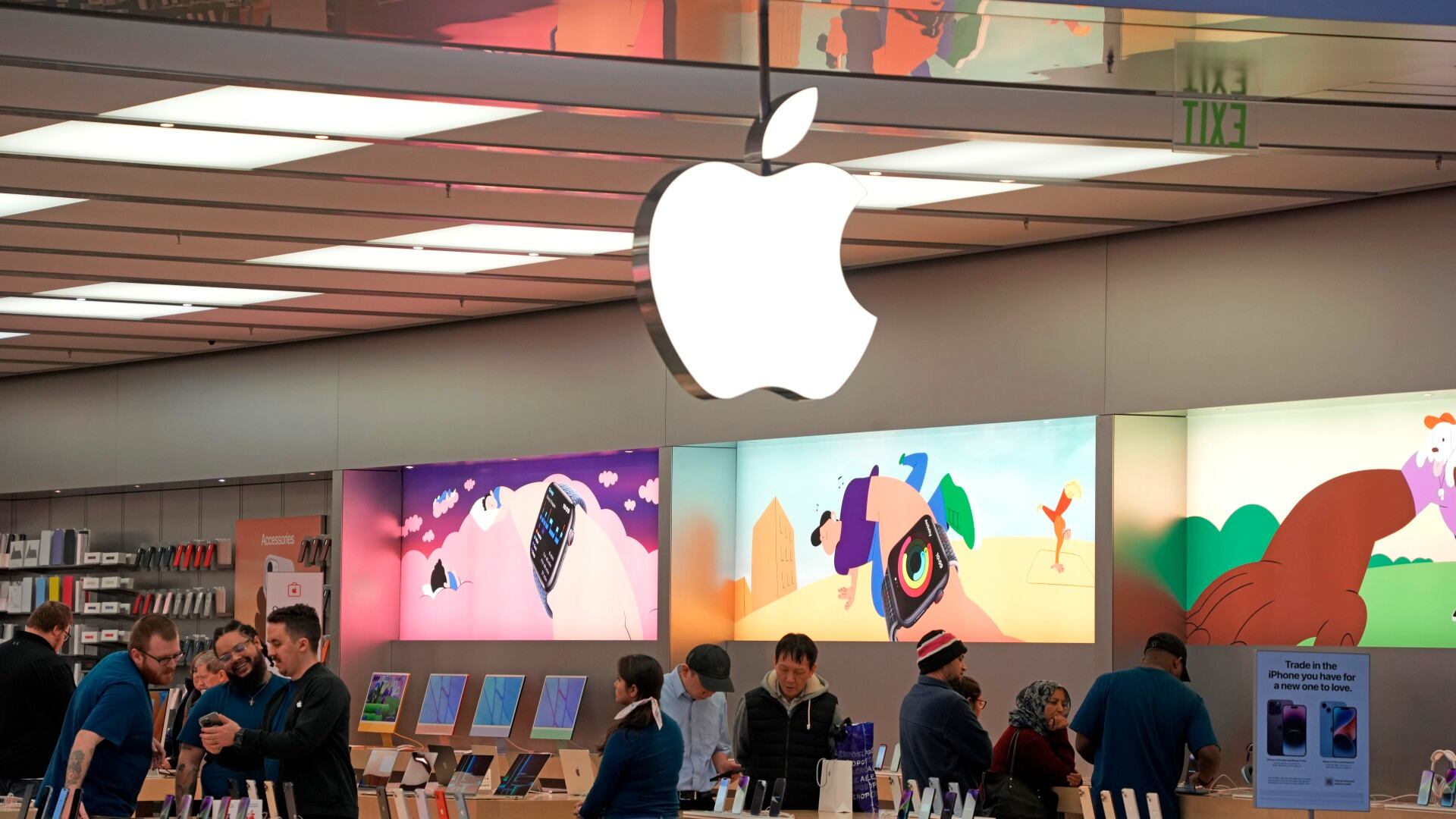
Apple once again posted an, until now, rare revenue decline in its latest fiscal quarter, but said its overall business improved from the December quarter and sales of its iPhones were solid.
America’s employers added a healthy 253,000 jobs in April, evidence of a labor market that still shows surprising strength despite rising interest rates, chronically high inflation and a banking crisis that could weaken the economy.
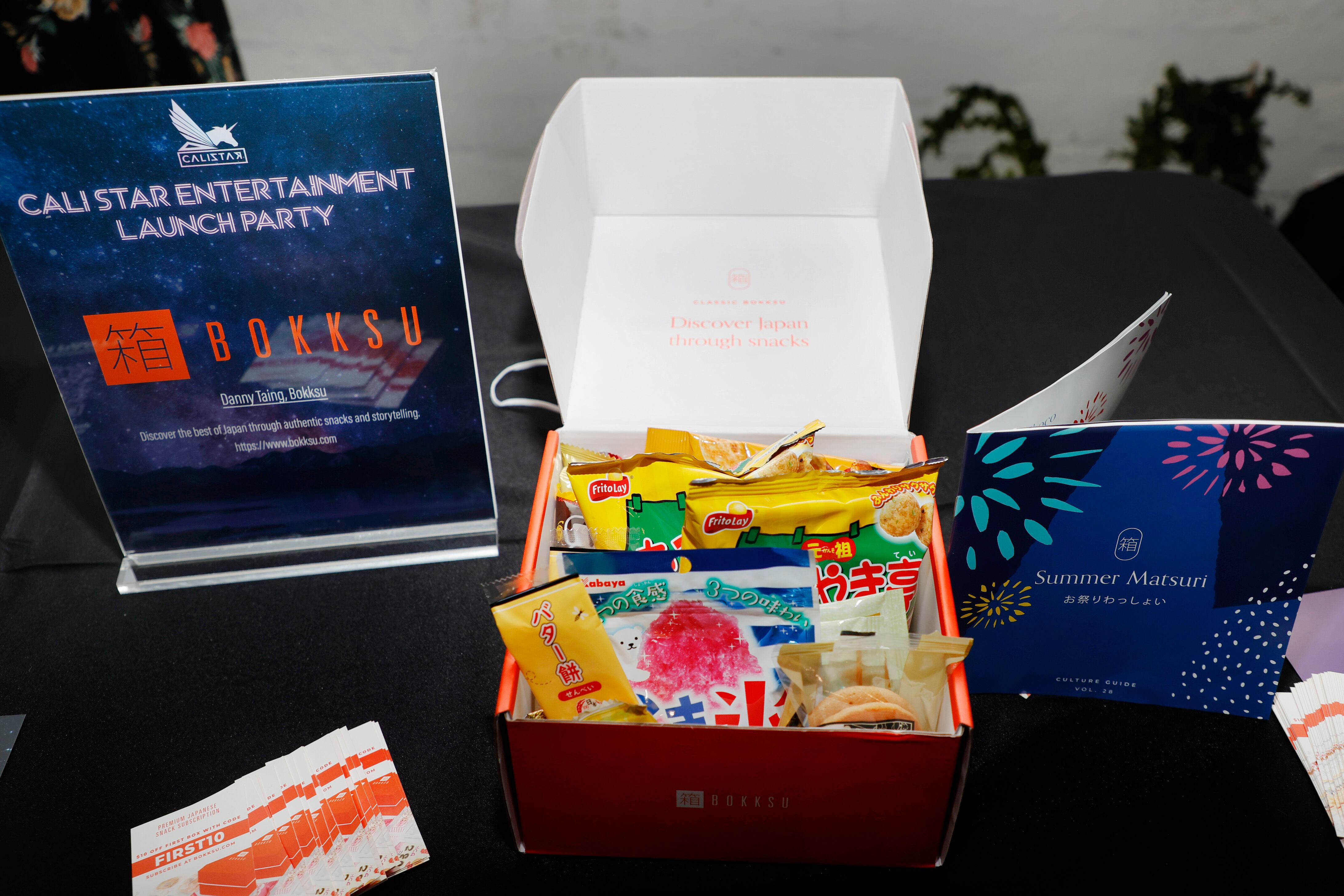
Danny Taing, founder and CEO of Bokksu, joined Cheddar News to discuss his path on how he became an entrepreneur to launch a company that delivers artisanal Japanese snacks. "When I moved back from Japan to New York, I had this bit of reverse culture shock ... a lot of people had somewhat of a one-dimensional view of Japan ... they saw this country where people ate sushi every day ... none of that is true," he said.
Will Rhind, CEO of GraniteShares, joined Cheddar News to discuss Thursday's trading session amid renewed fears over the regional banking crisis as well as concerns over the debt ceiling debate.
The United Food and Commercial Workers union, one of the country's largest, opposed the planned merger between grocery chains Kroger and Albertson's, according to The Wall Street Journal, citing concerns about lack of information and the potential viability of stores upon closing.
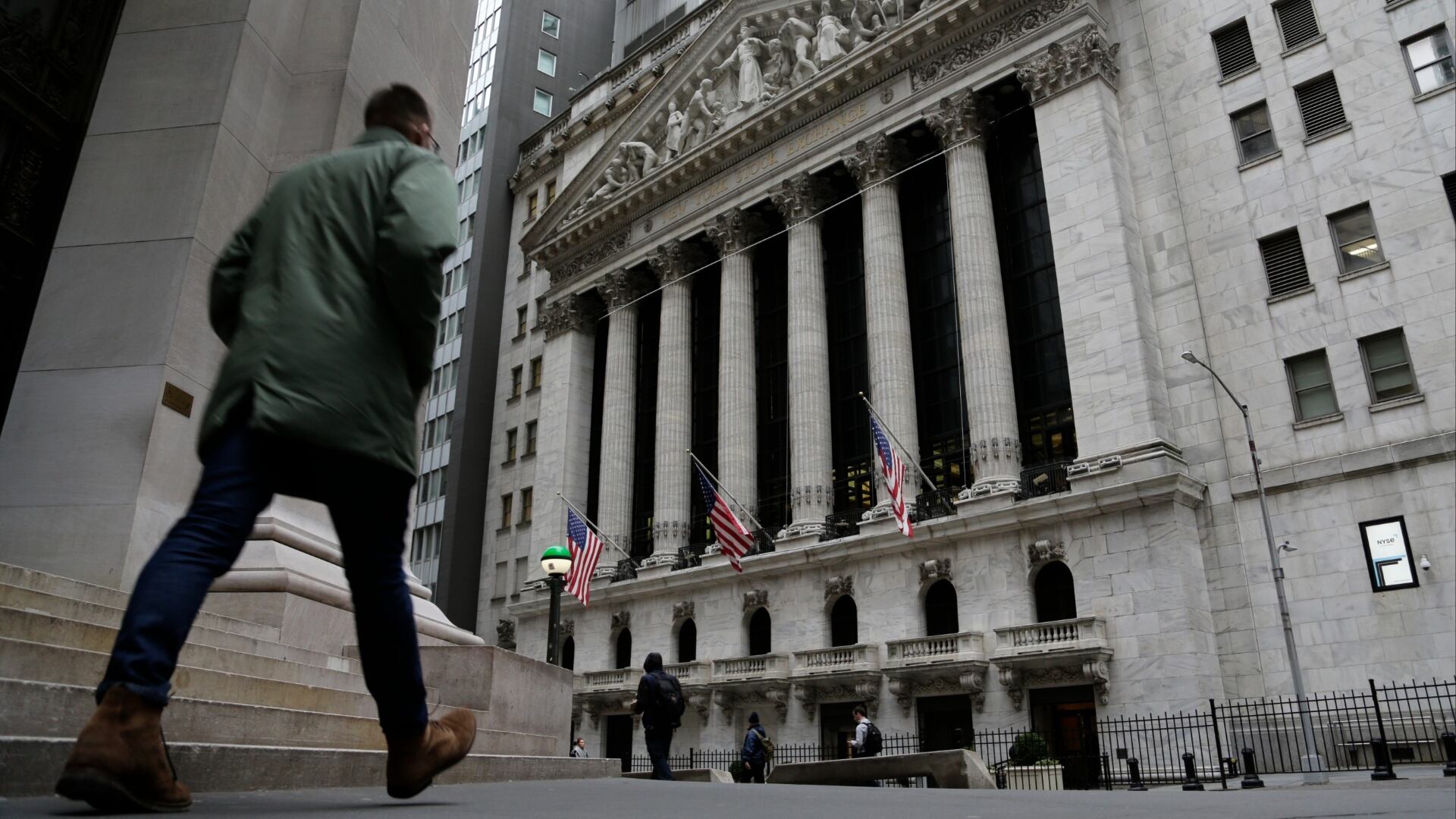
Johnson & Johnson's consumer-health unit Kenvue made its debut on the New York Stock Exchange and jumped about 20% on Thursday. Thibaut Mongon, CEO of Kenvue, joined Cheddar News to discuss business growth goals and what lies ahead for its well-known pipeline of products, including Band-Aid, Neutrogena, Tylenol, among others.