Government Shutdown Is a Life or Death Issue for Native Americans: Tribe Chairman
*By Carlo Versano*
For many Americans, the partial shutdown of the federal government is only felt in minor ways, if it all: [overflowing trash cans](https://wtop.com/dc/2019/01/national-park-service-gets-help-with-garbage-cleanup-during-government-shutdown/slide/1/) on the National Mall, or [free entry](https://www.cnn.com/travel/article/us-government-shutdown-travel/index.html) to national parks. For Native Americans, a prolonged shutdown could mean life or death.
The Bureau of Indian Affairs, part of the Dept of the Interior, is one federal office considered non-essential as President Trump and Congress fail to reach a deal over a funding impasse. For tribes like the Sault Ste. Marie of Michigan, which are heavily reliant on federal funding thanks to long-ago deals made with the government for services in exchange for land, the results of the shutdown as already devastating.
Aaron Payment, Sault Ste. Marie's chairman, told Cheddar that he's focused on one date: Jan. 15. That's when the tribe's next drawdown of federal funds is scheduled. If that transaction doesn't happen, critical services will become unavailable, he said.
"In the long term, it's going to have a drastic impact," he said, noting that the shutdown, already in day 14, is costing the tribe about $100,000 a day. Eventually, "we won't have access to healthcare," he said. "Our members need prescriptions and medicines that help keep them alive."
For Payment and members of his tribe and others, the situation in Washington is familiar. A 2013 shutdown under President Obama cost Sault Ste. Marie $1 million, he said, and had lasting impacts still felt today. Tribe members were laid off, furloughed, and lost healthcare providers, who pulled out due to the uncertainty of the shutdown. Recruiting health services is one of the most difficult challenges for Indian Country, which has the added disadvantage of being in rural areas without many providers.
Payment stressed that Native Americans were not asking for handouts, or reparations. As far back as the 1800s, tribes sold hundreds of millions of acres of land to the government "for the promise of health, education and social welfare in perpetuity." Those services are now deemed non-essential. And when the shutdown ends, it is not guaranteed that tribes will be reimbursed for the costs they incurred during the closure, the way other federal employees will be.
"We prepaid for everything," Payment said.
"The government is only as good as its word."
For full interview [click here](https://cheddar.com/videos/tribe-leader-says-government-shutdown-could-have-drastic-impact).
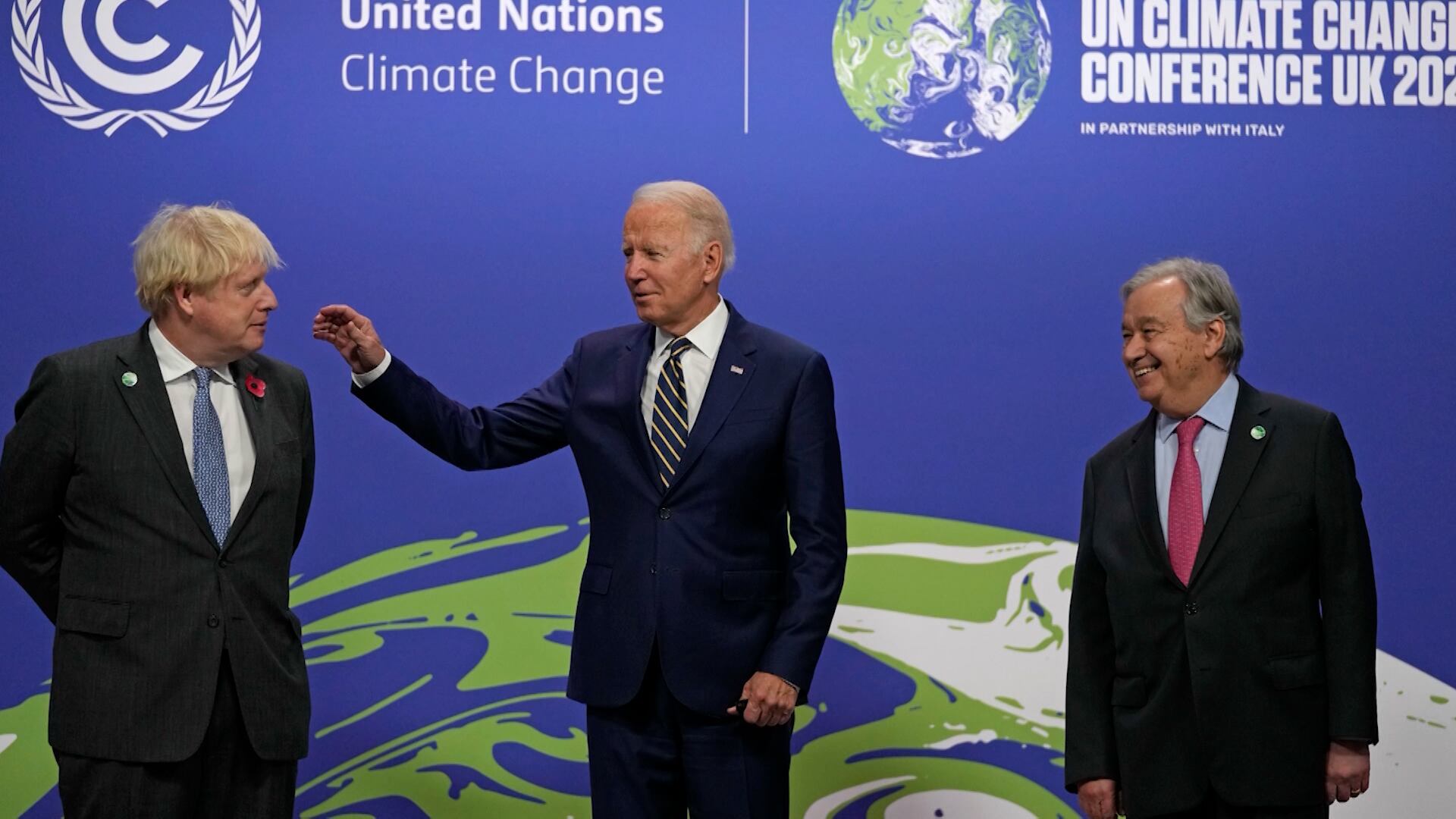
The UN climate change conference kicked off on Sunday with about 120 world leaders and delegates gathering in Glasgow, Scotland this week, as experts continue to warn about the harms of heightened emissions and the effects on climate change. The topic of ESG investing is expected to be a top priority at the summit. Jefferies global head of ESG and sustainability research Aniket Shah joined Cheddar News' Closing Bell to discuss.
Gifted and talented education programs in schools throughout the United States are falling under greater scrutiny as the race and class divide in the programs remain wide. Marcia Gentry, a professor of educational studies and the director of the Gifted Education Research and Resource Institute at Purdue University, joined Cheddar to weigh in on if advanced tracking for students can also be equitable for lower income students and students of color.
The Supreme Court is now weighing in on one of the nation's most restrictive abortion laws. The Texas law, which was enacted on September 1, bans abortions after six weeks of pregnancy. In addition, it allows any private citizen to sue anyone who helps a woman get an abortion. Jimmy Hoover, Supreme Court Editor-At-Large at Law360, joined Cheddar News to discuss more.
House Democrats are scrambling to hold a vote as soon as Tuesday on President Joe Biden's economic agenda — both the $1 trillion bipartisan infrastructure bill and the $1.85 trillion social safety net and climate bill. With Biden still overseas, the bill stands in flux. Jennifer Haberkorn, congressional reporter at the Los Angeles Times, joined Cheddar's "Opening Bell" to discuss.
Lauren Brody, author of "The Fifth Trimester," joined Cheddar to talk about the ongoing fight for a national paid family leave policy after it was cut from the Democratic reconciliation bill negotiation reportedly due to objections from Senator Manchin. Brody discussed how parents are often forced to choose between work and caring for their family and newborns — or even taking time to deal with a traumatic loss. "Frankly, it's appalling to me that we live in a place that doesn't support people who have experienced the death of a baby and then had to go right back to work," she noted.
Even with pandemic lockdowns, greenhouse gas levels reached new highs in 2020, according to the World Meteorological Organization. This report comes just a week ahead of the United Nations Climate Change Conference, otherwise known as Cop26. Shannon Osaka, climate policy and solutions reporter at Grist, joined Cheddar's Between Bells to discuss.
Paid family & medical leave is left out of President Joe Biden's Build Back Better domestic policy plan. Abby Vesoulis, reporter for TIME joins Cheddar News to breakdown what this means for Americans.
Carlo's flying solo today, talking COP26 and climate change, another racially charged trial gets underway, SCOTUS takes on abortion and a stunning rise in traffic deaths points to a bigger societal breakdown sparked by the pandemic.