Government Shutdown Is a Life or Death Issue for Native Americans: Tribe Chairman
*By Carlo Versano*
For many Americans, the partial shutdown of the federal government is only felt in minor ways, if it all: [overflowing trash cans](https://wtop.com/dc/2019/01/national-park-service-gets-help-with-garbage-cleanup-during-government-shutdown/slide/1/) on the National Mall, or [free entry](https://www.cnn.com/travel/article/us-government-shutdown-travel/index.html) to national parks. For Native Americans, a prolonged shutdown could mean life or death.
The Bureau of Indian Affairs, part of the Dept of the Interior, is one federal office considered non-essential as President Trump and Congress fail to reach a deal over a funding impasse. For tribes like the Sault Ste. Marie of Michigan, which are heavily reliant on federal funding thanks to long-ago deals made with the government for services in exchange for land, the results of the shutdown as already devastating.
Aaron Payment, Sault Ste. Marie's chairman, told Cheddar that he's focused on one date: Jan. 15. That's when the tribe's next drawdown of federal funds is scheduled. If that transaction doesn't happen, critical services will become unavailable, he said.
"In the long term, it's going to have a drastic impact," he said, noting that the shutdown, already in day 14, is costing the tribe about $100,000 a day. Eventually, "we won't have access to healthcare," he said. "Our members need prescriptions and medicines that help keep them alive."
For Payment and members of his tribe and others, the situation in Washington is familiar. A 2013 shutdown under President Obama cost Sault Ste. Marie $1 million, he said, and had lasting impacts still felt today. Tribe members were laid off, furloughed, and lost healthcare providers, who pulled out due to the uncertainty of the shutdown. Recruiting health services is one of the most difficult challenges for Indian Country, which has the added disadvantage of being in rural areas without many providers.
Payment stressed that Native Americans were not asking for handouts, or reparations. As far back as the 1800s, tribes sold hundreds of millions of acres of land to the government "for the promise of health, education and social welfare in perpetuity." Those services are now deemed non-essential. And when the shutdown ends, it is not guaranteed that tribes will be reimbursed for the costs they incurred during the closure, the way other federal employees will be.
"We prepaid for everything," Payment said.
"The government is only as good as its word."
For full interview [click here](https://cheddar.com/videos/tribe-leader-says-government-shutdown-could-have-drastic-impact).
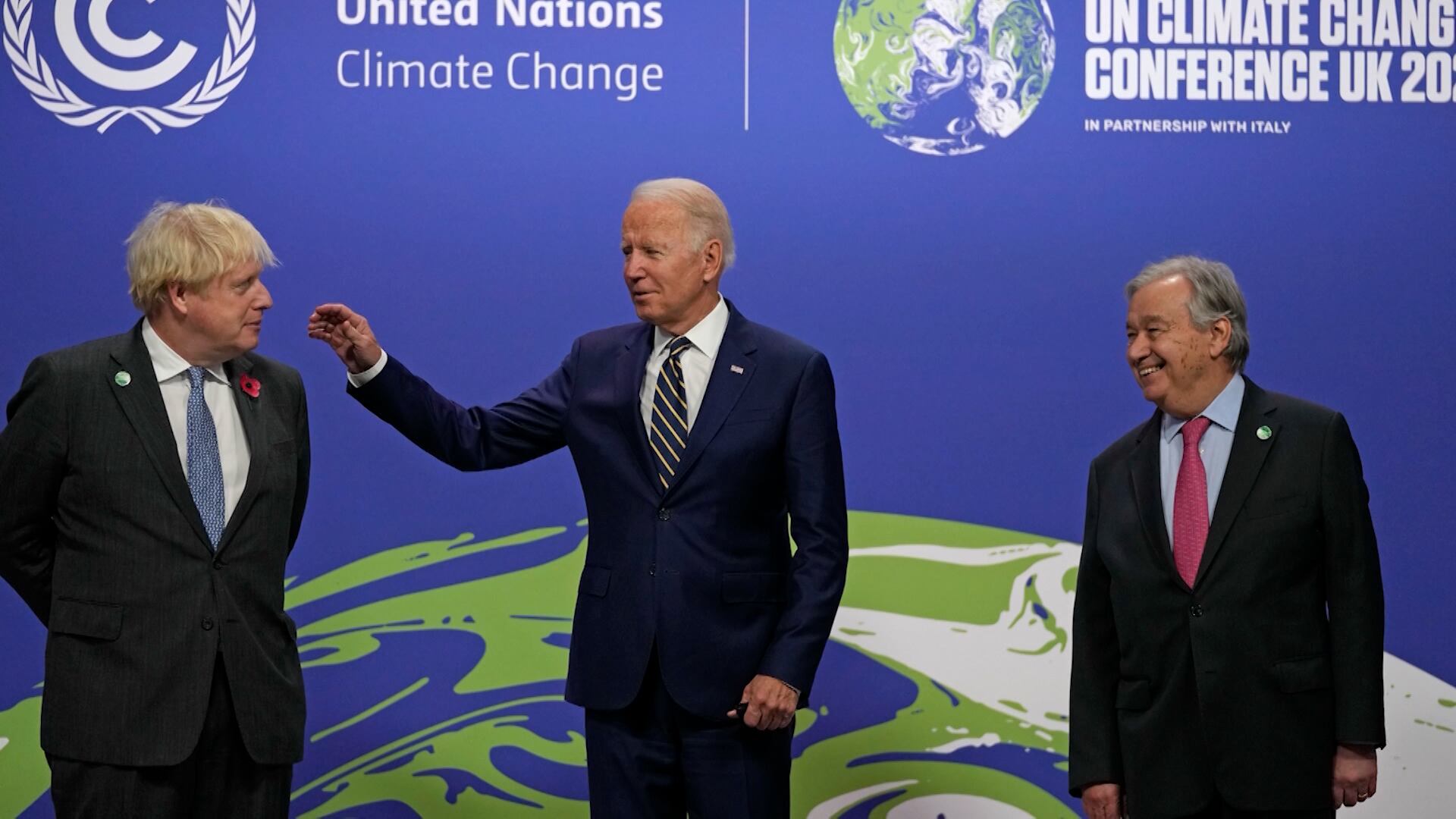
The two-week COP26 climate conference has now ended with leaders reaching a deal, but so far the deal is getting mixed reviews from climate experts across the globe. Chloe Demrovsky, president and CEO of Disaster Recovery Institute International, explains that while the agreement is a step forward in some ways, the world still has much more to work on in order to keep warming to below 2 degrees Celsius.
Jill and Carlo cover the latest with the infrastructure bill, the growing state rebellion over boosters, Trump's dereliction of duty on the pandemic, Taylor Swift's reign of cultural domination and more.
Sen. Sheldon Whitehouse joined Cheddar to discuss the latest push to get rid of Daylight Savings Time. A practice where several say can cause havoc on one's sleeping schedule and cause disruptions to our economy.
The past decade or so has been a has seen massive change-- usually good-- for the LGBTQ+ community. Same-sex marriage has seen broader acceptance, and there's been increased conversation about the reality of gender identity. Now, folks who don't identify as male or female can travel while staying true to their more authentic self.
The Biden administration has issued the first passport with a gender-neutral designation "X." the passport was issued to Dana Zzyym, an intersex activist from Colorado, after a long legal battle with the state department in which Zzyym argued they shouldn't be required to lie about their identity on their passport. Advocates for such changes have applauded the move, saying it will allow people who don't identify as male or female to travel the globe in a more safe and visible way.
Paul Castillo, counsel at Lambda Legal and Zzyym's attorney in this case, joins None of the Above to discuss.
The Biden Administration has announced its latest plans to support veterans who had been exposed to toxic chemicals from burn pits. According to several veterans who served in Iraq and Afghanistan, a number of them were exposed to hour-long periods of burn pits. As a result, many of them say they have suffered from severe life-long side effects. Co-founder at Burn Pits 360 Le Roy Torres, joined Cheddar to discuss more.
Ballots have been sent to workers at three different Starbucks locations in Buffalo, NY to decide whether they will unionize for the first time ever. Wilma Liebman, former Chair of the National Labor Relations Board and Michelle Eisen from the Starbucks Workers United Organization, which is behind this vote, joined Cheddar to discuss.
The parent company of North Face, Vans and Supreme, VF Corp, released its fourth annual "Made for Change" sustainability and responsibility report. It details the company's ongoing efforts to tackle social and climate related issues. This comes as climate experts continue to warn about the dangers of fast fashion and its impact on global CO2 emissions. Sean Cady, Vice President of Global Sustainability, Responsibility and Trade at VF Corporation, joins Cheddar News to discuss.
A jam-packed Freitag pod with Carlo and Baker: new Covid hotspots, Kyle Rittenhouse trial, Belarus making trouble for Europe, red-hot housing market, and how to manage a PR crisis the right way.