Government Shutdown Is a Life or Death Issue for Native Americans: Tribe Chairman
*By Carlo Versano*
For many Americans, the partial shutdown of the federal government is only felt in minor ways, if it all: [overflowing trash cans](https://wtop.com/dc/2019/01/national-park-service-gets-help-with-garbage-cleanup-during-government-shutdown/slide/1/) on the National Mall, or [free entry](https://www.cnn.com/travel/article/us-government-shutdown-travel/index.html) to national parks. For Native Americans, a prolonged shutdown could mean life or death.
The Bureau of Indian Affairs, part of the Dept of the Interior, is one federal office considered non-essential as President Trump and Congress fail to reach a deal over a funding impasse. For tribes like the Sault Ste. Marie of Michigan, which are heavily reliant on federal funding thanks to long-ago deals made with the government for services in exchange for land, the results of the shutdown as already devastating.
Aaron Payment, Sault Ste. Marie's chairman, told Cheddar that he's focused on one date: Jan. 15. That's when the tribe's next drawdown of federal funds is scheduled. If that transaction doesn't happen, critical services will become unavailable, he said.
"In the long term, it's going to have a drastic impact," he said, noting that the shutdown, already in day 14, is costing the tribe about $100,000 a day. Eventually, "we won't have access to healthcare," he said. "Our members need prescriptions and medicines that help keep them alive."
For Payment and members of his tribe and others, the situation in Washington is familiar. A 2013 shutdown under President Obama cost Sault Ste. Marie $1 million, he said, and had lasting impacts still felt today. Tribe members were laid off, furloughed, and lost healthcare providers, who pulled out due to the uncertainty of the shutdown. Recruiting health services is one of the most difficult challenges for Indian Country, which has the added disadvantage of being in rural areas without many providers.
Payment stressed that Native Americans were not asking for handouts, or reparations. As far back as the 1800s, tribes sold hundreds of millions of acres of land to the government "for the promise of health, education and social welfare in perpetuity." Those services are now deemed non-essential. And when the shutdown ends, it is not guaranteed that tribes will be reimbursed for the costs they incurred during the closure, the way other federal employees will be.
"We prepaid for everything," Payment said.
"The government is only as good as its word."
For full interview [click here](https://cheddar.com/videos/tribe-leader-says-government-shutdown-could-have-drastic-impact).
Jill and Carlo are a bit delayed today on account of Carlo's internet not working. Better late than never, they discuss what we know about the suspect in the Christmas parade crash, closing arguments in the Arbery killing trial, and more.
Stocks began the week closing at session lows on a day when bond yields rose and President Biden decided to stick with Jerome Powell as Fed Chair. Bryan Lee, Chief Investment Officer at Blue Zone Wealth Advisors, joins Cheddar News' Closing Bell, where he breaks down the day's activity and discusses what the Fed now needs to do going forward.
President Joe Biden announced Monday he is re-nominating Federal Reserve Chairman Jerome Powell after weeks of speculation that he would choose Democrat and Fed Governor Lael Brainard to fill the role. Biden could be looking for continuity as the U.S. continues to grapple with COVID-19 and high inflation, and investors could be on the same page: markets and treasuries ticked up after the White House made the announcement. MarketWatch Senior Reporter Greg Robb joins Cheddar News' Closing Bell to discuss Powell's re-nomination, what we can expect from the Fed's December meeting, whether it will speed up its taper timeline, and more.
President Joe Biden named Jerome Powell, initially appointed by President Trump, to keep his seat as the chair of the Federal Reserve on Monday amid the ongoing challenges of the pandemic, inflation, and unemployment. David Beckworth, a former international economist for the Treasury Department and a senior fellow with the Mercatus Center, joined Cheddar to discuss what he sees as the practicality of Biden's decision. "What Powell brings to the table is he's built up political capital with Republicans and Democrats," he said. "It's easy for him to get the job done. I think in one way he was the path of least resistance for the president."
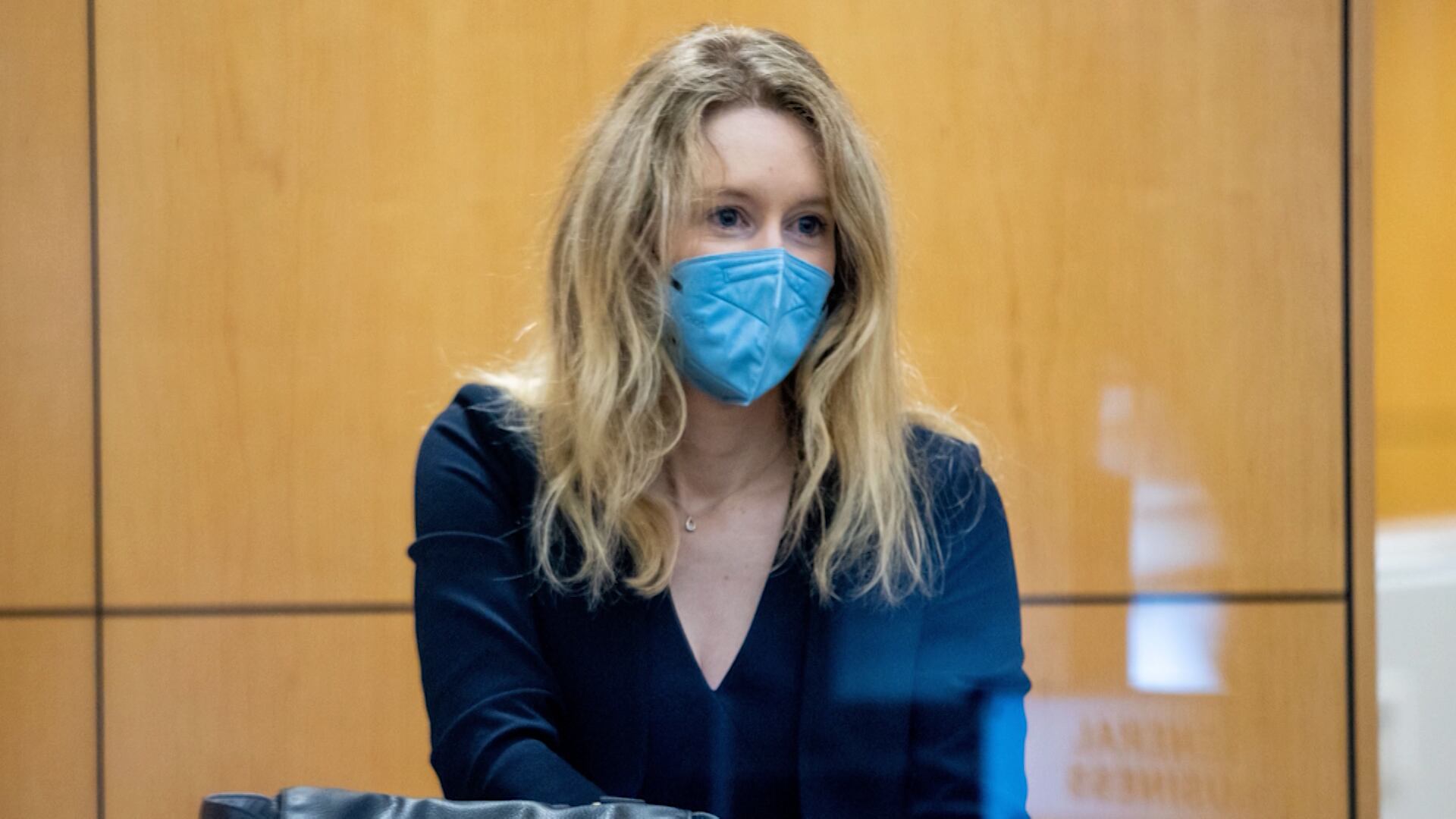
In a surprise turn of events, Elizabeth Holmes took the stand in her own defense on Friday and is expected to continue her testimony later today. Holmes, who founded a blood testing start-up Theranos back in 2003, faces 11 counts of wire fraud as well as conspiracy to commit wire fraud. Aron Solomon, Chief Legal Analyst, Esquire Digital joined Cheddar's Opening Bell to discuss.
Jill and Carlo cover the developing story out of suburban Milwaukee, where a speeding SUV careened through a Christmas parade. Looters get more brazen in San Francisco, the missing Chinese tennis star resurfaces, and more.
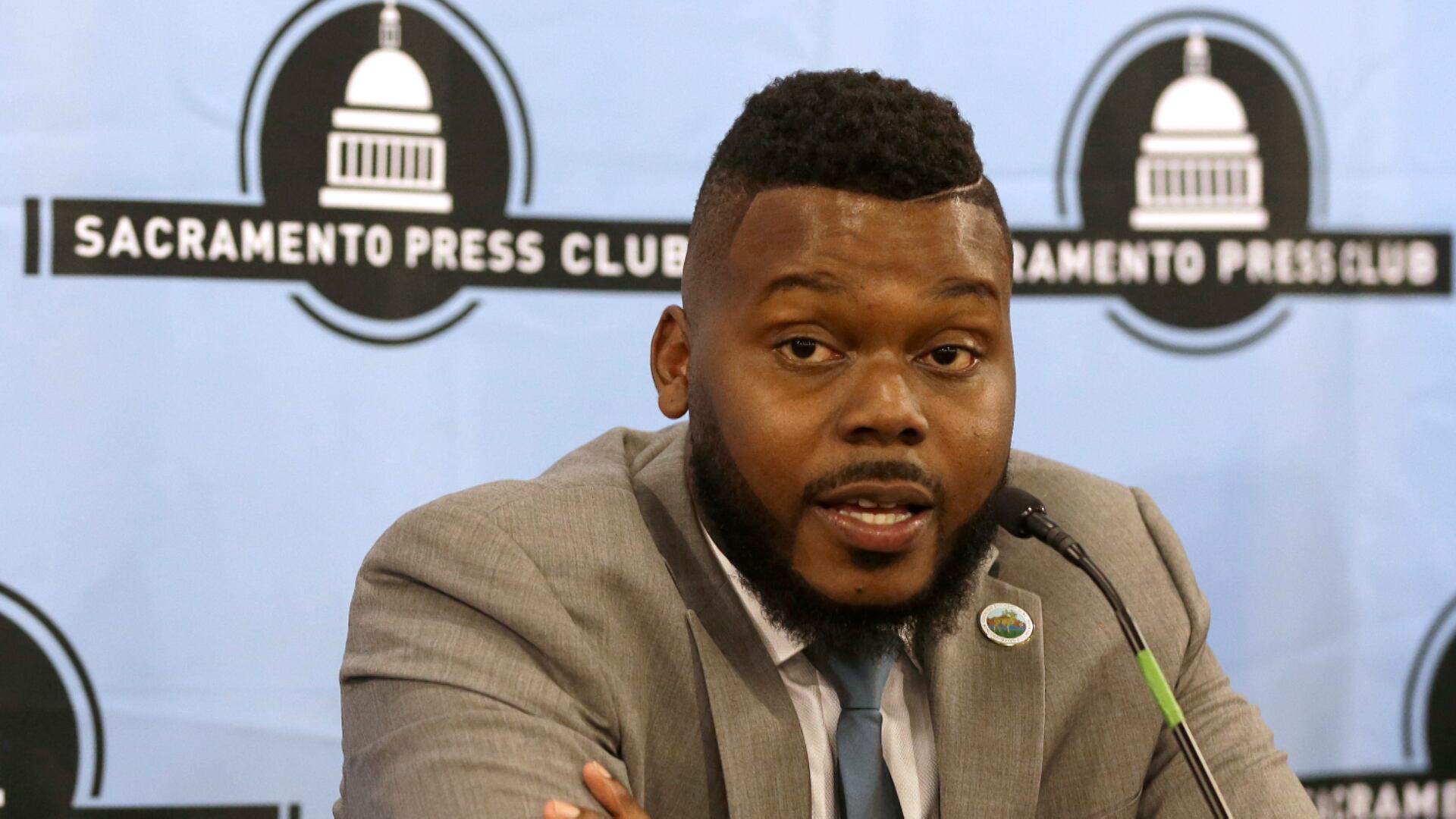
Michael Tubbs, former Mayor of Stockton, California and author of 'The Deeper the Roots,' joined Cheddar Movers to talk all about his new memoir, and his ongoing fight to make meaningful change in his community.