Government Shutdown Is a Life or Death Issue for Native Americans: Tribe Chairman
*By Carlo Versano*
For many Americans, the partial shutdown of the federal government is only felt in minor ways, if it all: [overflowing trash cans](https://wtop.com/dc/2019/01/national-park-service-gets-help-with-garbage-cleanup-during-government-shutdown/slide/1/) on the National Mall, or [free entry](https://www.cnn.com/travel/article/us-government-shutdown-travel/index.html) to national parks. For Native Americans, a prolonged shutdown could mean life or death.
The Bureau of Indian Affairs, part of the Dept of the Interior, is one federal office considered non-essential as President Trump and Congress fail to reach a deal over a funding impasse. For tribes like the Sault Ste. Marie of Michigan, which are heavily reliant on federal funding thanks to long-ago deals made with the government for services in exchange for land, the results of the shutdown as already devastating.
Aaron Payment, Sault Ste. Marie's chairman, told Cheddar that he's focused on one date: Jan. 15. That's when the tribe's next drawdown of federal funds is scheduled. If that transaction doesn't happen, critical services will become unavailable, he said.
"In the long term, it's going to have a drastic impact," he said, noting that the shutdown, already in day 14, is costing the tribe about $100,000 a day. Eventually, "we won't have access to healthcare," he said. "Our members need prescriptions and medicines that help keep them alive."
For Payment and members of his tribe and others, the situation in Washington is familiar. A 2013 shutdown under President Obama cost Sault Ste. Marie $1 million, he said, and had lasting impacts still felt today. Tribe members were laid off, furloughed, and lost healthcare providers, who pulled out due to the uncertainty of the shutdown. Recruiting health services is one of the most difficult challenges for Indian Country, which has the added disadvantage of being in rural areas without many providers.
Payment stressed that Native Americans were not asking for handouts, or reparations. As far back as the 1800s, tribes sold hundreds of millions of acres of land to the government "for the promise of health, education and social welfare in perpetuity." Those services are now deemed non-essential. And when the shutdown ends, it is not guaranteed that tribes will be reimbursed for the costs they incurred during the closure, the way other federal employees will be.
"We prepaid for everything," Payment said.
"The government is only as good as its word."
For full interview [click here](https://cheddar.com/videos/tribe-leader-says-government-shutdown-could-have-drastic-impact).
Plans to add affordable housing to a development in Yellow Springs, Ohio, were squashed after comedian Dave Chappelle and other community members spoke out against the project. Chappelle threatened to pull the plug on his local comedy club and restaurant projects if the development had been approved.
David Tafuri, Former Obama Campaign Foreign Policy Advisor & Former State Department Official, joined Cheddar News to break down the latest geopolitical stories from Beijing, amid China's human rights abuses against Uyghur Muslims and yet another Russian doping scandal.
Dr. Jennifer Haythe of Columbia University's Irving Medical Center, joined Wake Up With Cheddar to discuss the latest with the pandemic, as the debate over child safety rages amid low vaccination rates and states easing school mask mandates.
David Nelson, Chief Strategist at Belpointe, joins Cheddar News' Closing Bell, where he says that Wednesday's market movement shows a rotation back into the industries that were hit hard in January, but says his eyes are firmly fixed on the January CPI data set to be released Thursday.
Russia is preparing alongside Belarus for reportedly one of the largest joint military exercises ever held. Some analysts are concerned this could be a disguise for a real attack, while the Kremlin contends that the exercise is meant to confront potential "unprecedented security threats." Christian Whiton, a former State Department senior advisor, joined Cheddar News to break down the still tense situation. "While it could of course be a prelude to invasion, it seems like the Biden administration is signaling that if you look at Europeans, the Germans and Macron … who just met with Putin, they seem to be thinking that maybe this is a show of force by Russia intended at political intimidation, not actual invasion," said Whiton.
Truckers in Canada have blockaded the Ambassador Bridge, the busiest border crossing between Canada and the U.S. protesting a COVID-19 vaccine mandate. Cheddar News spoke with Samir Kapadia, head of trade practice at the Vogal Group, about how this impacts trade between the two countries.
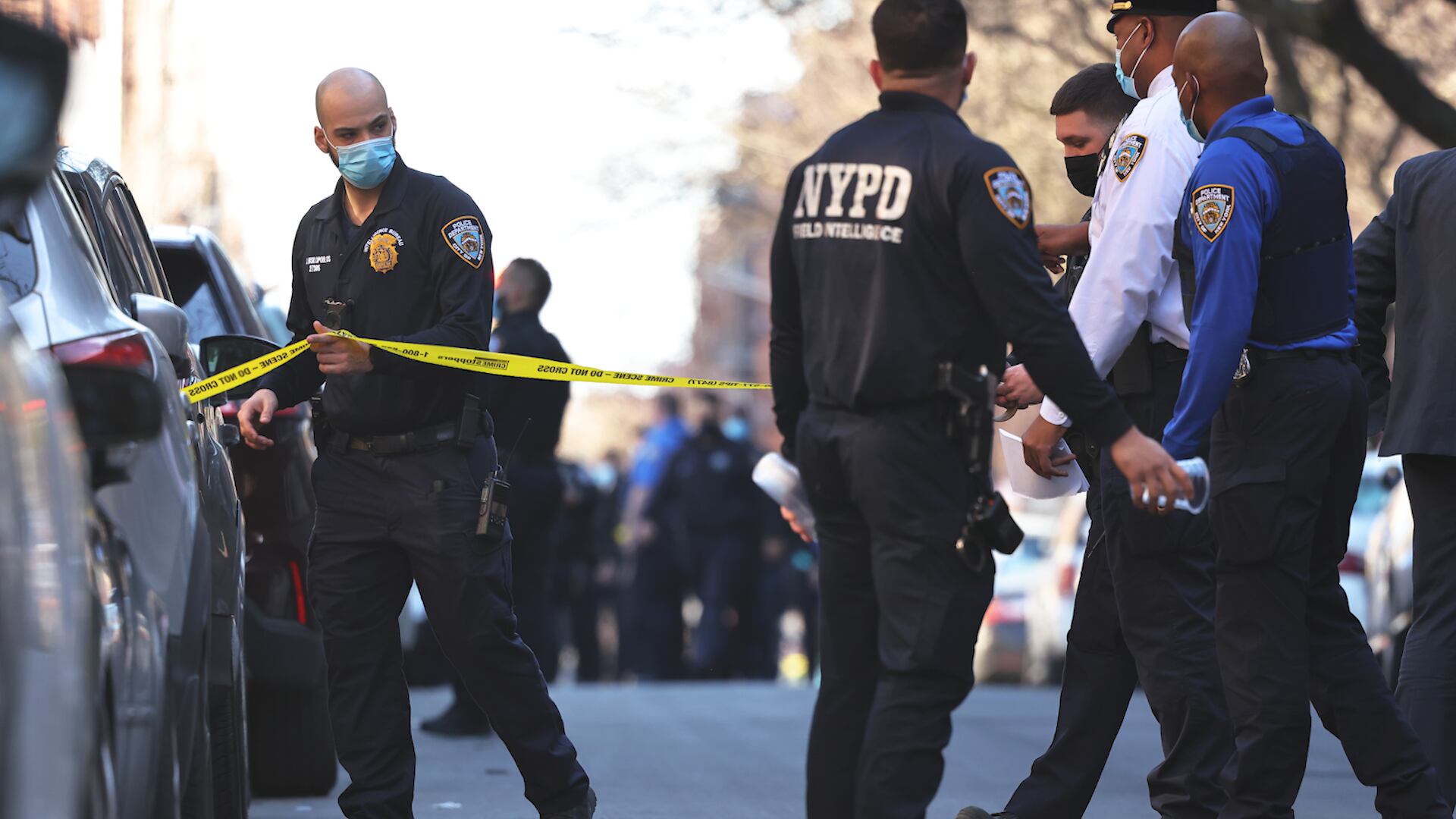
New York City is not only dealing with the ongoing pandemic, it’s also facing a surge in crime. President Biden recently traveled to New York to meet with the city’s new mayor, Eric Adams, to discuss the rise in crime and gun violence.
The president praised Mayor Adams' crimefighting agenda and unveiled a new federal initiative to curb the flow of illegal weapons from the south. Josefa Velásquez, Senior Reporter for THE CITY, joined Cheddar's Fast Forward to talk about how the mayor is battling this increase in crime in his first weeks in office.
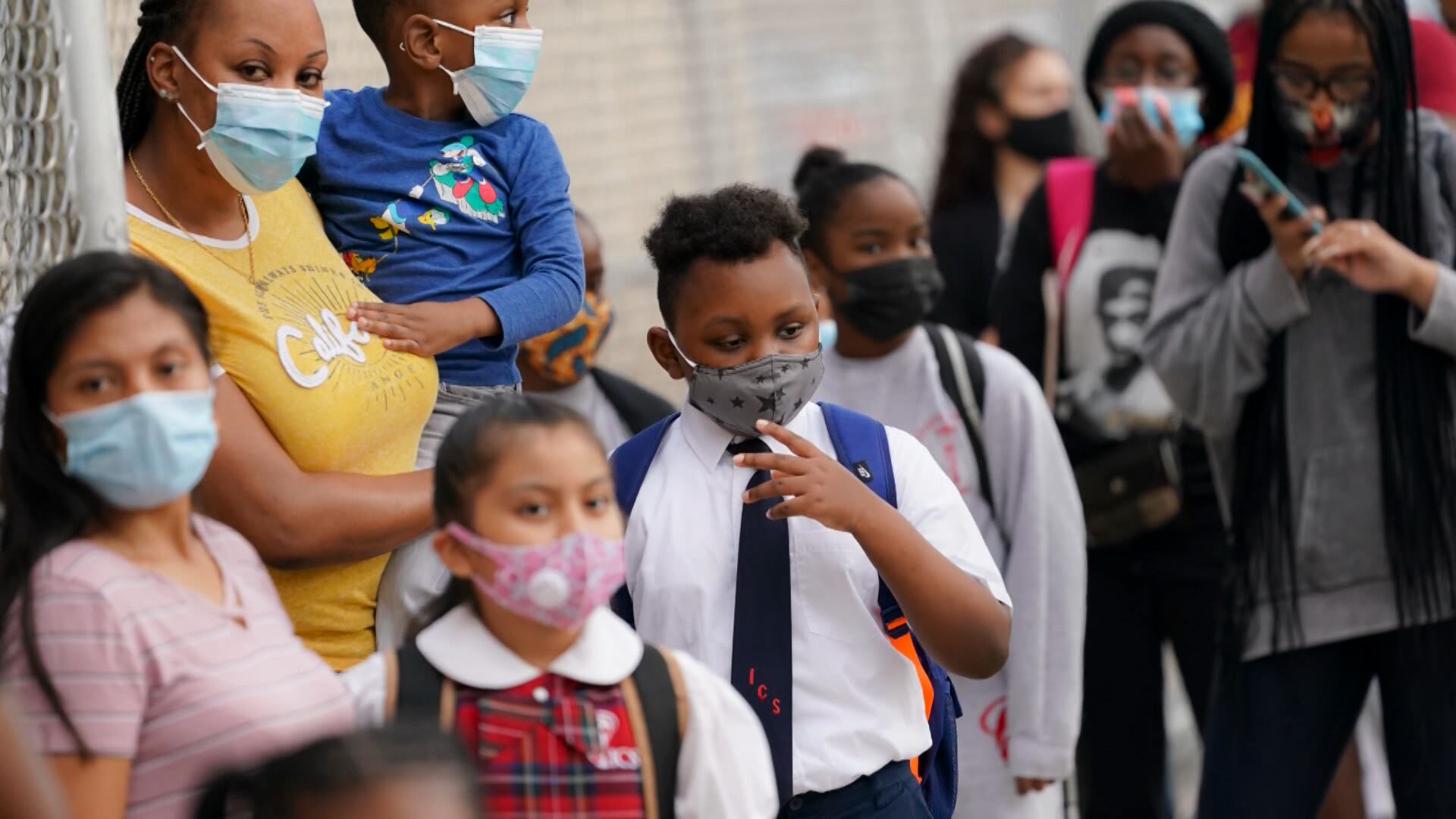
The Democratic governors of New Jersey, Connecticut, Delaware, and Oregon say they will lift mask requirements for schools in the coming weeks, reflecting a nationwide shift away from restrictions. Cheddar News speaks with internist Dr. Vivek Cherian whether it's safe to relax the regulation.