Colorado Governor John Hickenlooper says the only way to stay on the federal government’s good side in the fight against cannabis is to “regulate the living daylights out of it.”
The democrat told Cheddar in an interview Wednesday that Attorney General Jeff Sessions’ negative stance towards marijuana creates friction between state and federal authorities.
“It’s very frustrating,” he said. “If states really are the laboratories of democracy, [legalization] is a huge social experiment going on all across the country.”
That friction only creates uncertainty in the cannabis industry, leaving business leaders in a lurch.
“[But Sessions] wants that uncertainty, he wants it to be bad for business,” said Hickenlooper.
In order to maintain a positive relationship with the federal government, states like Colorado have to make sure there’s no risk of funny business, so opponents won’t be able to make a case against them.
“We’re going to make sure that it is not corrupt, we don’t have gangs, we don’t have cartels, we are really going to work as hard as we can to make this…clean and above board,” Hickenlooper explained, pointing out that Colorado’s cannabis industry is currently worth $1.5 billion a year and “there’s taxes collected” on that.
In 2012, Colorado became one of the first states to legalize marijuana for recreational purposes.
“You can’t have laws that nobody obeys,” he said. “It’s just not good for society.”
For the full interview, [click here](https://cheddar.com/videos/the-one-thing-that-wakes-colorado-governor-john-hickenlooper-up-at-night).
President Joe Biden says he stands “squarely behind” his decision for the U.S. to leave Afghanistan.
Stock indexes closed at record highs on Wall Street Monday, despite rising coronavirus infections in the U.S. and around the globe, as well as geopolitical concerns in Asia.
From Wall Street to Silicon Valley, these are the top stories that moved markets and had investors, business leaders, and entrepreneurs talking this week on Cheddar.
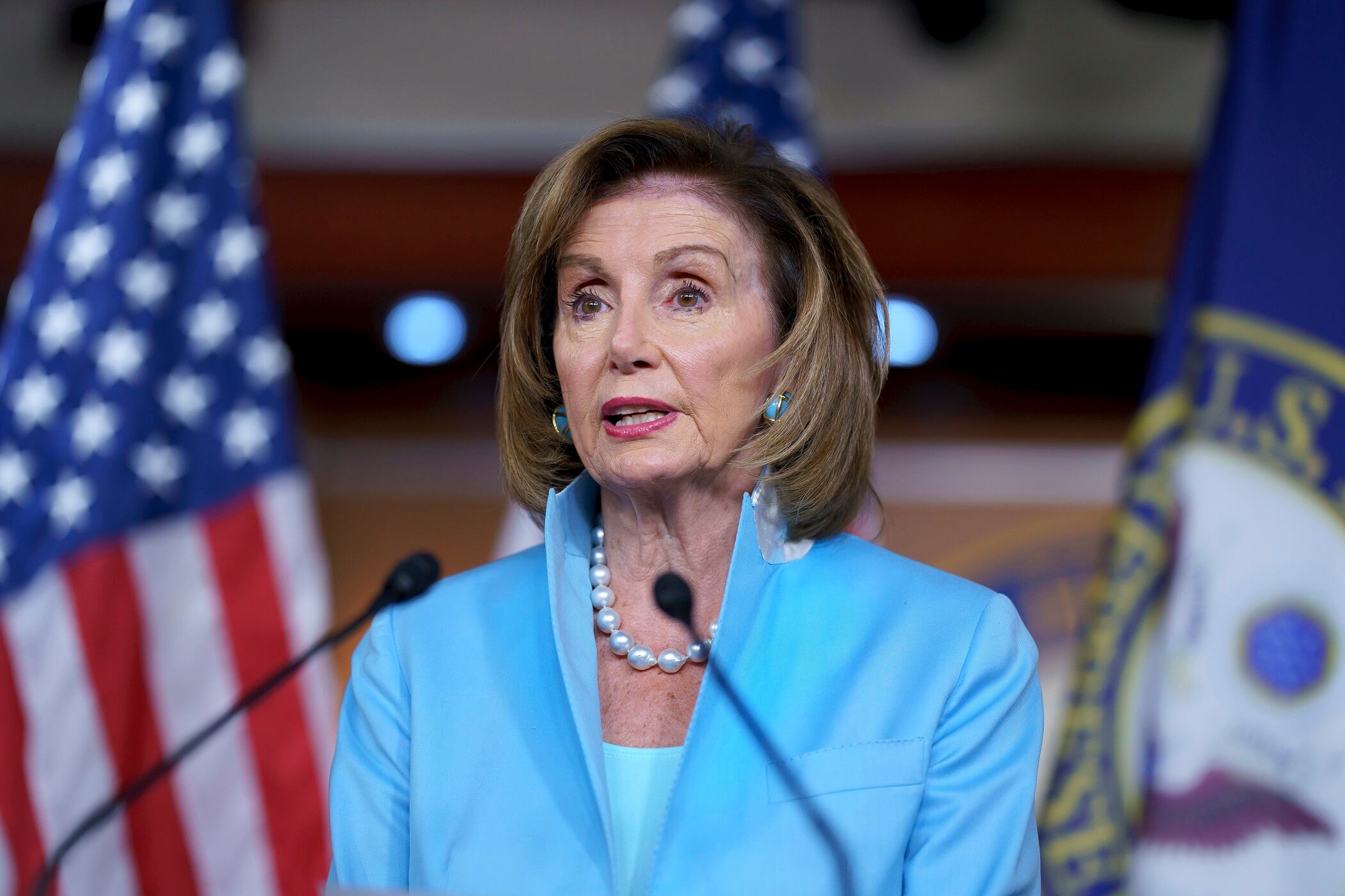
House Speaker Nancy Pelosi is facing a fresh hurdle to passing President Joe Biden’s multi-trillion dollar domestic policy aspirations.
Collapse of Afghanistan, Future of Fast Food & Britney Gets a Win
The U.S. is sending an additional 3,000 troops to Afghanistan to assist in the evacuation of some personnel from the U.S. Embassy in Kabul.
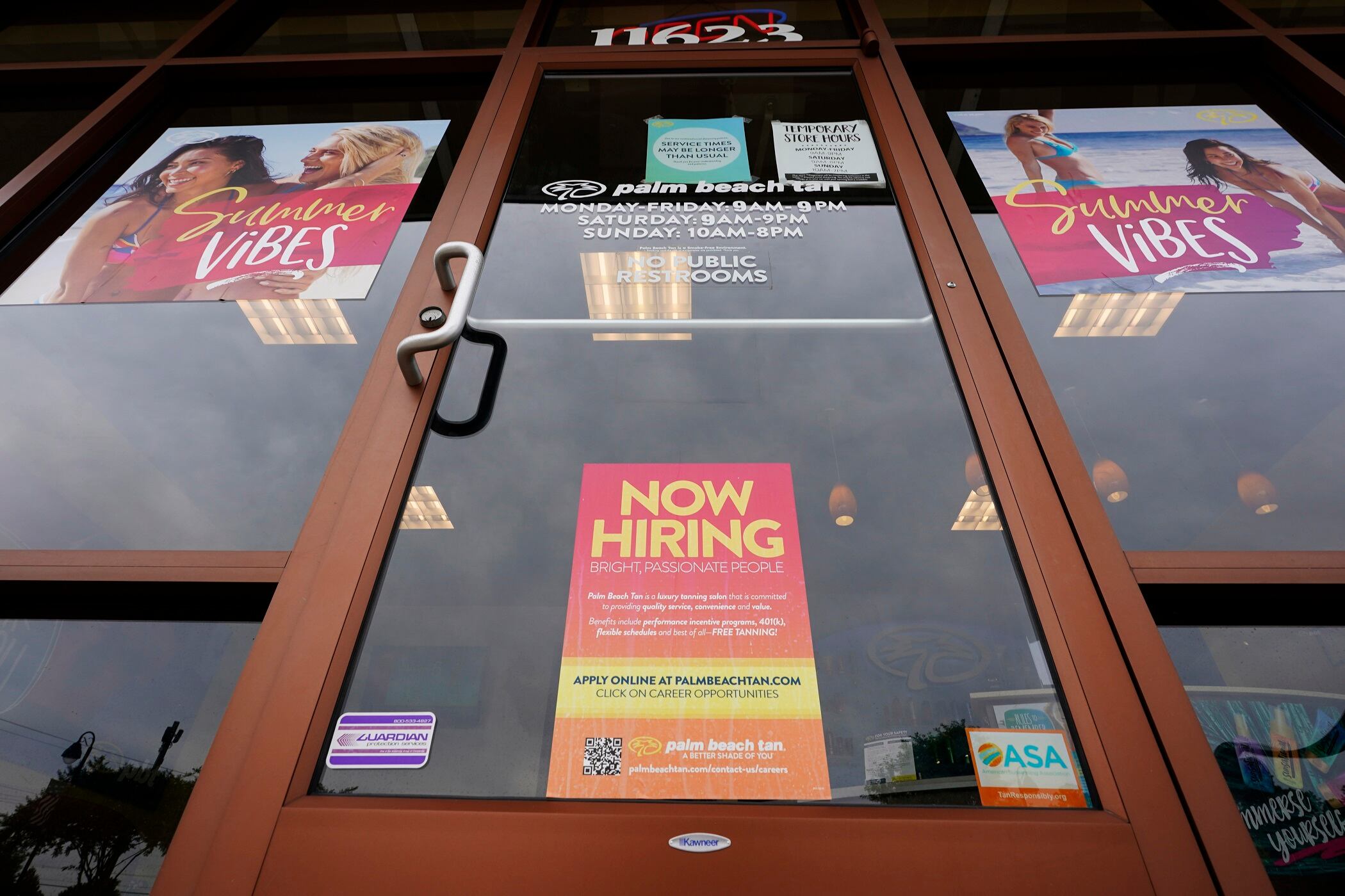
The number of Americans seeking unemployment benefits fell for a third straight time last week, the latest sign that employers are laying off fewer people as they struggle to fill a record number of open jobs and meet a surge in consumer demand.
A controversial crypto provision, which would impose tax-reporting requirements on a broad cross-section of digital asset holders, slipped into the Senate infrastructure bill despite pushback from the industry's nascent lobbying arm.
Prices for U.S. consumers rose last month but at the slowest pace since February, a sign that Americans could gain some relief after four months of sharp increases that elevated inflation to its fastest pace in more than a decade.
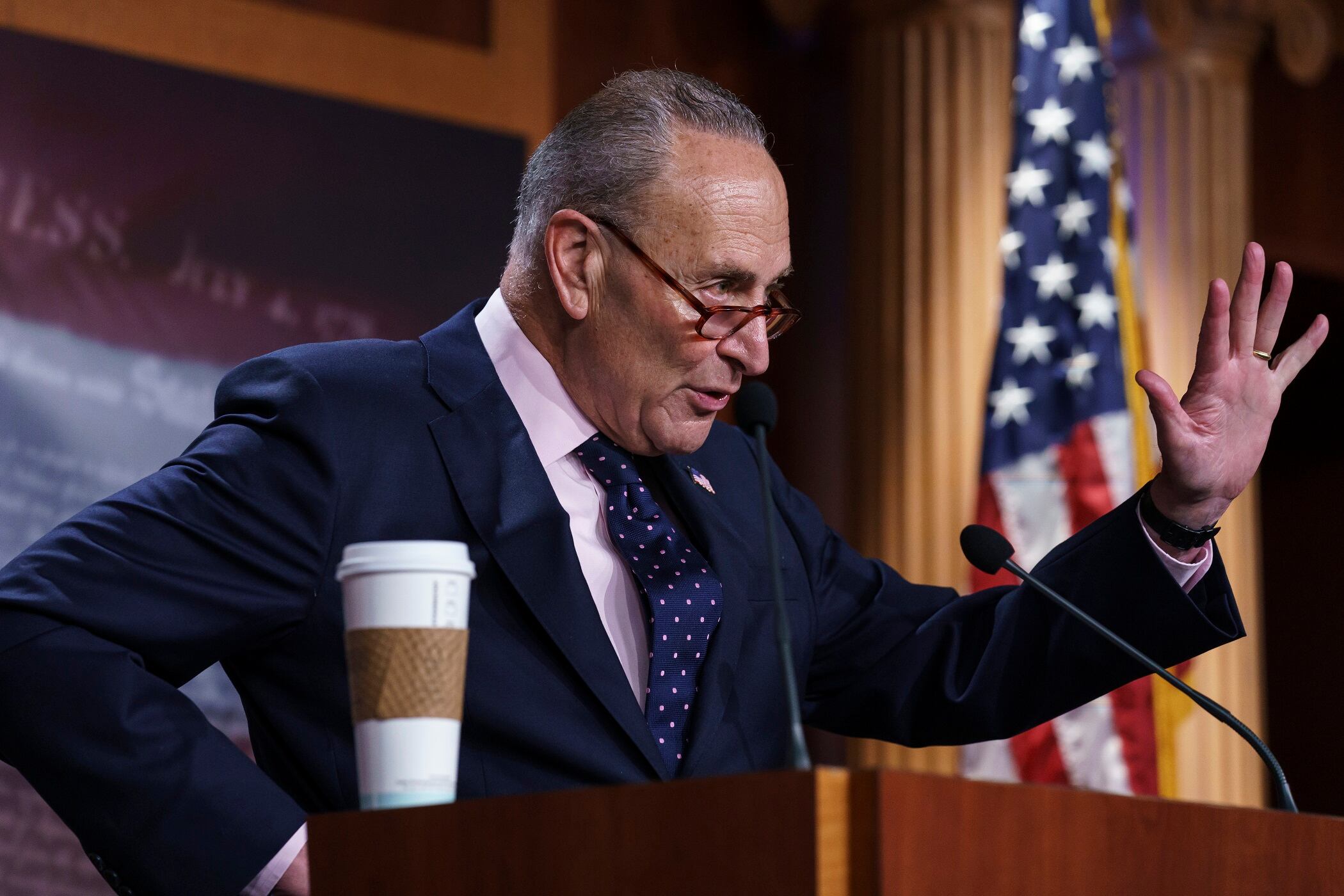
Senate Majority Leader Chuck Schumer is conceding that Democrats face a tough pathway to delivering a $3.5 trillion package for family, health and environment programs to President Joe Biden’s desk.